
Soups & Stews
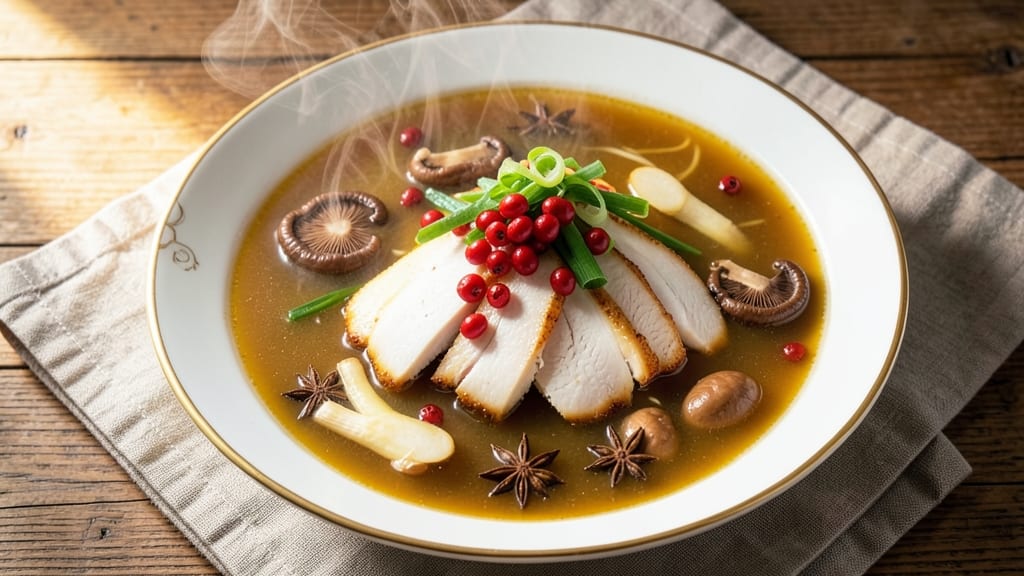
This fragrant abc soup Chinese recipe transforms simple ingredients into a restaurant-quality Chinese soup. The aromatic blend of star anise, ginger, and goji berries creates a warm, complex broth that's perfect for chilly evenings.
I developed this recipe after realizing how often I reached for store-bought versions that lacked depth—this homemade version delivers layers of flavor that bottled soups simply can't match.
The beauty of this soup lies in its simplicity and versatility. With just 10 key ingredients and a 30-minute preparation time, you'll have a nourishing, comforting bowl that's equally at home as a light lunch or cozy dinner.
The star anise and ginger infuse the broth with their signature warmth, while goji berries add subtle sweetness and texture. This recipe serves 4 generously, making it perfect for sharing.
What makes this soup truly special is how the flavors develop as it simmers. The initial sharpness of fresh ginger mellows into a gentle warmth, while the star anise releases its distinctive licorice-like aroma that permeates every spoonful.
The result is a clear, golden broth with tender chicken pieces and delicate vegetables—each bite offers a harmonious balance of savory, sweet, and aromatic notes.
Whether you're serving this as a starter or a main dish, it pairs beautifully with steamed rice or crusty bread. The recipe includes tips for adjusting spice levels and substituting ingredients, ensuring you can customize it to your taste preferences while maintaining its authentic Chinese soul.
Let's create this comforting bowl of warmth.
Ingredients for abc soup chinese
Ten aromatic ingredients transform into a restaurant-quality Chinese soup with golden broth and tender chicken.
| Ingredient | Amount | Notes |
|---|---|---|
| Chicken Breast 🍗 | 1 ½ lb | Boneless, skinless, cut into bite-sized pieces |
| Star Anise Pods 🌿 | 2 whole | Whole pods for infusion, remove before serving |
| Fresh Ginger Root 🧄 | ½ cup | Peeled, sliced into thin coins |
| Goji Berries 🍇 | ¼ cup | Dried, rinsed for impurities |
| Green Onions 🧅 | ¼ cup | White and green parts, chopped |
| Shiitake Mushrooms 🍄 | 4 whole | Stemmed, sliced into 1/4-inch pieces |
| Low-Sodium Chicken Broth 💧 | 4 cups | Homemade or high-quality store-bought |
| Sesame Oil 🫒 | 1 tbsp | Toasted, for finishing |
| Light Soy Sauce 🥄 | 1 tbsp | For seasoning, adjust to taste |
| White Rice Vinegar 🍶 | 1 tbsp | For brightness, optional |
The star anise and ginger are the soul of this soup—fresh ginger is non-negotiable for that signature warmth, while whole star anise pods infuse the broth with their licorice-like depth. For the best quality, source organic ginger from the produce section at Whole Foods or an Asian market, where you'll also find dried goji berries and shiitake mushrooms. The chicken should be free-range if possible, as it impacts both flavor and texture. Prep the ginger and green onions first—their sharpness mellows beautifully as the soup simmers, creating that harmonious balance the recipe promises.
No fresh ginger? Powdered ginger at half the amount works in a pinch, though it lacks the same complexity. Substitute goji berries with dried apricots or raisins for sweetness, though they won’t offer the same chewy texture. For the mushrooms, cremini or white button mushrooms can replace shiitake, but they’ll absorb more liquid. The soy sauce can be swapped for tamari if gluten-free is a concern. If you’re using store-bought broth, opt for a low-sodium version and adjust seasoning accordingly—this soup shines when its flavors are balanced, not overpowered.
The star anise and ginger can be removed after 15 minutes of simmering to avoid bitterness, but leave them in longer if you prefer a stronger aroma. Store leftovers in an airtight container for 3-4 days in the fridge, though the flavor deepens overnight. For longer storage, freeze portions for up to 3 months. Reheat gently on the stove, adding a splash of water if the broth thickens. This soup tastes even better the next day as the flavors meld—perfect for prepping ahead for busy weeknights.
Why You'll Love This Recipe
- No-Chop Needed: I swear by this—just slice the chicken into strips, no dicing, no mincing. The ginger stays in one big chunk, and the star anise? Toss it in whole. That’s it. Minimal prep, maximum flavor.
- Star Anise Magic: Honestly, this one spice transforms the broth. It’s like a warm, licorice-kissed hug in a bowl—deep but not overpowering. Pair it with the goji berries’ chewy sweetness, and suddenly you’ve got a soup that tastes like it simmered for hours.
- Lunchbox Hero: Between us, this is my go-to for meal prep. The chicken stays tender, the broth stays rich, and I can batch it for days. Toss in extra green onions for crunch, and it’s a satisfying lunch even when I’m too tired to cook.
- Budget-Friendly Protein: Chicken breast is affordable, and a single bag of goji berries stretches across multiple batches. The star anise and ginger? Tiny amounts go a long way. I’ve made this for four people for under $15—and still had leftovers for breakfast.
Step-by-step instructions for fragrant star anise and ginger infusion
This aromatic Chinese soup builds depth through layered infusion and precise timing.
Infuse the Broth with Star Anise and Ginger
In a large pot, combine the 4 cups low-sodium chicken broth, 2 whole star anise pods, and 0.5 cup sliced fresh ginger root. Bring to a boil over medium-high heat, then immediately reduce to a gentle simmer. The broth should bubble softly without vigorous boiling—this prevents the star anise from breaking apart and releasing bitter compounds.
Let the infusion steep for 15 minutes while you prepare the remaining ingredients. You'll notice the broth develop a warm, slightly sweet aroma with hints of licorice from the star anise. If the ginger pieces float to the surface, use a spoon to gently press them down occasionally—this ensures even infusion throughout the liquid.
Sear the Chicken and Mushrooms
In a separate skillet, heat 1 tablespoon sesame oil over medium-high heat. Add the 1.5 lb bite-sized chicken breast pieces and sear for 3-4 minutes until the edges turn opaque and slightly golden. Remove the chicken and set aside. In the same pan, add the 4 whole stemmed shiitake mushrooms and cook for 4-5 minutes until their edges darken and release moisture.
This quick searing develops a deep umami flavor in both the chicken and mushrooms. The mushrooms should release about 2 tablespoons of liquid—don't drain this; it contains concentrated flavor. Transfer both to a plate and set aside temporarily.
Build the Soup Base
Return the infused broth to a gentle simmer and add the seared chicken and mushrooms. Stir once to combine, then add 1 tablespoon light soy sauce and 1 tablespoon white rice vinegar. The vinegar adds brightness that cuts through the richness of the chicken and mushrooms.
Simmer for 10-12 minutes until the chicken reaches an internal temperature of 165°F and the mushrooms soften. You'll see the broth reduce slightly, intensifying the star anise and ginger flavors. Taste the broth now—it should be seasoned but not salty. If needed, add a pinch more soy sauce, but remember we're using low-sodium broth.
Finish with Goji Berries and Green Onions
Remove the 2 star anise pods from the broth using a slotted spoon. Add the 0.25 cup rinsed goji berries and 0.25 cup chopped green onions (white and green parts). Simmer for an additional 3-4 minutes—this allows the goji berries to plump slightly and release their sweet-tart flavor while the green onions brighten the dish.
Here's the key: the goji berries should soften but retain some texture. If they dissolve completely, reduce the simmer time slightly next time. The green onions should be wilted but still identifiable as distinct pieces. Remove from heat and let the soup rest for 2 minutes before serving.
Plate with Garnish and Serve
Ladle the soup into bowls, ensuring each serving contains both chicken and mushrooms. Garnish with an additional sprinkle of chopped green onions and a drizzle of 1 tablespoon sesame oil per serving. The sesame oil should float on top, adding visual appeal and a nutty aroma.
Serve immediately while the star anise and ginger aromas are at their peak. Each spoonful should deliver a balance of savory chicken, earthy mushrooms, sweet-tart goji berries, and the warm spice notes from the infusion. The broth should coat the back of your throat lightly, indicating proper seasoning without heaviness.
Pro Tips For Making Abc Soup Chinese
- Sear Chicken First: Skip the slow poach—pat the chicken breast bone-dry, then hit it with a screaming-hot wok or pan for 2-3 minutes per side until deep golden. The crust locks in flavor and prevents that sad, rubbery texture later. (Yes, even if you’re using boneless—it makes a difference.)
- Blister the Ginger: Peel and slice the ginger thick (about ½-inch chunks), then fry it in the same oil you sear the chicken until the edges turn a rich amber color. Burnt edges? Good. That’s where the heat kicks in and cuts through the chicken’s blandness. (Save the leftover ginger for stir-fries—it’s magic.)
- Toast Star Anise: Crack the star anise pods lightly with a knife first, then toast them in the oil for 30 seconds until fragrant—don’t let them turn brown, or they’ll taste bitter. The aroma is the thing that matters most here, not the color. (Pro move: Tie them in cheesecloth later so you can fish them out easily.)
- Add Goji Berries Late: Toss the goji berries in after the soup simmers, not at the start. They need just 2-3 minutes to plump up and soften—any longer, and they turn mushy. (If they’re dried, soak them in warm water for 10 minutes first; they’ll absorb the broth like sponges.)
Regional styles of this recipe
Cantonese-Inspired Version
In Cantonese cuisine, this soup often features dried shiitake mushrooms instead of fresh, adding an earthy depth that's hard to replicate. I like to increase the goji berries to ⅓ cup and add ½ cup snow peas for texture.
The broth gets a touch of Shaoxing wine (1 tbsp) for complexity, and I finish with toasted sesame seeds instead of just sesame oil. Serve with steamed jasmine rice—the contrast of fragrant rice and aromatic broth is pure Cantonese comfort. 🍜
Sichuan Spicy Twist
For a Sichuan-inspired take, I boost the heat with 1 tsp Sichuan peppercorns (toasted and crushed) and ½ tsp chili bean paste during the broth infusion. The star anise and ginger remain, but I add 1 tbsp doubanjiang when combining the chicken and mushrooms.
Garnish with chopped scallions and a drizzle of chili oil—this version delivers that signature Sichuan numbing-spicy kick while keeping the soup's comforting essence. 🌶️
Northern Chinese Simplicity
In Northern China, this soup often omits goji berries and focuses on dried lily buds (½ cup) and lotus seeds (½ cup) for texture. The broth gets a 1-inch piece of douchi (fermented tofu skin) for umami depth, and I reduce the ginger to ¼ cup for a milder profile.
The chicken remains the star, but I add bok choy leaves at the end for a fresh contrast. This version feels lighter yet equally satisfying—perfect for Northern palates that prefer subtlety. 🌿
Modern Fusion Adaptation
For a contemporary twist, I blend Chinese techniques with Western flavors by adding ½ cup corn kernels (for sweetness) and 1 tbsp fish sauce (for umami). The broth gets a splash of lemon juice (1 tbsp) instead of rice vinegar, and I finish with cilantro instead of green onions.
This fusion version works beautifully as a light summer soup or paired with crusty sourdough—it's what I serve at my dinner parties when guests want something familiar yet exciting. ✨
Vegetarian Alternative
To make this vegetarian, swap the chicken for 1 lb firm tofu (pressed and cubed) and 4 oz shiitake mushrooms (extra for texture). The broth infusion remains the same, but I add 1 tbsp miso paste when combining ingredients for extra depth.
Garnish with extra goji berries and a sprinkle of toasted black sesame seeds—this version keeps all the aromatic complexity while being completely plant-based. It's surprisingly hearty and satisfying! 🌱
Nutrition facts
Frequently asked questions
What exactly is ABC soup in Chinese cuisine?
ABC soup is a colloquial name for a fragrant Chinese soup often called "Three Treasure Soup" or "Abundant Soup" (三宝汤). The "ABC" likely refers to the aromatic trio of star anise, ginger, and goji berries that define its flavor profile. This recipe captures that essence with a golden broth infused with these warming spices and sweet-tart berries.
Can I substitute any of the key ingredients?
For the star anise, try 1 cinnamon stick or ½ tsp ground cinnamon (though fresh star anise is ideal). Swap goji berries for dried apricots or raisins if unavailable. For mushrooms, cremini or white button mushrooms work, though shiitake provide the best umami depth. The chicken can be replaced with tofu for a vegetarian version.
Why does the recipe call for removing the star anise pods?
Removing the star anise after infusion prevents bitterness from over-extraction. The pods infuse their aromatic oils into the broth during the 15-minute simmer, but leaving them too long can make the broth taste harsh. For stronger flavor, you can lightly crush one pod before adding it, but always remove them before serving to maintain the soup's delicate balance.
How can I make this soup spicier? For heat, add ½ tsp red pepper flakes or 1 tsp chili crisp when combining the chicken and mushrooms. For Sichuan-style spice, include 1 tsp crushed Sichuan peppercorns during the broth infusion.
Can I make this soup ahead of time?
This soup actually tastes better the next day! Store leftovers in an airtight container for 3-4 days in the fridge. The flavors meld beautifully overnight. For longer storage, freeze portions for up to 3 months. Reheat gently on the stove, adding a splash of water if the broth thickens. The star anise aroma will be even more pronounced after resting.