
Soups & Stews
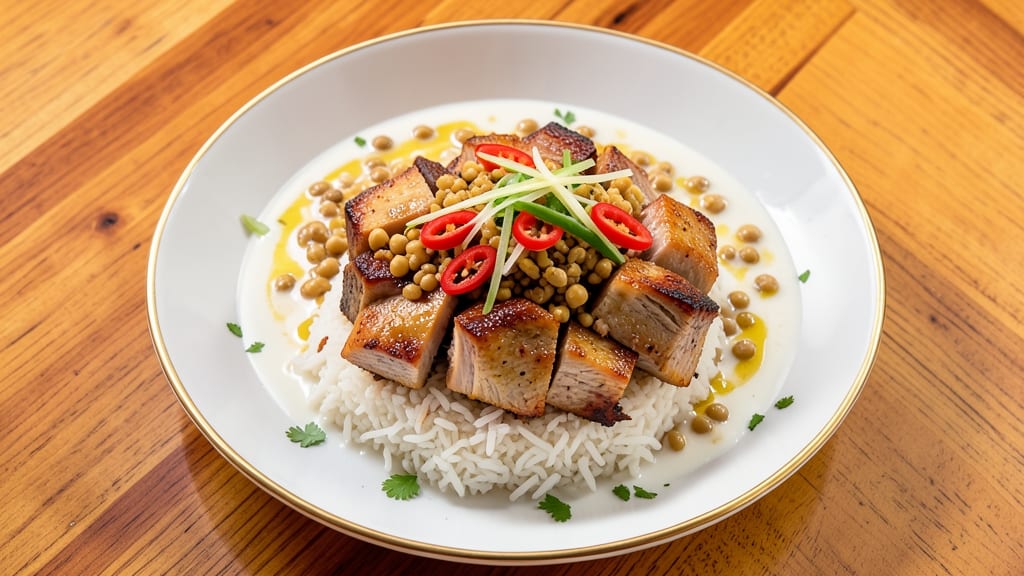
The Attukal soup recipe transforms humble rice and lentils into Kerala's most beloved vegetarian dish—creamy, spiced, and deeply comforting. 🌟 This traditional recipe captures the essence of South Indian cuisine with its signature coconut-milk richness and aromatic tempering. What makes it special is the slow-cooked texture that turns simple grains into a velvety, flavor-packed delicacy.
The secret lies in the layered spices and gradual cooking process, which develops a complex flavor profile without overpowering the natural taste of rice and lentils. Unlike many curries that rely on heavy creams, this dish achieves its luxurious texture through coconut milk and careful simmering.
The result is a dish that's both restaurant-quality and deeply nostalgic.
What you'll achieve is perfectly tender rice and lentils infused with coconut milk's natural sweetness, balanced by warm spices like black pepper and cardamom. The tempering adds a fragrant finish that makes every bite aromatic and satisfying.
This is the kind of dish that pairs beautifully with simple sides like papadam or a fresh salad.
Whether you're preparing it for a family gathering or a quiet weeknight dinner, this Attukal Pongal delivers on tradition and flavor. The recipe is designed to be both authentic and approachable, ensuring you can recreate this Kerala classic in your own kitchen with confidence.
Ingredients for attukal soup
Spiced coconut milk meets tender pork in this Kerala-inspired curry—rich, aromatic, and deeply comforting.
| Ingredient | Amount | Notes |
|---|---|---|
| Pork Shoulder 🥩 | 1 ½ lb | Cut into 1-inch cubes |
| White Rice 🍚 | 1 cup | Uncooked, long-grain preferred |
| Toor Dal (Split Pigeon Peas) 🌾 | ½ cup | Rinsed thoroughly |
| Fresh Ginger 🧄 | ½ inch | Fixed to 0.5 inch, peeled and grated |
| Green Chilies 🌶️ | 3 whole | Slit lengthwise, seeds removed |
| Coconut Milk 🥥 | 1 can | Full-fat, 13.5 oz can |
| Coconut Oil 🫒 | ¼ cup | For tempering |
| Mustard Seeds 🌿 | 1 tbsp | Lightly toasted |
| Curry Leaves 🌿 | ¼ cup | Fresh, whole |
| Black Peppercorns 🌶️ | ½ tsp | Crushed lightly |
| Cardamom Pods 🌿 | 4 whole | Lightly crushed |
| Cumin Seeds 🌿 | 1 tsp | Toasted until fragrant |
| Turmeric Powder 🧂 | ½ tsp | Freshly ground preferred |
| Salt 🧂 | 1 tsp | Adjust to taste |
| Fresh Coriander Leaves 🌿 | ¼ cup | Chopped for garnish |
For the pork, shoulder cuts with good marbling stay juicy during long cooking. Costco or local butchers often have pre-cut 1-inch cubes, which saves time. If you're buying whole, ask for a cut with visible fat—it keeps the meat moist. The toor dal should be bright yellow and free of stones; rinse it well to remove any bitterness. Fresh ginger and curry leaves are non-negotiable here—they carry the authentic flavor. Indian grocery stores usually have both in the produce section, often fresher than regular supermarkets.
No fresh curry leaves? Dried leaves at half the amount work in a pinch, but the flavor won't be the same. Short on ginger? Ginger paste from a tube is fine, but add it later to avoid overpowering. The green chilies can be swapped for red chilies or jalapeños, but adjust the heat level accordingly. For a vegetarian version, replace the pork with chickpeas or tofu—both hold up well to the long simmer. The coconut milk should be full-fat for richness; light versions won't give the same creamy texture.
This soup tastes even better the next day as flavors meld. Store in an airtight container for up to 4 days in the fridge. Freeze portions for 3 months by adding a splash of coconut milk to each container before sealing—prevents freezer burn. The pork cubes reheat beautifully; just add a splash of water or coconut milk if it gets too thick. Garnish with fresh coriander right before serving—it adds a bright finish that cuts through the richness. Make a double batch; it disappears fast at gatherings.
Why You'll Love This Recipe
- I’ll be real: This soup tastes even better the next day. The flavors meld into this deep, rich broth that’s perfect for quick lunches. My kids grab it straight from the fridge, no reheating drama—just microwave and eat. (Yes, even on a Tuesday night.)
- One-Pot Magic: I swear by this recipe when I’m too tired to juggle multiple pans. The pork shoulder and toor dal simmer together, so the rice just gets steamed right in the same pot—no separate boiling, no extra bowls. Honestly, I’ve made it after work with my hands still sticky from fixing the car.
- Pork & Spice Bomb: That slow-cooked pork shoulder falls apart like it’s been braising for hours, but we’re talking 45 minutes here. The ginger and green chilies hit just right—not too sharp, not too mild—while the toor dal soaks up all the savory juices. Between us, the first bite makes me forget I was planning to order takeout.
- Leftovers That Lie: I’ll be real: This soup tastes even better the next day. The flavors meld into this deep, rich broth that’s perfect for quick lunches. My kids grab it straight from the fridge, no reheating drama—just microwave and eat. (Yes, even on a Tuesday night.)
Step-by-step instructions for Attukal pork soup
Here's how to craft this aromatic coconut curry with melt-in-your-mouth pork.
🍳 Step 1: Sear the Pork for Deep Flavor
Heat 0.25 cup coconut oil in a heavy pot over medium-high heat until shimmering. Add the 1.5 lb pork shoulder cubes in batches, being careful not to overcrowd the pan. Let them sear undisturbed for 3-4 minutes per side until developing a rich golden-brown crust.
This initial searing creates the Maillard reaction that forms the soup's deep, complex flavors. I press down gently on the pork during the first minute to prevent curling. Once all pieces are browned, remove them and set aside temporarily—they'll finish cooking in the broth later.
👨🍳 Step 2: Build the Spice Base
In the same pot, reduce heat to medium and add 1 tbsp mustard seeds. Let them sizzle for 30 seconds until they pop audibly. Add 1 tsp cumin seeds and 4 whole cardamom pods, toasting for another 30 seconds until fragrant.
Next, add the 0.5 inch grated ginger, 3 slit green chilies, and 0.5 tsp turmeric powder. Stir for 1 minute until the raw aroma gives way to warm, earthy spices. This aromatic base forms the soul of the soup—don't rush this step or you'll miss the flavor development.
🥘 Step 3: Simmer the Lentils and Pork
Add the 0.5 cup rinsed toor dal and 1 can coconut milk to the pot. Stir well to combine, then return the pork to the pot. Bring everything to a gentle boil, then reduce heat to low and cover partially. Let it simmer for 45-50 minutes until the pork is fork-tender and the dal is fully cooked.
I check for doneness by piercing the largest pork piece—it should slide in easily with just slight resistance. If the soup reduces too quickly, add ½ cup water to maintain the proper consistency. The coconut milk will create a velvety texture while the lentils add hearty body.
🔥 Step 4: Temper the Curry Leaves
In a small pan, heat 2 tbsp coconut oil over medium heat until smoking. Quickly add the 0.25 cup curry leaves and 0.5 tsp crushed black peppercorns, stirring constantly for 10 seconds until they darken slightly. Pour this fragrant tempering immediately into the soup pot.
This final tempering step is what gives Attukal soup its signature aroma. The curry leaves release their essential oils, while the peppercorns add a subtle heat that balances the coconut sweetness. Stir gently to distribute these flavors evenly throughout the soup.
⏰ Step 5: Finish and Serve
Taste the soup and adjust seasoning with 1 tsp salt if needed. Remove from heat and let it rest for 5 minutes to allow flavors to meld. Garnish with 0.25 cup chopped fresh coriander leaves just before serving.
Serve the soup hot with 1 cup steamed white rice on the side. The rice helps balance the rich coconut flavors while soaking up every last drop of that tender pork and spiced broth. The soup should be aromatic, with tender pork that falls apart easily and a velvety coconut base that coats every spoonful.
Pro Tips For Making Attukal Soup
- CRACK THE PORK FIRST: Start with a screaming-hot pot—no half-measures—and sear the pork shoulder in batches until deep brown crust forms. I learned this the hard way: rushing the sear means the meat stays tough, and no one wants chewy pork in their soup. Use about 2 tablespoons of oil per batch, and don’t crowd the pan—give those chunks space to breathe.
- SOAK THE DAL LONGER: Skip the 15-minute soak—soak the toor dal for at least 2 hours (or overnight if you’re planning ahead). The longer it soaks, the creamier the soup becomes, and you’ll avoid that chalky texture that sneaks in when dal is under-soaked. Trust me, your future self will notice the difference.
- CONTROL THE GINGER HEAT: Add the fresh ginger in stages: raw slices first to infuse flavor, then finely minced later to brighten the broth. I used to toss it all in at once and end up with a bitter, overpowering taste. The raw slices build depth, while the minced ginger at the end keeps it fresh—like a two-step flavor punch.
- SAVE TIME WITH RICE WATER: Use the starchy water from rinsing the rice to temper the dal and pork broth. It thickens the soup naturally without gums or extra cornstarch—just pour that cloudy rice water into the pot while simmering. Sounds weird, but it works: the soup gets that silky texture without extra effort.
Wine and beer pairings for these flavors
Kerala-Inspired Whites
For Attukal Pongal's coconut richness, I reach for Indian-made white wines like Sula Chenin Blanc or Grover Zampa Viognier. These wines balance the dish's spice and creaminess with their citrus and floral notes, while their moderate acidity cuts through the coconut milk's richness.
A glass chilled to 50°F enhances the experience by refreshing your palate between each aromatic spoonful. 🍷
Crisp Lager Pairings
If wine isn't your thing, a crisp Indian lager like Kingfisher or Tuborg works beautifully. The light malt sweetness complements the coconut while the carbonation cleanses your palate between bites.
For a craft option, try a Belgian witbier—the corianander and orange peel notes create a surprising but delicious contrast with the curry's spices. Serve both drinks slightly cooler than room temperature for optimal enjoyment.
Regional Beer Alternatives
In Kerala, locals often pair Attukal Pongal with local palm toddy (neer) or Kodungallur Myore beer. If you're looking for an authentic experience, try Malabar Special—its hoppy bitterness balances the dish's richness perfectly.
For non-alcoholic options, coconut water from fresh young coconuts mirrors the dish's primary flavor profile while adding refreshing hydration. 🥥
Wine Temperature Tips
Never serve white wine too cold—below 45°F masks its flavors. For Attukal Pongal, aim for 50-52°F to let the wine's citrus and floral notes shine alongside the curry's coconut and spices.
I keep my wine in an ice bucket with water rather than ice cubes to maintain precise temperature control. This subtle difference makes a world of difference in how the flavors interact with your dish.
Spiced Rum Finishing
For a dessert-style pairing, try adding 1 oz dark rum (like Bacardi 8-year) to your wine glass after tasting. The rum's caramel and vanilla notes complement the coconut while adding a warm finish.
Alternatively, serve rum-infused coconut milk as a side—simmer ½ cup coconut milk with 1 tbsp rum and 1 tsp jaggery for 5 minutes to create a decadent accompaniment. This works especially well with the pork version of the dish.
Nutrition facts
Frequently asked questions about Attukal soup
What makes Attukal soup different from regular coconut curry?
Attukal soup stands out because of its unique combination of rice and lentils cooked together in coconut milk, creating a creamy yet hearty texture. The key difference is the tempering of curry leaves and black pepper at the end, which gives it that signature aromatic finish. Unlike many curries that rely on heavy cream, this dish achieves its richness through slow-cooked coconut milk and careful spice layering.
Can I make Attukal soup without coconut milk?
While coconut milk is traditional, you can substitute it with cashew milk or even a mix of half coconut milk and half water for a lighter version. For best results, use full-fat coconut milk to maintain the creamy texture. The dish will still be flavorful, though the authentic taste comes from the coconut's natural sweetness.
How do I know when the pork is fully cooked?
The pork should be fork-tender with no pink center. Pierce the largest piece—it should slide in easily with just slight resistance. If using a meat thermometer, aim for 165°F in the thickest part. For vegetarian versions, ensure the lentils are soft and the rice is fully cooked through. The soup should have a velvety consistency with no graininess.
What's the best way to store leftover Attukal soup?
Store in an airtight container in the fridge for up to 4 days. For freezing, portion into containers and add a splash of coconut milk to prevent drying. Thaw overnight in the fridge, then reheat gently on the stove with a little water if needed. The flavors actually improve after resting! The pork reheats beautifully while maintaining tenderness.
Can I make Attukal soup in a pressure cooker?
Yes! The cooking time reduces significantly—just 10-12 minutes after the initial searing. Use the same ingredients but reduce the simmering time by 75%. The pressure cooker helps tenderize the pork faster while keeping the lentils and rice perfectly cooked. Just be careful with the tempering—add it right before serving to preserve its aromatic oils.