
Soups & Stews
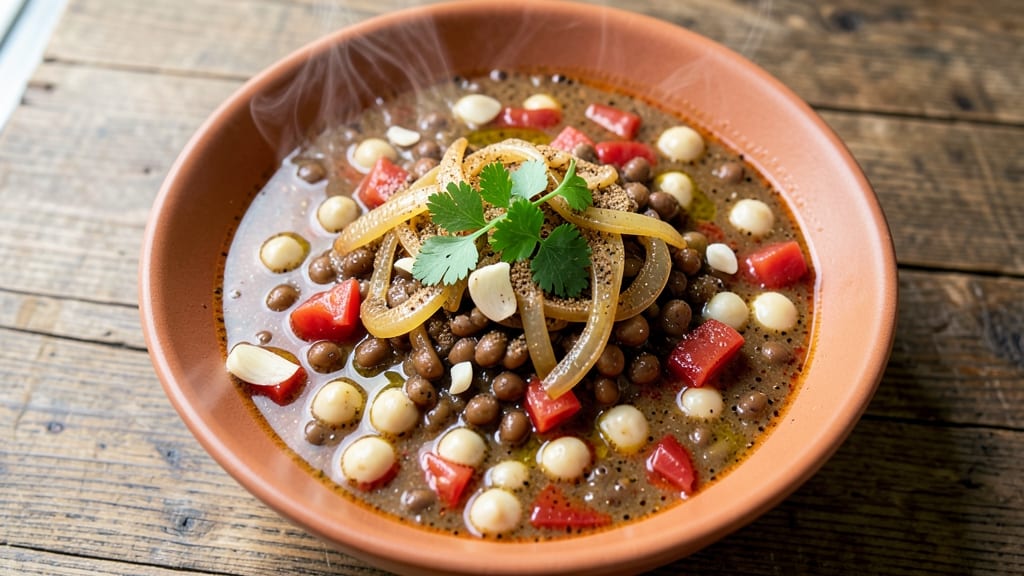
This authentic harira soup recipe brings the soul-warming flavors of Morocco to your kitchen, perfect for Ramadan iftars or cozy winter evenings. 💛 The traditional blend of lentils, chickpeas, and aromatic spices creates a hearty yet comforting broth that's both nourishing and deeply flavorful.
Unlike many adaptations, this version stays true to its North African roots while being completely vegetarian-friendly.
The key to authentic harira lies in the slow simmering process, which allows the spices—cumin, coriander, and turmeric—to develop their signature earthy warmth while the lentils and chickpeas soften into tender perfection.
The soup's rich texture comes from a carefully balanced blend of tomatoes, onions, and garlic, all simmered until they create a velvety base that's both savory and slightly sweet.
What makes this recipe truly special is the traditional garnish of fresh cilantro and a drizzle of olive oil, which adds brightness and depth to each spoonful.
The result is a soup that's as comforting as it is flavorful, with every ingredient playing its part in creating a dish that feels like a warm embrace. Perfect for feeding a family or sharing with friends, this harira is a celebration of Moroccan comfort food.
Whether you're preparing for Ramadan, a special gathering, or simply craving a taste of North Africa, this recipe delivers restaurant-quality results with simple, accessible techniques. Let's get started on creating this beloved Moroccan classic in your own kitchen.
Ingredients for authentic harira soup
Authentic Moroccan flavors start with these carefully selected ingredients for a vegetarian harira that honors tradition.
| Ingredient | Amount | Notes |
|---|---|---|
| Brown Lentils 🌾 | 1 ½ cups | Rinsed thoroughly before cooking |
| Chickpeas 🥜 | 1 ½ cups | Canned, drained and rinsed |
| Yellow Onions 🧅 | 2 whole | Finely diced, about 2 cups |
| Garlic Cloves 🧄 | 6 cloves | Minced, about 2 tbsp |
| Canned Diced Tomatoes 🍅 | 2 cups | San Marzano preferred |
| Ground Cumin 🌿 | 1 ½ tbsp | Toasted for deeper flavor |
| Ground Coriander 🌿 | 1 tbsp | Freshly ground preferred |
| Turmeric Powder 🌶️ | 1 tsp | For vibrant color |
| Ground Ginger 🌿 | ½ tsp | Freshly ground preferred |
| Vegetable Broth 💧 | 6 cups | Low-sodium preferred |
| Extra-Virgin Olive Oil 🫒 | ½ cup | For richness and depth |
| Fresh Cilantro 🌿 | ½ cup | Chopped, for garnish |
| Lemon Juice 🍋 | 2 tbsp | Freshly squeezed |
| Salt 🧂 | 1 ½ tsp | Diamond Crystal preferred |
| Black Pepper 🌶️ | ½ tsp | Freshly ground |
| Harissa Paste 🔥 | 1 tbsp | Adjust for heat preference |
The lentils and chickpeas form the heart of this soup, so choose high-quality dried lentils—French green or brown work best. Whole Foods or Middle Eastern markets often carry the best varieties, but the bulk section at your local grocery store will do. For chickpeas, canned is fine, but if you have time, soaking dried chickpeas overnight yields a creamier texture. The onions and garlic should be freshly minced—never pre-chopped—as they form the aromatic base. Toast your spices in a dry pan for 30 seconds before adding to the pot; this awakens their flavors and creates a deeper, more complex profile that's essential for authentic harira.
No fresh cilantro? Dried cilantro at one-third the amount works in a pinch, though it lacks the bright freshness. Short on harissa? Substitute with 1 tbsp red pepper flakes plus 1 tsp smoked paprika for a similar kick. The vegetable broth can be homemade or store-bought—just ensure it's low-sodium to balance the spices. For a richer texture, blend half the cooked lentils into the broth before serving. The harissa paste is non-negotiable for authenticity; look for brands like Bihari or El Fanoosh at specialty stores or online. If you can't find harissa, a mix of cayenne and smoked paprika will add warmth, though it won't be identical.
This soup tastes even better the next day as the flavors meld. Store in an airtight container in the fridge for up to 5 days, or freeze portions for 3 months. The garnish of fresh cilantro and a drizzle of olive oil should be added just before serving—never ahead of time, as it wilts quickly. For a restaurant-quality finish, serve with warm crusty bread and a side of preserved lemons. The soup reheats beautifully; just add a splash of water or broth if it thickens too much during storage.
Why You'll Love This Recipe
- One-Pot Wonder: I swear by this—just toss everything into a single pot, stir, and let it simmer. No chopping marathons, no fancy techniques, just lentils, chickpeas, and onions melting into something magical while you sip tea.
- Garlic Kiss: That first whiff of garlic and cumin? Chef’s kiss. The slow caramelization of onions with garlic cloves turns this into a flavor bomb—deep, warm, and impossible to resist, even if you’re not usually a "soup person."
- Meal Prep MVP: Between us, this is my go-to for busy weeks. Make a big batch on Sunday, and you’ve got hearty lunches all week—tastes just as good reheated as it does fresh. (Yes, even on a Tuesday night when you’re exhausted.)
- Budget Hero: Lentils and chickpeas stretch this soup into a full meal for less than $2 per serving. Honestly, it’s the kind of dish that makes me feel like I’m feeding a crowd without breaking the bank—especially when I sneak in extra tomatoes for that tangy depth.
Step-by-step instructions for authentic harira soup
Bring Moroccan tradition to your kitchen with this rich, spiced lentil and chickpea stew.
🍳 Step 1: Sauté Aromatics Until Fragrant
Heat the 0.5 cup extra-virgin olive oil in a large pot over medium heat. Add the 2 whole yellow onions that you've finely diced and cook for 5-7 minutes until they soften and turn translucent. This is where the foundation of flavor begins—don't rush this step.
Add the 6 cloves minced garlic and continue cooking for another 1-2 minutes until the garlic becomes golden and releases its aroma. Here's the thing—if you smell a burning odor, your heat is too high. Reduce it slightly and let the garlic cook gently. This aromatic base will carry through the entire soup, so take your time.
👨🍳 Step 2: Toast Spices for Maximum Flavor
Add the 1.5 tbsp ground cumin, 1 tbsp ground coriander, 1 tsp turmeric powder, and 0.5 tsp ground ginger to the pot. Stir constantly for 30 seconds to toast the spices—you'll see them sizzle and release their oils. This toasting step is crucial for developing their full flavor potential.
I like to press the spices into the onions with a wooden spoon to break them down slightly. After 30 seconds, add the 1 tbsp harissa paste and stir for another 30 seconds until the paste dissolves completely. The harissa will add that signature North African heat and depth of flavor that makes harira special.
🍳 Step 3: Build the Soup Base
Pour in the 2 cups canned diced tomatoes and stir to combine with the spice mixture. Cook for 3-4 minutes until the tomatoes break down slightly and the mixture thickens. This creates a rich, tomatoey base that will carry the other ingredients.
Add the 1.5 cups rinsed brown lentils and 1.5 cups drained chickpeas to the pot. Pour in the 6 cups vegetable broth and bring the mixture to a gentle boil. Once boiling, reduce the heat to low and let it simmer uncovered for 25-30 minutes, stirring occasionally. You're looking for the lentils to become tender but still hold their shape—this ensures the perfect texture in your soup.
🥘 Step 4: Season and Finish
After the lentils are tender, taste the soup and adjust the seasoning with the 1.5 tsp salt and 0.5 tsp black pepper as needed. The soup should be rich and flavorful, but not overly salty. This is where you can make it truly your own—if you prefer more heat, add a bit more harissa.
Stir in the 2 tbsp fresh lemon juice and remove the pot from heat. Let the soup sit for 5 minutes to allow the flavors to meld together. This resting period is important—it lets all the components come together into a cohesive, comforting bowl of soup.
🍽️ Step 5: Serve with Traditional Garnishes
Ladle the soup into bowls and garnish with the 0.5 cup chopped fresh cilantro. The bright, fresh notes of cilantro cut through the richness of the soup and add a beautiful contrast. In Morocco, harira is traditionally served with slices of crusty bread to soak up every last drop of that flavorful broth.
This authentic harira delivers the perfect balance of earthy spices, tender lentils, and chickpeas in a comforting broth. The harissa adds just the right amount of heat, while the lemon juice brightens everything up. Serve immediately while hot, and enjoy this taste of Morocco in every spoonful.
Pro Tips For Making Authentic Harira Soup
- SOAK LENTILS 30 MINUTES: I learned this the hard way—skipping the soak means lentils turn to mush and thicken the soup into glue. Toss them in warm water for half an hour first, then drain. Your broth stays light and the texture stays perfect.
- CARAMELIZE ONIONS LOW AND SLOW: This isn’t the prettiest method, but it’s the tastiest. Cook those onions on medium-low for 20-25 minutes until deep amber, stirring occasionally. Rushing them burns the sugar and makes the soup taste bitter—trust the process.
- DRAIN TOMATOES AFTER CRUSHING: Save yourself from a watery soup. Drain the canned tomatoes after crushing them, then rinse the pulp to remove excess liquid. You’ll end up with a richer, more balanced flavor instead of a diluted broth.
- SALT THE WATER FOR LENTILS: More salt than you think, especially if using unsalted butter later. Add 1 teaspoon of salt to the lentil water while they soak—it seasons them from the start and prevents blandness in the final dish. (Yes, even if you’re impatient like me.)
Regional styles of this dish
Moroccan Ramadan Classic
Harira holds sacred significance during Ramadan in Morocco, traditionally served to break the fast at iftar. The name itself means "hot" in Arabic, reflecting its warming properties after a day of fasting.
I remember my first experience eating harira during Ramadan in Marrakech—it was served in small bowls with dates and bread, creating a perfect balance of sweet, savory, and spicy flavors. 🌙
Algerian Spice Variations
In Algeria, harira often includes carrots and turnips for added sweetness and texture, creating a thicker, heartier soup. Algerian cooks frequently use preserved lemons instead of fresh lemon juice, adding a complex tanginess that's hard to replicate.
I've found that adding ½ cup diced carrots and ½ cup diced turnips along with the onions works beautifully while staying true to the Algerian tradition.
Tunisian Tomato Focus
Tunisian harira stands out for its deep tomato base, often using sun-dried tomatoes in addition to fresh. The Tunisians also incorporate green beans for a fresh crunch that contrasts the creamy lentils.
For an authentic Tunisian twist, add ½ cup chopped sun-dried tomatoes (oil-packed) with the fresh tomatoes and increase the harissa to 2 tbsp for a bolder flavor profile.
West African Fusion
In West African countries like Senegal and Mali, harira often features yams and plantains alongside the traditional legumes. The West African version also incorporates palm oil instead of olive oil for a distinctively rich, nutty flavor.
To adapt this version, replace the olive oil with 2 tbsp palm oil and add 1 cup diced yam along with the other vegetables.
Modern Vegetarian Adaptations
Many modern vegetarian versions replace chickpeas with white beans for a creamier texture, while some cooks add quinoa for extra protein. I've experimented with both and found that 1 cup cooked quinoa added at the end creates a delightful texture contrast.
For a protein boost, consider adding ½ cup cooked fava beans—they're a staple in many North African vegetarian dishes.
Seasonal Adaptations
Summer harira often includes cucumber and mint for refreshing contrast, while winter versions incorporate sweet potatoes for extra heartiness. I love adding ½ cup diced cucumber and 2 tbsp chopped fresh mint to summer harira—it creates a refreshing balance to the warm spices.
For winter, swap in 1 cup diced sweet potato with the carrots for a comforting twist.
Nutrition facts
Frequently asked questions
What makes this harira recipe authentically Moroccan?
The key lies in the spice blend—toasted cumin, coriander, and turmeric create that signature earthy warmth, while harissa paste adds the signature North African heat. The slow simmering of lentils and chickpeas with tomatoes builds the rich, velvety broth that defines Moroccan harira. Plus, the fresh cilantro and lemon garnish are traditional finishing touches that elevate the dish.
Can I make harira without harissa?
Yes! For a milder version, substitute 1 tbsp red pepper flakes plus 1 tsp smoked paprika—this will give you warmth without the same depth of flavor. If you want to stay true to tradition, look for Bihari or El Fanoosh brand harissa at specialty stores. The harissa brings that unique smoky, slightly sweet heat that's hard to replicate.
How do I adjust this recipe for a larger crowd?
Simply double all ingredients while keeping the same proportions. Use a large stockpot (8-10 quarts) to prevent overflowing. For best results, simmer the larger batch at a gentle boil—this helps prevent the lentils from becoming mushy. The cooking time remains the same (25-30 minutes) as long as you maintain the low heat.
Why does my harira taste bland after reheating?
This usually happens when the spices weren't properly toasted or the soup wasn't given enough time to rest after cooking. Next time, toast your spices for 30 seconds until fragrant, and let the soup sit 5 minutes off heat before serving. For reheating, add 1-2 tbsp water or broth to restore moisture—never microwave it dry. Fresh lemon juice and extra harissa can also brighten up reheated soup.
What can I serve with harira?
Traditionally, it's served with warm crusty bread (like Moroccan khobz) for dipping. For a complete meal, pair it with dates (a classic Ramadan combination), olive oil drizzled on top, or even grilled vegetables. In Morocco, it's often part of a larger iftar spread with mint tea. The bread helps soak up all that flavorful broth!