
Soups & Stews
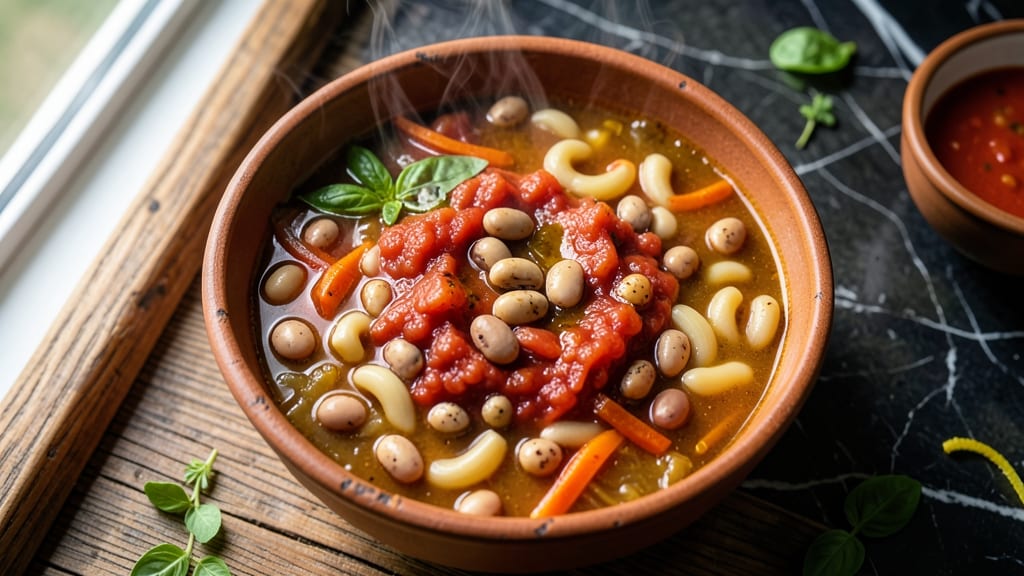
Bertucci's minestrone soup delivers that restaurant-quality heartiness you crave in a steaming bowl—packed with seasonal vegetables, chewy pasta, and a rich tomato base. This vegetarian classic transforms simple ingredients into a deeply satisfying meal that's perfect for chilly evenings or potlucks.
The secret lies in slow-simmered broth infused with garlic, herbs, and crushed tomatoes, creating layers of flavor that build with every spoonful.
What sets this recipe apart is the balance of textures: tender beans, al dente pasta, and crisp vegetables all working together in harmony.
I've adapted Bertucci's signature approach to make it foolproof at home—no fancy techniques required, just a pot, a wooden spoon, and about 45 minutes of hands-off simmering time. The beans and pasta absorb the flavorful broth, while the fresh herbs add brightness that cuts through the richness.
By the time you're done, you'll have a hearty, vegetable-packed soup that's as nourishing as it is delicious—ideal for feeding a crowd or meal prepping for the week.
The aroma alone will have everyone gathering around the table, and each bowl delivers that perfect combination of savory, herby, and slightly tangy flavors that define Bertucci's style.
Serve with crusty bread to soak up every last drop of that flavorful broth, or garnish with fresh basil and grated Parmesan for an extra touch of elegance. This is comfort food at its finest—simple to make but impossible to resist. Let's get cooking!
Ingredients for bertucci's minestrone soup
Heartwarming vegetables, chewy pasta, and rich tomato broth create Bertucci's iconic vegetarian minestrone.
| Ingredient | Amount | Notes |
|---|---|---|
| Vegetable Broth 💧 | 4 cups | Low-sodium preferred for flavor control |
| Crushed Tomatoes 🍅 | 1 14.5 oz can | San Marzano preferred for sweetness |
| Ditalini Pasta 🍝 | 1 cup | Uncooked, al dente preferred |
| Kidney Beans 🌱 | 1 15 oz can | Drained and rinsed thoroughly |
| White Beans 🌱 | 1 15 oz can | Cannellini or great northern |
| Carrots 🥕 | 2 medium | Peeled and cut into small cubes |
| Celery Stalks 🧅 | 2 whole | Trimmed and cut into small pieces |
| Onion 🧅 | 1 medium | Yellow or red, diced |
| Garlic Cloves 🧄 | 4 cloves | Minced for aromatic depth |
| Fresh Parsley 🌿 | ¼ cup | Chopped, stems removed |
| Fresh Basil 🌿 | 0.1 cup | Torn, for garnish |
| Olive Oil 🫒 | 2 tbsp | Extra-virgin for richness |
| Tomato Paste 🍅 | 2 tbsp | Squeeze tube preferred |
| Dried Oregano 🌿 | 1 tsp | Italian preferred |
| Bay Leaves 🌿 | 2 whole | Removed before serving |
| Salt 🧂 | 1 ½ tsp | Diamond Crystal preferred |
| Black Pepper 🌶️ | ½ tsp | Freshly ground |
| Parmesan Cheese 🧀 | ¼ cup | Freshly grated, for serving |
The vegetable broth is the flavor foundation—low-sodium versions give you better control over saltiness. Trader Joe's has excellent options, but any quality brand works. For the tomatoes, San Marzano cans have that perfect balance of sweetness and acidity that makes this soup sing. The beans? Canned is fine—just rinse them well to cut down on sodium. If you're feeling ambitious, you can soak and cook dried beans for a deeper flavor, but I'm not judging if you take the shortcut. The pasta should be ditalini—those little tubes hold up beautifully to the simmering and give that satisfying chew.
No vegetable broth? Chicken broth plus extra vegetable stock cubes gets you close, or even just water with bouillon. Short on fresh herbs? Dried oregano at half the amount works in a pinch, but fresh parsley and basil really elevate the dish. The carrots and celery can be swapped for whatever's in season—zucchini or bell peppers add nice texture. For the tomato paste, those little squeeze tubes from Trader Joe's are perfect—they last forever and make measuring a breeze. And if you're worried about the soup being too thick, just add more broth at the end—it's easy to adjust.
This soup tastes even better the next day as the flavors meld together. Store it in the fridge for up to 5 days, or freeze portions for 3 months. I like to make a big batch on Sunday and portion it out for lunches all week. The pasta gets slightly softer when reheated, but that's actually ideal—it soaks up all that flavorful broth. For serving, always garnish with fresh basil and a sprinkle of freshly grated Parmesan. That final touch makes all the difference, trust me.
Why You'll Love This Recipe
- Pantry Staples Only: I swear by this recipe because it uses what I already have—no fancy shopping required. The crushed tomatoes and vegetable broth mean I’m never stuck when I need a quick meal.
- Hearty but Light: Between the ditalini pasta and those creamy white beans, it’s filling without weighing you down. Honestly, it’s the kind of soup that makes you forget it’s supposed to be "healthy."
- Weeknight Crowd-Pleaser: I make a double batch every Sunday because it’s the one dish my picky eaters actually finish. The beans and pasta combo means everyone gets something they’ll eat—no complaints.
- Leftovers That Taste Better: Here’s what sold me—the flavor actually improves the next day. The beans soften just enough, and the broth deepens. I reheat it for lunch all week without a second thought.
Step-by-step instructions for Bertucci's minestrone soup
Here's how to recreate that iconic vegetable-packed heartiness with chewy ditalini pasta.
Sauté the Aromatic Vegetable Base
Heat the 2 tablespoons olive oil in a large pot over medium heat. Add the diced onion and cook for 3-4 minutes until softened and translucent. This is your flavor foundation—don't rush it or the soup will taste raw.
Add the minced garlic cloves, 2 tablespoons tomato paste, 1 teaspoon dried oregano, 1.5 teaspoons salt, and 0.5 teaspoon black pepper. Stir constantly for 1 minute until the tomato paste darkens slightly and releases its rich, concentrated flavor. This step builds the soup's depth before adding any liquids.
Build the Vegetable and Bean Medley
Increase heat to medium-high and add the 2 medium carrots, 2 whole celery stalks, and 1 14.5 oz can crushed tomatoes. Stir well to combine, then pour in the 4 cups vegetable broth. Bring to a gentle boil, then reduce heat to medium-low and let it simmer uncovered for 15 minutes. This allows the vegetables to soften while maintaining texture.
Add the 1 15 oz can kidney beans and 1 15 oz can white beans (drained and rinsed), along with the 2 whole bay leaves. Stir gently and return to a simmer. The beans will absorb some of the broth, so we're adding them later to prevent mushiness. Let everything cook together for 10 minutes while you prepare the pasta.
Cook the Pasta Separately
While the soup simmers, cook the 1 cup ditalini pasta in a separate pot of salted boiling water according to package directions until al dente (about 10-12 minutes). The pasta should have a slight bite to it—this ensures it holds up in the soup without turning mushy. Drain and set aside, reserving 1 cup pasta water for adjusting consistency later.
Here's the thing—cooking pasta separately prevents the soup from becoming gluey. The starch from overcooked pasta can turn your beautiful minestrone into a thick, pasty mess. By cooking it separately, we maintain that perfect chewy texture while keeping the soup brothy and flavorful.
Combine and Finish
Add the cooked ditalini pasta to the soup pot and stir gently to distribute evenly. Let the soup simmer together for 5-7 minutes to allow the flavors to meld. Taste and adjust seasoning—you might need a bit more salt since we're using low-sodium broth.
If the soup is too thick, add pasta water 1 tablespoon at a time until it reaches your desired consistency. It should coat the back of a spoon but still be light enough to ladle easily. The perfect minestrone has a balance of hearty vegetables and chewy pasta without being overly thick.
Garnish and Serve
Remove the 2 bay leaves and discard them. Stir in the 0.25 cup chopped fresh parsley and 0.1 cup torn fresh basil. Ladle the soup into bowls and top each serving with 0.25 cup freshly grated Parmesan cheese. The fresh herbs add brightness while the Parmesan brings richness to every spoonful.
Serve immediately with crusty bread to soak up every last drop of that vegetable-packed broth. The contrast of the chewy pasta against the tender vegetables and rich broth makes this minestrone truly special—just like Bertucci's original.
Pro Tips For Making Bertucci'S Minestrone Soup
- SOAK BEANS OVERNIGHT: I learned this the hard way—skipping the soak turns your minestrone into a mushy, gummy mess. For kidney and white beans, cover them in water the night before; they’ll soften perfectly and blend seamlessly into the broth. (Yes, even if you’re impatient like me, the 10-minute boil afterward is worth it.)
- COOK PASTA AL DENTE THEN ADD: Bertucci’s minestrone relies on that perfect bite of pasta. Cook ditalini just until it’s al dente—1 minute less than the package says—then toss it in the soup at the very end. This keeps it from turning to mush and lets you adjust the soup’s thickness afterward.
- SALT THE BROTH NOW: Don’t wait until the end to season. Add salt to the vegetable broth at the start—about 1½ teaspoons per 4 cups—so the flavors develop evenly. If you’re using canned tomatoes, add a pinch of salt to them too; crushed tomatoes can taste bland on their own.
- STIR IN TOMATOES LAST: Sounds weird, but it works: hold off on adding the crushed tomatoes until the very last 5 minutes of simmering. This keeps their acidity from overpowering the beans and lets their sweetness shine through. (Your future self will notice the difference.)
Perfect pairings for this dish
Bread Pairings
Nothing beats this minestrone with a warm, crusty ciabatta loaf from your local bakery—I love Trader Joe's or Whole Foods brands. The open crumb structure soaks up the flavorful broth beautifully, while the crispy exterior adds satisfying texture contrast.
For an Italian touch, try a focaccia with rosemary and sea salt. 🥖
Wine Complements
A crisp Chianti Classico from Tuscany is my go-to pairing—its bright acidity and cherry notes cut through the soup's richness. For white wine lovers, a Vermentino from Sardinia offers citrusy freshness that complements the tomato base. Avoid heavy reds like Cabernet, as they'll overpower the dish's delicate herbs.
Beer Options
Light Italian lagers like Peroni or Moretti cleanse your palate with their subtle malt sweetness. For craft beer enthusiasts, a Belgian witbier (like Hoegaarden) adds a refreshing coriander-citrus note that pairs wonderfully with the basil and parsley. Avoid hoppy IPAs—they'll compete with the soup's herbal complexity.
Cheese Additions
While the recipe calls for Parmesan, you can experiment with other Italian cheeses. A sprinkle of Pecorino Romano adds a sharper, saltier bite, while Fontina melts slightly for a creamy finish. For a vegetarian twist, try vegan Parmesan—it works surprisingly well when freshly grated. 🧀
Extra Crunch
Add toasted pine nuts or walnuts for a satisfying crunch that contrasts the soup's soft textures. Toast them in a dry pan for 2-3 minutes until golden, then sprinkle 1 tablespoon per bowl.
For a spicy kick, toss in red pepper flakes—just ¼ teaspoon per serving adds heat without overpowering.
Herb Garnishes
Fresh herbs elevate this dish instantly. Beyond the recipe's parsley and basil, try thinly sliced chives or microgreens for a delicate garnish. A drizzle of high-quality olive oil (like California Extra Virgin) before serving adds another layer of richness.
I often finish with a few lemon zest shavings for brightness. 🌿
Nutrition facts
Frequently asked questions about Bertucci's minestrone soup
Can I make this minestrone soup in a slow cooker?
Combine all ingredients except the fresh herbs and Parmesan in your slow cooker. Cook on low for 6-7 hours or high for 3-4 hours. The pasta should be added 30 minutes before serving to prevent mushiness. Add more broth if needed to reach your desired consistency. The slow cooker method actually enhances the flavors as everything melds together over time.
What can I substitute if I don't have ditalini pasta?
Any small pasta shape works well—try orzo, small shells, or even tiny penne. For a gluten-free option, use rice-shaped pasta or quinoa pasta. The key is to choose a pasta that holds its shape during simmering. Cook it separately just like in the recipe to maintain texture.
How do I make this soup more flavorful?
Boost the depth with a roasted garlic clove instead of minced, or add 1 teaspoon smoked paprika when sautéing the vegetables. For umami, stir in 1 tablespoon soy sauce or 1 teaspoon miso paste at the end. A splash of red wine (¼ cup) when deglazing the pot adds complexity. The beans also make a difference—try white beans only for creamier texture.
Can I make this soup ahead of time?
This soup tastes even better the next day as flavors meld! Store in the fridge for up to 5 days or freeze for 3 months. When reheating, add 2-3 tablespoons broth to restore moisture. The pasta will soften slightly but still hold its shape. I like to make a big batch on Sunday for easy lunches all week. Just reheat gently on the stove with the lid slightly ajar.
Why did my minestrone turn out too thick?
This usually happens when pasta releases too much starch or the soup reduces too much. Fix it by adding pasta water (from cooking the pasta) 1 tablespoon at a time until it reaches a ladleable consistency. For prevention, cook pasta separately and don't over-simmer the soup. If it's still too thick, stir in 2-3 tablespoons vegetable broth at the end. The perfect minestrone should coat a spoon but still be light enough to ladle easily.