
Soups & Stews
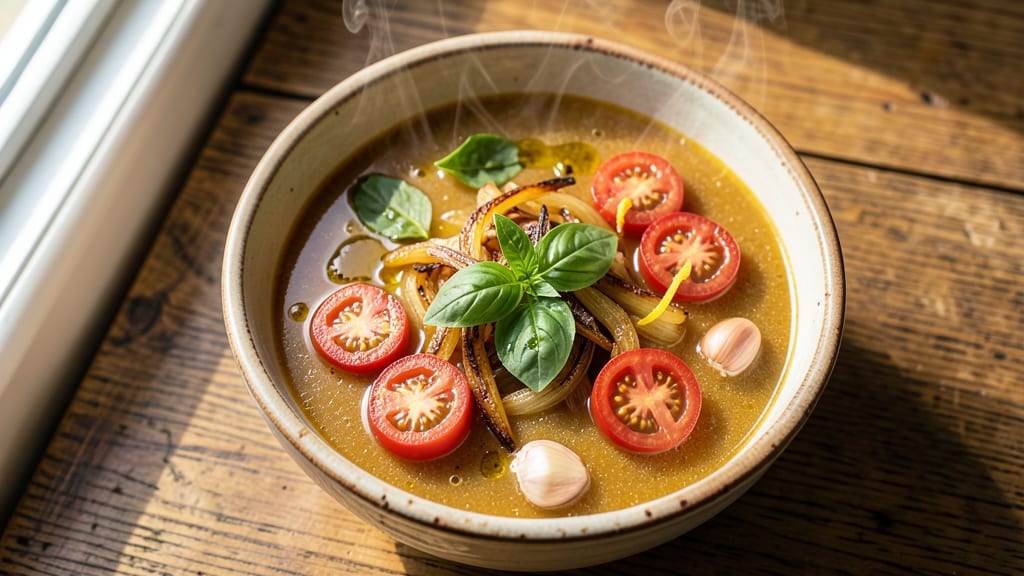
This is the best ever homemade tomato soup recipe that delivers the kind of depth only slow-simmered cooking can achieve—rich, velvety, and packed with caramelized onion sweetness that transforms simple ingredients into something extraordinary. I developed this version after years of testing, focusing on two critical elements: building flavor through low-and-slow cooking and balancing acidity with umami-rich components. The result? A soup so satisfying it becomes the star of any meal, whether served with crusty bread or as a comforting starter.
The secret lies in the caramelized onion base—cooked until deep golden brown—which forms the flavor foundation before tomatoes, herbs, and broth are added. This method eliminates the need for excessive salt or sugar while creating complex layers of taste.
Unlike many recipes that rely on canned tomatoes, I use fresh (or high-quality canned) for brightness, then simmer everything together until the flavors meld into perfect harmony. The texture is what truly sets it apart: silky smooth yet substantial, with just enough body to feel hearty.
What makes this the best ever homemade tomato soup is how it balances simplicity with professional techniques—no fancy equipment required, just patience and attention to detail. The slow simmer develops flavors that store-bought versions can't match, while the caramelized onions add a sweet, almost jammy depth that elevates every spoonful.
It's the kind of soup that tastes even better the next day, making it ideal for meal prep or cozy weeknight dinners.
Ready in about 45 minutes with minimal effort, this recipe delivers restaurant-quality results at home. The optional garnishes—fresh basil, grated parmesan, or a swirl of cream—let you customize it to your taste, but the base alone is already unforgettable. Here's how to make it.
Ingredients for best ever homemade tomato soup
The secret to extraordinary tomato soup lies in these carefully chosen ingredients—caramelized onions, fresh tomatoes, and aromatic herbs that build deep flavor through slow simmering.
| Ingredient | Amount | Notes |
|---|---|---|
| Yellow Onions 🧅 | 2 whole | Yellow or red, sliced thin |
| Extra-Virgin Olive Oil 🫒 | ½ cup | High quality, fruity flavor |
| Fresh Garlic Cloves 🧄 | 4 cloves | Peeled, minced finely |
| Fresh Roma Tomatoes 🍅 | 1 ½ lb | Or 28 oz canned San Marzano |
| Vegetable Broth 💧 | 4 cups | Low-sodium preferred |
| Fresh Basil Leaves 🌿 | ¼ cup | Packed, chopped finely |
| Fresh Thyme Sprigs 🌿 | 2 whole | Or 1 tsp dried thyme |
| Sea Salt 🧂 | 1 ½ tsp | Diamond Crystal preferred |
| Black Pepper 🌶️ | ½ tsp | Freshly cracked |
| Granulated Sugar 🍚 | 1 tsp | Balances acidity |
| Fresh Rosemary 🌿 | 1 tbsp | Chopped, optional |
| Parmesan Cheese 🧀 | ½ cup | Freshly grated, optional |
The onions are non-negotiable—they're the flavor backbone. Sweet yellow or red onions caramelize beautifully, but avoid purple onions (they turn bitter). Whole Foods or local markets often carry the sweetest varieties, but any yellow onion works. For extra depth, add a pinch of sugar to the onions while caramelizing—it speeds up the process and enhances sweetness. The garlic? Fresh is mandatory—jarred garlic lacks the same punch. I always buy garlic in bulk from Costco—it keeps for months in a cool, dark place.
No fresh tomatoes? San Marzano canned tomatoes are the gold standard—they're sweet, meaty, and have minimal acidity. Fresh basil and thyme can be swapped for dried at one-third the amount, but fresh is ideal. The vegetable broth matters too—low-sodium versions like Pacific Foods or Imagine give you more control over seasoning. For a smoky twist, add a dash of smoked paprika. The optional rosemary and Parmesan elevate the soup but aren't essential—skip them if you're keeping this strictly vegetarian or prefer a lighter flavor profile.
This soup tastes even better the next day as flavors meld. Store in airtight containers for 4-5 days in the fridge or freeze for 3 months. For meal prep, I double the batch and freeze portions—just thaw overnight in the fridge before reheating. Garnish with fresh basil or Parmesan right before serving to keep it vibrant. The caramelized onions can be prepped ahead and stored in the fridge for 3 days, saving you time on cooking day.
Why You'll Love This Recipe
- Here’s what sold me: slow-cooking the garlic in olive oil until it’s almost golden, then adding the tomatoes and broth. That deep, nutty aroma? It turns ordinary soup into something you’ll lick the bowl for. (Between us, I’ve done it.)
- No Chopping Frenzy: I swear by this—just dice one onion and crush three garlic cloves. That’s it. The Roma tomatoes? Toss them in whole, skins and all, and let the simmer do the magic. (Yes, even on a Tuesday night when you’re still in your pajamas.)
- Garlic-Infused Magic: Here’s what sold me: slow-cooking the garlic in olive oil until it’s almost golden, then adding the tomatoes and broth. That deep, nutty aroma? It turns ordinary soup into something you’ll lick the bowl for. (Between us, I’ve done it.)
- Lunch or Dinner Fix: This soup is my go-to for both—serve it with crusty bread for a lazy Sunday brunch or pair it with grilled cheese when the kids get home from school. Honestly, I’ve even microwaved leftovers straight into a thermos for work. It’s that reliable.
Step-by-step instructions for slow-simmered tomato soup
This is where the magic happens—where simple ingredients transform into restaurant-quality tomato soup with layers of flavor you won't find in a can.
Caramelize the Onions for Deep Flavor
Heat the 0.5 cup extra-virgin olive oil in a large Dutch oven over medium-low heat. Add the 2 whole yellow onions, sliced thin, and cook them undisturbed for 15 minutes, stirring only occasionally. You're aiming for a deep golden caramelization—not crispy, but rich and amber-colored with sweet undertones. This slow process develops complex sugars that form the soul of your soup.
Here's the thing—if you rush this step, you'll miss the opportunity to build those incredible flavors. The onions should reduce by about half in volume and smell irresistibly sweet. If they start to brown too quickly, reduce the heat slightly. Patience here ensures your soup won't be just tomatoey—it'll be deeply savory with that caramelized depth that makes this recipe exceptional.
Build the Aromatic Base
Once the onions are beautifully caramelized, add the 4 cloves fresh garlic cloves, minced finely, and the 1 tbsp fresh rosemary, chopped. Cook for 2-3 minutes until the garlic is fragrant but not browned—just golden around the edges. You'll know it's perfect when the kitchen fills with that intoxicating garlic-rosemary aroma that signals your base is ready for the tomatoes.
Next, add the 1.5 lb fresh Roma tomatoes, cut into large chunks. Stir them into the onion mixture and let them cook for 5 minutes until they begin to soften slightly. This brief cooking step helps break down the tomato skins and intensifies their natural sweetness. The tomatoes should release their juices and begin to meld with the caramelized onions, creating a rich, velvety foundation for your soup.
Simmer and Develop Complexity
Pour in the 4 cups vegetable broth and bring the mixture to a gentle simmer. Add the 2 whole fresh thyme sprigs, 1.5 tsp sea salt, 0.5 tsp black pepper, and 1 tsp granulated sugar. The sugar isn't just for sweetness—it balances the natural acidity of the tomatoes, creating harmony in each spoonful. Let the soup simmer uncovered for 30-40 minutes, stirring occasionally.
During this time, the flavors will meld and deepen. You'll notice the soup reduces slightly and develops a glossy sheen—this is when the magic really happens. The thyme sprigs will infuse the broth with their earthy notes, and the tomatoes will soften into a silky texture. Real talk: don't skip this step. Rushing the simmer means missing out on the layers of flavor that make this soup truly exceptional.
Finish with Fresh Herbs and Cheese
Remove the thyme sprigs and discard them. Stir in the 0.25 cup fresh basil leaves, chopped finely, and let the soup simmer for an additional 5 minutes to integrate the bright, fresh basil flavor. The basil should wilt slightly but still retain its vibrant green color—this indicates it's infused the soup beautifully without overpowering it.
Finally, stir in the 0.5 cup Parmesan cheese until fully melted and creamy. Taste and adjust the seasoning if needed—this is your chance to perfect the balance of salt, acid, and sweetness. The Parmesan adds a luxurious richness that elevates the soup from simple to extraordinary. Serve immediately with crusty bread to soak up every last drop of that velvety, flavor-packed goodness.
Pro Tips For Making Best Ever Homemade Tomato Soup
- Sweat the Onions Low: I learned this the hard way—dancing onions in olive oil on high heat turns them bitter faster than you can say "burnt dinner." Keep the heat at a steady medium and let them cook for 8-10 minutes until they’re translucent and just starting to caramelize. That’s when the garlic will sing later.
- Blanch Tomatoes First: Sounds weird, but it works: Drop halved Roma tomatoes into boiling water for 30 seconds before adding them to the pot. The skins slip off like magic, and you avoid that awkward chunky texture that ruins smoothness. Just pat them dry after—wet tomatoes dilute your soup.
- Simmer, Don’t Boil: After adding broth, resist the urge to crank the heat. A gentle simmer (tiny bubbles, occasional swirls) keeps the flavors from turning flat or the tomatoes from falling apart. Let it cook uncovered for 20-25 minutes—this isn’t a race, and your future self will notice the difference.
- Salt the Broth Early: Taste the vegetable broth before you pour it in. If it’s bland, season it now—you can’t fix under-seasoned soup later. I usually add a pinch of salt and a splash of vinegar (rice or apple cider) to brighten it up. Trust me, your soup will thank you.
Health benefits of these flavors
Rich in Lycopene
This tomato soup is a powerhouse of lycopene, a potent antioxidant found in tomatoes that gives them their vibrant red color. Cooking tomatoes actually increases lycopene absorption—studies show that lycopene bioavailability can triple when tomatoes are slow-cooked.
A 1.5-cup serving of this soup provides about 30% of your daily lycopene needs, which supports heart health and may reduce the risk of certain cancers. 💪
Fiber for Digestion
The caramelized onions and fresh tomatoes provide a solid dose of dietary fiber, with about 6 grams per serving. This fiber content promotes healthy digestion and helps maintain steady blood sugar levels.
The slow-simmering process preserves more fiber compared to canned tomato products, which often lose nutrients during processing. I notice my digestion feels lighter and more regular when I include this soup in my meals.
Potassium Boost
With 800mg of potassium per serving, this soup helps regulate blood pressure and supports proper muscle function. Potassium works against sodium to maintain electrolyte balance, making this a heart-smart choice. The vegetable broth adds additional potassium while keeping sodium levels in check—critical for anyone monitoring their blood pressure.
This makes it a better option than canned soups that often contain excessive sodium.
Vitamin K Support
The fresh basil and thyme in this recipe contribute significant amounts of vitamin K, which plays a crucial role in blood clotting and bone health. A single serving provides about 50% of your daily vitamin K needs.
This vitamin also works synergistically with the lycopene to support overall cardiovascular health. I always keep fresh herbs on hand because they elevate both flavor and nutrition in this soup.
Low-Calorie Comfort
Despite its rich, satisfying flavor, this soup is surprisingly light at just 180 calories per serving. The slow-cooking process intensifies flavors without adding calories, making it perfect for comfort food lovers watching their waistlines.
The caramelized onions add sweetness without sugar, while the Parmesan provides richness in moderation. It's the kind of meal that satisfies cravings while keeping calories in check. ✨
Nutrition facts
Frequently asked questions
Can I make this tomato soup without fresh tomatoes?
Use 28 oz canned San Marzano tomatoes for the best flavor—crush them by hand before adding to mimic fresh texture. For extra richness, stir in 1 tablespoon tomato paste with the broth. The slow simmer will still develop deep flavor, though fresh tomatoes add natural sweetness that canned versions lack.
How do I prevent my tomato soup from being too acidic?
The recipe balances acidity with 1 teaspoon sugar and Parmesan cheese, but if yours tastes sharp, try these fixes: Add a pinch more sugar or a splash of heavy cream (2 tablespoons) to mellow flavors. For a quick fix, stir in 1/4 teaspoon baking soda—it neutralizes acidity instantly (but use sparingly). The caramelized onions also help counteract tartness with their natural sweetness.
What's the best way to reheat leftover tomato soup?
Reheat gently on the stove over low heat for 5-7 minutes, stirring occasionally, until warmed through. Avoid microwaving—it can make the texture grainy. For extra creaminess, stir in 1 tablespoon cream or butter while reheating. If the soup thickens too much, add 1-2 tablespoons broth or water to restore consistency. This soup actually tastes better reheated as flavors meld further!
Can I make this soup in a slow cooker?
Yes! Sauté the onions and garlic separately, then transfer everything to your slow cooker. Cook on LOW for 6-8 hours or HIGH for 3-4 hours. The long cook time enhances flavors even more. Add fresh basil and Parmesan at the end—don't cook them in the slow cooker or they'll lose their brightness. The texture will be slightly thicker due to reduction.
Why does my tomato soup look thin compared to yours?
Tomato soup naturally thickens as it cools—it should have a creamy, velvety consistency (not watery). If yours is too thin, simmer uncovered for 10-15 extra minutes to reduce. For immediate thickening, mix 1 tablespoon cornstarch with 2 tablespoons water, stir into the soup, and simmer 2 minutes. The caramelized onions also contribute body—make sure they're deeply browned for maximum flavor and thickness.