
Soups & Stews
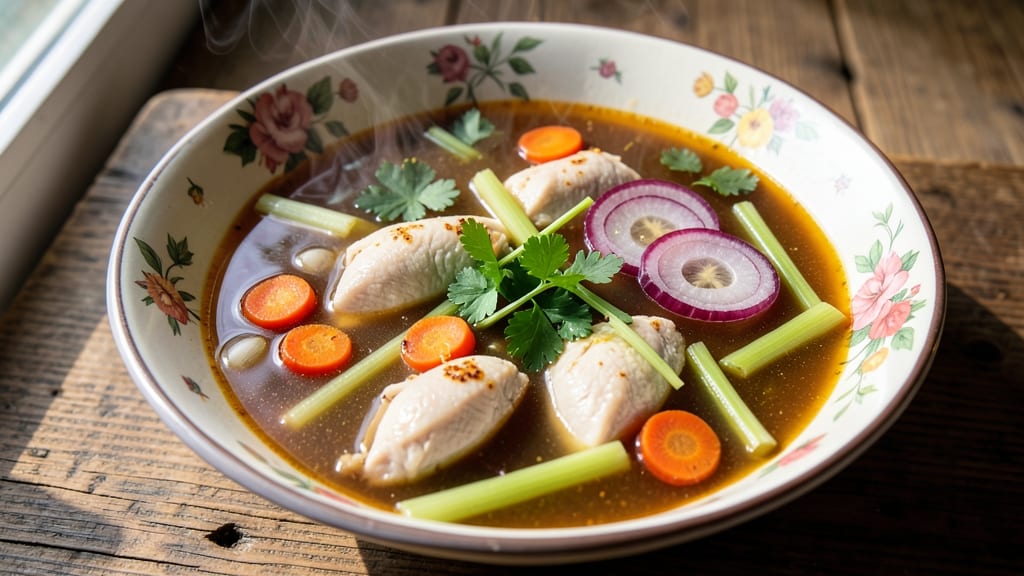
This homemade Jewish chicken soup recipe delivers the soul-warming comfort of a classic Shabbat tradition, where tender chicken, hearty vegetables, and fluffy matzo balls create a symphony of flavors. The secret lies in slow-simmered broth that infuses every ingredient with rich, aromatic depth—something store-bought versions simply can't replicate.
I've perfected this recipe over years of family gatherings, ensuring the matzo balls stay light as air while the broth remains deeply flavorful.
The beauty of this recipe is its versatility—whether you're preparing it for a traditional Shabbat meal, a holiday gathering, or a cozy weeknight dinner, the process remains the same.
The chicken breaks down into tender pieces, the carrots and celery sweeten naturally in the broth, and the matzo balls achieve that signature pillowy texture. What makes this version truly special is the balance of technique and simplicity, ensuring restaurant-quality results without complicated steps.
By the time you serve this soup, your kitchen will smell like childhood memories—warm, inviting, and impossible to resist. The matzo balls float effortlessly in the golden broth, while the vegetables and chicken create a harmonious blend of textures and flavors.
This isn't just soup; it's a tradition you'll want to recreate time and time again, especially when the weather turns chilly.
Ready to bring this comforting classic to your table? The recipe includes both traditional matzo balls and a gluten-free alternative, so everyone can enjoy the magic. Let's get started on creating a bowl of warmth that feels like home.
Ingredients for best homemade jewish chicken soup
Sixteen ingredients for a soup that tastes like home—where every spoonful carries tradition.
| Ingredient | Amount | Notes |
|---|---|---|
| Chicken (whole, 3-4 lbs) 🍗 | 3 ½ lb | Bone-in for richer broth |
| Carrots (large) 🥕 | 4 whole | Whole, peeled, cut into chunks |
| Celery Stalks 🧅 | 6 whole | Trimmed, cut into 2-inch pieces |
| Yellow Onions 🧅 | 3 whole | Peeled, quartered, root intact |
| Garlic Cloves 🧄 | 6 cloves | Peeled, smashed lightly |
| Fresh Parsley 🌿 | ¼ cup | Chopped, stems included |
| Bay Leaves 🌿 | 2 whole | Dried, standard size |
| Black Peppercorns 🌶️ | 1 tsp | Whole, lightly crushed |
| Salt 🧂 | 2 tsp | Kosher salt, plus more to taste |
| Matzo Meal 🍞 | 1 cup | Finely ground, not pre-mixed |
| Large Eggs 🥚 | 2 whole | Room temperature |
| Chicken Fat (or Olive Oil) 🫒 | ¼ cup | For matzo ball richness |
| Water 💧 | 1 ½ cups | For matzo ball binding |
| Fresh Dill (optional) 🌿 | 0.1 cup | Chopped, for extra flavor |
| Gluten-Free Matzo Meal (alternative) 🍞 | 1 cup | For gluten-free matzo balls |
The chicken is the heart of this soup—bone-in, skin-on pieces yield the richest broth. Trader Joe's or local kosher markets often carry whole chickens at a better price than grocery stores. Look for plump, firm pieces with good color—no grayish tinge. If you're using a whole chicken, roast it first at 425°F for 45 minutes to render fat, then remove meat and simmer. The carrots and celery should be fresh but not overly sweet—organic from the farmers market has the best flavor. Don't peel the carrots until after cooking; their skins add color and nutrients to the broth.
No fresh parsley? Dried works at one-third the amount, but fresh is ideal for that bright finish. The matzo meal is non-negotiable for authentic texture—Manischewitz is the gold standard, but any quality brand works. For gluten-free matzo balls, use a 1:1 gluten-free matzo meal blend (like Bob's Red Mill) and add 1 extra egg for binding. The chicken fat is crucial for tender matzo balls; if you don't have it, olive oil or duck fat works beautifully. For the broth, homemade chicken stock can be substituted, but it'll lack the depth of slow-simmered bones and vegetables.
Broth keeps 5 days in the fridge or 3 months frozen—portion into containers for easy reheating. Matzo balls are best made fresh, but you can shape and refrigerate them for 24 hours before cooking. Freeze matzo balls in broth for 1 month (they'll need a few extra minutes to cook). The soup tastes even better the next day as flavors meld. Store matzo meal in the freezer to prevent weevils, and keep eggs in the coldest part of your fridge for maximum freshness.
Why You'll Love This Recipe
- One-Pot Magic: That whole chicken? It’s basically self-basting. Toss it in with the carrots, celery, and onions, and by the time you’re chopping garlic, you’ve got a pot simmering with zero extra pans. Honestly, the hardest part is deciding whether to save the bones for broth next time.
- Garlic Bomb Depth: Between us—the minced garlic and onions caramelize into this rich, savory base that makes the broth taste like it’s been simmering for hours. That crispy edge on the chicken skin? Chef’s kiss. (Yes, even on a Tuesday night.)
- Leftovers That Beg: This soup actually tastes better the next day. I’ll be real: I’ve reheated portions for breakfast with matzo balls, tossed them into sandwiches, or just eaten it straight from the pot. The flavors meld into something even more comforting—like a warm hug in a bowl.
- Budget-Friendly Feast: A whole chicken and a handful of veggies stretch to feed six, and the bones? Gold for future broth. I’ve made this for sick friends, potlucks, or just because I wanted to splurge on a cheap, reliable meal that still feels special. No takeout needed.
Step-by-step instructions for perfectly flavorful Jewish chicken soup
Here's the method that transforms simple ingredients into soul-warming soup with tender chicken and pillowy matzo balls.
Prepare the Chicken and Vegetable Base
In a large stockpot, combine the 3.5 lb chicken (whole, 3-4 lbs) with the 4 whole carrots (large), cut into chunks, 6 whole celery stalks (trimmed, cut into 2-inch pieces), and 3 whole yellow onions (peeled, quartered). Add the 6 cloves garlic (peeled, smashed lightly), 2 whole bay leaves, 1 tsp black peppercorns, and 2 tsp salt. Cover with cold water by about 2 inches—this ensures the chicken stays submerged and prevents splattering.
Bring to a boil over high heat, then immediately reduce to a gentle simmer. Skim off any foam that rises to the surface during the first 10 minutes—this removes impurities for a clearer broth. Let the soup simmer uncovered for 45 minutes, stirring occasionally. This initial cooking time extracts deep flavor from the bones and vegetables while keeping the chicken tender.
Make the Matzo Ball Mixture
In a medium bowl, whisk together the 1 cup matzo meal (or 1 cup gluten-free matzo meal for the alternative) with the 2 whole large eggs (room temperature) and 1.5 cups water. Add the 0.25 cup chicken fat (or olive oil) and mix until smooth. The batter should be thick but pourable—if it's too stiff, add 1 tablespoon water at a time until it reaches the right consistency. Fold in the 0.25 cup fresh parsley (chopped) and 0.1 cup fresh dill (optional) if using.
Let the mixture rest for 10 minutes while the soup continues to cook. This resting period allows the matzo meal to absorb the liquid, creating a lighter, fluffier texture. The mixture should hold its shape when dropped into water but still be soft enough to form smooth balls. If using gluten-free matzo meal, be extra gentle when mixing to avoid developing gluten.
Cook the Chicken Until Tender
After the initial 45 minutes of simmering, remove the chicken from the pot and set it aside to cool slightly. Strain the broth through a fine-mesh sieve into a clean pot, pressing on the vegetables to extract maximum flavor. Return the strained broth to the pot and bring it back to a gentle simmer over medium heat.
Discard the vegetable pieces and bay leaves, but save the chicken for later. Shred the chicken using two forks, removing any bones or skin. The broth should now be rich and fragrant—you'll notice a deep, golden color and the aroma of caramelized vegetables. If the broth isn't flavorful enough, you can simmer it uncovered for an additional 15-20 minutes to concentrate the taste.
Shape and Poach the Matzo Balls
Using a tablespoon or melon baller, scoop the matzo ball mixture into 1-inch balls, placing them on a plate. Wet your hands with water to prevent sticking—this helps create smooth, round balls that hold their shape. Drop the matzo balls gently into the simmering broth, spacing them about 1 inch apart to allow room for expansion.
Simmer the matzo balls uncovered for 20-25 minutes, stirring gently once or twice to prevent them from sticking to the bottom. They're done when they float to the surface and develop a golden-brown crust. Here's the thing—don't overcrowd the pot. If you're making a large batch, poach them in two batches to ensure even cooking. The broth should remain at a gentle simmer throughout this process.
Finish and Serve the Soup
Return the shredded chicken to the pot and stir gently to combine with the matzo balls and broth. Taste and adjust the seasoning with additional salt or pepper if needed. The soup should be rich and flavorful, with a balance of savory chicken, tender vegetables, and pillowy matzo balls. Let the soup sit off the heat for 5 minutes before serving—this allows the flavors to meld and the matzo balls to absorb a bit more of the delicious broth.
Serve the soup hot, with each bowl containing 1-2 matzo balls and a generous ladle of broth and chicken. The matzo balls should be light and fluffy inside with a slightly crisp exterior, while the chicken remains tender and juicy. This is the moment that matters: the first spoonful should deliver a symphony of flavors that warm both body and soul.
Pro Tips For Making Best Homemade Jewish Chicken Soup
- Brown the Chicken First: Skip the slow start—sear the whole chicken in a cold pot over medium-high heat until the skin turns golden. This locks in flavor and prevents bland broth, especially with cheaper cuts. (Yes, it’ll take 10-15 minutes, but it’s worth it.)
- Mince, Don’t Chop, the Aromatics: For the onions, celery, and carrots (the shoyrut base), pulse them in a food processor until finely minced—not diced. This dissolves them into the broth instead of leaving chunks, giving you that deep, silky texture. (I used to chop by hand and wondered why my soup tasted "off.")
- Simmer, Don’t Boil: Once everything’s in the pot, keep the heat low enough that tiny bubbles just break the surface—no rolling boil. High heat makes the broth cloudy and pulls the chicken dry. (Your soup’s clarity and richness depend on this.)
- Save the Chicken Fat: After removing the chicken, let the pot cool slightly, then skim off the solidified fat from the top. Render it in a pan until golden and stir it back into the finished soup. That extra fat makes the broth taste richer without adding oil. (It’s the upgrade no one talks about.)
Health benefits of this dish
Immune System Support
This soup is a powerhouse for immune health, thanks to its chicken, carrots, and celery combination. Chicken provides high-quality protein (about 40 grams per serving) that supports immune cell function, while carrots and celery deliver vitamin A and antioxidants that strengthen your body's defenses.
The garlic in this recipe contains allicin, a compound known for its antiviral and antibacterial properties. 💪
Digestive Comfort
The warm broth and tender vegetables make this soup incredibly gentle on digestion. The carrots and celery are rich in fiber and soluble pectin, which help soothe stomach lining and promote gut motility.
The matzo balls, when made with traditional matzo meal, provide easily digestible carbohydrates that offer quick energy without heaviness. This makes it an excellent choice for anyone with mild digestive discomfort or recovering from illness.
Protein for Recovery
With 35-40 grams of protein per serving, this soup is perfect for muscle repair and recovery. The chicken provides all nine essential amino acids your body needs to rebuild tissues, making it ideal after workouts or when you're feeling under the weather.
The eggs in the matzo balls add extra protein, while the chicken fat contributes healthy fats that support cell regeneration. I've found this soup to be a game-changer for my post-illness recovery—it's like nourishment in a bowl. 🍲
Bone Health Boosters
The chicken bones used in the broth create a natural source of calcium, phosphorus, and collagen, all essential for strong bones and joints. The onions add quercetin, a compound that may help reduce inflammation in the body.
Regular consumption of bone broth (like this soup's base) has been linked to improved joint health and reduced bone loss. For extra benefits, I like to add a pinch of turmeric to my soup—it contains curcumin, which further supports joint health.
Low-Calorie Comfort
Despite its rich flavors, this soup is surprisingly low in calories—about 250-300 calories per serving—making it a guilt-free comfort food. The matzo balls add minimal calories while providing satisfying texture, and the vegetable-packed broth delivers nutrients without excess fat.
This balance makes it perfect for those watching their weight but still craving hearty, warming meals. The secret is in the slow cooking process, which extracts maximum flavor without adding unnecessary calories. ✨
Traditional Healing Properties
Jewish chicken soup has been used for centuries as a home remedy for colds and flu. The warmth of the soup helps open nasal passages, while the steam from the broth can be soothing for congestion.
The parsley in the matzo balls adds chlorophyll, which may help detoxify the body. Many cultures have their own variations of healing soups, but this one stands out for its perfect balance of protein, vegetables, and aromatic spices that work together to support overall wellness.
It's truly a bowl of comfort with real health benefits. 💛
Nutrition facts
Frequently asked questions
Can I make this soup without matzo balls?
While matzo balls are traditional, you can easily adapt this recipe. Try adding egg dumplings (like Italian gnocchi) or rice balls for a different texture. For a heartier option, stir in cooked barley or quinoa instead. The broth and chicken will still be the star—just omit the matzo ball section entirely and adjust cooking times accordingly.
How do I make the matzo balls gluten-free?
Use a 1:1 gluten-free matzo meal blend (like Bob's Red Mill) and add 1 extra egg for better binding. The mixture will be slightly stickier, so wet your hands well when shaping. Cook the balls for 2-3 extra minutes to ensure they're fully set. The flavor stays authentic, just with a lighter texture.
Can I prepare this soup ahead of time?
Yes! The broth and shredded chicken keep for 5 days in the fridge or 3 months frozen. Make matzo balls fresh (they're best same-day), but you can shape them ahead and refrigerate for 24 hours before cooking. For a complete make-ahead meal, freeze matzo balls in broth—they'll need 5 extra minutes to cook when reheated. Reheat gently on low heat to maintain texture.
Why does my chicken soup taste bland?
Most likely, the broth didn't simmer long enough. For maximum flavor, cook the chicken and vegetables for 1.5-2 hours uncovered to concentrate the taste. Skim foam in the first 10 minutes and add 1 tsp more salt or a pinch of MSG (if you like umami). A splash of lemon juice or white wine at the end can brighten flavors too.
Can I use chicken thighs instead of breasts?
Thighs are perfect—they're more flavorful and stay tender longer. Use bone-in, skin-on thighs for richer broth, and increase cooking time by 15-20 minutes to ensure they're fully cooked (165°F internal temp). The skin adds fat that makes the broth richer, and the meat stays juicier than breasts. Just remove any large skin pieces before shredding.