
Soups & Stews
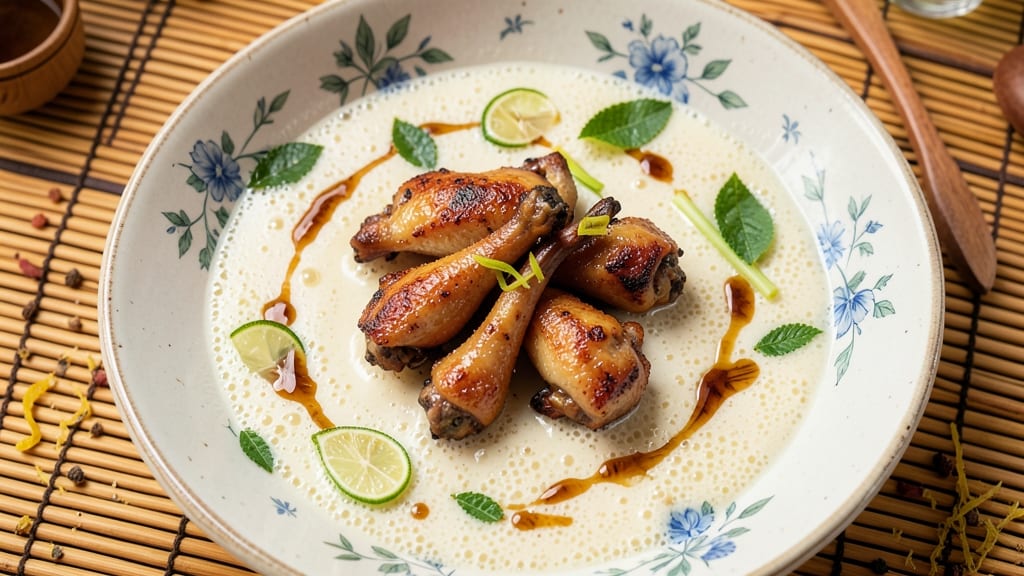
This frog soup recipe brings the vibrant flavors of Southeast Asia to your kitchen with a fragrant blend of lemongrass and coconut. 🌿 The dish balances earthy frog meat with bright citrus and aromatic herbs, creating a harmony that's both comforting and complex.
Traditional recipes often use wild frogs, but modern adaptations work with chicken or tofu for a vegetarian twist—all while keeping the signature flavors intact.
The secret to this soup lies in the broth, where lemongrass, galangal, and kaffir lime leaves infuse the liquid with layers of aroma. A touch of coconut milk adds creaminess, while fish sauce and lime juice deliver that signature tangy depth.
The result is a soup that's rich yet refreshing, with each spoonful offering a balance of textures and flavors that linger.
What makes this recipe special is its versatility—serve it as a light lunch with steamed rice or as a hearty dinner with crusty bread.
The broth can be made ahead, allowing the flavors to deepen over time, while the garnish of fresh herbs and chili adds a pop of color and freshness. Whether you're cooking for a crowd or treating yourself to a taste of tradition, this soup delivers satisfaction with every bite.
For those new to frog meat, this recipe includes preparation tips to ensure tender, flavorful pieces that hold up to simmering. Safety notes cover proper handling, and vegetarian alternatives are clearly outlined.
The dish is as much about technique as it is about taste, making it a rewarding project for home cooks eager to explore bold flavors.
Ingredients for frog soup
Earthy frog meat meets fragrant lemongrass and coconut for a Southeast Asian-inspired soup bursting with balanced flavors.
| Ingredient | Amount | Notes |
|---|---|---|
| Fresh Frogs 🐸 | 1 ½ lb | Legs only, cleaned and deboned |
| Lemongrass Stalk 🌿 | 3 whole | Bruised and cut into 2-inch pieces |
| Galangal 🍃 | 1 piece | Peeled and sliced thinly |
| Kaffir Lime Leaves 🍋 | 4 whole | Torn in half |
| Coconut Milk 🥥 | 13 ½ oz | Full-fat canned variety |
| Fish Sauce 🍶 | 2 tbsp | Red Boat brand preferred |
| Lime Juice 🍋 | ¼ cup | Freshly squeezed |
| Chicken or Tofu 🍗 | 1 ½ lb | For vegetarian adaptation |
| Garlic Cloves 🧄 | 6 cloves | Minced |
| Shallots 🧅 | 2 whole | Thinly sliced |
| Thai Chili 🌶️ | 4 whole | Sliced thinly |
| Cilantro Leaves 🌿 | ¼ cup | Chopped for garnish |
| Mint Leaves 🌿 | ¼ cup | Chopped for garnish |
| Salt 🧂 | 1 tsp | Kosher or sea salt |
| White Peppercorns 🌶️ | ½ tsp | Ground |
The frog legs are the star, so source them carefully. Asian markets or specialty seafood shops carry them fresh or frozen—look for plump, firm legs with no fishy odor. If using tofu or chicken as a substitute, cut into similar-sized pieces to mimic the texture. Lemongrass and galangal are non-negotiable for that authentic aroma; Thai Kitchen or local Asian grocers stock both. For galangal, pick firm, pale rhizomes—they should smell citrusy, not musty. Kaffir lime leaves can be found in the international aisle of most supermarkets or frozen in the produce section.
No frog legs? Chicken thighs or extra-firm tofu work beautifully—just marinate them in lime juice and fish sauce for 30 minutes first. Swap coconut milk for light coconut cream if you prefer a richer texture, but stick with full-fat for traditional depth. Fish sauce is essential for umami; Red Boat or Three Crabs brands deliver consistent quality. Fresh herbs like cilantro and mint are best, but dried will work in a pinch at half the amount. The Thai chilies can be adjusted to taste—remove seeds for less heat. For galangal, if unavailable, ginger at half the quantity gives a similar kick.
Prep the broth ingredients first—they can steep in hot water for up to 30 minutes before adding the meat. Store broth components in an airtight container in the fridge for 3 days or freeze for 3 months. Fresh herbs keep best wrapped in damp paper towels for 5 days. The cooked soup reheats beautifully—simmer gently for 5-10 minutes to restore its rich aroma. Garnish with fresh herbs and chili just before serving to keep them vibrant.
Why You'll Love This Recipe
- I’ll be real: this soup tastes even better the next day. The flavors meld into something deeper, and the frogs stay tender. Pack it for lunch or reheat for dinner—it’s my go-to for lazy days when I don’t want to cook twice.
- One-Pot Magic: Honestly, this soup is that easy—just sear the frogs, toss in the lemongrass and galangal, then let it simmer. No chopping mountains of veggies, no last-minute ingredient scrambles. The hardest part is deciding whether to use the whole stalk of lemongrass or just half.
- Creamy-Zing Balance: Between us, the coconut milk makes this soup dangerously smooth, but the kaffir lime leaves and galangal punch it with a citrusy, peppery kick. It’s like a hug for your taste buds—rich without being heavy, bright without being tart.
- Leftovers That Beg for More: I’ll be real: this soup tastes even better the next day. The flavors meld into something deeper, and the frogs stay tender. Pack it for lunch or reheat for dinner—it’s my go-to for lazy days when I don’t want to cook twice.
Step-by-step instructions for frog soup with lemongrass-coconut harmony
Here's how to craft this aromatic Thai-inspired soup with perfect balance and depth.
🍳 Step 1: Build the Aromatic Base
Heat a large pot over medium-high heat and add the 1 piece galangal and 3 whole lemongrass stalks (cut into 2-inch pieces). Sauté for 3-4 minutes until fragrant—you'll smell that distinctive citrusy, peppery aroma that's the soul of this dish.
Add the 2 whole shallots and 6 cloves garlic (minced), cooking for another 2 minutes until softened but not browned. This step develops the flavor foundation. If the shallots start to color too quickly, reduce heat slightly. The base should smell like a Thai marketplace when ready.
🍳 Step 2: Prepare the Protein
Add the 1.5 lb fresh frogs (or 1.5 lb chicken or tofu for adaptation) to the pot. If using tofu, press it first to remove excess water. Cook for 5-6 minutes until the frogs turn opaque or the chicken browns slightly.
Here's the thing—don't overcook the protein. You want it just tenderized, not fully cooked through. The soup will finish cooking in the broth. If using chicken, it should reach 160°F when done. For tofu, it should be heated through but still hold its shape.
🥘 Step 3: Create the Signature Broth
Pour in the 13.5 oz coconut milk and add the 4 whole kaffir lime leaves (torn in half) and 4 whole Thai chili (sliced). Bring to a gentle simmer, then reduce heat to low. Let it cook for 10 minutes while you prepare the finishing touches.
The coconut milk should infuse with the spices, creating a creamy, aromatic base. You'll see the kaffir lime leaves release their citrusy oils and the chilies mellow into the broth. This is where the soup's complexity develops—don't rush this step.
🍳 Step 4: Finish with Bright Flavors
Add the 2 tbsp fish sauce, 0.25 cup lime juice, 1 tsp salt, and 0.5 tsp white peppercorns (ground). Stir well and simmer for another 5 minutes. Taste and adjust seasoning—you want a balance of salty, sour, and spicy with that coconut creaminess.
Here's where it gets fun—toss in the 0.25 cup cilantro leaves and 0.25 cup mint leaves (chopped) just before serving. These herbs add freshness that cuts through the richness. The soup should be vibrant, aromatic, and perfectly balanced.
🍽️ Step 5: Serve Immediately
Ladle the soup into bowls and serve hot. Garnish with additional cilantro and mint if desired. The texture should be rich from the coconut milk, with tender protein and bright, aromatic broth. Each spoonful should deliver that perfect harmony of Thai flavors.
Real talk: this soup tastes even better the next day as flavors meld further. If you have leftovers, store them in the fridge for up to 3 days. Reheat gently on the stove, adding a splash of water if needed to restore the creamy texture.
Pro Tips For Making Frog Soup
- Blanch Frogs First: Drop the cleaned frogs into boiling water for 30 seconds before searing—this removes blood and tightens the meat so it stays tender, not rubbery. I learned this the hard way after serving a batch that turned out chewy; trust me, the extra minute saves the dish.
- Slice Galangal Thin: Use a sharp knife and cut galangal into paper-thin slices (almost translucent) so it infuses flavor without overpowering. Thick chunks just sit there like dull gray rocks—no one wants that in their soup.
- Simmer, Don’t Boil: Keep the coconut milk and broth at a gentle simmer (tiny bubbles, not rolling) after adding the frogs, or the coconut milk will split and curdle. I’ve ruined three batches by ignoring this—low and slow is the only way.
- Toast Kaffir Leaves: Lightly char the kaffir lime leaves in a dry pan for 10 seconds before adding them to the broth—this deepens their aroma and releases oils that make the soup smell like a Thai street vendor’s dream. (Yes, even if you’re impatient like me.)
Essential equipment for perfect results
Must-Have Pot
Start with a heavy-bottomed Dutch oven like the All-Clad Stainless Steel Dutch Oven—it distributes heat evenly and prevents scorching when building the aromatic base. The deep sides help prevent splattering from coconut milk and broth.
If you don’t have one, a 5-6 quart stainless steel stockpot works too. Just avoid non-stick—it can’t handle the high heat needed for proper browning. 🔥
Precision Tools
Invest in a microplane for galangal and ginger (if substituting) to release maximum flavor. I love the Microplane Classic Zester—it’s affordable and does the job perfectly. For mincing garlic and shallots, a garlic press or sharp chef’s knife with a mandoline for even slices speeds up prep.
Don’t skip the fine-mesh strainer if you want to remove lime leaves and chilies before serving.
Temperature Control
A digital thermometer like the Thermoworks Sous Vide Thermometer ensures your broth stays at the ideal gentle simmer (185–195°F) for even cooking. This prevents curdling the coconut milk or overcooking the protein.
If you’re using frog legs, a meat thermometer helps track doneness—aim for 160°F internal temperature. For tofu, it’s all about visual cues: firm but not rubbery.
Herb Prep Kit
Keep a small cutting board dedicated to herbs—it’s easier to clean and prevents cross-contamination. A sharp pair of kitchen shears makes quick work of cilantro and mint stems. For kaffir lime leaves, a rolling pin (lightly tapped) helps release their oils without tearing them.
Store fresh herbs in airtight containers with a damp paper towel to keep them vibrant for garnishing.
Coconut Milk Hack
Use full-fat canned coconut milk (like Thai Kitchen brand) for the richest texture. Shake the can well before opening—oils separate, and you want that creamy consistency. If you prefer lighter coconut milk, blend 1 cup coconut cream with ½ cup water for a balanced alternative.
A whisk helps emulsify the coconut milk smoothly into the broth if it separates during cooking.
Garnish Essentials
Fresh herbs are non-negotiable for that restaurant-quality finish. A small bowl of ice water helps keep chopped cilantro and mint crisp while you cook. For chili, keep whole Thai chilies on hand—slice them thinly just before serving to preserve their heat.
A slotted spoon makes it easy to remove garnishes from the pot without overcrowding. 🌿
Nutrition facts
Frequently asked questions
Can I substitute frog legs with another protein?
For a vegetarian version, use extra-firm tofu pressed and cubed, or chicken thighs for a meat alternative. Marinate the substitute in lime juice and fish sauce for 30 minutes before cooking to mimic frog's natural flavor. The texture will differ slightly, but the aromatic broth remains the star.
How do I find fresh frog legs if they're not available?
Check Asian markets or specialty seafood shops—they often carry frog legs fresh or frozen. If unavailable, chicken thighs or tofu work perfectly. For a frog-like texture, look for duck legs or frog-free 'frog leg' tofu sold in health food stores. Always prioritize freshness and proper handling for food safety.
Can I make this soup ahead of time?
Yes! The broth can be made 1 day ahead and stored in the fridge. Reheat gently on low heat, adding a splash of water if needed to restore creaminess. The flavors actually deepen overnight. For the best texture, add fresh herbs and garnishes just before serving to keep them vibrant.
What if I can't find galangal or kaffir lime leaves?
Galangal can be substituted with ginger at half the quantity—it won't be identical, but it adds warmth. For kaffir lime leaves, use lime zest and a few lime leaves (if available) or bay leaves as a mild alternative. The dish will still be flavorful, just with slightly different aromatic notes.
How spicy should this soup be?
The recipe includes 4 Thai chilies for mild heat—adjust to taste! Remove seeds for less spice or add more slices for extra kick. For heat control, serve with extra chili slices on the side so everyone can customize. The coconut milk balances the heat beautifully, making this soup approachable for all spice levels.