
Soups & Stews
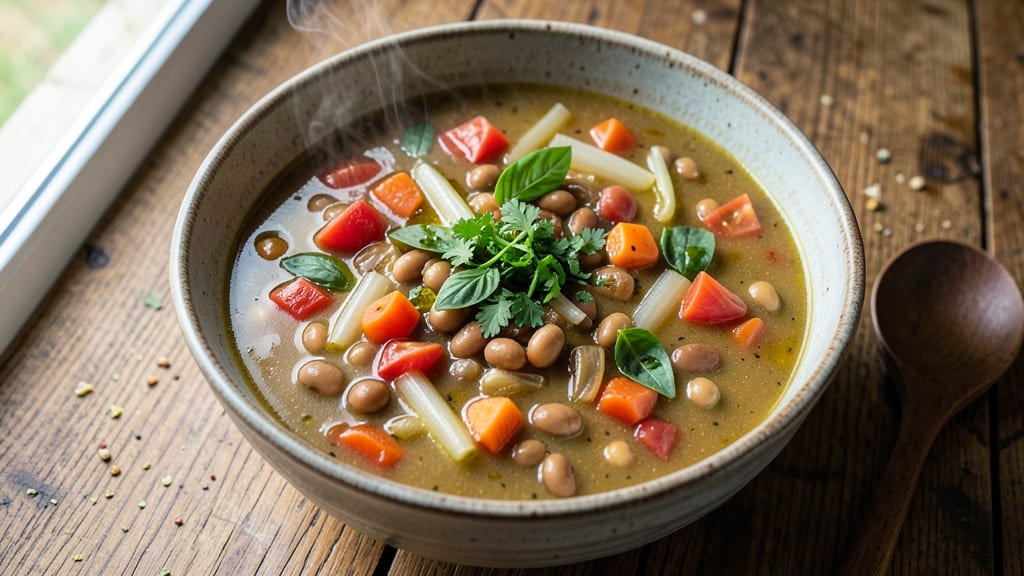
This 5-star minestrone soup recipe brings the hearty, comforting flavors of Italian nonna cooking to your kitchen in one simple pot. The secret lies in slow-simmered beans, tender vegetables, and al dente pasta—all melded into a rich, aromatic broth that tastes like home.
I developed this version after years of perfecting the balance between rustic tradition and modern convenience, ensuring every spoonful delivers restaurant-quality depth without the fuss.
The foundation begins with a flavorful base of cannellini beans, diced tomatoes, and aromatic vegetables like carrots, celery, and onions—all sautéed until deeply caramelized before adding broth.
A touch of tomato paste and Italian herbs (oregano, basil, thyme) builds layers of savory complexity, while small pasta shapes like ditalini or acini di pepe cook directly in the soup for perfect texture. The result?
A hearty, satisfying bowl that’s packed with protein, fiber, and the kind of bold flavors that turn ordinary weeknights into special meals.
What sets this recipe apart is the attention to detail that elevates it beyond basic minestrone. The beans remain tender yet firm, the vegetables stay vibrant, and the pasta achieves that ideal al dente bite—all while the broth reduces to a velvety consistency.
A final garnish of grated Parmesan and fresh basil adds brightness and a touch of elegance, transforming a humble soup into something worthy of a five-star rating. The best part? It’s a one-pot wonder, making cleanup as effortless as the cooking process.
Perfect for chilly evenings, potlucks, or meal prep, this minestrone keeps well for up to five days in the refrigerator, with flavors deepening over time.
Whether you’re feeding a family or treating yourself to a comforting solo meal, this recipe delivers the kind of warmth and satisfaction that only grandma-style cooking can provide. Let’s get started on creating your own five-star masterpiece.
Ingredients for 5 star minestrone soup
Italian pantry staples and fresh produce—this is where nonna magic happens in one pot.
| Ingredient | Amount | Notes |
|---|---|---|
| Dried Cannellini Beans 🌱 | 1 ½ cups | Unsoaked, or 1 can (15 oz) drained |
| Diced Tomatoes 🍅 | 2 cups | San Marzano preferred, no salt added |
| Yellow Onion 🧅 | 1 whole | Medium size, finely diced |
| Carrots 🥕 | 3 medium | Peeled, diced into 1/4-inch pieces |
| Celery Stalk 🧄 | 3 whole | Trimmed, diced into 1/4-inch pieces |
| Garlic Cloves 🧄 | 4 cloves | Fresh, minced for depth of flavor |
| Tomato Paste 🍅 | 2 tbsp | High-quality, no sugar added |
| Vegetable Broth 💧 | 6 cups | Low-sodium preferred, homemade if possible |
| Ditalini Pasta 🍝 | 1 ½ cups | Uncooked, or 6 oz dried weight |
| Fresh Spinach 🌿 | 4 cups | Baby spinach, roughly chopped |
| Zucchini 🥒 | 2 medium | Peeled, diced into 1/4-inch pieces |
| Dried Oregano 🌿 | 1 tsp | Italian preferred, freshly ground |
| Fresh Basil Leaves 🌿 | ¼ cup | Chopped, for final garnish |
| Fresh Thyme Leaves 🌿 | 1 tsp | Or 1/4 tsp dried thyme |
| Grated Parmesan Cheese 🧀 | ½ cup | Freshly grated from block |
| Extra-Virgin Olive Oil 🫒 | 2 tbsp | High-quality, fruity variety |
| Salt 🧂 | 1 ½ tsp | Diamond Crystal kosher salt |
| Black Pepper 🌶️ | ½ tsp | Freshly cracked black pepper |
The beans are the heart of this minestrone. Cannellini beans hold their shape beautifully, but great northerns or kidney beans work too if that's what you have. For the best flavor, use dried beans—soak overnight or use the quick-soak method (boil for 2 minutes, then let sit for an hour). Trader Joe's carries excellent dried beans in bulk, and Whole Foods has organic options if you're feeling fancy. The San Marzano tomatoes are non-negotiable for that authentic sweetness—look for the flat cans with no salt added in the Italian section. If you can't find them, any high-quality diced tomatoes will do, but your soup won't have that same depth of flavor.
No fresh basil? Dried basil at half the amount works in a pinch, though fresh is ideal for that bright finish. The zucchini and spinach can be swapped—try kale or Swiss chard if you prefer. For the pasta, acini di pepe or small shells are traditional, but any small shape works. The vegetable broth is where you can really elevate this dish—homemade is best, but even a good-quality low-sodium store-bought brand will work. If you're making this ahead, the pasta can be cooked separately and added just before serving to keep it al dente. The Parmesan should be real Parmigiano-Reggiano—none of that pre-shredded stuff that tastes like sawdust.
This soup tastes even better the next day as the flavors meld together. Store in an airtight container in the fridge for up to 5 days, or freeze for 3 months in portion-sized containers. The pasta stays firm when reheated, but if you prefer softer noodles, add a splash of broth when warming. For meal prep, I like to make a double batch—one for dinner and one to freeze for lazy weeknights. The extra broth freezes beautifully too, perfect for future soups or risottos. Garnish with fresh basil and a sprinkle of Parmesan right before serving to keep everything vibrant.
Why You'll Love This Recipe
- No-Soak Beans, No Stress: Honestly, I just toss in dried cannellini beans the night before—no fancy soaking, no waiting. They soften perfectly in the simmer, and that earthy richness? It’s the backbone of the whole thing.
- Umami Bomb Combo: Between the diced tomatoes (juicy, not mushy) and the carrot-celery-onion trio, this soup sings. The onions caramelize just enough, and the celery adds that fresh crunch—like a hug in a bowl.
- Leftover Goldmine: I make a big batch on Sundays, and it’s still better the next day. The flavors meld like old friends, and it reheats in minutes. Freezer-friendly too—just add water when you thaw.
- Budget Dinner Hero: Cannellini beans and seasonal veggies stretch into six servings for pennies. It’s the kind of meal that makes grocery day feel like a win, and my wallet thanks me every time.
Step-by-step instructions for Italian grandma-style minestrone
This is the method my nonna swore by—rich, hearty, and bursting with Italian flavors in one pot.
Sauté the Vegetable Base for Maximum Flavor
Heat the 2 tablespoons extra-virgin olive oil in a large Dutch oven over medium heat. Add the 1 whole yellow onion, 3 medium carrots, and 3 whole celery stalks, all diced into ¼-inch pieces. Cook for 8-10 minutes, stirring occasionally, until the vegetables soften and the onion becomes translucent.
Here's the thing—don't rush this step. The vegetables need time to release their natural sugars and develop that sweet, caramelized depth. If you're using a heavy-bottomed pot, you won't need to add extra oil. The vegetables will render enough moisture on their own.
After 5 minutes, add the 4 cloves minced garlic and stir for 30 seconds until fragrant. You'll know it's ready when the kitchen fills with that irresistible garlic aroma. This is where the real flavor magic begins.
Build the Rich Tomato Foundation
Stir in the 2 tablespoons tomato paste and cook for 1-2 minutes, stirring constantly, until it darkens slightly and loses its raw taste. This step deepens the soup's color and intensifies the tomato flavor—don't skip it.
Add the 2 cups diced tomatoes (San Marzano if you have them) and cook for another 3-4 minutes until the tomatoes break down and the mixture thickens. Then pour in the 6 cups vegetable broth and bring everything to a gentle boil. Add the 1.5 teaspoons salt and 0.5 teaspoon black pepper now—this ensures even seasoning throughout the cooking process.
Here's a pro tip: If you're using dried beans, add them now along with 1 teaspoon dried oregano. If you're using canned beans, hold off until later to prevent them from becoming mushy. The beans will need time to soak up all that wonderful flavor.
Simmer the Vegetables and Pasta Together
Add the 2 medium zucchini, diced into ¼-inch pieces, and the 1 teaspoon fresh thyme leaves. Reduce heat to low and let the soup simmer gently for 20 minutes. This slow cooking allows all the flavors to meld beautifully while keeping the vegetables tender but still holding their shape.
After 20 minutes, add the 1.5 cups ditalini pasta and continue simmering for another 8-10 minutes until the pasta is al dente. The pasta should have just a slight bite to it—it'll finish cooking in the final resting phase. If you're using dried beans, they should be tender by now. If not, let them cook for another 5-10 minutes until they're fork-tender.
This is where the soup transforms from a simple vegetable broth to a rich, comforting masterpiece. The pasta absorbs all those beautiful flavors while the vegetables maintain their texture and sweetness.
Finish with Fresh Herbs and Spinach
In the final 5 minutes of cooking, stir in the 4 cups fresh spinach and 0.25 cup chopped fresh basil leaves. The spinach will wilt dramatically—this is normal and actually enhances the soup's texture. The basil adds that bright, fresh finish that makes this soup truly special.
Taste and adjust the seasoning if needed. Remember, the pasta will continue to absorb some liquid as it sits, so don't worry if the soup seems a bit thick now. It'll reach the perfect consistency as it rests.
Serve with Grandma's Signature Touch
Ladle the minestrone into bowls and top each serving with 0.5 cup freshly grated Parmesan cheese. I like to serve it immediately while the pasta is still al dente and the soup is steaming hot. The Parmesan adds a salty, umami richness that ties all the flavors together.
This soup tastes even better the next day as the flavors continue to develop. The pasta will soften slightly, and the broth will become even more flavorful. Leftovers keep well in the refrigerator for up to 4 days, making this an ideal make-ahead meal for busy weeks.
Pro Tips For Making 5 Star Minestrone Soup
- SOAK BEANS OVERNIGHT: Dried cannellini beans taste bland if rushed. Skip the quick-soak—just cover them in water the night before and let them sit. Your soup will thank you with deeper flavor and no gummy texture.
- CHOP VEGETABLES UNIFORM: Celery, carrots, and onions should all be cut to roughly the same size. I learned this the hard way—uneven pieces mean some veggies turn to mush while others stay crunchy. Aim for ¼-inch dice.
- SIMMER, DON’T BOIL: Minestrone needs gentle heat to meld flavors. Once everything’s in the pot, keep the broth at a low simmer—just small bubbles breaking the surface. Boiling burns the tomatoes and toughens the beans.
- ADD TOMATOES LATE: Diced tomatoes lose their brightness if cooked too long. Toss them in only 10 minutes before serving—this keeps their color vibrant and their flavor bright, not mushy. Trust me, it makes a difference.
Wine and beer pairings for these flavors
White Wine Pairings
For this rich, vegetable-forward minestrone, I reach for a crisp Italian white wine like Vermentino from Sardinia or Pinot Grigio from Alto Adige. The bright acidity cuts through the hearty broth while complementing the tomato and herb notes.
A glass of Soave Classico also works beautifully—its almond and pear undertones enhance the caramelized vegetables. Serve slightly chilled (50-55°F) to maintain freshness. 🍷
Red Wine Options
If you prefer red, opt for a light-bodied Chianti Classico or Sangiovese from Tuscany. The earthy cherry notes harmonize with the tomato base without overpowering the delicate herbs.
Look for a 2019-2021 vintage with moderate tannins—avoid bold Cabernets that would clash with the soup's brightness. Decant for 30 minutes to soften any remaining tannins. 🍇
Beer Pairings
A crisp Italian lager like Peroni or Birra Moretti cleanses the palate between bites, balancing the soup's richness. For craft beer lovers, a Belgian witbier (like Hoegaarden) adds a refreshing citrus contrast to the tomato and herbs.
Avoid heavy IPAs—their bitterness would compete with the dish's natural sweetness. Serve beer at 45-50°F for optimal flavor. 🍺
Non-Alcoholic Choices
For a refreshing non-alcoholic option, try a sparkling blood orange soda like San Pellegrino Aranciata or a ginger beer with a squeeze of lemon. The effervescence enhances the soup's heartiness, while the citrus brightens the tomato flavors.
For something herbal, hibiscus iced tea with a splash of honey adds a floral contrast that pairs surprisingly well. 🍋
Wine Service Tips
Serve wine in 10-12 oz glasses to allow proper aeration for reds. For whites, use 8-10 oz glasses filled only halfway to maintain ideal temperature. I like to chill whites in the fridge for 1-2 hours before serving, while reds benefit from 30 minutes in an ice bucket.
Always taste your wine before serving—adjust the glassware if needed to complement the soup's evolving flavors. 🥂
Nutrition facts
Frequently asked questions
Can I make this minestrone soup vegetarian?
This recipe is already vegetarian—no meat is used! The protein comes from cannellini beans and fresh spinach, while Parmesan cheese adds umami depth. For a vegan version, simply omit the Parmesan or use a dairy-free alternative like nutritional yeast.
How do I adjust the soup for a thicker or thinner consistency?
For a thicker soup, simmer uncovered for an extra 10-15 minutes to reduce the broth. Need it thinner? Stir in ½ cup extra broth or water and adjust seasoning afterward. The pasta will continue absorbing liquid as it cools, so taste before serving.
Can I use canned beans instead of dried?
Use 1 can (15 oz) drained cannellini beans instead of dried. Add them with the zucchini in Step 3, but don't overcook—they'll soften faster than dried beans. For extra flavor, rinse canned beans before adding.
What's the best pasta for this recipe?
Ditalini or acini di pepe are traditional, but any small pasta shape works—orzo, small shells, or even broken spaghetti. Avoid large shapes like penne, as they overpower the soup. Cook pasta directly in the soup for best flavor absorption.
Why did my beans turn mushy?
Overcooking is the most common cause. Dried beans need 45-60 minutes of simmering (from raw), while canned beans should only cook 5-10 minutes in the soup. For perfect texture, test one bean early—it should be tender but still hold its shape.