
Soups & Stews
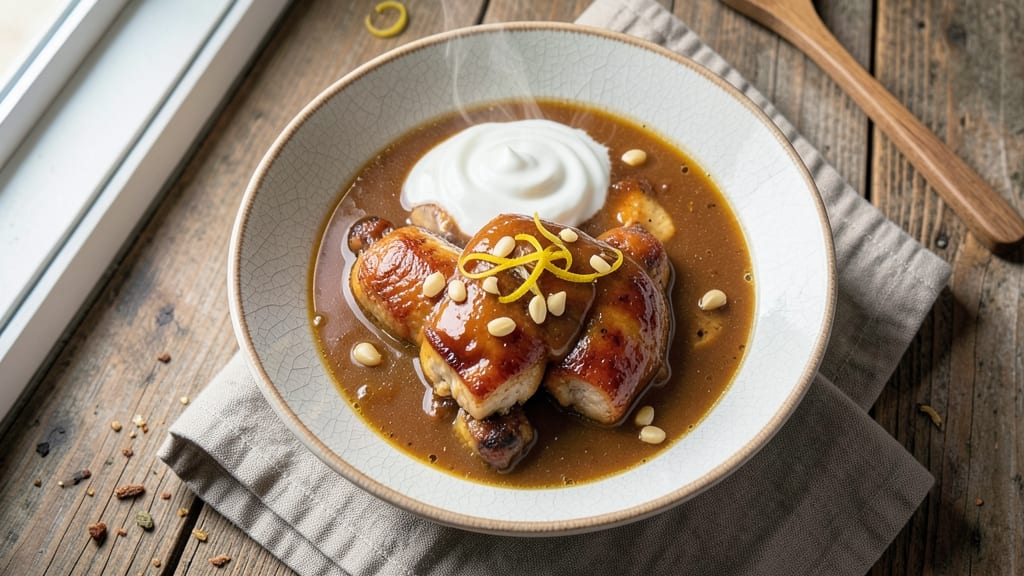
This adobo soup recipe brings the bold, tangy flavors of Filipino comfort food to your kitchen with a modern twist. The marriage of soy sauce, vinegar, and coconut milk creates a complex broth that tenderizes chicken while delivering layers of umami and brightness.
I developed this version after years of perfecting the balance between traditional techniques and home-cooking practicality—no shortcuts, just deeper flavor.
The beauty of adobo lies in its simplicity: a few pantry staples transform into a restaurant-quality soup. Chicken thighs (or pork) marinate in soy and vinegar, developing that signature tangy depth before simmering with garlic, ginger, and coconut milk.
The result is a broth so rich it coats every spoonful, with chicken that falls apart at the touch. This version keeps the soul of traditional adobo while making it approachable for weeknight dinners.
What makes this recipe special is how it adapts to your table—serve it with steamed rice to soak up every drop of that fragrant broth, or pair it with crusty bread for dipping.
The coconut milk adds a velvety richness that balances the sharpness of the vinegar, creating harmony in every bite. The aroma alone will have everyone gathered around the table before the first spoonful is served.
Perfect for feeding a crowd or meal prepping for the week, this adobo soup delivers on both tradition and convenience. The ingredients are simple, the technique is straightforward, and the results are undeniably satisfying. Let's get cooking!
Ingredients for adobo soup
Six core ingredients transform into restaurant-quality adobo soup with rich, tangy depth.
| Ingredient | Amount | Notes |
|---|---|---|
| Chicken Thighs 🍗 | 2 ½ lb | Bone-in, skin-on preferred |
| Soy Sauce 🍶 | ½ cup | High-quality, not reduced |
| White Vinegar 🍶 | ¼ cup | Distilled preferred |
| Coconut Milk 🥥 | 1 can | Full-fat, 13.5 oz can |
| Garlic Cloves 🧄 | 8 cloves | Minced, fresh preferred |
| Fresh Ginger 🌿 | 2 tbsp | Grated, peeled |
| Green Onions 🧅 | 2 whole | Sliced, white and green parts |
| Bay Leaves 🌿 | 2 whole | Dried, crumbled |
| Long-Grain White Rice 🍚 | 2 cups | Uncooked, for serving |
| Olive Oil 🫒 | 2 tbsp | Extra-virgin for richness |
| Salt 🧂 | 1 ½ tsp | Kosher or sea salt |
| Black Pepper 🌶️ | ½ tsp | Freshly ground |
| Sugar 🍚 | 1 tbsp | White granulated |
The chicken thighs are non-negotiable—bone-in, skin-on delivers the most flavor. Trader Joe's or Costco usually have them pre-cut for convenience, but if buying whole, look for pieces with good marbling. The soy sauce should be high-quality, like Kikkoman or Lee Kum Kee, not the reduced variety. White vinegar is your secret weapon here—distilled is the most reliable for consistent acidity. For the coconut milk, full-fat is essential—it creates that velvety texture that balances the tang. If you can't find full-fat, use half-and-half coconut milk but add an extra tablespoon of coconut cream to compensate.
No soy sauce? Coconut aminos work in a pinch, though the flavor will be slightly different. Short on vinegar? Lime juice or apple cider vinegar both work, but adjust to taste—the acidity is what tenderizes the chicken. Fresh ginger is ideal, but ground ginger at half the amount will do. The sugar isn't about sweetness—it rounds out the acidity and helps caramelize the garlic. For the garlic, peeling ahead saves time, but don't mince it until you're ready to cook. The bay leaves might seem minor, but they add that subtle earthiness that makes the broth sing—don't skip them.
This soup tastes even better the next day as flavors meld. Store in an airtight container in the fridge for up to 5 days, or freeze portions for 3 months. The rice cooks best fresh, but you can prep it ahead and reheat it in the broth. For meal prep, I make a double batch—one for dinner and one for lunches. The broth reduces slightly when refrigerated, so add a splash of water or coconut milk when reheating. The aroma alone will have everyone at the table before it's ready.
Why You'll Love This Recipe
- One-Pot Magic: I swear by this—just dump everything in one pot, simmer, and forget about it. The chicken thighs stay juicy while the vinegar and soy sauce work their tangy, savory magic without any fuss.
- Umami Bomb: That combo of soy sauce and vinegar? It’s like a flavor explosion in your mouth. The garlic cloves deepen it all, and the coconut milk rounds out the richness—simple ingredients, but ridiculously satisfying.
- Lunchbox Hero: Between us, this reheats like a dream. Pack it for work or school, and it’s still hearty and delicious hours later. (Yes, even on a Tuesday night when you’re too tired to think.)
- Budget-Friendly Feast: Chicken thighs are cheap, and the rest of the ingredients? Pantry staples. I’ve fed four people for under $15, and they all asked for seconds. That’s a win in my book.
Step-by-step instructions for adobo soup
Here's how to create a rich, aromatic adobo soup with tender chicken and creamy coconut depth.
🍳 Step 1: Sear the Chicken Thighs for Depth
Heat a large Dutch oven over medium-high heat and add the 2 tablespoons olive oil. Once shimmering, add the 2.5 lb chicken thighs skin-side down. Let them sear undisturbed for 5-6 minutes until the skin turns a deep golden brown and crispy.
Flip the chicken and sear the other side for another 4-5 minutes. The skin should release easily from the pan when ready. Remove the chicken and set aside on a plate, leaving all the rendered fat in the pot. This step builds the rich, caramelized foundation for your soup.
👨🍳 Step 2: Build the Flavor Base
In the same Dutch oven, reduce heat to medium and add the 8 cloves minced garlic and 2 tablespoons grated fresh ginger. Sauté for 1-2 minutes until fragrant and golden, being careful not to burn them. Add the 2 whole bay leaves and stir for another 30 seconds.
Pour in the 0.5 cup soy sauce and 0.25 cup white vinegar, scraping up any browned bits from the bottom of the pot. These bits contain concentrated flavor that will dissolve into your soup. Let the mixture simmer for 2 minutes until slightly reduced and the aromas intensify.
🍳 Step 3: Simmer the Chicken and Season
Return the seared chicken thighs to the pot, skin-side up. Add 4 cups water (enough to cover the chicken), 1.5 teaspoons salt, 0.5 teaspoon black pepper, and 1 tablespoon sugar. The sugar helps balance the acidity from the vinegar while adding subtle sweetness.
Bring the mixture to a boil, then reduce heat to low and cover partially. Simmer for 30-35 minutes until the chicken is fork-tender and easily pulls away from the bone. The liquid should reduce slightly, creating a flavorful broth. If it reduces too much, add a splash of water to maintain balance.
🥘 Step 4: Finish with Coconut Milk
Once the chicken is tender, remove it from the pot and set aside. Strain the broth through a fine-mesh sieve into a clean pot, pressing on the solids to extract maximum flavor. Return the broth to the pot and stir in the 1 can coconut milk.
Simmer the broth for 5-7 minutes until slightly thickened. The coconut milk should blend smoothly, creating a velvety texture. Discard the bay leaves and return the chicken to the pot. Stir in the 2 whole sliced green onions and let everything heat through for 2 minutes.
🍽️ Step 5: Serve with Steamed Rice
While the soup simmers, cook the 2 cups long-grain white rice according to package instructions until tender. Divide the rice among serving bowls and ladle the hot adobo soup over the top. Garnish with additional green onions if desired.
Each serving should feature tender, flavorful chicken pieces swimming in a rich, slightly tangy coconut broth. The balance of soy, vinegar, and sweetness creates a complex, satisfying flavor profile that pairs perfectly with the creamy coconut finish.
Pro Tips For Making Adobo Soup
- Sear the Chicken First: High heat. Seriously, crank it up until the thighs brown deeply—this locks in flavor and keeps them from falling apart later. I learned this the hard way after serving rubbery chicken in my first batch.
- Peel the Garlic Wrong: Don’t bother peeling whole cloves—just smash them with the flat side of your knife first. Then slice thinly, skins and all, straight into the pot. It’s faster, and the skins won’t float like little ghosts in your soup.
- Simmer the Vinegar Slow: Add white vinegar after the chicken has cooked through—never at the start. If you dump it in early, the acid will toughen the meat and make the broth taste harsh. Wait until the last 10 minutes, then stir in gently.
- Blend the Coconut Milk: Use canned coconut milk, but shake the can hard before opening—especially if it’s been sitting. The cream settles like a lazy layer, and you want that rich, thick stuff mixed in evenly. No blender? Stir vigorously for 30 seconds with a whisk.
Essential equipment for this dish
Dutch Oven
A 5-7 quart Dutch oven is my go-to for this recipe—it handles the searing, simmering, and even serves as a makeshift steamer for rice if needed. I recommend a Lodge cast iron Dutch oven for its even heat distribution and durability.
The deep sides prevent spills when adding coconut milk, and the heavy base maintains consistent temperatures throughout cooking. If you don’t own one, a stainless steel stockpot with a tight-fitting lid works too, though it may require slightly lower heat to prevent boiling over. 🔥
Fine-Mesh Sieve
Straining the broth is where the magic happens—removing solids gives you a silky-smooth soup. I use a OXO Good Grips fine-mesh sieve because it’s sturdy and easy to clean, but any quality strainer will work. Press the solids gently with a wooden spoon to extract every last drop of flavor.
For extra clarity, line the sieve with a cheesecloth or double layer of paper towels. Don’t skip this step—it’s what separates home-cooked soup from restaurant-quality. ✨
Immersion Blender
If you want that ultra-smooth texture without straining, an immersion blender is a game-changer. After simmering the chicken, blend the broth directly in the pot for 10-15 seconds—just enough to break up solids while keeping it chunky enough to call it soup.
I love the Ninja Foodi immersion blender for its power and ease of use. For a quicker method, pulse in short bursts to avoid over-blending. This tool cuts prep time by half while keeping the dish authentic. 💡
Measuring Spoons
Precision matters with adobo—too much vinegar or soy sauce can overpower the dish. Invest in a set of stainless steel measuring spoons (like OXO’s Good Grips) for accurate measurements. The ½ cup soy sauce and ¼ cup vinegar are critical for balance, so don’t eyeball it.
A digital kitchen scale also comes in handy for weighing spices like ginger or garlic if you prefer grams over volume. Trust me, these small tools make a big difference in flavor consistency. 🧂
Wooden Spoon
A heat-resistant wooden spoon is essential for stirring the soup without scratching your Dutch oven. I reach for a bamboo or olive wood spoon because they’re gentle on cookware and durable. Avoid metal utensils when stirring coconut milk—it can curdle if overheated.
Use the spoon to scrape up browned bits from the bottom of the pot during the flavor-building step; those bits pack serious umami punch. Keep one handy for stirring, skimming foam, and even serving. 🌿
Instant-Read Thermometer
Checking the chicken’s internal temperature ensures it’s perfectly tender without overcooking. A Thermoworks ThermoPop is my favorite—it’s fast, accurate, and affordable. The chicken should reach 165°F in the thickest part of the thigh.
If you don’t have one, use the fork test: the meat should pull away easily but still feel slightly firm. Overcooked chicken turns dry, so don’t let it simmer past 35 minutes unless you’re patient. 🌡️
Nutrition facts
Frequently asked questions
Can I make adobo soup without coconut milk?
Traditional adobo doesn't include coconut milk—this version adds it for creaminess. For a classic take, replace the coconut milk with 1 cup chicken broth and simmer the broth longer (about 10-15 minutes) to concentrate the flavors. The result will be tangier and more broth-based, but still rich and satisfying.
How do I adjust this recipe for pork instead of chicken?
Swap the chicken thighs for 2.5 lb pork shoulder or pork belly, cut into 1-inch cubes. Increase the simmering time to 45-50 minutes until fork-tender, as pork needs longer to break down. The pork will absorb more of the soy-vinegar marinade, creating deeper flavor. For extra richness, add 1 tablespoon fish sauce to the broth.
Why does my adobo soup taste too sour?
Too much vinegar or insufficient sugar can make adobo taste overly sharp. Balance it by adding 1-2 teaspoons sugar or ½ teaspoon cornstarch mixed with 1 tablespoon water to thicken the broth slightly. For a quicker fix, stir in 1 teaspoon honey or brown sugar to round out the acidity. Always taste as you go!
Can I make this soup in a slow cooker?
Yes! Sear the chicken first, then transfer everything (including the browned bits) to a 6-quart slow cooker. Add the remaining ingredients and cook on low for 6-7 hours or high for 3-4 hours. The coconut milk may separate slightly—stir well before serving. For extra tenderness, add ½ cup water if the soup seems too thick.
What vegetables pair well with adobo soup?
Add 1 cup sliced potatoes, carrots, or green beans during the final 15 minutes of simmering to avoid overcooking. For a Filipino touch, stir in ½ cup sliced cabbage or string beans at the end. Avoid leafy greens—they wilt quickly in the acidic broth. Garnish with cilantro or chopped scallions for freshness.