
Soups & Stews
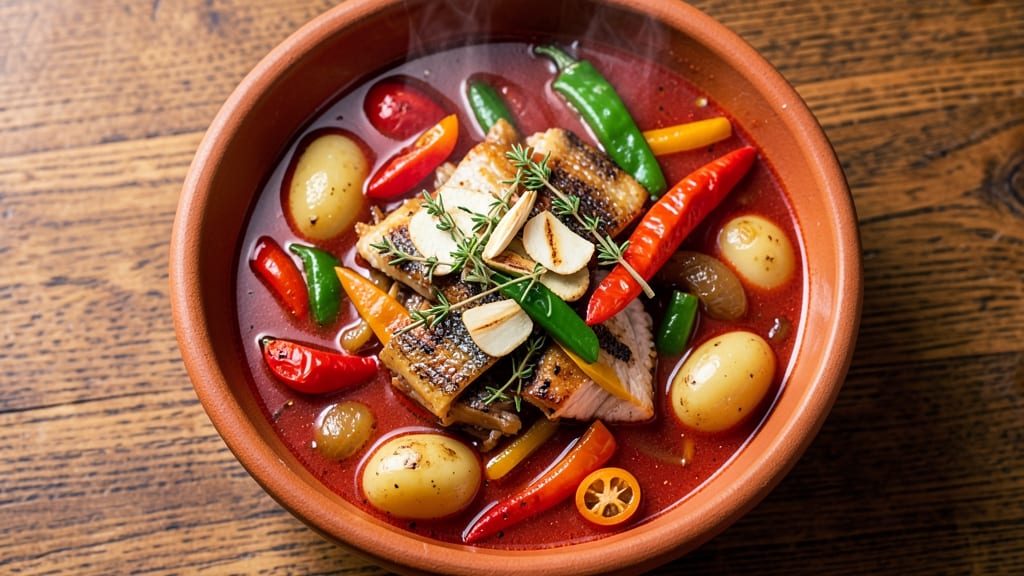
This African fish pepper soup recipe delivers the perfect balance of bold spices and melt-in-your-mouth fish—every spoonful is a celebration of West African flavors. The secret lies in slow-simmering the pepper-tomato base until it develops deep, aromatic layers, while the fish stays tender and flaky.
I’ve perfected this dish over years of cooking for family gatherings, where it’s always the centerpiece.
The foundation begins with blending fresh bell peppers, tomatoes, and onions into a vibrant paste, then cooking it down with garlic, ginger, and a blend of African spices like thyme and curry powder.
The fish—tilapia, mackerel, or catfish—is added later to preserve its delicate texture, ensuring it absorbs the rich, spicy broth without falling apart. This method guarantees a soup that’s both restaurant-quality and deeply comforting.
What makes this dish truly special is how the flavors evolve as it simmers. The peppers mellow into a subtle heat, while the tomatoes deepen into a velvety consistency, creating a broth that’s complex yet harmonious.
Served with jollof rice, fufu, or boiled plantains, it becomes a complete meal that’s as satisfying as it is flavorful. The aroma alone will have everyone gathered around the table.
Whether you're cooking for a special occasion or a weeknight dinner, this recipe delivers authentic West African flavors with minimal fuss. The key is patience—letting the soup develop its depth over time.
Once you taste the result, you’ll understand why this dish is a staple in homes across Africa and beyond. Let’s get started!
Ingredients for african fish pepper soup
Fresh peppers, tomatoes, and aromatic spices create the soul of this West African classic.
| Ingredient | Amount | Notes |
|---|---|---|
| Fresh Bell Peppers 🌶️ | 3 whole | Mixed colors for vibrant flavor |
| Ripe Tomatoes 🍅 | 4 medium | Fresh, vine-ripened preferred |
| Yellow Onions 🧅 | 2 large | Sweet variety for balance |
| Garlic Cloves 🧄 | 6 cloves | Freshly minced for aroma |
| Fresh Ginger 🌿 | 2 tbsp | Grated, fresh root preferred |
| Dried Thyme 🌿 | 1 tbsp | Or 2 tbsp fresh thyme leaves |
| Curry Powder 🌶️ | 1 tbsp | Mild African blend preferred |
| White Fish Fillets 🐟 | 1 ½ lb | Tilapia, mackerel, or catfish |
| Fish Stock 💧 | 2 cups | Homemade or quality store-bought |
| Vegetable Oil 🫒 | ¼ cup | For sautéing base |
| Salt 🧂 | 1 ½ tsp | Kosher or sea salt |
| Black Pepper 🌶️ | ½ tsp | Freshly ground preferred |
| Scotch Bonnet Peppers 🌶️ | 1 whole | Seeded for mild heat |
| Lemon Juice 🍋 | 1 tbsp | Freshly squeezed |
| Fresh Cilantro 🌿 | ¼ cup | Chopped, for garnish |
The bell peppers are the flavor foundation—mixed colors give you both sweetness and depth. Local farmers markets often have the freshest, most vibrant ones, but the grocery store works too if they're firm and shiny. Skip the pre-cut bags; whole peppers keep better and taste fresher. The tomatoes should be ripe but firm—heirloom varieties if you can find them, or just grab a handful of vine-ripened. For the onions, yellows add sweetness that balances the heat, but reds work too if that's what's on hand. The ginger and garlic? Fresh is non-negotiable here—dried just won't cut it for that authentic punch. I usually grab mine from the Asian market section of my grocery store, where they keep it properly refrigerated.
No fresh thyme? Dried works at one-third the amount, but trust me, fresh is worth the trip to the herb section. The curry powder can be tricky—African blends are ideal, but regular curry powder in a pinch. Want more heat? Add an extra scotch bonnet pepper (seeds in for mild, seeds out for fire). The fish stock matters too—homemade is best, but even the high-quality store brands like Pacific Foods work. For the fish, tilapia stays flaky when cooked properly, while mackerel adds richer flavor. Catfish? That's the crowd-pleaser at family gatherings. If you can't find these, cod or haddock are solid substitutes. The fish should be fresh, not frozen—look for clear, bright eyes and firm flesh at the seafood counter.
This soup tastes even better the next day as flavors meld. Store in airtight containers in the fridge for 3-4 days, or freeze portions for up to 3 months. I always make a double batch—one for dinner, one for lunch the next day. The broth reduces beautifully, so it's perfect for reheating. Fresh cilantro wilts fast, so add it just before serving. For extra richness, stir in a spoonful of the reserved cooking oil when reheating. The peppers and tomatoes can be prepped ahead and stored in the fridge for 2 days before cooking—just chop everything and keep it in a sealed container.
Why You'll Love This Recipe
- Pantry-Friendly Staples: I swear by this recipe because it uses ingredients I already have—no fancy shopping trips. That bright red bell pepper, the tomatoes from my garden, even the onions I forgot about in the crisper? They all transform into something rich and vibrant with just a little ginger and garlic.
- Ginger-Garlic Magic: The moment those minced garlic cloves and grated ginger hit the pot, my kitchen smells like a West African street market. It’s that deep, aromatic punch that makes the fish taste like it’s been simmered for hours—even if I’m rushing.
- Leftovers That Beg for More: This soup actually tastes better the next day. Honestly, I make a big batch on Sundays and reheat portions all week—my kids ask for it more than school lunches. The peppers soften just right, and the broth gets even more flavorful.
- Weeknight Crowd-Pleaser: Between us, this is my secret weapon for dinner parties. It’s hearty enough for a group but still feels light and fresh. Plus, the prep is over before the kids start complaining about what’s for dinner. (Yes, even on a Tuesday night.)
Step-by-step instructions for African fish pepper soup
Here's how to build this vibrant, aromatic soup where tender fish meets bold African spices.
Build the Flavor Base with Aromatics
Heat the 0.25 cup vegetable oil in a large pot over medium heat. Add the 2 large yellow onions, sliced into thin half-moons, and cook for 5-6 minutes until they soften and begin to caramelize at the edges. This sweetness will form the foundation of your soup.
Add the 6 cloves garlic cloves, minced, and the 2 tbsp fresh ginger, freshly grated, cooking for 1-2 minutes until fragrant. The ginger should mellow slightly but still retain its bright aroma. Here's where the magic begins - stir in the 1 tbsp curry powder and 1 tbsp dried thyme, letting the spices toast for 30 seconds until you can smell their warm, earthy notes filling your kitchen.
Develop the Pepper and Tomato Base
Carefully add the 1 whole Scotch bonnet peppers, seeded and chopped (wear gloves if sensitive to heat), and the 3 whole fresh bell peppers, chopped into ½-inch pieces. Cook for 3-4 minutes until the peppers begin to soften and release their juices. The Scotch bonnet will add just enough heat to wake up the flavors without overpowering.
Add the 4 medium ripe tomatoes, chopped, and cook for 5 minutes until they break down into a thick, chunky sauce. The tomatoes will release their juices and create a rich, velvety base. This is your flavor canvas - every ingredient from here will build upon this foundation. Taste and adjust seasoning with the 1.5 tsp salt and 0.5 tsp black pepper if needed.
Simmer the Fish Stock and Prepare the Fish
Pour in the 2 cups fish stock and bring the mixture to a gentle simmer. Let it cook uncovered for 10 minutes to allow the flavors to meld together. The soup should be fragrant with layers of sweet onion, spiced peppers, and herbal thyme.
While the soup simmers, pat the 1.5 lb white fish fillets dry with paper towels. Season lightly with salt and pepper on both sides - just enough to enhance their natural flavor without overpowering the complex broth. The fish should be ready to cook as soon as the soup reaches a gentle simmer.
Cook the Fish to Flaky Perfection
Gently add the fish fillets to the simmering soup, being careful not to break them apart. The fish should float just below the surface. Cover the pot and simmer for 8-10 minutes until the fish is just cooked through - it should flake easily when tested with a fork. Overcooking will make the fish dry and rubbery, so watch closely during the last few minutes.
The fish is done when it reaches 145°F internally and pulls apart cleanly. Remove the fish with a slotted spoon and set aside to rest for 2 minutes. The residual heat will continue cooking it slightly while it soaks up the remaining soup flavors.
Finish and Serve with Fresh Herbs
Return the soup to a gentle simmer and stir in the 1 tbsp lemon juice. This bright acidity will cut through the richness of the fish and spices, balancing the entire dish. Taste and adjust seasoning one final time - you might need a pinch more salt or a splash more lemon juice to achieve perfect harmony.
Just before serving, stir in the 0.25 cup fresh cilantro, chopped. The fresh herbs will add a bright, aromatic finish that contrasts beautifully with the warm spices. Ladle the soup into bowls, placing the fish fillets on top. Each bite should deliver tender, flaky fish with layers of sweet, spicy, and herby flavors in perfect balance.
Pro Tips For Making African Fish Pepper Soup
- Char the Peppers First: Blister those bell peppers over direct heat until blackened in spots—this deepens their smoky sweetness way more than just chopping them raw. I used to skip this, and the soup always tasted flat until I tried it.
- Blend Tomatoes with Skin: Leave the tomato skins on when blending—they add body and a subtle earthiness that store-bought paste can’t match. Just give them a quick rinse first if they’re dirty, and skip the peeling.
- Low-Simmer the Soup: Keep the heat at a gentle simmer after adding the fish, or you’ll turn the broth cloudy and the fish rubbery. I learned this the hard way when my first batch looked like soup had been through a blender.
- Toast the Aromatics: Sauté onions, garlic, and ginger until fragrant and just starting to brown—this builds layers of flavor that raw aromatics can’t compete with. Five minutes of patience here makes a real difference in the final dish.
Perfect pairings for this recipe
Traditional Side Dishes
This soup shines when paired with jollof rice—the West African one-pot rice dish cooked in tomato-based sauce. I use a 1:1 ratio of rice to soup, serving it in the same bowl for a complete meal.
The rice soaks up the rich broth beautifully. For a heartier option, fufu (made from cassava or yams) provides a neutral base that contrasts perfectly with the spicy soup. 🥘
Beverage Pairings
A malt drink like Guinness or Bushmills Irish whiskey complements the soup’s bold flavors without overpowering them. The slight bitterness in stout beers cuts through the richness, while the whiskey’s smoothness enhances the spice notes.
For non-alcoholic options, hibiscus tea (sourced from African markets) adds a tart contrast that refreshes the palate. 🍺
Fresh Garnishes
Top your soup with chopped fresh parsley or scallions for a bright, fresh finish. I also love adding thinly sliced cucumbers or avocado for a cooling crunch. These garnishes not only elevate the presentation but also balance the heat with their mild, crisp flavors. 🥒
Spicy Heat Adjustments
If you prefer more heat, add 1 extra Scotch bonnet pepper (seeds in) or a pinch of African bird’s eye chili powder. For a milder version, reduce the Scotch bonnet to ½ pepper or omit it entirely.
Taste as you go—this soup is all about finding your perfect spice balance! 🌶️
Bread Pairings
Serve with warm pita bread or injera (Ethiopian flatbread) for dipping. The soft, slightly chewy texture soaks up the broth beautifully. I also recommend garlic naan—its buttery richness contrasts wonderfully with the spicy, tangy soup. 🍞
Leftovers Strategy
Store leftovers in an airtight container for up to 3 days in the fridge. Reheat gently on the stovetop with a splash of water or stock to restore the broth’s consistency. The flavors actually deepen overnight, making it even more delicious the next day! ❄️
Nutrition facts
Frequently asked questions
What type of fish works best for this African pepper soup?
White, flaky fish like tilapia, mackerel, or catfish are ideal—they stay tender while absorbing the rich broth. For a milder option, cod or haddock work too. Avoid firm fish like tuna, which won't flake as beautifully.
Can I make this soup without Scotch bonnet peppers?
Yes! For a milder version, use ½ bell pepper (seeds removed) or swap in jalapeño (seeds out). If you love heat, add a pinch of African bird’s eye chili powder instead. The key is balancing the spice to your taste—adjust as you go!
How do I prevent the fish from falling apart in the soup?
Pat the fish completely dry before cooking and season it lightly—just enough to enhance flavor. Simmer gently (low-medium heat) for 8-10 minutes max and avoid overcrowding the pot. The fish should flake easily but stay intact when served.
Can I use frozen fish for this recipe?
Frozen fish works, but thaw it overnight in the fridge first—never at room temperature. Drain and pat dry thoroughly to avoid a watery soup. For best texture, use fresh fish if possible, as it cooks more evenly and absorbs flavors better.
What’s the secret to making the broth taste deeper?
Simmer the pepper-tomato base uncovered for 10+ minutes to reduce and concentrate flavors. Toast the spices (curry powder, thyme) for 30 seconds to wake up their aromas, and use homemade fish stock if possible. The longer it cooks, the richer it gets!