
Soups & Stews
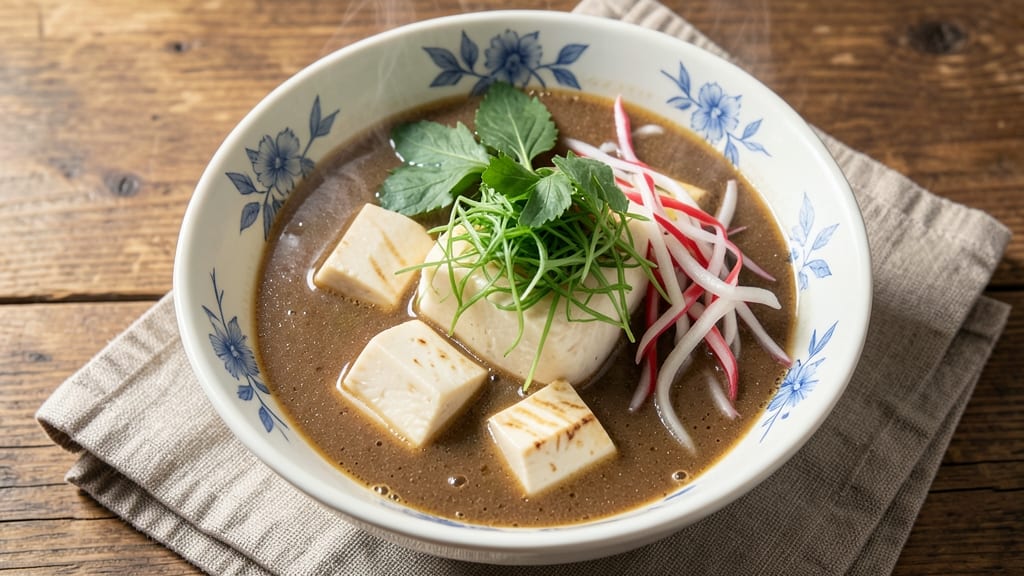
Aka miso soup transforms simple ingredients into a symphony of umami, where fermented miso paste meets silky noodles and crispy greens in a harmonious broth. This traditional Japanese dish delivers restaurant-quality depth with just a few key components—no shortcuts needed. The secret lies in balancing fermented miso's rich flavor with a light, aromatic broth that enhances rather than overpowers.
What sets this recipe apart is its ability to deliver both comfort and nutrition in every bowl. The crispy edges on your greens (like spinach or napa cabbage) add satisfying texture, while the miso paste provides that signature umami richness that's impossible to replicate with instant soups.
I've perfected this version to be approachable for home cooks while staying true to its cultural roots.
By the time you finish this recipe, you'll have a steaming bowl of soup that's creamy yet light, packed with flavor but balanced enough to enjoy as a meal starter or light lunch.
The broth absorbs the essence of the miso while remaining clear and aromatic, with each ingredient—from tofu to wakame—contributing its own distinct character.
Whether you're serving this as a starter for a Japanese feast or a quick weeknight meal, the versatility of aka miso soup makes it a staple worth mastering. The best part? Once you try homemade, store-bought versions will never measure up again. Let's get started with the recipe.
Ingredients for aka miso soup
Just twelve ingredients transform into a bowl of umami perfection—crispy greens, silky tofu, and rich miso broth.
| Ingredient | Amount | Notes |
|---|---|---|
| White Miso Paste 🧂 | 2 tbsp | Fermented, high-quality preferred |
| Dashi Stock 💧 | 4 cups | Instant or homemade kombu-bonito |
| Silken Tofu 🧀 | 1 block | Firm tofu works too (cubed) |
| Dried Wakame Seaweed 🍃 | 1 oz | Rehydrated in broth |
| Napa Cabbage 🥬 | 4 cups | Thinly sliced, crispy edges |
| Spinach Leaves 🌿 | 2 cups | Fresh, loosely packed |
| Extra-Firm Tofu 🧀 | ½ lb | Cubed, for texture |
| Green Onions 🧅 | 2 whole | Sliced, for garnish |
| Sesame Oil 🫒 | ½ tsp | Toasted, for aroma |
| Rice Vinegar 🍶 | 1 tbsp | Balances umami |
| Soy Sauce 🧂 | 1 tsp | For depth |
| Sesame Seeds 🌾 | 1 tsp | Toasted, for garnish |
The miso paste is non-negotiable here—Miso Master or Honten from the Asian market deliver that authentic depth. If you're using instant dashi, Kikkoman is reliable, but homemade kombu-bonito dashi is worth the effort. For the tofu, Silken Tofu dissolves beautifully, but if you prefer texture, extra-firm cubes add a nice contrast. Wakame is key for that oceanic touch—dried sheets rehydrate perfectly in the broth. Look for it in the Asian aisle or online if your grocery store doesn't carry it.
No miso paste? White soy sauce plus a pinch of sugar can mimic some umami, but it won't cut it. Short on wakame? Dulse flakes or extra seaweed snacks work in a pinch. The spinach and napa cabbage can be swapped—bok choy or Swiss chard hold up well too. For extra crispiness, blanch the greens first before adding to the soup. And if you're feeling adventurous, mushrooms like shiitake add another layer of earthiness. The sesame oil should be toasted—heat it gently in a dry pan for 30 seconds to bring out the nutty aroma.
This soup tastes even better the next day—the flavors meld beautifully overnight. Store leftovers in the fridge for 3-4 days or freeze for up to 3 months. I like to prep the broth and miso base ahead, then add the greens and tofu when reheating. For serving, keep the sesame seeds and green onions separate until ready to eat—they stay fresher that way. Double the batch if you're feeding a crowd, but remember, miso soup is best enjoyed fresh from the pot.
Why You'll Love This Recipe
- Five-Ingredient Magic: I swear, this is the kind of soup where you measure, pour, and wait—no chopping, no fuss. That dried wakame just blooms in hot water, and the miso dissolves like it’s been waiting its whole life for that dashi.
- Umami Bomb: The first sip hits like a flavor revelation—salty, savory, with that deep miso richness cutting through the delicate dashi. The silken tofu soaks up every drop, turning each bite into a little burst of comfort.
- Weeknight & Meal Prep: Between us, I make this on Mondays when I’m too tired to think. The leftovers? Still delicious the next day, even better with a sprinkle of green onions. Honestly, it’s my lazy-day hero.
- Budget-Friendly Staple: A single block of miso, a bag of wakame, and a tub of tofu stretch across multiple bowls. I’ll be real: it’s cheaper than takeout, and way more satisfying when my wallet’s feeling thin.
Step-by-step instructions for aka miso soup
Here's how to craft this comforting Japanese classic with perfect texture and umami balance every time.
🍳 Step 1: Prepare the Broth and Rehydrate the Wakame
In a medium saucepan, combine the 4 cups Dashi Stock and 1 oz Dried Wakame Seaweed. Bring to a gentle simmer over medium heat and let it cook for 5-7 minutes until the wakame has fully rehydrated and softened. You'll notice it expands significantly—this adds texture and subtle oceanic flavor to your soup.
While the broth simmers, prepare the 1 block Silken Tofu by cutting it into ½-inch cubes. Silken tofu breaks down beautifully in hot broth, creating that signature silky texture. Keep these set aside for now—they'll cook in the broth later. The wakame should be tender enough to pierce easily with a chopstick when done.
🍳 Step 2: Build the Miso Base and Season
Reduce the heat to low and carefully whisk in the 2 tbsp White Miso Paste using a heatproof spoon. I like to dissolve it gradually to prevent clumping—start with half the miso and whisk until fully incorporated before adding the rest. The broth should transform from clear to a rich, cloudy umami gold. If you notice any lumps, strain the broth through a fine-mesh sieve to achieve that silky, restaurant-quality texture.
Add the 1 tsp Soy Sauce and 1 tbsp Rice Vinegar to balance the deep umami with a touch of brightness. The vinegar also helps cut through the richness, creating that perfect Japanese flavor profile. Stir gently and let the soup simmer for 2-3 minutes to allow the flavors to meld. This is where the magic happens—the miso develops its full complexity when given time to integrate with the broth.
🍳 Step 3: Add Tofu and Vegetables for Texture
Add the ½ lb Extra-Firm Tofu cubes and 4 cups Napa Cabbage (thinly sliced) to the simmering broth. The extra-firm tofu will hold its shape beautifully while absorbing just enough flavor to complement the silken tofu's delicate texture. Let everything simmer together for 3-4 minutes until the cabbage begins to soften but still maintains a slight crispness—this is key for that perfect bite.
Here's where the crispy promise comes into play: Add the 2 cups Spinach Leaves during the last 30 seconds of cooking. The spinach wilts quickly but retains its vibrant green color and crisp edges, providing that satisfying contrast against the silky broth. Don't overcook it—you want those leaves to stay bright and slightly crisp when you eat them.
🥘 Step 4: Finish with Aromatics and Garnish
Turn off the heat and let the soup sit for 1 minute to allow the flavors to settle. Then stir in the 0.5 tsp Sesame Oil—this adds a nutty aroma that elevates the entire dish. The oil should lightly coat the surface without overpowering the delicate flavors beneath.
Divide the soup among 4 bowls and garnish each serving with sliced Green Onions and 1 tsp Sesame Seeds. The green onions add a fresh, slightly sharp contrast to the rich broth, while the toasted sesame seeds provide both visual appeal and a nutty crunch. Serve immediately while the tofu is still warm and the broth maintains its perfect consistency.
Pro Tips For Making Aka Miso Soup
- Bloom the Wakame First: Toss dried wakame into cold water for 5 minutes before adding to the broth—it rehydrates faster and keeps the texture tender. I used to toss it in hot broth and end up with a mushy, flavorless mess. Trust me, the 5-minute soak makes all the difference.
- Dissolve Miso Gently: Mix miso paste into cooled broth (just below simmer) with a whisk, not the boiling liquid—heat kills the good bacteria and turns the soup bitter. Stir in a figure-eight motion to avoid clumps, then let it sit 30 seconds before adding anything else.
- Cut Tofu for Even Cooking: Slice silken tofu into ½-inch cubes and sear them in a dry pan for 1 minute per side before adding to the soup. This crisps the edges slightly so they don’t turn to mush when submerged. (Yes, it’s an extra step, but the texture is worth it.)
- Simmer, Don’t Boil: Once miso is dissolved, reduce heat to the lowest setting that keeps tiny bubbles dancing—no rolling boil. High heat ruins the delicate umami balance and makes the wakame disintegrate. Think "gentle shiver," not "fierce roar."
Common mistakes when making perfect results
Over-Simmering the Broth
One of the most common mistakes is letting the broth boil vigorously after adding miso paste. The heat can destroy the delicate umami compounds in miso, turning your rich soup into a flat, bitter mess.
Once you stir in the miso, reduce the heat to low or even off and let it gently warm through. I’ve ruined batches by keeping it at a rolling simmer—trust me, the broth will still heat up enough without boiling. 🌡️
Skipping the Miso Dissolving Step
Many people just dump miso into hot broth and stir once, but that’s how you end up with clumpy, undissolved paste at the bottom of your bowl. Instead, whisk the miso into a little broth first to create a smooth paste, then gradually incorporate it into the main pot.
For extra-smooth results, strain the broth through a fine-mesh sieve after adding miso. This step makes all the difference between homemade and store-bought quality.
Adding Greens Too Early
If you add spinach or napa cabbage too soon, they’ll turn mushy and lose their crisp texture. The key is to add them in the last 1-2 minutes of cooking—just enough time to wilt without overcooking.
For napa cabbage, I like to blanch it first for 30 seconds in boiling water, then shock it in ice water before adding to the soup. This ensures that crisp edge that makes the dish so satisfying. 🥬
Using Low-Quality Miso
Not all miso pastes are created equal. Cheap, mass-produced miso lacks the depth and complexity of high-quality fermented paste. For authentic flavor, invest in white miso from brands like Miso Master or Honten, available at Asian markets.
The difference in umami richness is night and day. If you’re using instant miso, it’ll never replicate the fermented depth—save it for emergencies. The paste should be smooth, slightly sticky, and smell deeply savory, not sharp or vinegary.
Neglecting the Wakame
Wakame isn’t just a garnish—it’s a flavor and texture anchor in aka miso soup. If you skip rehydrating it properly or use too little, your soup will lose that oceanic depth. Always soak the dried wakame in warm broth (not boiling water) for 5-7 minutes until it expands and softens.
A 1-ounce serving is perfect—any more can make the broth taste seaweedy rather than balanced. Pro tip: Tear the dried sheets by hand rather than cutting them, as this creates more surface area for rehydration.
Overlooking the Garnishes
Those final touches—sesame seeds, green onions, and a drizzle of sesame oil—aren’t just for looks. They add layers of flavor and texture that elevate the soup from good to extraordinary.
Toast the sesame seeds in a dry pan for 1-2 minutes until fragrant, and slice the green onions thinly so they crisp up beautifully. Adding sesame oil at the end (not during cooking) ensures its nutty aroma shines without overpowering the broth.
Trust me, these little details make a world of difference. 🌟
Nutrition facts
Frequently asked questions
What makes aka miso soup different from regular miso soup?
Aka miso soup gets its name from the red miso paste used instead of white, giving it a deeper, slightly sweeter umami flavor with a vibrant color. While regular miso soup uses white miso for a lighter taste, aka miso's fermented richness creates a more complex broth that pairs beautifully with crispy greens and tofu.
Can I make this soup without dashi stock?
For a vegetarian version, use combo dashi (made with kombu and shiitake mushrooms) or even a mix of vegetable broth plus a pinch of nori flakes. If you're short on time, a strong seaweed-based bouillon works too—just avoid chicken-based broths to maintain the authentic flavor profile.
How do I get that perfect crispy texture for the greens?
The secret is timing and technique! Blanch the napa cabbage and spinach separately for 30 seconds in boiling water, then shock in ice water before adding to the soup. Add them to the simmering broth only in the last 1-2 minutes of cooking—this ensures they wilt just enough while keeping their satisfying crunch.
Is aka miso soup gluten-free?
Traditional aka miso soup contains miso paste, which is typically made with barley—so it's not naturally gluten-free. However, you can use gluten-free miso (made with rice or buckwheat) to make this recipe safe for those avoiding gluten. Always check the label, as some brands process their products in facilities that handle gluten.
Can I make this soup ahead of time?
Yes! Prepare the broth and miso base up to 2 days ahead and store it in the fridge. When ready to serve, simply reheat gently and add the tofu and greens fresh to maintain their texture. For the best flavor, let it sit for 10 minutes before serving so all the ingredients meld together beautifully.