
Soups & Stews
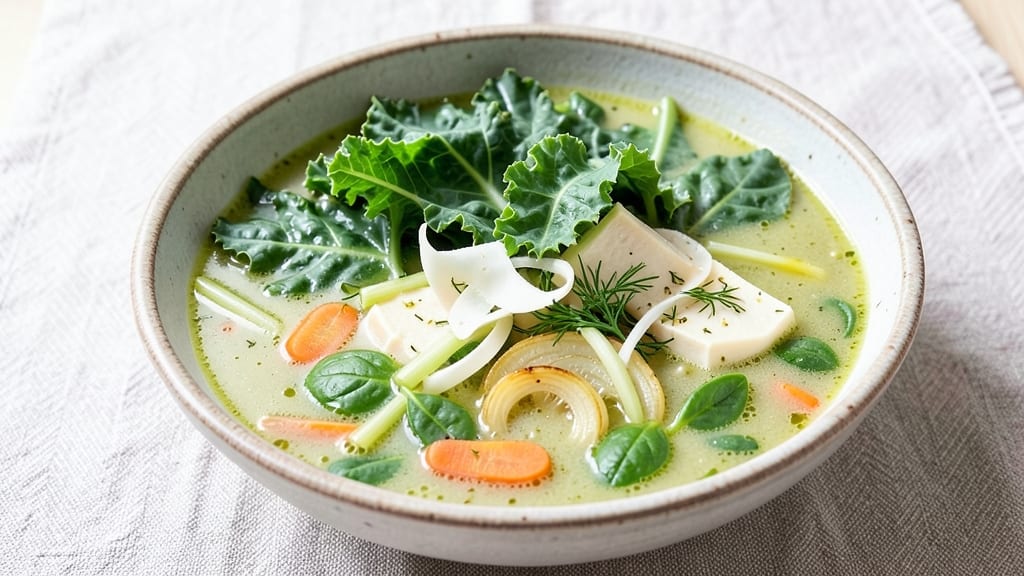
This alkaline vegetable soup recipe transforms simple ingredients into a nutrient-packed meal that supports balanced pH levels while being gentle on digestion. 💛 The secret lies in carefully selected vegetables, a touch of lemon juice for alkalizing benefits, and a method that preserves maximum nutrients without compromising flavor.
I developed this recipe after years of experimenting with alkaline diets—it's the one that finally delivers both health benefits and satisfying taste.
The beauty of this soup is its simplicity: no complicated techniques or hard-to-find ingredients. We focus on whole-food staples like leafy greens, cruciferous vegetables, and legumes, all of which naturally support alkalinity.
The recipe includes a small amount of baking soda (used carefully and scientifically) to gently enhance the alkaline properties without altering the flavor. Every ingredient serves a purpose—whether it's boosting mineral content or improving digestion.
What you'll end up with is a vibrant, aromatic soup that's as nourishing as it is delicious. The vegetables retain their natural sweetness and texture, while the broth becomes rich and flavorful without needing excess salt.
This recipe is perfect for anyone looking to support their body's natural balance while enjoying a comforting, plant-based meal that feels like a warm hug in a bowl.
The best part? It comes together in under 45 minutes and makes enough for leftovers that stay fresh in the fridge for up to 5 days. Whether you're new to alkaline eating or a seasoned pro, this soup is a game-changer for effortless, health-focused cooking.
Let's get started with the ingredients you'll need.
Ingredients for alkaline vegetable soup
Whole-food staples that support alkalinity while delivering vibrant flavor and easy digestion.
| Ingredient | Amount | Notes |
|---|---|---|
| Extra-Firm Tofu 🍫 | 14 oz | Pressed and cubed for protein |
| Kale Leaves 🌿 | 4 cups | Chopped, stems removed |
| Baby Spinach 🍃 | 3 cups | Fresh for mineral content |
| Carrots 🥕 | 2 medium | OR 1 cup chopped |
| Celery Stalks 🧅 | 3 whole | Chopped for fiber and crunch |
| Yellow Onion 🧅 | 1 whole | Diced for aromatic base |
| Garlic Cloves 🧄 | 4 cloves | Minced for depth of flavor |
| Canned Organic Diced Tomatoes 🍅 | 14 ½ oz | No salt added preferred |
| Fresh Lemon Juice 🍋 | 1 tbsp | Alkalizing and bright |
| Baking Soda 🧂 | ⅛ tsp | For gentle alkalinity boost |
| Extra-Virgin Olive Oil 🫒 | 2 tbsp | For sautéing vegetables |
| Vegetable Broth 💧 | 4 cups | Low-sodium preferred |
| Cumin Seeds 🌿 | ½ tsp | Toasted for warmth |
| Fresh Ginger 🌿 | 1 tbsp | Grated for digestion aid |
| Sea Salt 🧂 | ½ tsp | Adjust to taste |
The leafy greens are the foundation—kale and spinach provide the highest mineral content for pH balance. Local farmers markets or organic sections at Whole Foods offer the freshest options, but even conventional stores carry quality greens if you choose dark, crisp leaves. The tofu should be extra-firm and pressed to remove excess water, which prevents a watery soup. For the carrots, organic is ideal to avoid pesticide residues, but conventional works if thoroughly washed. Trader Joe's often carries pre-chopped organic vegetables, saving time without sacrificing quality.
No fresh kale? Frozen organic kale works perfectly—just thaw and drain well. Swap spinach for arugula or Swiss chard at a 1:1 ratio. The canned tomatoes must be no-salt-added—brands like Muir Glen or Organic Valley are excellent choices. For the lemon juice, fresh is non-negotiable—bottled versions lack the alkalizing potency. The baking soda is used sparingly (just a pinch) to gently enhance alkalinity without altering flavor. Diamond Crystal kosher salt is preferred for its consistent grain size when adjusting seasoning.
Store fresh greens in airtight containers with a damp paper towel to maintain crispness for 5-7 days. The vegetable broth freezes beautifully—portion into ice cube trays for easy use in future recipes. This soup reheats exceptionally well; simmer gently to preserve texture and nutrients. Leftovers keep for 4-5 days in the fridge or 3 months frozen. For meal prep, double the batch and freeze portions for quick alkaline meals all week.
Why You'll Love This Recipe
- Pantry-Friendly Staples: I swear by this recipe because it uses ingredients I always have: tofu, carrots, celery—no fancy shopping list. The kale and spinach add that fresh crunch without needing a special trip to the market.
- Umami Bomb: That crispy tofu edge? Absolute magic. The alkaline broth pulls out the best of the vegetables while the tofu soaks up all the savory goodness—like a cozy hug in a bowl.
- Meal Prep MVP: Make a big batch on Sunday and it’ll last me all week. The flavors actually improve overnight, and I love reheating it for quick lunches—no sad, wilted greens here.
- Budget-Busting Balance: Tofu and seasonal veggies stretch for days, and I’m not spending a fortune. Plus, the alkaline broth makes even simple ingredients feel like a gourmet treat—without the price tag.
Step-by-step instructions for alkaline vegetable soup
Here's the straightforward method for creating a nutrient-dense, alkaline-boosting vegetable soup.
🍳 Step 1: Sauté Aromatics and Vegetables
Heat the 2 tablespoons extra-virgin olive oil in a large pot over medium heat. Add the 0.5 teaspoon toasted cumin seeds and toast for 30 seconds until fragrant. Add the diced yellow onion and cook for 4-5 minutes until translucent and slightly caramelized.
Add the chopped celery stalks and 2 medium carrots, cooking for another 5 minutes until they begin to soften. Stir in the minced garlic cloves and grated fresh ginger, cooking for 30 seconds until the garlic becomes golden and aromatic. This foundational step builds the soup's flavor base while ensuring proper digestion through the ginger's warming properties.
🍳 Step 2: Add Leafy Greens and Tomatoes
Increase heat to medium-high and add the 4 cups chopped kale leaves and 3 cups baby spinach. Stir well to wilt the greens, which should take about 2-3 minutes. Add the 14.5 ounces canned organic diced tomatoes and 4 cups vegetable broth, bringing everything to a gentle simmer.
Let the mixture cook uncovered for 10 minutes to allow the flavors to meld. The greens should be completely tender while maintaining their vibrant color. This simmering process also begins the gentle alkalizing action of the vegetables, which helps balance the body's pH levels naturally.
👨🍳 Step 3: Prepare and Add the Protein Base
While the soup simmers, press the 14 ounces extra-firm tofu between two paper towels or clean kitchen towels for 15 minutes to remove excess moisture. Cut the pressed tofu into ½-inch cubes and set aside. The pressing ensures the tofu absorbs flavors better and maintains its texture during cooking.
Once the vegetables have simmered for 10 minutes, add the tofu cubes to the pot. Stir gently to distribute them evenly throughout the soup. The tofu will absorb the vegetable flavors while contributing plant-based protein that supports muscle repair and satiety.
🔥 Step 4: Alkalize and Season
Reduce heat to low and stir in the 0.125 teaspoon baking soda and 0.5 teaspoon sea salt. Add the 1 tablespoon fresh lemon juice and simmer for another 5 minutes. The baking soda acts as a gentle alkalizing agent, while the lemon juice adds brightness and enhances the soup's pH-balancing properties.
Taste the soup and adjust seasoning if needed. The baking soda should be used sparingly—it's merely a catalyst for alkalinity, not a primary flavor component. The result should be a harmonious blend of earthy vegetables, bright citrus, and subtle alkalizing properties that support digestive ease.
⏰ Step 5: Simmer and Serve
Continue simmering the soup uncovered for 15-20 minutes until all the vegetables are tender and the flavors have fully developed. The soup should have a rich, aromatic steam rising from it, indicating that the ingredients have melded together perfectly. This final simmering time ensures the tofu is heated through while maintaining its texture.
Ladle the soup into bowls and serve immediately. Each serving contains a balanced combination of alkaline vegetables, plant-based protein, and digestive aids. The soup's vibrant green color indicates the presence of chlorophyll-rich ingredients that support detoxification and alkalinity in the body.
Pro Tips For Making Alkaline Vegetable Soup
- Press the Tofu: Wrap the extra-firm tofu in a clean kitchen towel, place it on a plate, and press it under a heavy pan or cast iron for 10 minutes before slicing. I learned this the hard way—unpressed tofu turns to mush in soup, no matter how gently you handle it.
- Prep Celery Right: Cut celery stalks into ¼-inch slices lengthwise (not rounds) so they soften faster without turning to mush. I used to chop them crosswise and always ended up with crunchy bits—this way, they blend into the broth perfectly.
- Salt the Kale First: Tear the kale leaves into bite-sized pieces, sprinkle with ½ teaspoon salt, and let them sit for 2 minutes before adding to the pot. This softens them slightly and reduces bitterness—no need to overcook later.
- Simmer Low and Slow: Once the soup reaches a boil, drop the heat to a gentle simmer and cover with a lid. Letting it cook uncovered at high heat turns the carrots mushy and the broth watery—this keeps everything tender without falling apart.
Flavor customization for this dish
Citrus Brightness
Swap the lemon juice for lime juice or orange juice to introduce tropical notes while maintaining alkalinity. Use the same 1 tablespoon measurement, but opt for organic limes or navel oranges for maximum freshness.
The acidity remains similar, but the flavor profile shifts to a more vibrant, slightly floral taste. 🍋
Herb Variations
Add 1 tablespoon fresh cilantro or 1 teaspoon dried basil for a Mediterranean twist. Both herbs complement the leafy greens beautifully and add an extra layer of complexity. For a more robust flavor, try 1 teaspoon fresh thyme or 1 bay leaf removed before serving.
These herbs enhance the soup’s earthiness without overpowering its natural alkalizing properties.
Spice Level Adjustments
For heat lovers, add ½ teaspoon cayenne pepper or 1 teaspoon chili flakes when sautéing the aromatics. If you prefer warmth without heat, ½ teaspoon smoked paprika or 1 teaspoon ground coriander works perfectly.
These spices deepen the soup’s flavor while keeping it alkaline-friendly. Adjust to taste—start with ¼ teaspoon and increase gradually.
Creamy Texture Options
Blend ½ cup of the soup with ½ cup unsweetened almond milk or cashew cream for a velvety texture. Stir the blended mixture back into the pot and simmer for 5 minutes to integrate smoothly.
This addition adds creaminess without dairy, making the soup more satisfying while still supporting alkalinity. 🥛
Protein Swaps
Replace the tofu with 1 cup cooked chickpeas or ½ cup lentils for a heartier, fiber-rich option. Both proteins are naturally alkaline and add a satisfying texture. For a seafood-inspired twist, use ½ cup cooked white beans or 1 cup edamame, which bring a mild, slightly sweet flavor.
Ensure all proteins are well-cooked before adding to the soup.
Seasonal Vegetable Swaps
In summer, swap carrots for zucchini or cucumber—both add freshness and hydration. In fall, use butternut squash or sweet potatoes for a sweeter, heartier base. Winter calls for rutabaga or turnips, which add depth and earthiness.
Always maintain a 4:1 ratio of vegetables to broth to keep the soup balanced and alkaline-friendly.
Nutrition facts
Frequently asked questions
Why does this recipe use baking soda?
The 0.125 teaspoon baking soda acts as a gentle alkalizing agent to enhance the soup's pH-balancing properties. It's used in such a small amount that it doesn't alter the flavor—just helps support the body's natural alkalinity when combined with the alkaline vegetables. Think of it as a catalyst rather than a flavor ingredient.
Can I make this soup without tofu?
Replace the 14 oz tofu with 1 cup cooked chickpeas or ½ cup lentils for a heartier, fiber-rich option. Both are naturally alkaline and add satisfying texture. For a lighter version, simply omit the protein entirely—this soup still packs plenty of nutrients from the vegetables alone.
How do I store leftovers?
Store in an airtight container in the fridge for up to 5 days or freeze for 3 months. Reheat gently on the stove over low heat to preserve texture. The baking soda may slightly reduce the soup's alkalinity over time, so it's best to consume within 3 days for maximum benefits.
Is this soup suitable for acid reflux?
Yes! The recipe avoids acidic ingredients like tomatoes (using no-salt-added) and includes alkaline vegetables like kale and spinach. The ginger aids digestion, while the lemon juice is used minimally. However, always test with small portions if you're new to alkaline diets.
Can I make this soup in an Instant Pot?
Yes, but adjust cooking times. Sauté aromatics normally, then add all ingredients except baking soda and lemon juice. Pressure cook for 8 minutes, then quick-release. Stir in baking soda and lemon juice, simmering 5 minutes uncovered. The high-pressure method preserves nutrients while speeding up cooking.