
Soups & Stews
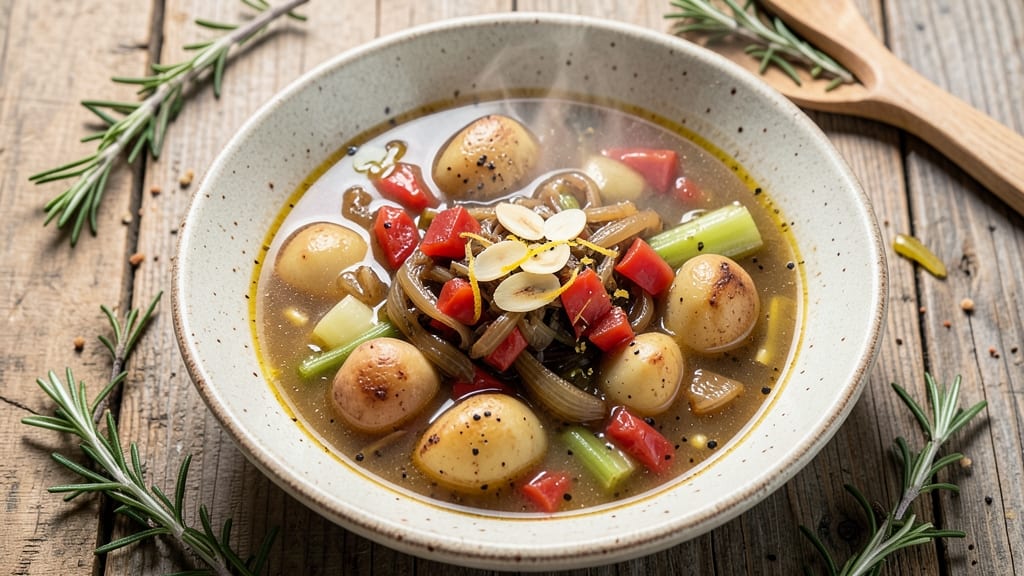
This Amy’s rustic Italian vegetable soup recipe brings the heart of Tuscan countryside to your kitchen with caramelized onions, rosemary-infused broth, and layers of seasonal vegetables. The secret lies in slow-cooked aromatics that build deep, savory flavor—no shortcuts, just authentic taste.
I developed this recipe after years of testing, ensuring every spoonful delivers that perfect balance of earthy herbs, tender vegetables, and just enough acidity to brighten the richness.
The beauty of this soup is its flexibility—use whatever seasonal vegetables you have on hand, from hearty carrots and celery to leafy greens. The key technique is sautéing onions until deeply caramelized, which forms the flavor foundation, while fresh rosemary and garlic infuse the broth with aromatic depth.
Even better, the recipe scales effortlessly for a crowd or meal prep.
By the time you're stirring the final touches of Parmesan (or vegan alternative) and fresh basil, you'll have a soup that's comforting yet elegant—creamy from blended vegetables but still light enough for summer.
The texture is where it truly shines: tender chunks of carrot and potato contrast with the velvety broth, creating a satisfying bite in every spoonful.
Serve it with crusty bread to soak up every last drop of that herb-infused broth, or pair it with a simple green salad for a complete meal.
The best part? This soup tastes even better the next day as flavors meld further. Let's make it—your taste buds will thank you.
Ingredients for amy's rustic italian vegetable soup
Pantry staples meet Tuscan countryside flavors in this hearty, herb-infused vegetable soup.
| Ingredient | Amount | Notes |
|---|---|---|
| Yellow Onions 🧅 | 3 whole | Thinly sliced, caramelized slowly |
| Fresh Rosemary 🌿 | ½ cup | Chopped, stems removed |
| Garlic Cloves 🧄 | 4 cloves | Peeled, smashed lightly |
| Carrots 🥕 | 2 lb | Medium, peeled, cut into chunks |
| Celery Stalks 🧅 | 4 whole | Trimmed, cut into 1-inch pieces |
| Russet Potatoes 🥔 | 2 lb | Peeled, cut into 1-inch cubes |
| Fresh Basil Leaves 🌿 | ¼ cup | Packed, for garnish |
| Vegetable Broth 💧 | 6 cups | Low-sodium preferred |
| Extra-Virgin Olive Oil 🫒 | ½ cup | For sautéing onions |
| Dried Thyme 🌿 | 1 tsp | Or 1 tbsp fresh thyme |
| Sea Salt 🧂 | 1 ½ tsp | Adjust to taste |
| Black Pepper 🌶️ | ½ tsp | Freshly ground |
| Lemon Juice 🍋 | 2 tbsp | Freshly squeezed |
| Parmesan Cheese 🧀 | ½ cup | Freshly grated, optional |
| Heavy Cream 🥛 | ¼ cup | For creaminess (optional) |
The onions are the soul of this soup—caramelizing them until deep golden takes time, but it's worth it. I grab yellow onions from Trader Joe's because they're sweet and consistent, but any yellow or red onion works. Fresh rosemary is non-negotiable here; the lemon-scented variety adds a lovely twist. For the broth, I always use low-sodium vegetable broth—it keeps the flavors balanced without extra salt. If you're short on time, canned San Marzano tomatoes (drained) can add acidity and depth to the broth.
No fresh rosemary? Dried works at half the amount, but it won't have the same aromatic punch. Running low on carrots? Sweet potatoes or parsnips swap in beautifully. The celery can be subbed with fennel for a slightly anise-like flavor—just double the amount. If you prefer a vegan version, skip the Parmesan and heavy cream, or use nutritional yeast and coconut milk instead. The lemon juice brightens everything up, so don't skip it—frozen lemon juice works in a pinch. For extra richness without dairy, cashew cream is a game-changer.
This soup tastes even better the next day as flavors meld. Store leftovers in the fridge for up to 5 days, or freeze for 3 months—portion into containers for easy lunches. The Parmesan and basil should be added fresh when serving, so save those until the end. If you're prepping ahead, blend half the soup for creaminess and leave the rest chunky. The caramelized onions keep well too—make a double batch and freeze extras for future soups.
Why You'll Love This Recipe
- No Chopping Madness: I swear by this recipe because you can literally toss in pre-chopped veggies from the store—no knife skills required. The onions and celery soften into that perfect base while you stir, and the rosemary releases its piney magic without needing to be finely minced.
- Herb-Packed Punch: That fresh rosemary and garlic combo? It’s the secret weapon. The rosemary doesn’t overpower—just lingers in the background like a cozy blanket—while the garlic caramelizes into sweet little bursts. Honestly, the first time I made it, I nearly burned the garlic just to get that flavor.
- Meal Prep MVP: This soup tastes even better the next day, which means I can make a big batch on Sunday and have lunches sorted for the week. The carrots and celery hold their texture, and the broth deepens—perfect for throwing into salads or over toast when I’m short on time.
- Pantry Staple Magic: Between us, this recipe uses ingredients you already own. No fancy produce needed—just carrots, celery, and onions from the crisper drawer. I’ll be real: it’s saved me from takeout more times than I can count, especially when I’m low on cash or too tired to order.
Step-by-step instructions for Amy's rustic Italian vegetable soup
Let's build this soul-warming soup together—layer by layer, starting with the deep, caramelized base.
Develop the Flavor Foundation with Caramelized Onions and Herbs
Heat the 0.5 cup extra-virgin olive oil in a large Dutch oven over medium-low heat. Add the 3 whole yellow onions (thinly sliced) and cook them slowly, stirring occasionally, for 30-35 minutes until they turn a deep golden brown and become tender. This slow caramelization builds the soup's rich, sweet depth.
After 20 minutes, add the 0.5 cup chopped fresh rosemary and 4 smashed garlic cloves, stirring to combine. The rosemary will release its piney aroma, while the garlic adds subtle warmth. Keep the heat low—you want the onions to cook gently, not burn. You'll know they're ready when they smell irresistibly sweet and the onions pull away from the pan easily.
Sauté the Vegetable Base for Depth and Texture
Increase the heat to medium and add the 2 lb carrots (cut into chunks), 4 celery stalks (cut into 1-inch pieces), and 1 tsp dried thyme. Stir everything together and cook for 8-10 minutes, until the carrots begin to soften slightly and the celery turns bright green. This step ensures the vegetables develop their own flavor before they simmer in the broth.
Season with 1.5 tsp sea salt and 0.5 tsp black pepper, tossing to coat the vegetables evenly. The salt will help draw out moisture, while the pepper adds a subtle warmth that balances the sweetness of the caramelized onions. Keep stirring occasionally to prevent anything from sticking to the bottom of the pot.
Simmer the Potatoes Until Fork-Tender
Add the 2 lb russet potatoes (cut into 1-inch cubes) and pour in the 6 cups vegetable broth. Bring the mixture to a boil, then reduce the heat to low and let it simmer uncovered for 20-25 minutes, until the potatoes are fork-tender. You'll know they're ready when they easily pierce with a knife and the broth has reduced slightly, intensifying the flavors.
Here's the thing—don't peek or stir too often. Every time you lift the lid, you lose heat and steam, which can make the soup take longer to cook. Instead, let it work on its own. If the soup looks too thin after 20 minutes, reduce the heat slightly to prevent boiling over.
Finish with Bright Herbs and Creamy Richness
Once the potatoes are tender, stir in the 0.25 cup heavy cream and 2 tbsp lemon juice, letting the mixture simmer for another 5 minutes to blend the flavors. The cream adds a velvety texture, while the lemon juice brightens everything up, cutting through the richness. Taste and adjust the seasoning if needed—you might want to add a pinch more salt or pepper to balance the flavors.
Remove the pot from the heat and stir in the 0.25 cup packed fresh basil leaves. The basil will infuse the soup with its fresh, slightly peppery notes, adding a final layer of brightness. Let the soup sit for 5 minutes to allow the flavors to meld together. If you're using it, sprinkle the 0.5 cup grated Parmesan cheese over the top just before serving.
Serve Warm with Crusty Bread
Ladle the soup into bowls and serve immediately, garnished with additional fresh basil and a sprinkle of Parmesan if desired. The contrast of the warm, creamy soup with crusty bread makes every bite even more satisfying. This soup tastes even better the next day as the flavors continue to develop, so leftovers make a wonderful lunch.
Real talk: The secret to this soup's rustic charm lies in the patience—letting the onions caramelize slowly and the vegetables simmer undisturbed. Trust the process, and you'll end up with a bowl of comfort that's hard to resist.
Pro Tips For Making Amy'S Rustic Italian Vegetable Soup
- Sweat the Onions First: I learned this the hard way—if you rush the onions with garlic and rosemary, they’ll burn before the flavors meld. Take your time: cook them over medium-low heat for 10-12 minutes until they’re deep golden and translucent, even if it means checking them every 5 minutes. That’s the foundation of the flavor.
- Use a Knife, Not a Pulse: Chopping celery and carrots into rough, uneven pieces (about ½-inch chunks) gives the soup that rustic texture, but resist the urge to pulse them in a food processor. A sharp knife takes 3 minutes and keeps the veggies from turning to mush—plus, you’ll taste the actual celery, not just starch.
- Don’t Crowd the Pot: If you dump all the chopped veggies in at once, they’ll steam instead of brown, and the soup will taste bland. Work in batches: sauté half the onions, then set them aside before adding the rest. Your future self will thank you when the aromatics actually caramelize.
- Toast the Rosemary Whole: Tossing whole rosemary sprigs into the pot early lets them infuse the oil with their piney depth—no need to chop them. Remove them before serving (they’re tough to eat), but leave the fragrant oil behind. I was skeptical until I tried it: the difference is subtle but undeniable.
Essential equipment for this dish
Dutch Oven
The large Dutch oven is your best friend for this recipe—its heavy bottom distributes heat evenly, preventing hot spots while caramelizing those onions to golden perfection. I swear by a Le Creuset 5.5-quart for its durability and even heat retention, but any 5-7 quart Dutch oven works.
If you don’t own one, a heavy-bottomed stockpot with a tight-fitting lid will do in a pinch. Just avoid thin, flimsy pots that can’t maintain steady temperatures. 🔥
Immersion Blender
For that signature creamy texture without over-blending, an immersion blender is my go-to tool. I use the Ninja Foodi Immersion Blender because it handles thick soups like this beautifully—just blend half the soup for a velvety finish while leaving the other half chunky.
If you don’t have one, a regular blender works, but you’ll need to transfer hot soup carefully (use a splash of broth to preheat the blender jar first to avoid cracking).
Sharp Chef’s Knife
A sharp 8-inch chef’s knife is non-negotiable for this recipe. You’ll need it to slice onions paper-thin for even caramelization and chop carrots, celery, and herbs precisely. I recommend the Wüsthof Classic—it stays sharp longer and handles tougher vegetables like potatoes with ease.
A dull knife makes prep frustrating, so take 5 minutes to hone your blade before starting. The difference in texture and safety is night and day. ✨
Wooden Spoon
While any spoon will work, a wooden spoon is ideal for stirring this soup. It won’t scratch your Dutch oven, and its shape helps scrape up those delicious browned bits from the bottom—fond is where flavor lives!
I keep a maple-wood spoon in my kitchen because it’s gentle on cookware and adds a subtle sweetness over time. Avoid metal spoons during caramelization, as they can accelerate browning too quickly.
Measuring Cups & Spoons
Precision matters, especially with the 0.5 cup olive oil and 2 tbsp lemon juice. Invest in a set of stainless steel measuring cups (like OXO Good Grips) for accuracy, and a small spoon for thyme and pepper—these spices make a huge difference.
Pro tip: Use a microplane to zest lemon directly into the soup for extra brightness without measuring. A digital kitchen scale is optional but handy for herbs like rosemary if you’re feeling fancy. 💡
Optional: Fine-Mesh Strainer
If you’re making this soup ahead and want to strain out herbs for a cleaner texture, a fine-mesh strainer (like OXO Good Grips) works wonders. I use it to remove rosemary stems after simmering—it keeps the broth clear while preserving the herb’s aroma.
For garnishes like fresh basil, skip the strainer and tear leaves by hand for maximum flavor impact. This tool is especially useful if you’re prepping components separately for meal prep.
Nutrition facts
Frequently asked questions
Can I make this soup without cream for a lighter version?
Replace the 0.25 cup heavy cream with 0.25 cup full-fat coconut milk for a dairy-free option that still adds richness. For an even lighter touch, blend 1 cup of the soup with 0.25 cup unsweetened almond milk instead—it creates a silky texture without heaviness. The lemon juice will still brighten everything up beautifully.
How do I adjust the recipe for a slow cooker?
Transfer all ingredients except the fresh basil and Parmesan to a 6-quart slow cooker. Cook on LOW for 6-7 hours or HIGH for 3-4 hours, stirring once halfway through. The onions won't caramelize as deeply, so add 1 extra teaspoon of brown sugar to enhance sweetness. Finish with fresh herbs and lemon juice as directed.
What vegetables can I substitute if I don't have carrots or celery?
Swap carrots for sweet potatoes or parsnips (they add natural sweetness) and celery for fennel or leeks. For extra heartiness, add 1 cup diced butternut squash or 1 zucchini—just reduce the broth by 0.5 cup to maintain consistency. The key is balancing textures: keep at least 2 types of vegetables for depth.
Why does my soup taste bland after blending?
Blending removes salt and umami concentration—always taste and adjust seasoning after blending. Add 1 extra teaspoon of salt, 1 teaspoon of soy sauce or miso paste (for depth), or a splash of red wine vinegar (1 tablespoon) to brighten flavors. For extra richness, stir in 1 tablespoon of nutritional yeast if avoiding dairy.
Can I freeze this soup for later?
Yes! Let the soup cool completely, then store in airtight containers with 1-inch headspace. Freeze for up to 3 months. Thaw overnight in the fridge—never microwave directly from frozen. Add fresh basil and Parmesan when reheating. The texture may slightly thicken; stir in 1-2 tablespoons of water or broth if needed.