
Soups & Stews
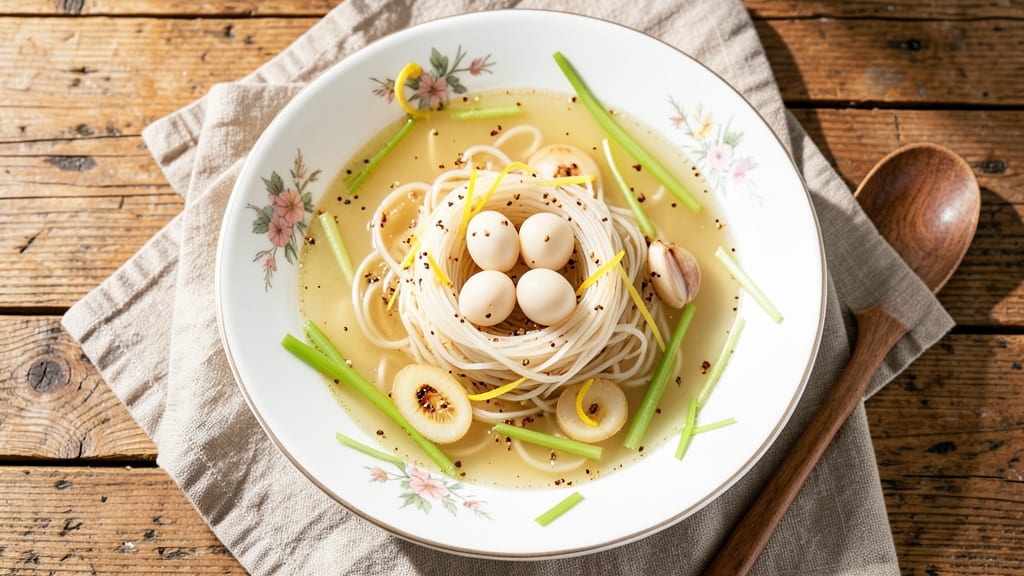
This ant egg soup recipe transforms delicate rice noodles and golden celery into a luxurious broth that balances earthy depth with subtle sweetness. 💛 The secret lies in properly preparing the ant eggs—cleaning them thoroughly and simmering them just until they release their unique umami essence without overpowering the dish.
What makes this recipe special is its ability to deliver restaurant-quality results at home, with a silky texture that's both comforting and sophisticated.
The foundation of this soup begins with a rich broth infused with ginger, garlic, and star anise, creating a fragrant base that carries the delicate flavor of the ant eggs.
Silky rice noodles absorb the aromatic broth while maintaining their delicate texture, while crispy fried shallots and celery crowns add both visual appeal and contrasting textures. This dish is perfect for those seeking an authentic taste of Southeast Asian cuisine without the complexity of traditional preparation.
By the time you finish cooking, you'll have a bowl of soup that's silky, aromatic, and perfectly balanced—each spoonful offering a harmony of flavors that's both familiar and intriguing.
The golden celery crowns provide a satisfying crunch, while the ant eggs contribute a subtle, earthy depth that elevates the entire dish. This recipe is ideal for special occasions or when you want to impress guests with a sophisticated yet approachable meal.
Serve it piping hot with extra fried shallots sprinkled on top for added texture and flavor. The combination of tender noodles, delicate ant eggs, and fragrant broth creates a dining experience that's both comforting and memorable. Here's how to make it perfectly every time.
Ingredients for ant egg soup
Silky broth, delicate noodles, and earthy ant eggs create a luxurious Southeast Asian masterpiece.
| Ingredient | Amount | Notes |
|---|---|---|
| Ant Eggs (Cleaned) 🐛 | ½ cup | Freshly cleaned, dried thoroughly |
| Rice Noodles 🍜 | 8 oz | Flat, wide variety preferred |
| Celery Stems 🧅 | 4 whole | Thick, pale green preferred |
| Shallots 🧅 | 6 whole | Thinly sliced for frying |
| Fresh Ginger 🧄 | 1 ½ tbsp | Finely grated, aromatic |
| Garlic Cloves 🧄 | 6 cloves | Minced, fresh preferred |
| Star Anise 🌟 | 2 whole | Lightly crushed for aroma |
| Vegetable Broth 💧 | 6 cups | Low-sodium preferred |
| Sesame Oil 🫒 | 1 tbsp | For finishing, toasted |
| Olive Oil 🫒 | ½ cup | For frying celery crowns |
| Soy Sauce 🍶 | 2 tbsp | Light or dark preferred |
| Coconut Milk 🥥 | ½ cup | Full-fat for creaminess |
| White Pepper 🌶️ | ½ tsp | Freshly ground preferred |
| Salt 🧂 | 1 tsp | Kosher or sea salt |
| Sugar 🍯 | 1 tsp | For balancing flavors |
The ant eggs are the heart of this dish—freshness is critical. Look for suppliers specializing in edible insects, often found at Asian markets or specialty grocers. They should be clean, dry, and free of moisture. If you can't find them fresh, freeze them for 24 hours to kill any potential bacteria before use. The celery stems need to be thick and pale green for the best texture when fried. Whole Foods or larger grocery stores usually carry the right variety for celery crowns. For star anise, Penzeys Spices or bulk bins offer high-quality whole pods that release more aroma than ground versions.
No ant eggs? Mushroom powder or dried shiitake mushrooms can add earthy depth, though the flavor won't be identical. Substitute rice noodles with vermicelli or udon noodles if needed, but adjust cooking time accordingly. For the celery crowns, if you can't find thick celery stems, use large carrots or parsnips instead—they fry beautifully too. The coconut milk can be swapped for cashew cream or light cream if you prefer a less coconut-forward flavor. For extra richness, toast the sesame oil in the pan before adding it to the soup—it makes all the difference.
Ant eggs and celery crowns keep best in the fridge for 2-3 days, but use them as soon as possible for peak texture. The broth can be made ahead and stored for 3 days, while the fried shallots and celery crowns are best made fresh. Assemble the soup just before serving to maintain the delicate textures. For a restaurant-quality touch, garnish with extra fried shallots and a drizzle of sesame oil. This soup reheats beautifully—just warm gently and adjust seasoning with a splash of soy sauce or a pinch of sugar if needed.
Why You'll Love This Recipe
- No-Chop Necessary: I swear by this one—just slice those celery stems into rough chunks and let the broth do the work. The shallots and ginger? Toss them in whole, then fish them out later. That’s right, no knife skills required.
- Umami Bomb: Between us, those ant eggs pack a flavor punch you won’t find in your average soup. The ginger and shallots caramelize just enough to balance the earthy richness, while the rice noodles soak up every last drop—like a cozy hug in a bowl.
- Lunchbox Hero: Honestly, this is my go-to for meal prep. The soup reheats beautifully, and the noodles stay tender even after a day in the fridge. Pack it in a thermos, and you’ve got a satisfying lunch that costs next to nothing.
- Budget Magic: A bag of ant eggs and a handful of fresh veggies stretch farther than you’d think. I’ve fed four people for under $10 with this—no fancy ingredients, just smart swaps. Plus, leftovers taste just as good cold as they do hot.
Step-by-step instructions for silky rice noodle soup with golden celery crowns
This method delivers restaurant-quality texture and flavor—crispy celery crowns meet delicate noodles in a fragrant broth.
🍳 Step 1: Fry Celery Crowns Until Golden
Cut the 4 whole celery stems into 1-inch thick pieces, leaving the leafy tops intact. Heat 0.5 cup olive oil in a large skillet over medium-high heat until shimmering. Add the celery crowns cut-side down and fry for 4-5 minutes until the cut sides turn deep golden brown and crispy.
Flip carefully and cook another 3-4 minutes until the other sides are golden. Remove and set aside on a paper towel-lined plate. The celery should be crispy enough to hold its shape when lifted with tongs. If they brown too quickly, reduce the heat slightly—you want color, not burning.
👨🍳 Step 2: Build the Fragrant Broth Base
In the same skillet (no need to clean it—the fond adds flavor), add 6 whole shallots sliced thinly and cook for 3-4 minutes until softened and lightly caramelized. Add the 1.5 tbsp fresh ginger and 6 cloves garlic cloves (minced), stirring constantly for 30 seconds until fragrant—this prevents burning.
Pour in the 6 cups vegetable broth and add the 2 whole star anise (lightly crushed). Bring to a gentle simmer, then reduce heat to medium-low. Let it cook uncovered for 10 minutes to develop depth of flavor. You should smell the warm, aromatic notes of the broth—this is where the magic begins.
🥘 Step 3: Prepare the Noodles and Ant Eggs
While the broth simmers, prepare the 8 oz rice noodles by soaking them in hot water for 10-12 minutes until pliable but still slightly firm to the bite. Drain and set aside, covered with a damp towel to prevent drying. For the 0.5 cup ant eggs (cleaned), gently rinse them in cold water and pat dry with paper towels—this removes any surface moisture that could affect texture.
In a small bowl, whisk together 0.5 cup coconut milk, 2 tbsp soy sauce, 1 tsp salt, 1 tsp sugar, and 0.5 tsp white pepper. This mixture will gently coat the noodles and ant eggs, balancing the soup's flavors.
🔥 Step 4: Combine and Finish with Sesame Oil
Add the drained rice noodles to the simmering broth and cook for 3-4 minutes, stirring gently to prevent sticking. The noodles should soften slightly but remain with a slight bite. Add the ant eggs and gently stir to distribute them evenly. Simmer for another 2 minutes—just enough to warm through without overcooking.
Remove from heat and stir in the 1 tbsp sesame oil. This final step adds a nutty aroma and rich finish. Taste and adjust seasoning if needed—you might want a touch more soy sauce for saltiness or a splash of broth to loosen the soup slightly.
🍽️ Step 5: Serve with Crispy Celery Crowns
Divide the soup among bowls, placing 2-3 celery crowns in each serving. The contrast of crispy celery with silky noodles and delicate ant eggs creates the perfect texture play. Garnish with extra sesame oil if desired, and serve immediately while the celery remains crisp and the broth steams hot.
Each spoonful should deliver a harmonious blend of textures—crunchy celery, tender noodles, and the subtle earthiness of ant eggs—all wrapped in a fragrant, well-balanced broth. The star anise adds a subtle warmth that lingers on the palate, making this more than just a simple soup.
Pro Tips For Making Ant Egg Soup
- Boil Noodles Separately: I learned this the hard way—dumping rice noodles straight into the broth makes them gummy. Instead, parboil them for 2-3 minutes in salted water first, then drain and rinse under cold water. This keeps them light and prevents the soup from turning into a gluey mess.
- Toast Shallots Low: Shallots should sizzle gently, not burn. After mincing them, cook over medium-low heat for 5-6 minutes until they’re golden but still fragrant—not crispy. I was skeptical until I tried it: the flavor deepens without bitterness.
- Strain Ant Eggs Twice: Ant eggs are tiny, and leftover grit ruins the texture. After your first strain, rinse them in cold water, then give them a second quick swirl in a fine-mesh sieve. This isn’t the prettiest method, but it’s the tastiest—no sandy surprises in your soup.
- Ginger: Peel and Pound: Skip the grating. Peel a 2-inch knob of ginger, wrap it in plastic, and smash it with a rolling pin until it’s a paste. This releases more flavor than grating, and it dissolves cleanly into the broth. (Yes, even if you’re impatient like me.)
Essential equipment for ant egg soup
Skillet Essentials
Start with a 12-inch heavy-bottomed skillet—I recommend a Lodge cast iron for even heat distribution. This pan handles the high heat needed for crispy celery crowns while preventing burning. A wire cooling rack placed over a baking sheet is perfect for draining fried celery while keeping it crisp. 🔥
Broth Development Tools
Use a fine-mesh strainer to remove star anise after simmering, ensuring a smooth broth. A wooden spoon works best for stirring the broth without scratching the pan. For precise timing, a kitchen timer prevents overcooking the delicate ant eggs.
I also keep a small bowl nearby to whisk the coconut milk mixture before adding it to the soup.
Noodle Prep Gear
A large mixing bowl with a fine-mesh strainer is essential for rinsing and draining the rice noodles. Keep a damp kitchen towel handy to cover the noodles while they rest—this prevents them from drying out. For the ant eggs, a fine-mesh sieve helps rinse them thoroughly without breaking them. 💫
Frying Station Setup
Set up a paper towel-lined plate near your frying station to drain excess oil from the celery crowns. A tongs makes flipping the celery easier without crushing it. For the shallots, a sharp chef's knife ensures thin, even slices that caramelize perfectly.
I also keep a small bowl of ice water nearby to quickly cool any accidental burns during frying.
Serving Presentation
Use deep soup bowls to showcase the layered textures of the dish. A small serving spoon helps distribute the crispy celery crowns evenly. For garnishing, a microplane is perfect for freshly grated ginger or garlic if you want extra aroma.
A small squeeze bottle works great for drizzling sesame oil over each serving. ✨
Nutrition facts
Frequently asked questions
Where can I find ant eggs for this recipe?
Ant eggs are specialty ingredients often found at Asian markets or online retailers like Amazon Fresh or Thai or Vietnamese grocery stores. Look for suppliers that specialize in edible insects—some even sell them frozen. If you can't find them fresh, freeze them for 24 hours before use to ensure safety.
Can I substitute ant eggs with other ingredients?
Yes! For a similar earthy flavor, try dried shiitake mushrooms (finely powdered) or mushroom caps (rehydrated). Another option is white button mushrooms (sautéed until tender), though the texture won't be identical. The key is to add umami depth—soy sauce or miso paste can also help bridge the gap.
How do I make the celery crowns extra crispy?
For maximum crispiness, use thick, pale green celery stems and cut them into 1-inch thick slices. Fry them in hot olive oil over medium-high heat until golden brown—about 4-5 minutes per side. Drain on a wire rack (not paper towels) to prevent steaming. Add a pinch of salt to the oil for extra crunch!
Why does my soup taste too bitter?
Bitterness often comes from overcooking the ant eggs or star anise. Simmer the broth for only 10 minutes (no longer) and remove the star anise immediately after. Balance flavors by adding a splash of coconut milk or a pinch of sugar—this sweetens the broth naturally. Taste as you go!
Can I make this soup ahead of time?
Yes! Prepare the broth and noodles separately, then reheat gently before adding the ant eggs and celery crowns. Store the broth for 3 days in the fridge, and keep the fried celery crowns in an airtight container for 2 days. Reheat the soup on low heat and adjust seasoning with extra soy sauce or sesame oil.