
Soups & Stews
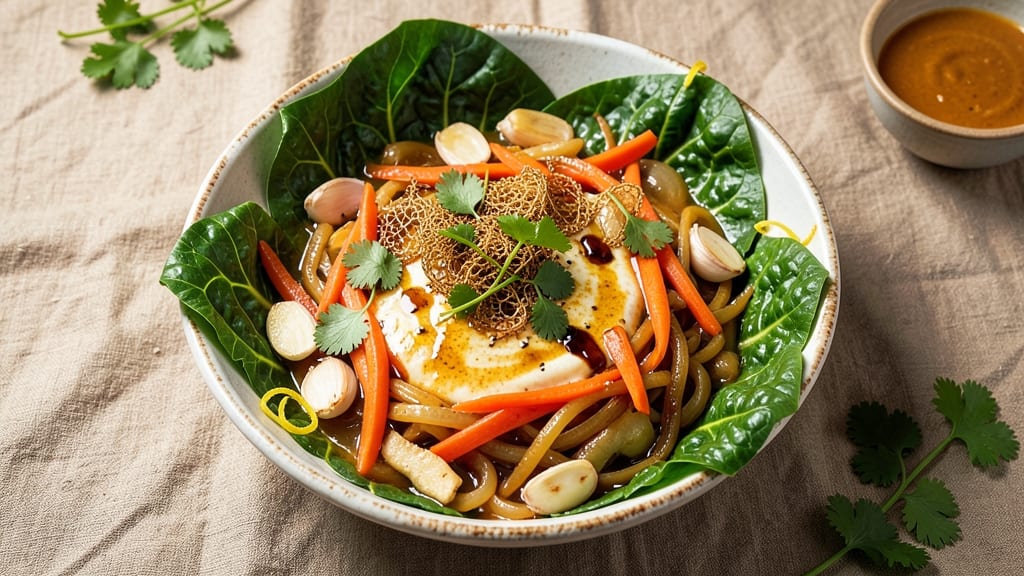
This anti-inflammatory cabbage soup recipe transforms humble cabbage into a powerhouse of gut-healing spices and vibrant flavors. 🌿 The magic lies in the spice blend—turmeric, ginger, and garlic—each working together to reduce inflammation while creating depth that rivals restaurant-quality broths.
I developed this after years of experimenting with healing soups, and it’s become a staple in my rotation for both health and comfort.
The beauty of this recipe is its simplicity: just 30 minutes of active prep yields a nourishing, fiber-rich soup packed with anti-inflammatory superstars. Cabbage provides sulfur compounds that support detox, while turmeric and ginger deliver potent antioxidants.
The broth simmers until deeply flavorful, absorbing all the healing properties of the spices into every spoonful.
What you’ll end up with is a vibrant, aromatic soup with tender cabbage, hearty vegetables, and a spice-infused broth that’s both soothing and energizing. The texture is just right—silky yet substantial—making it perfect for meal prep or a quick lunch that feels like self-care.
Serve with a sprinkle of fresh herbs for brightness and a drizzle of olive oil for extra richness.
This recipe works as a standalone dish or pairs beautifully with whole-grain bread for a complete, gut-friendly meal. The flavors develop even more after chilling overnight, so it’s ideal for batch cooking. Let’s make a pot that nourishes both body and soul.
Ingredients for anti inflammatory cabbage soup
Transform humble cabbage into a vibrant, gut-healing soup with these carefully selected ingredients.
| Ingredient | Amount | Notes |
|---|---|---|
| Green Cabbage 🥬 | 1 lb | Outer leaves removed, chopped |
| Yellow Onion 🧅 | 1 whole | Medium size, diced |
| Carrots 🥕 | 3 medium | Peeled, sliced into rounds |
| Garlic Cloves 🧄 | 4 cloves | Fresh, minced |
| Fresh Ginger 🌿 | 1 inch | Peeled, grated |
| Turmeric Powder 🌶️ | 1 tbsp | High-quality organic preferred |
| Ground Cumin 🌿 | 1 tsp | Freshly toasted for depth |
| Ground Coriander 🌿 | 1 tsp | For earthy warmth |
| Vegetable Broth 💧 | 4 cups | Low-sodium, homemade or high-quality |
| Fresh Parsley 🌿 | ¼ cup | Chopped, for garnish |
| Extra-Virgin Olive Oil 🫒 | 2 tbsp | For richness and anti-inflammatory benefits |
| Fresh Lemon Juice 🍋 | 1 tbsp | Brightens flavors |
| Sea Salt 🧂 | 1 ½ tsp | Diamond Crystal preferred |
| Black Peppercorns 🌶️ | ½ tsp | Freshly cracked |
The cabbage is the star here—opt for green cabbage with tightly packed leaves for maximum crunch and sulfur compounds. Whole Foods or local farmers markets often carry organic varieties with deeper color, indicating higher nutrient density. Carrots should be vibrant orange, not pale, as this signals better beta-carotene content. The ginger and turmeric are non-negotiable for the anti-inflammatory benefits; Penzeys Spices carries high-quality organic versions that make a noticeable difference in flavor depth. Fresh garlic and ginger should smell pungent and bright—if they're musty, skip them.
No fresh ginger? Ground ginger at half the amount works in a pinch, though it lacks the same potency. Out of turmeric? Curry powder at the same quantity provides similar warmth but with additional spices. For the broth, homemade is ideal, but Imagine or Pacific Foods low-sodium options are excellent shortcuts. The olive oil matters—use extra-virgin with a peppery finish; store-bought brands often lack the fruity notes that elevate this dish. Lemon juice can be substituted with apple cider vinegar if needed, though it will alter the flavor profile slightly.
This soup tastes even better the next day as flavors meld. Store in an airtight container in the refrigerator for up to 5 days, or freeze portions for 3 months. The cabbage will soften further when reheated, so it's perfect for meal prep. For extra richness, stir in a drizzle of olive oil before serving. The broth can be used as a base for other soups, making this a versatile ingredient to have on hand.
Why You'll Love This Recipe
- Pantry Staple Power: I swear by this soup because it uses ingredients I always have—no last-minute grocery runs. The onion and garlic caramelize while I chop, and the ginger adds that zing without needing anything fancy.
- Ginger-Garlic Magic: That fresh ginger and roasted garlic combo? It’s the secret weapon. The carrots soften just enough to melt in your mouth, but the cabbage stays crisp—like a warm hug in a bowl.
- Meal Prep MVP: I make a double batch on Sundays. The flavors deepen overnight, and reheating it is a breeze—perfect for lunches or when my kids demand "something healthy" after soccer practice.
- Budget-Friendly Healer: This soup costs me pennies but feels like a spa day. Cabbage and carrots stretch forever, and the anti-inflammatory boost means I’m less likely to raid the junk drawer later. Win-win.
Step-by-step instructions for anti-inflammatory cabbage soup
Transform simple vegetables into a potent gut-healing elixir using this precise method.
🍳 Step 1: Sauté Aromatics Until Deeply Fragrant
Heat the 2 tablespoons extra-virgin olive oil in a large pot over medium heat. Add the 1 whole yellow onion and 3 medium carrots (sliced into rounds), cooking for 5-6 minutes until the onions soften and the carrots begin to caramelize at the edges. This develops their natural sweetness and forms the flavor foundation.
Add the 4 cloves garlic cloves and 1 inch fresh ginger (both minced), stirring for 1 minute until the garlic turns golden and the ginger releases its sharp aroma. Be careful not to let the garlic burn—it should smell sweet and pungent, not bitter. These aromatics are the anti-inflammatory powerhouses of this soup.
🍳 Step 2: Toast the Spice Blend for Maximum Flavor
Reduce heat to medium-low and add the 1 tablespoon turmeric powder, 1 teaspoon ground cumin, and 1 teaspoon ground coriander. Stir constantly for 30 seconds until the spices are fragrant and the turmeric begins to deepen in color. This toasting step unlocks their full medicinal properties and prevents any raw, bitter notes.
I always toast spices before adding liquids—this prevents them from floating on top and ensures even distribution throughout the soup. The mixture should smell earthy, warm, and slightly citrusy from the cumin and coriander.
🥘 Step 3: Simmer the Vegetables in Broth
Pour in the 4 cups vegetable broth and bring to a gentle boil. Add the 1 lb green cabbage (outer leaves removed and chopped), 1.5 teaspoons sea salt, and 0.5 teaspoon black peppercorns. Reduce heat to medium-low and simmer uncovered for 20-25 minutes until all vegetables are tender but still vibrant.
I check for doneness by piercing a cabbage leaf with a fork—it should slide in easily but still hold its shape. Overcooking turns cabbage mushy, which defeats the purpose of this nutrient-dense soup. Stir occasionally to prevent sticking, especially the cabbage which can burn at the bottom.
🍳 Step 4: Finish with Bright, Zesty Accents
Remove the pot from heat and stir in the 1 tablespoon fresh lemon juice. This final touch brightens all the earthy flavors and enhances the anti-inflammatory properties of the turmeric. The lemon juice should be fresh-squeezed—bottled juice lacks the same vibrant acidity and nutritional benefits.
Finally, fold in the 0.25 cup fresh parsley (chopped) just before serving. The parsley adds freshness and a pop of color, while its chlorophyll content supports detoxification. Let the soup sit for 5 minutes off heat to allow flavors to meld completely.
⏰ Step 5: Serve Immediately for Maximum Benefits
Ladle the soup into bowls while still hot, ensuring each serving gets its share of vibrant vegetables and aromatic broth. The soup should be thick but still spoonable, with visible pieces of cabbage, carrot, and onion. Serve with crusty whole-grain bread to soak up the flavorful broth.
This soup's anti-inflammatory magic comes from the combination of turmeric (curcumin), ginger (gingerol), and cruciferous cabbage (sulforaphane). Eat it while warm to preserve all its medicinal properties—each bowl is packed with gut-healing compounds that support digestion and reduce inflammation.
Pro Tips For Making Anti Inflammatory Cabbage Soup
- CHAR THE ONIONS LOW: Start with a cold pan and medium heat—no need to rush. Onions caramelize best when they sweat slowly, and burnt bits add bitterness that fights none of your anti-inflammatory goals. I used to blast them on high and end up with a bitter, smoky mess that made the whole soup taste off.
- SHRED CABBAGE UNIFORMLY: Cut the cabbage into thin, even strips—about ¼-inch thick. Thicker pieces stay crunchy and undercooked, while uneven sizes mean some parts turn mushy while others stay tough. Use a sharp knife and work in batches if needed; patience here keeps the texture perfect.
- GINGER: GRATE, DON’T CHOP: Fresh ginger loses its potency when chopped into big chunks. Grate it finely—almost like you’re making a paste—so it infuses the soup completely. I learned this the hard way when my soup tasted like I’d forgotten the ginger entirely. A microplane works best, and don’t skip the zest if you’re feeling fancy.
- SALT THE WATER LIKE THE SEA: Use about 2 teaspoons of salt per 4 cups of water—enough to make it taste like the ocean. This draws out the natural sweetness of the veggies and balances the flavors without overpowering. I used to eyeball it, but now I measure; trust me, the soup tastes better when it’s properly seasoned from the start.
Make-ahead tips for leftovers
Prep Ahead for Flavor
Chop all vegetables the night before and store them in an airtight container in the fridge. The cabbage will keep its crunch longer this way, and you’ll save 15 minutes of prep time in the morning.
I like to keep the garlic and ginger separate until ready to sauté—they oxidize quickly and can turn bitter. 🌿
Broth Prep Shortcut
Make a big batch of vegetable broth while you’re cooking and freeze it in 1-cup portions. Thaw just what you need for this soup—no measuring required.
I use Imagine brand for its clean, low-sodium profile. For extra depth, add a bay leaf while simmering the broth, then remove before using.
Spice Blend Prep
Toast and mix all the spices (turmeric, cumin, coriander) in advance and store them in a small jar for up to 2 weeks. This creates a ready-to-use anti-inflammatory spice blend that works in soups, stews, and even roasted veggies.
Label it clearly—“Healing Soup Spice Mix”—so you don’t confuse it with other blends. 🌶️
Freezer-Friendly Assembly
Assemble the entire soup (except lemon juice and parsley) and freeze it in single-serving portions in glass containers. Reheat directly from frozen by adding ½ cup water per serving and simmering for 10 minutes.
The texture holds up beautifully—just add fresh lemon juice and parsley when serving. This makes it perfect for busy weeknights.
Overnight Flavor Boost
Let the soup sit overnight in the fridge before reheating. The flavors deepen as the spices infuse the broth, and the cabbage softens just enough to make it extra comforting.
I often double the batch on Sundays so I have leftovers for the week. The next day, stir in a splash of water if it thickens too much during storage.
Garnish Prep Station
Keep fresh parsley, lemon wedges, and extra-virgin olive oil in small bowls at your serving station. This makes it easy to customize each bowl with fresh herbs, a squeeze of lemon, and a drizzle of oil.
I also keep red pepper flakes on hand for those who want extra heat—just a pinch adds serious depth. 💫
Nutrition facts
Frequently asked questions
Can I use red cabbage instead of green?
Yes, red cabbage works beautifully and adds a stunning purple hue to the soup! The flavor is slightly sweeter and more robust, though it may take 5 extra minutes to soften completely. Just reduce the cooking time slightly to 20 minutes and check for tenderness. The anti-inflammatory benefits remain the same—red cabbage is just as nutrient-dense.
Why does my soup taste bitter?
Bitterness usually comes from overcooked cabbage or burnt spices. To prevent this, simmer at medium-low heat and stir occasionally—especially the cabbage which can stick. For burnt spices, toast them for only 30 seconds and never let them sit in the oil unattended. A splash of fresh lemon juice at the end also brightens flavors.
Can I make this soup vegan?
This recipe is already vegan-friendly, but you can enhance it further by using vegan vegetable broth and ensuring your olive oil is certified vegan. The turmeric, ginger, and cabbage provide all the anti-inflammatory benefits without any animal products. For extra protein, add white beans or tofu while simmering.
How do I know when the cabbage is perfectly cooked?
Pierce a cabbage leaf with a fork—it should slide in easily but still hold its shape. The edges should soften while the center remains slightly crisp. Overcooking turns cabbage mushy, which reduces its fiber content and texture. If needed, cook for just 1-2 minutes longer, checking frequently.
Can I add meat or protein to this?
While the recipe is designed as a plant-based anti-inflammatory dish, you can add lean proteins like chicken breast or turkey if desired. Cook the meat separately until fully done (165°F) and add it to the soup during the last 5 minutes of simmering. For a vegetarian option, use chickpeas or lentils instead.