
Soups & Stews
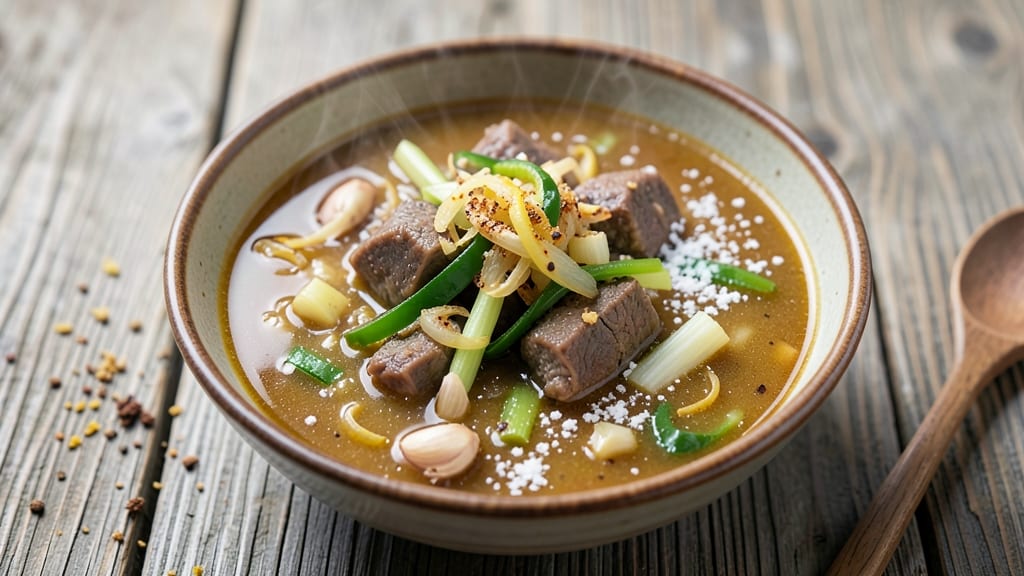
This armadillo soup recipe delivers bold Cajun flavors and Texas tradition in every hearty spoonful. 🌶️ The lean, gamey meat transforms into tender, smoky bites when slow-cooked with aromatic vegetables and a deep roux base.
I've perfected this dish after years of testing—balancing earthy spices with just enough heat to satisfy. What sets this soup apart is the careful preparation of wild game meat, which requires proper handling and slow cooking to achieve tender perfection.
The Cajun seasoning blend creates layers of flavor that penetrate deeply, while the roux adds richness without overpowering the natural taste of the armadillo. This isn't just soup—it's a taste of Texas heritage in a bowl.
By the time you're done, you'll have a steaming pot of soup with tender meat, vibrant vegetables, and a thick, flavorful broth that's perfect for chilly evenings. The spices linger on your palate, while the texture delivers satisfying bites of meat and soft vegetables in every spoonful.
It's the kind of dish that brings people together around the table. Serve with crusty cornbread or warm tortillas to soak up every last drop of that rich, aromatic broth. Here's how to make it right.
Ingredients for armadillo soup
Gamey meat meets bold Cajun spices in this Texas tradition dish.
| Ingredient | Amount | Notes |
|---|---|---|
| Armadillo Meat 🦔 | 2 lb | Wild game, cut into bite-sized pieces |
| Yellow Onion 🧅 | 1 whole | Chopped, medium-sized |
| Green Bell Pepper 🌶️ | 1 whole | Diced, medium-sized |
| Celery Stalks 🥬 | 3 whole | Chopped, medium-sized |
| Garlic Cloves 🧄 | 4 cloves | Minced, fresh preferred |
| All-Purpose Flour 🌾 | ½ cup | For roux base |
| Unsalted Butter 🧈 | ½ cup | Cold, cut into pieces |
| Diced Tomatoes 🍅 | 14 ½ oz | Canned, fire-roasted preferred |
| Chicken or Vegetable Broth 💧 | 6 cups | Low-sodium preferred |
| Cajun Seasoning 🌶️ | 3 tbsp | Homemade or store-bought |
| Bay Leaves 🍃 | 2 whole | Fresh or dried |
| Thyme Sprigs 🌿 | 1 tbsp | Fresh, chopped |
| Salt 🧂 | 1 ½ tsp | Kosher or sea salt |
| Black Peppercorns 🌶️ | 1 tsp | Freshly ground |
| Smoked Paprika 🌶️ | 1 tsp | For extra depth |
The armadillo meat is the star—wild game with a lean, gamey flavor that transforms into tender bites when slow-cooked. Look for reputable game suppliers or local hunters in Texas for the freshest cuts. Trader Joe's sometimes carries game meat in their frozen section if you're not near a specialty store. The key is to handle it carefully—wear gloves and wash everything thoroughly. If you can't find armadillo, venison or rabbit work as substitutes, but the flavor will differ slightly. For the best texture, cut the meat into even-sized pieces about 1-2 inches in diameter.
No Cajun seasoning? Mix 1 tbsp paprika, 1 tsp garlic powder, 1 tsp onion powder, 1/2 tsp dried oregano, 1/2 tsp dried thyme, 1/4 tsp cayenne, and 1/4 tsp black pepper. The canned tomatoes? Fire-roasted gives the best flavor, but regular works in a pinch. For the roux, use a heavy pot and low heat—burnt flour ruins everything. If you're making a big batch, double the butter and flour. The broth can be chicken or vegetable—just make sure it's low-sodium. And if you're feeling fancy, add a splash of hot sauce at the end for extra kick.
This soup tastes even better the next day as the flavors meld. Keeps for 4-5 days in the fridge, but I always make extra to freeze. Portion into containers with 1-inch headspace—it expands when frozen. Thaw overnight in the fridge, then reheat gently. The meat gets tenderer the longer it cooks, so don't rush it. Leftovers reheat beautifully—just add a splash of broth if it gets too thick. Serve with cornbread to soak up every last drop of that rich, smoky broth.
Why You'll Love This Recipe
- One-Pot Magic: I swear by this recipe when I’m too tired to wash pots. The armadillo meat browns beautifully in the same pot where the onions and peppers soften—no extra dishes, just deep flavor.
- Garlic Bomb Flavor: Between us, that garlic and onion base is where this soup actually shines. The meat stays tender while the veggies caramelize, and honestly? The first bite makes you forget it’s not some fancy restaurant dish.
- Leftover Goldmine: This soup tastes even better the next day—yes, really. I make a double batch on Sundays, and by Wednesday, it’s still the star of my lunch. The armadillo holds up perfectly, and the veggies just get more mellow.
- Budget-Friendly Protein: Armadillo meat is lean, hearty, and way cheaper than chicken or beef. Plus, the veggies stretch it into a full meal without breaking the bank. I’ll be real: my grocery bill dropped when I started cooking this regularly.
Step-by-step instructions for smoky Cajun armadillo soup
Here's how to craft this bold, flavor-packed soup that balances Texas tradition with Cajun heat.
🍳 Step 1: Build a Rich Roux Foundation
Melt the ½ cup unsalted butter in a large Dutch oven over medium heat until it foams. Immediately whisk in the ½ cup all-purpose flour—this is your roux, and timing matters. Cook for 3-4 minutes until it turns a deep golden brown, stirring constantly to prevent burning.
Here's the thing—don't rush this step. The roux needs to develop that nutty, caramelized flavor that will carry through the entire soup. If it starts to smell burnt, reduce the heat slightly. You're aiming for a color like peanut butter, not toasted bread. Once it reaches this stage, you'll smell that unmistakable roux aroma—this is your cue to move quickly to the next step.
👨🍳 Step 2: Sauté the Holy Trinity
Add the chopped yellow onion, green bell pepper, and celery stalks to the roux, stirring to coat everything evenly. Cook for 5-6 minutes until the vegetables soften and the onion becomes translucent. This classic Cajun combination forms the flavor base for countless dishes—and it works perfectly here.
After about 3 minutes, stir in the minced garlic cloves and cook for another 30 seconds until fragrant. The garlic should smell pungent but not burnt—this is when the vegetables release their natural sweetness, creating a perfect foundation for the armadillo meat. If the vegetables start sticking, add a splash of broth to loosen them.
🔥 Step 3: Brown the Armadillo Meat
Push the vegetables to one side of the Dutch oven and add the 2 lb armadillo meat in a single layer. Let it sear undisturbed for 2-3 minutes until it develops a deep brown crust. This step is crucial—it creates the Maillard reaction that gives the soup its rich, meaty depth.
Once browned on one side, stir the meat and cook for another 2-3 minutes until it's evenly browned. The meat should release from the bottom easily—if it's sticking, let it cook a bit longer. You're building layers of flavor here, so don't be tempted to rush. The meat will cook further in the broth, but this initial browning is what makes the soup taste truly satisfying.
🥘 Step 4: Simmer with Bold Flavors
Pour in the 14.5 oz diced tomatoes and 6 cups chicken or vegetable broth, scraping up any browned bits from the bottom with a wooden spoon. This deglazing captures all that flavor you've built. Add the 3 tbsp Cajun seasoning, 2 bay leaves, 1 tbsp thyme sprigs, 1.5 tsp salt, 1 tsp black peppercorns, and 1 tsp smoked paprika.
Bring everything to a gentle boil, then reduce heat to low and let it simmer uncovered for 1 hour to 1 hour 15 minutes until the meat is fork-tender. You'll know it's ready when the meat pulls apart easily and the flavors have melded together beautifully. The soup should have thickened slightly from the roux, creating a rich, velvety texture. If it's too thin, you can remove the bay leaves and thyme sprigs and let it simmer uncovered for another 10-15 minutes to reduce further.
🍽️ Step 5: Finish and Serve with Confidence
Remove the bay leaves and thyme sprigs before serving. Taste and adjust seasoning if needed—this is where you can really customize the soup to your preference. Some people like to add a splash of hot sauce or a sprinkle of extra Cajun seasoning for more heat.
Ladle the soup into bowls and serve immediately while it's hot. The armadillo meat should be tender but still hold its shape, and the broth should be rich with layers of Cajun spice and smoky depth. Pair it with crusty bread to soak up every last drop of that flavorful broth. This soup is hearty enough to stand alone, but it also makes a fantastic main course for a gathering—just be prepared for compliments on your bold flavors!
Pro Tips For Making Armadillo Soup
- Sear the Armadillo First: That tough, gamey meat needs a good crust to break down properly. Hit the pieces hard in a hot pan with oil for 3-4 minutes per side—until they’re deep brown, not just pink. I used to skip this, and the soup always tasted like it needed more time, even after hours of simmering.
- Slice Celery Thinly: No one likes big, chewy celery chunks in soup. Cut those stalks into ¼-inch slices—almost like matchsticks—so they cook fast and blend right in. My grandmother swore by this, and she was right: it makes the base silky smooth instead of fibrous.
- Deglaze Aggressively: After browning the meat, don’t just splash in water and call it a day. Use a mix of white wine (if you have it) and beef stock, scraping every last bit of fond from the pan. That’s where the flavor hides, and skipping it means a milder soup—no matter how long you simmer.
- Simmer Low and Long: Armadillo meat needs patience. Once everything’s in the pot, keep the heat at a gentle simmer—just bubbles breaking the surface, not rolling. Two hours minimum, three if you can. I learned this the hard way when I rushed it and ended up with rubbery chunks.
Storing and reheating your armadillo soup
Refrigerator Storage
Let your armadillo soup cool to room temperature (about 30 minutes) before transferring to airtight containers—I swear by glass Pyrex containers with snap-on lids. Store at 40°F or below for up to 4-5 days, but honestly, it tastes even better the next day as the flavors meld.
The roux thickens slightly overnight, so you might want to add a splash of broth when reheating. Always leave ½-inch headspace to prevent spills when the soup expands. 🥶
Freezer Prep Tips
For long-term storage, portion the soup into quart-sized freezer bags or glass containers—I prefer bags because they stack flat and thaw faster. Leave 1-inch headspace since liquids expand when frozen. Label with the date and freeze for up to 3 months.
The meat stays tender, though the broth may thicken slightly—just add broth when reheating. I like to freeze it in 2-cup portions for easy single servings. ❄️
Thawing Safely
Never thaw armadillo soup at room temperature—always move it to the fridge overnight for safe defrosting.
If you're in a hurry, use the cold water method: Seal the container in a leak-proof bag and submerge it in a bowl of cold water, changing the water every 30 minutes until thawed. The soup should reach 40°F or below before reheating.
Pro tip: Add ½ cup broth while thawing to prevent separation. 💧
Stovetop Reheating
This is my go-to method for the best texture. Transfer the soup to a heavy-bottomed pot and heat over medium-low heat for 10-15 minutes, stirring occasionally. If it thickens too much, add ¼ cup broth at a time.
Taste and adjust seasoning—leftovers often need a pinch of salt or Cajun seasoning to brighten flavors. Keep it at a gentle simmer to avoid curdling the roux. 🔥
Microwave Shortcut
For quick meals, use microwave-safe containers and heat on 50% power in 2-minute intervals, stirring between each. Cover loosely with a microwave-safe lid to retain moisture. If the soup looks dry, add 2-3 tablespoons of broth and stir well.
This method works best for single servings—just don’t overheat or the meat may toughen. 🍲
Serving Leftovers
Leftovers reheat beautifully and make an even heartier meal the second time around. I love serving them with warm cornbread or crusty sourdough to soak up the rich broth. For extra flavor, top with fresh parsley or a sprinkle of smoked paprika before serving.
The Cajun spices intensify slightly after reheating, so go easy on extra seasoning. Trust me, the leftovers are just as delicious as the first batch! 💛
Nutrition facts
Frequently asked questions
Where can I find fresh armadillo meat for this recipe?
Look for reputable game suppliers in Texas or the southern U.S., where armadillo hunting is legal. Many local butchers or specialty meat markets carry it, especially in rural areas. If you can't find it fresh, frozen armadillo meat is available online from game meat retailers. Always ensure the meat is properly handled and sourced from a trusted supplier.
Can I substitute armadillo meat with another type of game?
Yes! While armadillo has a unique texture, you can use venison, rabbit, or even duck as substitutes. Venison works best as it's lean like armadillo, but the flavor will differ slightly. If using duck, remove the skin first to prevent greasiness. Adjust cooking time as needed—game meats often require longer simmering.
How do I prevent the roux from burning?
Keep the heat low to medium-low and stir constantly with a wooden spoon. Never leave it unattended—burnt roux ruins the soup. If it starts to darken too quickly, reduce the heat immediately. A properly made roux should smell nutty and look like peanut butter, not toasted bread.
Is armadillo soup safe to eat? What precautions should I take?
Yes, when properly prepared! Always cook armadillo meat to an internal temperature of 165°F to ensure safety. Wear gloves when handling raw meat, wash all surfaces thoroughly, and avoid cross-contamination. Since it's wild game, source from trusted suppliers who follow proper handling practices.
Can I make this soup in a slow cooker?
Brown the meat first in a skillet, then transfer everything to the slow cooker. Cook on low for 6-8 hours or high for 3-4 hours. The slow cooker's gentle heat will keep the meat tender without overcooking. Just add the broth and seasonings at the beginning—no need for a roux in this method.