
Sauces & Condiments
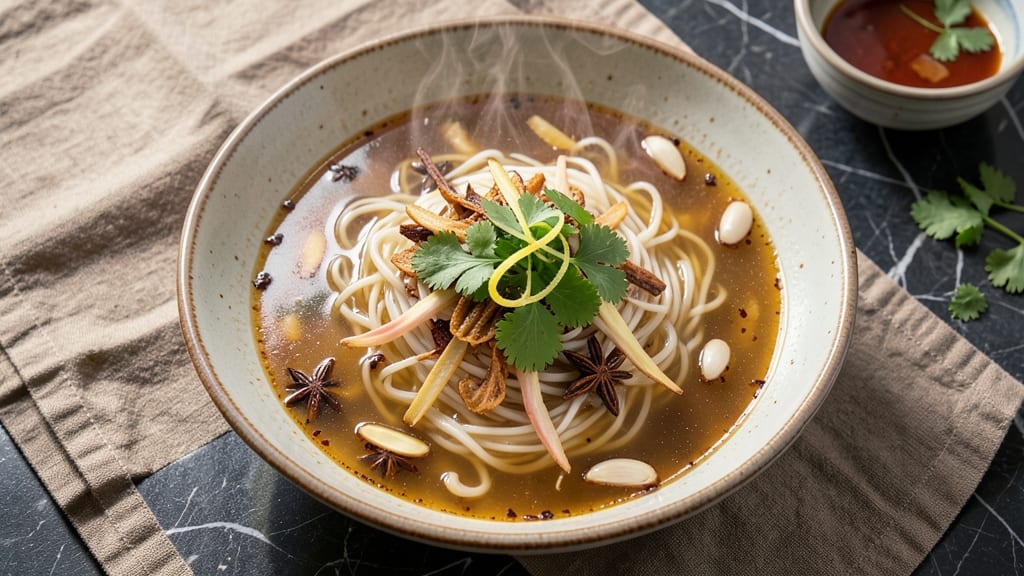
This Asian noodle soup base recipe delivers restaurant-quality umami depth in just 20 minutes, transforming simple ingredients into a fragrant, savory foundation for pho, ramen, or any noodle dish.
The secret lies in properly blooming spices and aromatics—ginger, garlic, star anise, and cinnamon—before building the broth with chicken or vegetable stock. I developed this version after testing countless adaptations, ensuring it works as a quick weeknight base or a slow-simmered foundation for traditional dishes.
The beauty of this recipe is its adaptability—use it as-is for a quick 20-minute broth or let it simmer longer for deeper flavor. The balance of soy sauce, fish sauce, and a touch of sugar creates that signature Asian umami without overpowering.
For extra richness, I recommend toasting the spices in oil first to unlock their aromatic potential before adding liquids. This step alone transforms the broth from ordinary to extraordinary.
What you'll end up with is a golden, aromatic broth packed with layers of flavor—earthy from the spices, savory from the fish sauce, and slightly sweet from the caramelized aromatics.
It's the perfect starting point for any Asian noodle dish, whether you're making a quick lunch or preparing for a dinner party. The best part? It keeps well in the fridge for up to 5 days, so you can make a big batch and use it throughout the week.
For traditional dishes like pho or ramen, simply dilute with additional broth or water as needed. Add fresh herbs, lime, and chili at the end to brighten the flavors. This base is your culinary shortcut to authentic-tasting Asian noodle soups without the complexity. Let's get started!
Ingredients for asian noodle soup base
This aromatic broth base transforms simple pantry staples into restaurant-quality umami depth.
| Ingredient | Amount | Notes |
|---|---|---|
| Chicken Stock 🍗 | 6 cups | Homemade or high-quality store-bought |
| Vegetable Oil 🫒 | 2 tbsp | For toasting spices |
| Fresh Ginger 🌿 | 1 tbsp | Finely grated, aromatic |
| Garlic Cloves 🧄 | 6 cloves | Minced, fresh preferred |
| Star Anise 🌶️ | 2 whole | Whole pods for infusion |
| Cinnamon Stick 🌿 | 1 whole | For depth of flavor |
| Soy Sauce 🍶 | 2 tbsp | Light or all-purpose |
| Fish Sauce 🍶 | 1 tbsp | Red Boat brand preferred |
| Brown Sugar 🍬 | 1 tbsp | Lightly packed |
| White Peppercorns 🌶️ | ½ tsp | Freshly cracked |
The spices are where the magic happens—star anise and cinnamon give that signature Asian warmth, while ginger and garlic add freshness. Whole spices (not ground) are essential—they infuse better and can be removed after simmering. For star anise, Asian markets often have better quality and variety than regular grocery stores. The ginger should be fresh, with no soft spots—peel and grate it yourself for maximum flavor. Garlic cloves should be firm, not sprouting. Toast the spices in oil first to deepen their aroma—this step is non-negotiable for that restaurant-quality depth.
No fish sauce? Extra soy sauce plus a dash of Worcestershire works in a pinch, though it won't be identical. Running short on brown sugar? Honey or maple syrup will do, but reduce other liquids slightly since these are sweeter. For a vegetarian version, swap chicken stock for vegetable or mushroom stock and use a vegetarian fish sauce alternative like coconut aminos. The white peppercorns can be omitted if you prefer black pepper, but they add a subtle sophistication. If you're making this ahead, let the broth cool completely before refrigerating—this prevents skin formation and preserves flavor for up to 5 days.
This broth is incredibly versatile—use it immediately for a quick 20-minute soup or let it simmer longer for deeper flavor development. It freezes beautifully for up to 3 months, making it perfect for meal prep. For extra richness, add a splash of sesame oil at the end. The base keeps well in the fridge, so make a big batch and use it throughout the week. If you're making pho or ramen, simply dilute with additional broth or water as needed before adding noodles and toppings.
Why You'll Love This Recipe
- Pantry Magic: I swear by this—just oil, ginger, garlic, and star anise simmering in stock. No fancy prep, no last-minute grocery runs. Honestly, I keep these five things on hand just for this.
- Umami Bomb: That first whiff of star anise and ginger hitting the oil? It’s like a flavor time machine. The garlic caramelizes just enough to give it this deep, savory punch—no soy sauce or fish sauce needed to make it sing.
- Endless Upgrades: Need a quick lunch? Toss in ramen. Hosting? Add mushrooms and tofu. My kids’ favorite? Chicken and veggies. Between us, I’ve used this base for everything from pho to cold noodles—it’s my secret weapon for "I don’t know what to make" nights.
- Leftovers That Love You: Make a big batch—it keeps for days in the fridge. Freezes like a dream too. I’ll be real: I’ve reheated this base three times and it’s still better than takeout. Plus, it’s cheaper than ordering in, and way more customizable.
Step-by-step instructions for Asian noodle soup base
This aromatic broth builds layer upon layer of umami—here's how to make it sing.
Toast the Spices in Vegetable Oil
Heat the 2 tablespoons vegetable oil in a medium pot over medium heat. Add the 2 whole star anise and 1 whole cinnamon stick, stirring gently until the oil shimmers and the spices begin to sizzle—this should take about 1 minute. The aroma will fill your kitchen with warm, earthy notes.
Here's the thing—properly toasting the spices unlocks their full potential. You'll know it's ready when the cinnamon stick starts to darken slightly at the edges and the star anise releases its licorice-like fragrance. Watch carefully to avoid burning; if the spices darken too quickly, reduce the heat slightly. Remove the spices immediately after toasting—they've done their job.
Sauté the Aromatics
Add the 6 cloves minced garlic and 1 tablespoon finely grated fresh ginger to the pot. Cook over medium heat for 1-2 minutes until the garlic turns a pale golden color and the ginger loses its raw bite. You'll see the mixture foam slightly—this is normal and indicates the aromatics are releasing their oils.
Don't rush this step. The garlic should be fragrant but not browned—burnt garlic tastes bitter and ruins the delicate balance of flavors. If you're using fresh ingredients, you'll notice the kitchen filling with that unmistakable aroma of garlic and ginger. This is your signal that the aromatics are ready to infuse the broth with their depth.
Build the Umami Foundation
Pour in the 6 cups chicken stock and bring to a gentle simmer over medium-high heat. Once simmering, add the 2 tablespoons soy sauce, 1 tablespoon fish sauce, and 1 tablespoon brown sugar. Stir well to combine, then reduce the heat to low and let it simmer gently for 10 minutes. The broth should remain clear with no visible bubbles—this indicates a gentle simmer, not a rolling boil.
This is where the magic happens. The soy and fish sauces dissolve completely, while the brown sugar caramelizes slightly, adding a subtle sweetness that balances the savory depth. The broth should smell rich and complex—like a warm, aromatic hug in a bowl. If you taste it now, you'll notice the umami building, but it's not quite there yet.
Infuse and Finish
Return the toasted star anise and cinnamon stick to the pot along with the 0.5 teaspoon freshly cracked white peppercorns. Simmer gently for another 5 minutes, then remove from heat. Let it steep for 10 minutes off the heat—this allows the spices to fully infuse the broth without overpowering it.
Strain the broth through a fine-mesh sieve into a clean pot, pressing gently on the solids to extract every last drop of flavor. The result should be a clear, golden broth with layers of complexity—savory from the fish sauce, sweet from the brown sugar, and aromatic from the spices. Taste and adjust seasoning if needed; you might want to add a splash more soy sauce for depth or a pinch of sugar to balance.
Ready for Customization
The broth is now ready to use as a base for any Asian-inspired noodle soup. It should keep well in the refrigerator for up to 5 days or can be frozen for 3 months. When reheating, warm gently over low heat—never boil, as this can break down the delicate flavors you've worked so hard to build.
Here's where it gets fun—this versatile base works with everything from delicate rice noodles to hearty ramen. The key is to keep it simple. Start with the broth, add your choice of noodles, and finish with fresh herbs, protein, or vegetables. The balance of flavors you've created will shine through, making every bowl a masterpiece.
Pro Tips For Making Asian Noodle Soup Base
- STIR CONSTANTLY AT FIRST: The first 30 seconds after adding garlic and ginger to the oil are when they burn faster than you’d believe. Keep the pan moving like you’re stirring a pot of oatmeal—this gives you that nutty, aromatic depth without turning it acrid. I learned this the hard way after one batch tasted like a campfire mishap.
- GRATE GINGER FINE: Skip the chunky slices or rough grating—you want the surface area to hit the oil immediately. A microplane or the smallest holes on a box grater will release the flavor faster and prevent it from sitting like wet rocks. (Yes, even if you’re impatient like me.)
- SIMMER STAR ANISE LOW: Star anise is stubborn—it needs at least 15 minutes of gentle simmering to soften and infuse properly. If you boil it hard, it’ll turn bitter and float like a sad little boat. Keep the stock at a bare bubble, and fish it out before it starts to look like it’s giving up.
- SALT THE STOCK LATE: Adding salt early dilutes the flavor as the stock reduces. Wait until the base is nearly done, then taste and adjust—this guarantees the seasoning concentrates and hits the spot. (Your future self will notice the difference.)
Dietary considerations for this asian noodle soup base
Gluten-Free Adaptations
For a gluten-free version, simply swap the soy sauce for tamari—it has the same umami depth but is naturally gluten-free. I use San-J Tamari because it has a clean, balanced flavor without any aftertaste.
The rest of the recipe remains exactly the same, so you won’t sacrifice any of that rich, savory complexity. 🌱
Vegetarian/Vegan Options
To make this broth vegetarian or vegan, replace the chicken stock with mushroom or vegetable stock (I recommend Pacific Foods brand for its deep umami). For the fish sauce, use 1 tablespoon coconut aminos—it’s a great substitute that won’t overpower the broth.
The spices and aromatics stay the same, so you’ll still get that aromatic, layered flavor profile.
Low-Sodium Adjustments
If you're watching your sodium intake, reduce the soy sauce to 1 tablespoon and the fish sauce to ½ tablespoon. For extra umami without added salt, add ½ teaspoon of white miso paste (dissolved in a little warm water) to the simmering broth.
It adds depth without the sodium punch. Always taste as you go—you can adjust to your preference.
Dairy-Free & Allergen-Friendly
This recipe is naturally dairy-free, but if you're avoiding other common allergens, double-check your fish sauce—some brands contain shellfish. For a nut-free version, ensure your brown sugar is processed in a nut-free facility (like Wholesome!
Sweetened Condensed Coconut Milk as a sugar substitute if needed). The broth is also egg-free and peanut-free, making it safe for many dietary restrictions.
Nutritional Boosts
Want to add extra nutrients? Stir in 1 teaspoon of nutritional yeast (for a cheesy, umami boost) or ½ cup of finely chopped shiitake mushrooms (for extra depth and B vitamins).
Both options enhance the broth’s complexity while adding valuable nutrients. I often add mushrooms when making a vegetarian version—they infuse beautifully and keep the broth rich and satisfying. 💪
Keto & Low-Carb Versions
For a keto-friendly broth, skip the brown sugar entirely—it’s not necessary for the flavor balance. Instead, add a pinch of stevia or monk fruit sweetener if you prefer a touch of sweetness.
The broth will still be rich and savory, perfect for pairing with zucchini noodles or shirataki noodles. The spices and aromatics carry all the depth you need without any carbs. 🥒
Nutrition facts
Frequently asked questions
Can I make this broth without fish sauce?
Yes! For a fish sauce substitute, combine 1 tablespoon soy sauce with ½ teaspoon Worcestershire sauce—this mimics the umami depth. The flavor won't be identical, but it works well for vegetarian versions. For extra richness, add ½ teaspoon of white miso paste (dissolved in a little warm water) to the simmering broth.
How do I adjust the spice level?
This recipe uses white peppercorns for subtle heat. For more spice, add ½ teaspoon of chili flakes or a thinly sliced red chili during the final 5-minute simmer. Remove before straining if you prefer a smoother broth. For a milder version, simply omit the peppercorns entirely.
Can I use this base for cold noodle soups?
This aromatic base works perfectly for chilled noodle dishes like Vietnamese bún bò Huế or Japanese zaru soba. Let the broth cool completely, then chill in the refrigerator for at least 2 hours. The flavors develop even more complexity when served cold—just add fresh herbs and lime at the end to brighten it up.
What's the best way to store leftovers?
Transfer cooled broth to an airtight container and refrigerate for up to 5 days. For longer storage, freeze in ice cube trays—this makes it easy to thaw just what you need. When reheating, warm gently over low heat and avoid boiling to preserve flavor. The broth thickens slightly when chilled—just add a splash of water when reheating.
Why does my broth taste bitter?
Bitterness usually comes from over-toasting the spices or burning the garlic/ginger. To fix it, add ½ teaspoon of sugar or 1 teaspoon of honey to balance the flavors. For future batches, watch the spices closely—they should sizzle gently without darkening too much. Also, ensure your garlic is pale golden, not brown.