
Soups & Stews
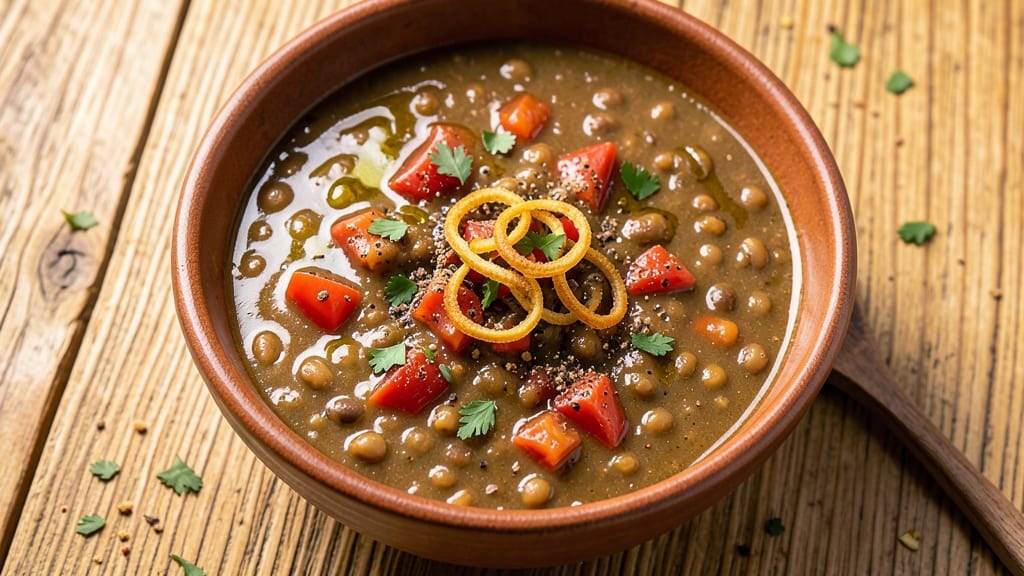
This authentic Lebanese lentil soup brings the heart of Beirut to your kitchen with its fragrant blend of cumin, allspice, and lemon—simmered into a rich, warming broth that’s as comforting as it is traditional.
The secret lies in slow-cooking the lentils with aromatic spices until they’re tender yet retain their shape, creating a dish that’s both hearty and delicate. Unlike many Western versions, this recipe stays true to Lebanese roots, where tahini and olive oil play starring roles in balancing flavors.
What sets this soup apart is its foolproof technique—no fancy equipment required, just a pot, patience, and a few key ingredients like allspice and cumin, which infuse the broth with earthy depth.
The lentils soak briefly to soften without breaking, while the spices toast gently in olive oil to release their full aroma. Lemon juice brightens the dish at the end, cutting through the richness for a perfect balance.
By the time you’re done, you’ll have a restaurant-quality bowl of soup with tender lentils swimming in a fragrant, spiced broth—ideal for chilly evenings or family gatherings. The garnish of tahini and parsley adds creaminess and freshness, while crusty bread or yogurt on the side makes it a complete meal.
This is the kind of dish that tastes like home, no matter where you are.
Ready in under one hour, this recipe scales easily for crowds and keeps well for days, making it perfect for meal prep. Whether you’re serving it at a holiday table or a quiet weeknight dinner, the warmth of Lebanese tradition will shine through in every spoonful. Let’s get cooking!
Ingredients for authentic lebanese lentil soup
Six ingredients make this Lebanese classic—simple but packed with bold flavors.
| Ingredient | Amount | Notes |
|---|---|---|
| Brown Lentils 🌾 | 1 ½ cups | Rinsed thoroughly before cooking |
| Extra-Virgin Olive Oil 🫒 | ¼ cup | High quality, fruity variety |
| Yellow Onion 🧅 | 1 whole | Diced into small pieces |
| Garlic Cloves 🧄 | 4 cloves | Minced finely for aroma |
| Ground Cumin 🌿 | 1 tbsp | Toasted for deeper flavor |
| Ground Allspice 🌶️ | ½ tsp | Key to authentic Lebanese flavor |
| Ground Coriander 🌿 | ½ tsp | Adds citrusy brightness |
| Salt 🧂 | 1 ½ tsp | Kosher or sea salt preferred |
| Vegetable Broth 💧 | 4 cups | Low-sodium preferred |
| Fresh Lemon Juice 🍋 | 2 tbsp | Freshly squeezed |
| Tahini 🥜 | ¼ cup | Sesame paste for creaminess |
| Fresh Flat-Leaf Parsley 🌿 | ¼ cup | Chopped for garnish |
| Fresh Mint Leaves 🍃 | 0.15 cup | Optional for freshness |
The lentils are the heart of this soup, so grab brown or green from the bulk bin—they hold their shape better than red. Trader Joe's or Middle Eastern markets often carry the best quality, but any grocery store's dried lentils work. Toast the spices in olive oil for 30 seconds—that's when they release their magic. Fresh garlic and onion? No substitutes here—they're the flavor base. If you're short on time, pre-chopped onions from the salad bar section save minutes, but fresh is always better.
No tahini? Substitute with peanut butter—it's what I do when I'm out, though it changes the flavor slightly. Fresh parsley and mint are ideal, but dried parsley at half the amount works in a pinch. The lemon juice is non-negotiable—it brightens everything. No fresh lemons? Bottled lemon juice (like ReaLemon) is fine, but add a pinch of salt to balance. The vegetable broth should be low-sodium—most store brands are, but check the label if you're watching salt intake. For extra depth, add a 1-inch piece of ginger while simmering.
This soup tastes even better the next day—3-4 days in the fridge, no problem. For freezing, portion into containers with 1-inch headspace—it expands when frozen. The tahini thickens when chilled, so stir in a splash of warm water if it seems too stiff. Garnish with extra parsley and a drizzle of olive oil right before serving. Leftovers make great lunches—just reheat with a splash of water to loosen things up.
Why You'll Love This Recipe
- No-Chop Night Done: I swear by this—just dice one onion, mince a few garlic cloves, and toss them into the pot. The lentils do all the work while you sip tea and pretend you’re not actually cooking.
- Earthy Warmth Bomb: That cumin-toasted olive oil base? It’s where the magic happens. Deep, toasty, and just a hint of smoky warmth that makes every spoonful feel like a hug from my grandma’s kitchen.
- Lunchbox Hero: Between us, this soup reheats like a dream. Pack it in thermoses for work or school—it stays hearty and flavorful, and honestly? You’ll be the office favorite by Wednesday.
- Pantry Staple Power: Brown lentils and cumin never go bad, and onions last forever. Throw in whatever veggies you have (carrots, tomatoes, spinach—whatever’s lurking). Budget-friendly doesn’t get much better than this.
Step-by-step instructions for authentic Lebanese lentil soup
Here's how to build this soul-warming Lebanese classic with deep spice and creamy tahini richness.
Sauté the Aromatics in Olive Oil
Heat the 0.25 cup extra-virgin olive oil in a large pot over medium heat until shimmering but not smoking. Add the diced yellow onion and cook for 5 minutes until soft and translucent, stirring occasionally. You'll smell that sweet onion aroma developing—this is your foundation.
Add the 4 minced garlic cloves and cook for 30 seconds until fragrant. Here's the thing—don't let the garlic brown or it'll turn bitter. Immediately add the 1 tbsp ground cumin, 0.5 tsp ground allspice, and 0.5 tsp ground coriander, stirring constantly for 1 minute to toast the spices. This releases their essential oils and builds authentic Lebanese flavor.
Cook the Lentils Until Tender
Add the 1.5 cups rinsed brown lentils and 1.5 tsp salt to the pot, stirring to coat the lentils in the spiced oil. Pour in the 4 cups vegetable broth and bring to a boil. Once boiling, reduce heat to low and simmer uncovered for 25-30 minutes until the lentils are tender but still hold their shape.
I know it's tempting to check constantly, but resist. The lentils need steady, gentle heat to soften evenly. Stir occasionally to prevent sticking. You'll know they're done when they're fork-tender but not mushy—this ensures they'll hold up when you add the tahini later.
Finish with Tahini and Brighten with Lemon
Remove the pot from heat and let it cool slightly for 5 minutes. This is crucial—adding tahini to hot soup can cause it to seize up. Stir in the 0.25 cup tahini gradually, whisking constantly to prevent lumps. The soup will thicken noticeably as the tahini emulsifies.
Return the pot to low heat and stir in the 2 tbsp fresh lemon juice. This bright citrus note cuts through the richness of the tahini and balances the warm spices. Taste and adjust seasoning—you might need a little more salt to bring out all the flavors. The soup should be rich, spiced, and just slightly thickened.
Garnish and Serve Warm
Divide the soup among bowls and top each serving with 1 tablespoon chopped fresh flat-leaf parsley and 1 tablespoon fresh mint leaves. The parsley adds freshness while the mint brings a bright, herbal note that's characteristic of Lebanese cuisine. Serve immediately with warm pita bread on the side.
This soup tastes even better the next day as the flavors meld further, but the tahini can separate if stored too long. For the best experience, enjoy it fresh while the tahini is still beautifully emulsified and the spices are at their peak. Each spoonful delivers that perfect balance of earthy lentils, warm spices, creamy tahini, and bright lemon.
Pro Tips For Making Authentic Lebanese Lentil Soup
- Bloom the Spices: Toast your cumin and garlic in the olive oil until the garlic just turns golden—about 30 seconds. I learned this the hard way: skipping the bloom means the cumin stays bitter and the garlic never develops that nutty depth. Let the oil shimmer but don’t let it smoke, or you’ll ruin the whole dish.
- Sweat the Onion Slow: Walk away after chopping the onion and let it cook on medium-low for 8-10 minutes until it’s soft, translucent, and just starting to caramelize at the edges. I used to rush this, and the soup always tasted flat—this step builds the flavor base.
- Rinse the Lentils: Give your brown lentils a quick rinse under cold water before cooking to remove any dirt or debris. My grandmother swore by this, and she was right: unrinsed lentils can make the soup taste gritty or muddy, even if they look clean.
- Simmer, Don’t Boil: Once the lentils are added, keep the heat at a gentle simmer—tiny bubbles at the edges, not a rolling boil. After burning three batches, I finally figured out that boiling breaks down the lentils too fast, turning them mushy instead of tender.
Troubleshooting this recipe
Lentils Too Soft
If your lentils turn mushy, you likely overcooked them. Lebanese lentil soup should have tender but still firm lentils—think al dente pasta. For next time, reduce simmering time to 20-25 minutes and check at 20 minutes.
Also, make sure your pot has enough water (or broth) to cover the lentils by at least 1 inch—crowding causes uneven cooking. 🌾
Broth Too Thin
The tahini is what thickens this soup, but if your broth stays watery, you might need to adjust. Simmer the soup uncovered for 5-10 extra minutes to reduce it slightly before adding tahini.
Alternatively, stir in 1 tablespoon cornstarch mixed with 2 tablespoons cold water and simmer for 2 minutes to thicken. Just don’t overdo it—the soup should still be spoonable, not paste-like.
Tahini Separating
Tahini can split from the soup if added too quickly or if the soup is too hot. To fix it, whisk in 1 tablespoon warm water and stir vigorously. For prevention, always let the soup cool slightly (5 minutes) before adding tahini, and whisk constantly.
If it still separates, stir in 1 teaspoon lemon juice to help emulsify it naturally. 🥜
Spices Overpowering
If your soup tastes too spicy or bitter, you might have toasted the spices too long. Next time, reduce the toasting time to 30 seconds instead of 1 minute for the cumin and allspice.
Balance the flavors by adding 1 extra tablespoon lemon juice or a pinch of sugar to counteract bitterness. Taste as you go—this is a flavor you can always adjust!
Lentils Not Cooking Evenly
Uneven lentils usually mean the pot wasn’t hot enough or the lentils weren’t covered properly. Use a heavy-bottomed pot to maintain even heat, and ensure the broth covers the lentils by at least 1 inch.
If some lentils are still hard, they’re likely the ones at the bottom—stir them in a bit more broth and simmer for 5 extra minutes. Avoid stirring too often, as this can break them apart.
Tahini Too Thick
If your tahini makes the soup too thick, thin it out by adding 1-2 tablespoons warm water or broth and whisking until smooth. For future batches, reduce the tahini to 0.2 cup instead of 0.25 cup if you prefer a lighter consistency.
The soup should coat the back of a spoon but still be easy to ladle. 💡
Nutrition facts
Frequently asked questions
Why does Lebanese lentil soup use tahini?
The tahini adds a rich, nutty creaminess that balances the earthy lentils and warm spices. In Lebanese cuisine, tahini isn't just a garnish—it's a key ingredient that creates that signature velvety texture while adding healthy fats. The lemon juice then brightens the dish, cutting through the richness perfectly.
Can I make this soup without tahini?
Yes, but the flavor will be different. For a substitute, try 2 tablespoons peanut butter (unsweetened) or 1 tablespoon olive oil mixed with 1 teaspoon lemon juice. The dish will still be delicious, though it won't have that authentic Lebanese creaminess. If you're avoiding tahini for allergies, check labels—some brands contain sesame.
How do I store leftovers?
Store in an airtight container in the fridge for up to 4 days. The tahini may separate slightly, so stir well before reheating. For freezing, portion into containers with 1-inch headspace—it expands when frozen. Thaw overnight in the fridge, then reheat gently on the stove with a splash of water or broth to restore creaminess.
What's the best way to serve this soup?
Serve it warm with crusty pita bread or warm flatbread for dipping. A dollop of plain yogurt on top adds a cooling contrast to the spiced broth. For extra freshness, serve with pickled vegetables or a simple green salad. The soup is hearty enough to be a complete meal on its own.
Can I add tomatoes to this recipe?
Many Lebanese versions include tomatoes for extra depth. Add 1 diced medium tomato with the onions and cook until softened. For a more traditional approach, blend 1 cup tomato sauce** with the spices before adding the lentils. The acidity helps balance the tahini beautifully.