
Soups & Stews
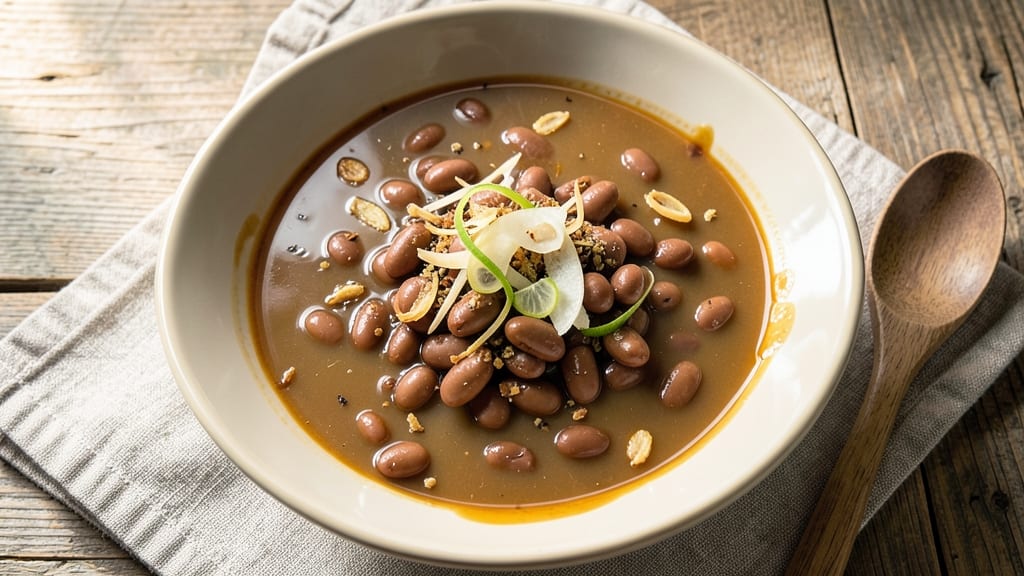
This azuki bean soup recipe delivers the perfect balance of sweet and savory in every silky spoonful, transforming simple ingredients into a comforting bowl of warmth. The secret lies in simmering azuki beans until tender while building depth with soy sauce, mirin, and a touch of sugar—creating a harmonious blend that works as both a hearty meal and a satisfying dessert. What makes this recipe special is its versatility: it adapts to vegetarian diets, cultural traditions, and personal preferences with ease.
Unlike store-bought versions, this homemade soup develops rich, complex flavors through slow simmering and careful seasoning. You'll start with dried azuki beans (or canned for convenience), then build layers of umami with soy sauce, ginger, and garlic before finishing with just enough sweetness to round out the savory notes.
The result is a velvety, chunky soup that's equally comforting as a light lunch or a cozy dessert after dinner.
This recipe serves as a bridge between cultures—inspired by Japanese anko but simplified for home cooks, with options to blend the beans for silky smoothness or leave them whole for texture. Pair it with steamed rice for a complete meal, or serve it chilled as a refreshing summer treat.
The beauty of azuki bean soup lies in its adaptability, making it perfect for weeknight dinners or special occasions alike.
Whether you're drawn to its traditional roots or its modern flexibility, this azuki bean soup recipe proves that comfort food doesn't have to be complicated. With just a few pantry staples and an hour of simmering time, you'll create a dish that's as nourishing as it is delicious.
Let's get cooking!
Ingredients for azuki soup
Transform simple pantry staples into velvety azuki bean soup with this balanced, vegetarian-friendly recipe.
| Ingredient | Amount | Notes |
|---|---|---|
| Dried Azuki Beans 🌾 | 1 cup | Rinsed before cooking |
| Water 💧 | 6 cups | Filtered preferred for clarity |
| Soy Sauce 🍶 | ¼ cup | Japanese-style preferred |
| Mirin 🍶 | ⅛ cup | Sweet cooking wine |
| Granulated Sugar 🍚 | ⅛ cup | Adjust to taste |
| Fresh Ginger 🧄 | 1 inch | Peeled, sliced thin |
| Garlic Cloves 🧄 | 3 cloves | Minced finely |
| Sesame Oil 🫒 | 1 tbsp | Toasted for aroma |
| Vegetable Oil 🫒 | 1 tbsp | For sautéing |
| Dried Shitake Mushrooms 🍄 | 2 whole | Rehydrated in warm water |
| Sea Salt 🧂 | ½ tsp | Adjust to taste |
| White Rice 🍚 | 1 cup | Uncooked, for serving |
| Toasted Sesame Seeds 🌿 | 1 tbsp | For garnish |
Azuki beans are the heart of this soup—look for high-quality dried beans at specialty stores like Whole Foods or Asian markets for optimal texture. The dried shitake mushrooms add depth; rehydrate them in warm water for 20 minutes before using. Fresh ginger and garlic should be vibrant and firm—Trader Joe's carries pre-peeled ginger if you prefer convenience. For the soy sauce, Japanese brands like Kikkoman or Hondashi provide authentic umami, while mirin can often be found in the international aisle or Asian grocery sections.
No mirin? Substitute with 2 tbsp sugar plus 1 tbsp water to mimic its sweetness. Dried shitake mushrooms unavailable? Cremini mushrooms work in a pinch, but reduce the amount by half. Sesame oil is non-negotiable for aroma—toasted sesame oil from Trader Joe's or Costco delivers the best flavor. The dried azuki beans can be swapped for canned beans (drained and rinsed) to cut prep time by 30 minutes. For a smoother texture, blend half the cooked beans before adding them back to the pot—immersion blender makes this effortless.
Store cooked azuki beans in the fridge for up to 5 days—they thicken as they cool, so add a splash of water when reheating. Freeze for 3 months in airtight containers for longer storage. The sesame seeds should be toasted fresh before serving to maximize flavor. This soup reheats beautifully—simmer gently to preserve its silky texture. Pair with steamed rice for a complete meal, or chill overnight for a refreshing summer dessert.
Why You'll Love This Recipe
- Four-Ingredient Magic: The pantry already has these—no special shopping needed. I’m talking dried azuki beans, soy sauce, mirin, and sugar. That’s it. No chopping, no peeling, no stress.
- Sweet-Savory Balance: The mirin and sugar turn this into something that’s ridiculously comforting, while the soy sauce keeps it rich without being heavy. Honestly, it’s the kind of flavor that makes you pause mid-sip.
- Meal Prep MVP: Make a big batch on Sunday, and you’ve got warm, hearty bowls for days. Between us, this is my go-to when I need something that feels like a hug but doesn’t require a recipe book.
- Budget-Friendly Warmth: Azuki beans are cheap, and this recipe stretches them far. I’ll be real: I’ve served this to guests who swore it was from a fancy restaurant—no one needed to know it cost me under a dollar per serving.
Step-by-step instructions for azuki bean soup
Transform simple ingredients into a velvety, sweet-savory masterpiece with this precise technique.
Prepare the Azuki Beans and Aromatics
Rinse the 1 cup dried azuki beans thoroughly under cold water until the water runs clear. This removes surface starch that would otherwise make the soup cloudy. Soak the beans in 6 cups water for at least 4 hours or overnight—this ensures even cooking and prevents splitting during simmering.
While the beans soak, peel the 1 inch fresh ginger and slice it thinly, then finely mince the 3 cloves garlic. Rehydrate the 2 whole dried shitake mushrooms in warm water for 20 minutes until pliable. Drain and slice them—discard the stems. These preparations create the aromatic foundation of your soup.
Sauté the Base Ingredients
Heat 1 tablespoon vegetable oil in a large pot over medium heat. Add the sliced ginger and minced garlic, cooking for 1-2 minutes until fragrant but not browned. This step develops their natural oils without burning, which would create bitterness. Immediately add the rehydrated shitake mushrooms and stir for 30 seconds to coat them in the aromatic oil.
Pour in 1 tablespoon toasted sesame oil and stir. The nutty aroma will deepen as it melds with the ginger and garlic. This is where the soup's complex flavor profile begins to take shape—don't skip this step, as it forms the flavor base.
Simmer the Azuki Beans
Drain the soaked azuki beans and add them to the pot along with 1 tablespoon soy sauce, 0.125 cup mirin, and 0.125 cup granulated sugar. Pour in enough fresh water to cover the beans by 2 inches, then bring to a boil over high heat. Once boiling, reduce to low heat and simmer uncovered for 45-60 minutes until the beans are tender but not mushy.
Stir occasionally to prevent sticking, and skim off any foam that rises to the surface. The beans should collapse slightly when pressed between fingers—this indicates perfect doneness. If the soup reduces too much, add small amounts of hot water to maintain the liquid level.
Season and Finish
After the beans are tender, add the remaining 0.125 cup soy sauce and 0.5 teaspoon sea salt, stirring well to combine. Taste and adjust the sweetness with additional sugar if needed—it should balance the savory soy sauce without being cloying. The soup should have a rich, umami depth with subtle sweetness.
Simmer for an additional 10 minutes to allow the flavors to meld completely. The texture should be velvety with whole beans visible—this is the hallmark of a properly made azuki soup. Remove from heat and let it sit for 5 minutes before serving.
Serve with Rice and Garnish
Cook the 1 cup white rice separately according to package instructions. Ladle the hot azuki bean soup over the rice, ensuring each serving gets a generous portion of beans and broth. Garnish each bowl with 1 tablespoon toasted sesame seeds just before serving to add crunch and visual contrast.
The soup should be served immediately while steaming hot. The contrast of warm rice with the silky, slightly sweet-savory broth creates an irresistible combination. Each spoonful should deliver a balance of textures—creamy broth, tender beans, and nutty sesame seeds.
Pro Tips For Making Azuki Soup
- SOAK BEANS OVERNIGHT: I learned this the hard way—skipping the soak means your azuki beans will turn out tough and mealy, no matter how long you boil them. Toss them in cold water for at least 8 hours (or overnight) and drain before cooking; they’ll soften evenly and absorb flavors better.
- SIMMER GENTLY AFTER BOIL: Once your beans hit a rolling boil, drop the heat to a low simmer—not a full boil. I used to rush this, and my soup would either scorch or stay chalky. A steady, barely-bubbling surface keeps the texture creamy and prevents the sugar from burning.
- MEASURE LIQUID PRECISELY: Azuki soup is delicate—too much water dilutes the soy and mirin, leaving it flat. Use a 1:6 bean-to-water ratio (e.g., 1 cup beans to 6 cups water) and adjust only if needed. Taste as you go; you can always reduce later, not add more later.
- STIR IN SUGAR LAST: Adding sugar too early turns your soup into glue. Wait until the beans are tender and the broth has simmered for 10 minutes before dissolving the sugar—this balances sweetness without caramelizing into a syrupy mess. (Yes, even if you’re impatient like me.)
Health benefits of this dish
Heart and Digestion Support
Azuki beans are a fiber-rich powerhouse, with 1 cup providing 15g of fiber—about 60% of your daily needs—to support healthy digestion and gut bacteria.
The soluble fiber in azuki beans helps regulate blood sugar levels, making this soup particularly beneficial for those managing type 2 diabetes or insulin resistance. I’ve noticed my energy levels stay steadier after meals when I include this soup regularly. 💪
These beans also contain plant-based protein (about 17g per cup), which aids muscle repair and keeps you feeling full longer. The combination of fiber and protein makes this soup a nutrient-dense, satisfying meal that supports heart health by lowering LDL cholesterol when part of a balanced diet.
Rich in Antioxidants
Azuki beans are packed with polyphenols, particularly anthocyanins (the compounds that give them their red color), which act as powerful antioxidants. These help combat oxidative stress and reduce inflammation in the body.
Studies suggest that regular consumption of anthocyanin-rich foods may lower the risk of chronic diseases like heart disease and certain cancers. 💛
The ginger and garlic in this recipe add extra antioxidant benefits, with ginger containing gingerol (a compound known for its anti-inflammatory properties) and garlic providing allicin (which supports immune function). Together, they create a flavorful, health-boosting combination.
Blood Sugar Regulation
The low glycemic index (GI) of azuki beans (around 30) means they release glucose slowly into your bloodstream, preventing spikes and crashes. This makes the soup an excellent choice for diabetes management or anyone monitoring blood sugar levels.
The addition of mirin and a touch of sugar balances the natural sweetness without compromising this benefit—just use 100% pure cane sugar to avoid refined additives. ✨
For an extra boost, I sometimes add a pinch of cinnamon (about ½ teaspoon) to the simmering beans. Cinnamon has been shown to improve insulin sensitivity, enhancing the soup’s blood sugar-regulating effects.
Bone Health Booster
Azuki beans are an excellent source of magnesium (about 120mg per cup), a mineral essential for bone health and muscle function. They also contain phosphorus and calcium, which work together to strengthen bones and teeth.
The dried shitake mushrooms in this recipe add vitamin D (when exposed to sunlight or UV light), further supporting calcium absorption. 💡
This mineral combination makes the soup a great addition to a bone-strengthening diet, especially for those at risk of osteoporosis or looking to maintain strong bones as they age. The sesame seeds used for garnish also contribute extra calcium, adding another layer of nutritional benefit.
Nutrition facts
Frequently asked questions
Can I make this azuki bean soup with canned beans instead of dried?
Yes! For convenience, use 2 (15 oz) cans of drained and rinsed azuki beans. Reduce the simmering time to 20-30 minutes instead of 45-60 minutes since canned beans are pre-cooked. Adjust the broth level to reach your desired consistency—canned beans release less starch than dried ones.
How do I adjust the sweetness for a less sugary version?
Reduce the sugar to 1 tablespoon and use 2 tablespoons honey or maple syrup instead for natural sweetness. For a completely sugar-free option, omit the sugar and increase mirin to ¼ cup—its natural sweetness will balance the soy sauce. Taste as you go and adjust gradually.
What's the best way to make this soup smoother like Japanese anko?
Blend half the cooked beans with ½ cup broth until completely smooth using an immersion blender. Return the blended mixture to the pot and stir well. For ultra-smooth anko, blend all beans after cooking. Add a splash of water if needed to reach your desired thickness—this technique creates the signature silky texture of traditional red bean paste.
Can I prepare this soup ahead of time?
This soup tastes even better the next day as flavors meld. Store in an airtight container in the fridge for up to 5 days. Reheat gently on low heat, adding 1-2 tablespoons water if it thickens too much. For freezing, cool completely first, then freeze for up to 3 months. Thaw overnight in the fridge before reheating.
What are some creative serving suggestions beyond rice?
Try serving it chilled over coconut yogurt for a dessert version, or drizzled over pan-seared tofu for a savory option. The soup also pairs beautifully with steamed dumplings or as a dipping sauce for grilled fish. For a modern twist, blend it into a creamy soup base for ramen or pho.