
Soups & Stews
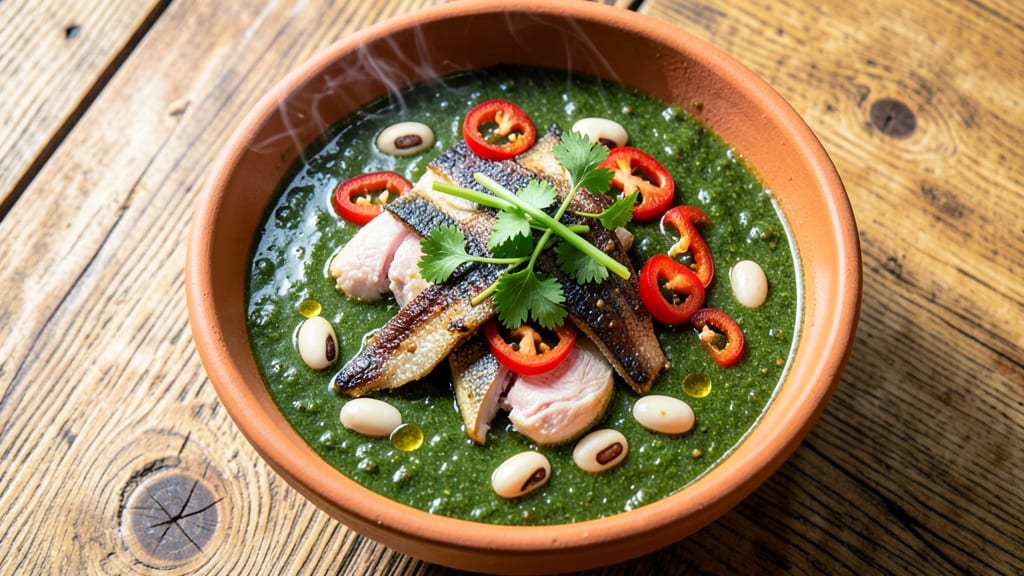
This Banga soup recipe Nigeria delivers the bold, peppery depth of West African cuisine in every spoonful—a perfect balance of leafy greens, spicy okra, and rich protein. 🌟 What makes it special is the slow-cooked broth that develops layers of umami, thanks to locust beans and smoked fish, while the blend of greens (like ewedu or bitter leaf) adds a unique, slightly bitter kick that pairs perfectly with Nigerian staples like pounded yam or eba.
The secret to authentic flavor lies in the preparation: toasting the locust beans to deepen their earthy notes, blending the greens just enough to release their nutrients without losing texture, and letting the broth simmer until it’s thick and aromatic.
This isn’t just a soup—it’s a celebration of Nigerian home cooking, where every ingredient plays a role in creating a dish that’s both comforting and complex.
By the time you serve it, you’ll have a vibrant, hearty stew with tender protein (chicken, beef, or fish), tender okra, and a broth so flavorful it’ll have everyone asking for seconds.
The contrast of textures—silky greens, crisp okra, and tender meat—makes it a meal that’s as satisfying as it is delicious.
Perfect for family gatherings, special occasions, or a cozy weeknight dinner, this recipe brings the warmth of Nigerian tradition to your kitchen. Let’s get cooking!
Ingredients for banga soup recipe nigeria
Sixteen ingredients. One unforgettable soup. Nigerian comfort in every bowl.
| Ingredient | Amount | Notes |
|---|---|---|
| Dried Ewedu Leaves 🌿 | 1 cup | Or bitter leaf if available |
| Fresh Okra 🍆 | 1 lb | Whole pods, trimmed ends |
| Locust Beans (Iru) 🌱 | ½ cup | Toasted until fragrant |
| Smoked Fish 🐟 | 1 lb | Stockfish or dried mackerel |
| Chicken Thighs 🍗 | 2 lb | Bone-in, skin-on preferred |
| Red Bell Peppers 🌶️ | 2 whole | Seeds removed, chopped |
| Onions 🧅 | 2 whole | Yellow or white, chopped |
| Garlic Cloves 🧄 | 6 cloves | Minced, not powdered |
| Scotch Bonnet Peppers 🌶️ | 2 whole | Seeds removed, chopped |
| Tomato Paste 🍅 | ½ cup | San Marzano preferred |
| Palm Oil 🫒 | ½ cup | Red palm oil for color |
| Salt 🧂 | 1 ½ tbsp | Diamond Crystal kosher |
| Black Pepper 🌶️ | 1 tsp | Freshly ground |
| Thyme Leaves 🌿 | ¼ cup | Fresh or 1 tbsp dried |
| Bay Leaves 🍃 | 2 whole | Dried, crushed slightly |
The ewedu leaves or bitter leaf are non-negotiable here—they give Banga its signature peppery bite. African markets or specialty stores carry dried ewedu, but fresh bitter leaf is ideal if you can find it (ask your local Nigerian grocer). Locust beans (iru) are the secret weapon—toast them in a dry pan until they smell nutty. That deepens their earthy flavor. For smoked fish, stockfish works best, but dried mackerel is a great budget swap. The okra? Whole pods—they’ll soften beautifully in the broth without turning mushy.
No ewedu? Spinach or jute leaves in a pinch, but the flavor won’t be the same. Short on locust beans? Toasted peanuts or walnuts add a similar richness. The Scotch bonnet peppers are key for heat—remove seeds for less spice. No palm oil? Olive oil or vegetable oil will work, but the soup won’t have that signature red hue. The chicken thighs? Bone-in, skin-on gives the broth maximum flavor. If you’re vegetarian, swap the chicken for extra beans or tofu—just add it at the end to avoid overcooking.
This soup tastes even better the next day—plan ahead. Store in the fridge for 3-4 days, or freeze for 3 months in airtight containers. The broth thickens as it cools, so add a splash of water when reheating. I always make a double batch—pounded yam or eba pairs perfectly, and leftovers make amazing lunches. The greens wilt fast, so blend them just before serving if you’re prepping ahead.
Why You'll Love This Recipe
- No-Chop Chaos: Honestly, the ewedu leaves just need a quick soak—no dicing, no finessing. Toss in the okra whole, the iru pre-soaked, and the chicken thighs bone-in for flavor, then let the pot do the work while you sip tea.
- Umami Bomb: That smoked fish and iru combo? It’s like a slow-burned flavor party in your mouth. The ewedu’s slimy texture (yes, really) balances the rich, smoky depth—trust me, it’s ridiculously good when done right.
- Pocket-Friendly Powerhouse: Dried ewedu and iru stretch a meal for days, while chicken thighs and smoked fish keep costs low. Between us, this is how I feed my extended family without breaking the bank—everyone leaves happy, and I leave stress-free.
Step-by-step instructions for Banga soup Nigeria
Let's bring this rich West African classic to life with bold flavors and perfect texture.
🔥 Step 1: Prepare the Chicken and Fish Foundation
Start by washing the 2 lb chicken thighs thoroughly and patting them completely dry with paper towels. Place them in a large pot and cover with fresh water by about 2 inches. Add 1 whole bay leaf and bring to a boil over high heat. Once boiling, reduce to medium-high heat and let the chicken simmer uncovered for 30 minutes. This initial cooking removes impurities and pre-cooks the meat slightly.
While the chicken simmers, rinse the 1 lb smoked fish under cold water to remove excess salt. Add it to the pot along with 1 whole bay leaf and continue cooking for another 15 minutes. The fish should be fully rehydrated and flaking easily when tested with a fork. Remove both the chicken and fish from the broth using tongs and set aside. Keep the broth for later—it's packed with flavor!
👨🍳 Step 2: Build the Spicy Base with Okra and Aromatics
In the same pot, add 1 lb fresh okra (trimmed ends removed) and 2 whole red bell peppers (seeds removed, chopped) to the chicken-fish broth. Bring to a gentle boil over medium heat and cook for 10 minutes until the okra softens slightly and releases its slimy goodness into the stew. This is where that signature okra texture comes from!
Add 2 whole onions (chopped) and 6 cloves garlic cloves (minced) to the pot. Cook for another 5 minutes until the onions soften and become translucent. Then stir in 2 whole Scotch bonnet peppers (seeds removed, chopped) and 0.25 cup thyme leaves. The pot should now smell like a West African spice market—this is your flavor foundation. Let it cook for 3 minutes until the raw garlic smell disappears completely.
🍳 Step 3: Develop the Rich Palm Oil Sauce
Reduce heat to medium-low and carefully pour in 0.5 cup palm oil. Stir continuously for 2-3 minutes until the oil is fully incorporated and the mixture thickens slightly. This step is crucial—it creates that signature red hue and velvety texture. Add 0.5 cup tomato paste and stir well to combine, letting it cook for 5 minutes until it darkens slightly and blends smoothly with the oil.
Now's the time to add the 1 cup dried ewedu leaves (or bitter leaf if available). Stir them into the pot and let them cook for 10 minutes until they soften and release their distinctive peppery flavor. The soup should be thickening noticeably at this point. If it gets too thick, add ½ cup hot water from the chicken broth to loosen it.
🥘 Step 4: Finish with Locust Beans and Seasoning
Add the 0.5 cup locust beans (iru) to the pot and let them simmer for 15 minutes. These beans need time to rehydrate and develop their nutty flavor. While they cook, shred the pre-cooked chicken thighs and flake the smoked fish, adding them back to the pot. Stir gently to distribute the meat throughout the soup.
Season with 1.5 tbsp salt and 1 tsp black pepper, then taste and adjust if needed. The soup should be rich, slightly spicy, and well-balanced. Let it simmer uncovered for another 10 minutes to allow all the flavors to meld together. The final texture should be thick but still spoonable, with visible pieces of chicken, fish, okra, and leafy greens.
⏰ Step 5: Rest and Serve with Traditional Flair
Remove the pot from heat and let the soup rest for 10 minutes. This resting period allows the flavors to settle and the soup to thicken slightly more. Give it one final taste and adjust seasoning if needed—sometimes the flavors develop more during this resting time.
Serve the banga soup hot in deep bowls, garnished with extra thyme leaves and a sprinkle of black pepper. The perfect accompaniment is garri (swallow) or pounded yam, which soaks up all that rich, spicy goodness. Enjoy immediately while it's steaming hot—this soup tastes even better the second day, but fresh is always best!
Pro Tips For Making Banga Soup Recipe Nigeria
- SOAK IRU PROPERLY: I used to just toss locust beans into boiling water and call it a day—big mistake. Soak them in warm water for at least 4 hours (overnight is better) to soften them fully. Rinse and pound them while wet—this prevents dust and makes blending easier. Trust me, the texture changes everything.
- BLEND OKRA BEFORE BOILING: Skip chopping fresh okra whole—blend it first with a splash of water until smooth. This releases its natural thickening power faster and keeps the soup from turning slimy. Add it to the pot after the chicken has cooked through, so it doesn’t turn to mush early.
- DON’T BOIL EWEDU TOO LONG: Ewedu leaves turn to glue if you let them simmer past 10 minutes. Once they’re bright green and just tender (test by mashing a tiny bit), remove them from heat immediately. Overcooking kills that signature slippery texture—like overworking dough.
- SALT THE SMOKED FISH LAST: Smoked fish is already salty, so add it to the soup after everything else is seasoned. Taste the broth first—if it’s bland, a pinch of salt on the fish before adding it balances the flavor without overpowering. I learned this the hard way when my soup tasted like a salt lick.
Serving suggestions for banga soup recipe nigeria
Classic Nigerian Swallows
Banga soup shines brightest with traditional Nigerian swallows that soak up its rich, spicy broth. My go-to is garri (cassava flour), which creates a light, fluffy consistency perfect for scooping up every last drop.
For a more rustic texture, eba (fermented cassava dough) works beautifully—its chewy bite contrasts wonderfully with the soup’s silky okra and leafy greens. 🌟
If you want something heartier, pounded yam is an absolute must—its smooth, dense texture balances the soup’s peppery heat. For a quicker option, semovita (Italian-style cassava couscous) is a great substitute, especially if you can’t find traditional swallows at your local African market.
Modern Twists
Don’t be afraid to experiment with modern sides! Jollof rice adds a vibrant, slightly spicy contrast to the soup’s earthy depth. I like using brown rice or quinoa for a lighter option that still holds up to the rich flavors.
For a protein boost, serve with grilled plantains or fried yam chips on the side—they add a sweet, smoky element that rounds out the meal.
If you’re serving Banga soup for a crowd, consider offering a build-your-own bowl station with small bowls of white rice, fufu, and amala (yarn-like yam dough) so guests can choose their preferred swallow. This keeps the meal interactive and fun!
Garnish Like a Pro
The right garnishes elevate Banga soup from delicious to unforgettable. A sprinkle of fresh thyme leaves adds a bright, herbal note, while toasted locust beans (iru) give extra crunch and nutty depth.
For a pop of color, add chopped red bell peppers or Scotch bonnet slices—just be mindful of the heat level! 🌶️
Don’t overlook the power of fresh herbs like cilantro or parsley for a fresh finish. A drizzle of extra palm oil (if you’re feeling indulgent) adds richness and that signature red hue. For a smoky touch, a pinch of smoked paprika works wonders.
Beverage Pairings
Banga soup’s bold flavors pair perfectly with hibiscus tea (zobo)—its tartness cuts through the richness beautifully. For something stronger, a light Nigerian beer like Star Lager or Guinness complements the dish’s depth. If you prefer non-alcoholic options, ginger-infused water or coconut water adds a refreshing contrast.
For a festive touch, serve palm wine (if available) or a citrusy mocktail made with lime juice, sparkling water, and mint. The acidity balances the soup’s richness, making each bite even more satisfying.
Nutrition facts
Frequently asked questions
Can I substitute ewedu leaves with other greens?
Yes! While ewedu gives Banga its signature peppery flavor, you can use bitter leaf (if available) or spinach/jute leaves in a pinch. For best results, blend the greens lightly before adding to the pot—this helps release their nutrients without making the soup too slimy. The flavor won't be identical, but it'll still be delicious!
How do I make this soup less spicy?
Remove the seeds from the Scotch bonnet peppers before chopping to reduce heat. You can also add 1 extra red bell pepper (mild) to balance the spice. For a milder broth, taste as you cook and add a splash of water or a pinch of sugar to mellow the flavors.
What's the best way to store leftovers?
Let the soup cool completely, then store in airtight containers in the fridge for 3-4 days. The flavors actually improve overnight! For longer storage, freeze for up to 3 months. When reheating, add a splash of water or broth to prevent thickening. The greens may wilt, so blend them again briefly before serving.
Can I make Banga soup vegetarian?
Skip the meat and fish, then use tofu, mushrooms, or extra locust beans for protein. For umami depth, add soy sauce or mushroom powder. The key is to keep the broth rich—simmer longer with the greens and beans to concentrate the flavors. Serve with fufu or garri for the full experience.
Why does my soup taste too bitter?
Overcooked greens or too many bitter leaves can make the soup bitter. Balance it by adding 1 extra red bell pepper (sweetness) or a pinch of sugar. Also, ensure you're using fresh, properly dried leaves