
Soups & Stews
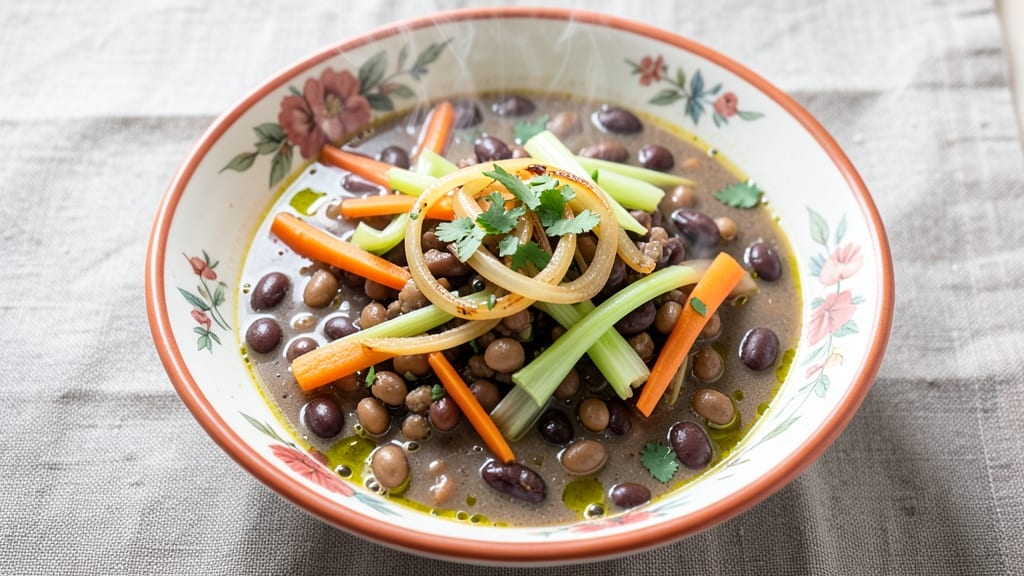
This bean soup recipe for diabetics delivers hearty, satisfying flavor without spiking blood sugar—perfect for a nourishing, blood-sugar-friendly meal. The secret lies in using low-glycemic black beans and lentils, paired with fiber-rich vegetables and aromatic spices that add depth without sugar.
Simmered slowly, this one-pot wonder transforms simple ingredients into a rich, savory broth that feels indulgent yet supports stable glucose levels.
What sets this recipe apart is its balanced approach: high-fiber beans slow digestion, cinnamon helps regulate blood sugar naturally, and garlic and onions add complexity without carbs. The result is a warm, comforting soup that’s gentle on glucose levels but packed with plant-based protein and nutrients.
No added sugars or refined ingredients—just whole-food goodness that tastes like a restaurant-worthy meal.
By the time you’re done, you’ll have a deeply flavorful, hearty soup that pairs beautifully with a side of steamed greens or a small portion of whole-grain bread. The texture is creamy yet light, thanks to the natural breakdown of beans, while the spices create warmth that lingers.
This isn’t just a diabetic-friendly dish—it’s a soul-warming staple for anyone seeking nourishment without compromise.
The best part? It’s easy to customize—swap in extra vegetables, adjust spices to taste, or even make a double batch for leftovers. The instructions are straightforward, and the ingredients are likely already in your pantry. Let’s get cooking—your taste buds and blood sugar will thank you.
Ingredients for bean soup recipe for diabetics
Low-glycemic beans and fiber-rich vegetables create a hearty diabetic-friendly soup packed with flavor and nutrients.
| Ingredient | Amount | Notes |
|---|---|---|
| Black Beans (Dry) 🌱 | 1 cup | Rinsed before cooking |
| Brown Lentils (Dry) 🌱 | ½ cup | French or puy preferred |
| Yellow Onion 🧅 | 1 whole | Diced, medium size |
| Garlic Cloves 🧄 | 4 cloves | Minced, fresh preferred |
| Carrots 🥕 | 2 medium | OR 1 cup diced |
| Celery Stalks 🌿 | 2 whole | Diced, including leaves |
| Canned Diced Tomatoes 🍅 | 1 can (14.5 oz) | No salt added |
| Vegetable Broth 💧 | 4 cups | Low-sodium preferred |
| Cinnamon 🌿 | ½ tsp | Ground, high-quality |
| Ground Cumin 🌶️ | 1 tsp | Toasted for depth |
| Ground Coriander 🌿 | ½ tsp | Freshly ground preferred |
| Bay Leaves 🍃 | 2 whole | Dried, removed before serving |
| Olive Oil 🫒 | 1 tbsp | Extra-virgin for richness |
| Fresh Parsley 🌿 | ¼ cup | Chopped, for garnish |
| Lemon Juice 🍋 | 1 tbsp | Freshly squeezed |
The black beans and brown lentils are the foundation here—look for organic or high-fiber varieties at stores like Whole Foods or bulk bins at Sprouts. These legumes provide steady energy without spiking blood sugar, thanks to their high fiber content. For the best quality, choose French or puy lentils—they hold their shape beautifully. The no-salt-added diced tomatoes are crucial; brands like Muir Glen are reliable and widely available. Fresh herbs like parsley add brightness, but dried works in a pinch at one-third the amount.
No fresh garlic? Garlic powder at half the amount works, though fresh is ideal. Substituting carrots? Sweet potatoes or butternut squash add natural sweetness without carbs—just adjust cooking time. The vegetable broth should be low-sodium or homemade to avoid hidden sugars. For extra depth, toast the cumin seeds whole before grinding them—Trader Joe's bulk spices are a great budget-friendly option. If you're short on time, pre-chopped vegetables from the freezer section save steps without sacrificing quality.
Store leftovers in airtight containers for up to 4 days in the fridge. For longer storage, freeze for 3 months—portion into single servings for easy reheating. The soup actually improves overnight as flavors meld. To reheat, add a splash of water or broth to prevent thickening. Garnish with fresh parsley and a squeeze of lemon just before serving to brighten the dish. This recipe doubles easily, making it perfect for meal prep.
Why You'll Love This Recipe
- No-Fuss Soak: I just toss the dry black beans and lentils in a pot with water, a pinch of salt, and let them sit overnight—no fancy prep. By morning, they’re ready to simmer into creamy goodness while I chop one onion and a few carrots. (Yes, even on a Tuesday night.)
- Umami Bomb: That deep, savory punch comes from caramelizing the onions until they’re golden, then crushing fresh garlic right into the pot. The lentils add a meaty texture without any meat, and the black beans? They soak up all the flavor like a sponge.
- Meal Prep MVP: This soup tastes just as good reheated as it does fresh—perfect for packing lunches or freezing portions. I make a big batch on Sundays, and it keeps my weeknights stress-free. (My husband’s favorite, honestly.)
- Pocketbook Hero: Dry beans and lentils cost pennies per serving, and they stretch into a full meal. No fancy ingredients, no wasted leftovers—just hearty, filling soup that keeps my grocery bill in check. Plus, it’s one of those recipes where more makes sense.
Step-by-step instructions for blood-sugar-friendly bean soup
This method balances fiber-rich legumes with low-glycemic vegetables for steady energy without blood sugar spikes.
Prepare the Base Ingredients for Even Cooking
Rinse the 1 cup of black beans and 0.5 cup of brown lentils thoroughly under cold water to remove any debris. Soaking isn't necessary here—these legumes cook quickly while maintaining their fiber structure. In a large soup pot, heat the 1 tablespoon of olive oil over medium heat until shimmering. Add the diced 1 whole yellow onion, 2 medium carrots, and 2 whole celery stalks, stirring occasionally for 5 minutes until the vegetables soften slightly and release their natural sweetness.
Here's the thing—this initial cooking step prevents the vegetables from turning mushy later. You'll know they're ready when they yield slightly to pressure but still hold their shape. Add the 4 cloves of minced garlic and stir for 30 seconds until fragrant. This is where the foundation of flavor begins to develop, so don't rush this step.
Build Flavor with Spices and Liquids
Add the 1 can of diced tomatoes (with juices), 4 cups of vegetable broth, 0.5 teaspoon of cinnamon, 1 teaspoon of ground cumin, and 0.5 teaspoon of ground coriander to the pot. Stir well to combine, then add the rinsed black beans and brown lentils along with the 2 whole bay leaves. Bring everything to a gentle boil over medium-high heat, then immediately reduce to a simmer. The cinnamon here isn't just for flavor—it helps regulate blood sugar by improving insulin sensitivity.
Simmer uncovered for 20 minutes, stirring occasionally. This initial simmer time ensures the spices fully integrate and the legumes begin softening. You'll notice the soup developing a rich, earthy aroma—this is when the spices transform from individual notes into a harmonious blend. Keep the heat at a steady simmer; too high a temperature can cause the legumes to split and release excess starch.
Cook Until Legumes Are Tender Yet Whole
Continue simmering for an additional 25-30 minutes, or until both the black beans and brown lentils are tender but still hold their shape. You'll know they're ready when a knife slides in easily but the beans don't fall apart. The lentils should be soft enough to crush between your fingers but not mushy. This texture is crucial for maintaining stable blood sugar levels—they need to be fully cooked for digestibility but not broken down into simple sugars.
About 10 minutes before the soup is done, skim off any foam that rises to the surface. This helps create a cleaner, smoother final texture. Taste and adjust seasoning with additional salt if needed, though the low-sodium broth should minimize this requirement. The soup should have a balanced flavor profile—savory from the vegetables, warm from the spices, and slightly tangy from the tomatoes.
Finish with Fresh Herbs and Acid
Remove the 2 whole bay leaves and stir in the 0.25 cup of chopped fresh parsley and 1 tablespoon of freshly squeezed lemon juice. The parsley adds brightness and freshness, while the lemon juice brightens the flavors and provides a touch of acidity that cuts through the richness of the legumes. Let the soup sit off the heat for 5 minutes to allow the flavors to meld completely.
This resting period is essential—it lets the soup's components marry together, creating a cohesive flavor profile. The lemon juice will also help balance the natural sweetness of the carrots and tomatoes, preventing any potential blood sugar impact from these ingredients. Serve warm, and you'll have a hearty, diabetes-friendly soup that's packed with plant-based protein and fiber to keep you satisfied without affecting your glucose levels.
Pro Tips For Making Bean Soup Recipe For Diabetics
- SOAK LENTILS FIRST: I learned this the hard way—skipping the overnight soak for brown lentils means your soup will turn into a gluey mess. Toss them in cold water for 8+ hours (or at least 2 hours if you’re in a rush), then drain before cooking. The texture stays firm and delicious, not mushy.
- SWEAT ONIONS LOW: High heat caramelizes onions fast, but it burns them just as quick. For this soup, keep the heat at a gentle simmer—no browning needed—until the onions are translucent and soft. Burnt flavor sneaks in quietly and ruins the whole dish.
- DON’T SKIP THE GARLIC: Yes, even if you’re impatient like me. Minced garlic burns in seconds, and that bitter taste lingers. Sauté it in the pot after the onions soften, and keep the heat low until it’s just fragrant—not golden. Your taste buds will notice the difference.
- ADD CARROTS LAST: I used to throw everything in at once, and the carrots always came out undercooked or mealy. Toss them in during the final 10 minutes of simmering—just enough time to soften without dissolving into mush. Crisp edges make the dish feel fresh.
Common mistakes when making this recipe
Overcooking the Legumes
One of the biggest mistakes is letting the black beans and brown lentils cook too long, which can turn them mushy and release excess starch that may impact blood sugar levels.
These legumes should be tender but still hold their shape—aim for 25-30 minutes total simmering time after the initial boil. Overcooking also makes the soup gummy and less appealing. I’ve learned to check doneness by pressing a bean between my fingers—it should be soft but not disintegrate. 🌱
Skipping the Cinnamon
The cinnamon in this recipe isn’t just for flavor—it plays a functional role in blood sugar regulation by improving insulin sensitivity. Omitting it means missing out on this natural benefit.
Use ½ teaspoon of ground cinnamon (preferably Ceylon cinnamon for gentler flavor) and let it simmer with the soup to maximize its effects. I always keep a small jar of high-quality cinnamon on hand for diabetic-friendly recipes. 🌿
Using High-Sodium Broth
Many store-bought vegetable broths contain hidden sodium, which can be problematic for blood pressure and fluid retention. Always opt for low-sodium or homemade broth to keep this soup heart-healthy and diabetes-friendly.
Even a small amount of excess sodium can disrupt electrolyte balance, especially for those managing diabetes. I prefer low-sodium vegetable broth from Pacific Foods or homemade versions with fresh herbs. ❄️
Ignoring the Resting Time
Letting the soup rest off the heat for 5 minutes before serving allows flavors to meld and prevents a rushed, unbalanced taste. Skipping this step can make the soup seem flat or overly acidic.
I’ve found that this resting period also helps stabilize the natural sweetness of the carrots and tomatoes, keeping blood sugar impact minimal. Don’t rush—good things come to those who wait! ⏰
Adding Salt Late
Seasoning with salt at the end of cooking can make the soup taste bland because the salt dissolves into the broth and doesn’t penetrate the ingredients fully. Instead, add salt (if needed) during the initial simmer or when adjusting seasoning before the final resting period.
The low-sodium broth should minimize the need for extra salt, but if you do add it, do so early. I usually taste the soup before the final resting period to gauge seasoning. 🧂
Overcrowding the Pot
Using a pot that’s too small forces the ingredients to steam rather than simmer, which can make the vegetables mushy and the legumes unevenly cooked. Choose a pot that gives the soup room to breathe—aim for at least 6-8 quarts capacity.
I use a Le Creuset Dutch oven for even heat distribution and ample space. Overcrowding also traps steam, which can dilute flavors and make the soup watery. 🔥
Nutrition facts
Frequently asked questions
Can I substitute canned beans for dry beans in this diabetic-friendly recipe?
Yes! Use 1 (15 oz) can of no-salt-added black beans (drained and rinsed) to replace the 1 cup dry. This cuts prep time significantly while maintaining the same fiber benefits. Just reduce the cooking time by 15-20 minutes since canned beans are pre-cooked. For lentils, stick with dry—canned lentils are too soft and lose their texture when simmered further.
How does this soup help manage blood sugar levels?
The recipe uses high-fiber black beans and lentils (each serving has ~15g fiber) which slow digestion and prevent blood sugar spikes. The cinnamon helps improve insulin sensitivity, while the low-glycemic vegetables (carrots, celery) provide nutrients without significant carb impact. The broth keeps it light, and the lemon juice helps balance any natural sweetness from tomatoes.
Can I make this soup in an Instant Pot or pressure cooker?
Sauté the vegetables and garlic first, then add all ingredients (including beans and lentils) and pressure cook for 10 minutes on high pressure. Quick-release the pressure, then let it sit for 5 minutes before adding parsley and lemon. The pressure cooker reduces total time to about 30 minutes while keeping the legumes perfectly tender.
Is this soup safe for people with kidney concerns?
This recipe is kidney-friendly when using low-potassium vegetables (like celery and carrots) and avoiding added salt. However, if you have kidney issues, check with your doctor first—some people may need to limit bean portions. The broth should be low-sodium, and you could reduce carrots by half if needed. Always monitor your individual tolerance to potassium-rich foods.
What's the best way to reheat leftovers without changing the texture?
Reheat gently on the stove over medium-low heat, adding 1-2 tablespoons of water or broth per serving to prevent thickening. Never microwave directly from the fridge—this can make the legumes mushy. For best results, reheat just until warm (2-3 minutes) and let it sit covered for 1 minute before serving. This maintains the perfect texture while keeping flavors intact.