
Soups & Stews
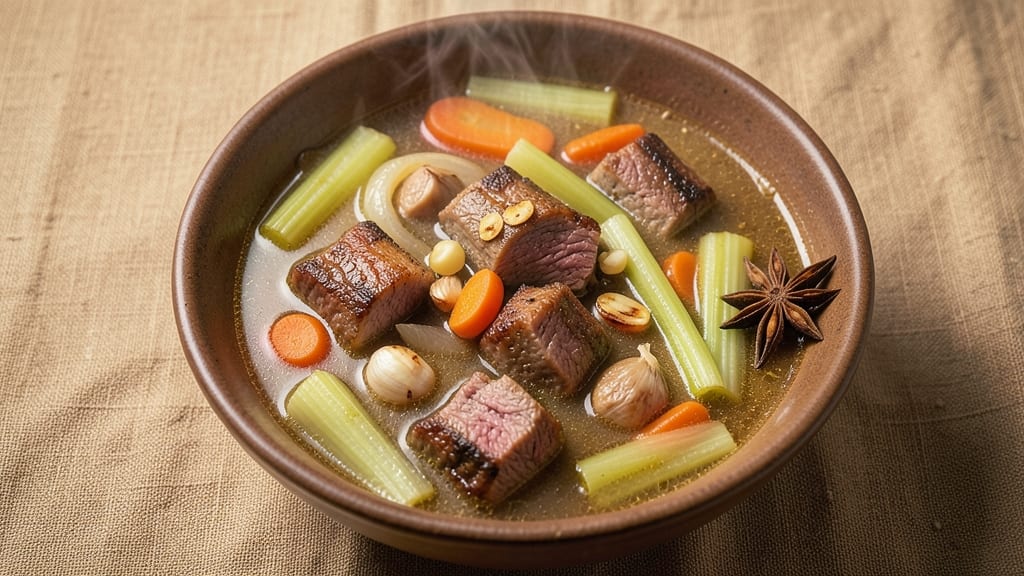
This beef alphabet soup recipe delivers restaurant-quality depth with slow-simmered beef and aromatic star anise, transforming simple ingredients into a comforting classic. The secret lies in building rich flavor through a long, gentle simmer that melds tender beef, hearty vegetables, and fragrant spices into every spoonful.
What starts as a humble broth evolves into a velvety, savory masterpiece that warms both body and soul during chilly evenings.
Unlike quick versions that rely on shortcuts, this method emphasizes traditional techniques—browning the beef for deep flavor, simmering with bay leaves and star anise for complexity, and finishing with fresh herbs for brightness.
The result is a soup that balances richness with subtle sweetness, where each component contributes to a harmonious bite. Perfect for family dinners or cozy gatherings, it proves that slow cooking yields extraordinary results.
By the time you serve this soup, you’ll have achieved a perfect marriage of textures: tender beef that practically melts in your mouth, al dente noodles or pasta cut into classic letter shapes, and vegetables that retain their natural sweetness.
The star anise infuses the broth with a warm, slightly sweet aroma that lingers long after the last spoonful. This is comfort food at its finest—simple enough for weeknights but impressive enough for company.
The beauty of this recipe lies in its versatility. Use it as the centerpiece of a winter meal or as a hearty starter for holiday feasts. Leftovers reheat beautifully, making it ideal for meal prep.
Whether you're a seasoned cook or new to the kitchen, this method ensures foolproof results every time. Let’s create a bowl of warmth that feels like a hug in soup form.
Ingredients for beef alphabet soup
Sixteen ingredients, slow-simmered to perfection—this soup transforms humble staples into a velvety, aromatic masterpiece.
| Ingredient | Amount | Notes |
|---|---|---|
| Beef Chuck Roast 🥩 | 2 lb | Cut into 1-inch cubes, trimmed of fat |
| Yellow Onions 🧅 | 2 whole | Medium, peeled and halved |
| Carrots 🥕 | 6 whole | Medium, peeled and cut into 1-inch pieces |
| Celery Stalks 🌿 | 4 whole | Trimmed and cut into 1-inch pieces |
| Garlic Cloves 🧄 | 6 cloves | Peeled and lightly crushed |
| Star Anise Pods 🌟 | 2 whole | Whole, for infusion |
| Bay Leaves 🍃 | 2 whole | Dried, for depth |
| Dried Thyme 🌿 | 1 tbsp | Or 1 tbsp fresh thyme |
| Dried Parsley 🌿 | 1 tbsp | Or 1 tbsp fresh parsley |
| Black Peppercorns 🌶️ | 1 tsp | Freshly cracked for intensity |
| Salt 🧂 | 1 ½ tsp | Diamond Crystal kosher salt |
| Alphabet Pasta 🍝 | 12 oz | Uncooked, classic letter shapes |
| Beef Broth 💧 | 6 cups | Homemade or high-quality store-bought |
| Fresh Parsley Leaves 🌿 | ¼ cup | Chopped, for garnish |
| Extra-Virgin Olive Oil 🫒 | 2 tbsp | For browning beef |
The beef is non-negotiable for depth—chuck roast delivers unmatched tenderness when slow-cooked. Look for well-marbled cuts at Whole Foods or your local butcher shop, where they can trim it precisely for you. Star anise and bay leaves are the aromatic stars here; spice markets carry high-quality whole pods that release their flavors gradually. For the pasta, De Cecco or Barilla alphabet shapes hold up beautifully during simmering, resisting mushiness better than generic brands. Fresh herbs elevate the dish, so Trader Joe's or local farmers' markets are ideal for vibrant parsley.
No star anise? Cinnamon sticks or fennel seeds add warmth, though the flavor profile shifts slightly. Substitute dried thyme with one-third the amount of fresh—it's more potent. For the broth, homemade is ideal, but Kettle & Fire or Pacific Foods brands deliver restaurant-quality depth. The carrots and celery can be swapped for turnips or parsnips for a seasonal twist. If alphabet pasta is unavailable, small pasta shapes like ditalini or shells work equally well, though the visual appeal changes. Browning the beef in olive oil is essential—it develops the Maillard reaction for that deep, meaty flavor.
This soup tastes even better the next day as flavors meld. Store in an airtight container in the fridge for up to 5 days, or freeze for 3 months in portions. For meal prep, cook the broth and beef separately, then combine when reheating to maintain texture. Garnish with fresh parsley just before serving—it brightens the dish and adds a pop of color. The pasta should be al dente when added; undercook by 1 minute if simmering in the broth to prevent oversoftening.
Why You'll Love This Recipe
- One-Pot Magic: I swear by this—just dump everything in a Dutch oven, let it simmer, and walk away. The chuck roast practically falls apart on its own, turning into tender shreds while the onions and celery soften into that perfect, savory base.
- Deep Umami Bomb: That beef chuck isn’t just meat—it’s flavor. Slow-cooked until it’s rich and caramelized, then balanced with garlic and a splash of broth, it’s the kind of taste that makes you forget you’re eating soup. Honestly, my picky eaters ask for seconds.
- Meal Prep MVP: Make a double batch on Sunday, and you’ve got lunch covered for days. The flavors only get better as it sits, and reheating? Just a quick stir—no soggy veggies here. (Yes, even on a Tuesday night.)
- Budget-Friendly Feast: A whole chuck roast for a few dollars? That’s a steal. The onions, carrots, and celery stretch the meat into hearty portions, and leftovers freeze like a dream. My wallet—and my freezer—thank me every time.
Step-by-step instructions for slow-simmered beef alphabet soup
This method transforms humble ingredients into a deeply flavorful soup with rich beef and aromatic star anise notes.
Sear the Beef for Maximum Flavor
Heat a large Dutch oven over medium-high heat until hot. Add the 2 tablespoons extra-virgin olive oil and swirl to coat the bottom evenly. Working in batches to avoid crowding, add the 2 lb beef chuck roast cut into 1-inch cubes, trimming excess fat first. Sear undisturbed for 2-3 minutes per side until deeply browned—this creates the Maillard reaction that builds complex flavor.
Once all beef is browned, transfer it to a plate and set aside. The goal is to develop a rich fond in the pot that will later dissolve into the broth. Don't skip this step—it's what transforms simple beef into deeply flavorful soup.
Build the Aromatic Vegetable Base
In the same Dutch oven, add the 2 whole yellow onions cut in half, 6 whole carrots cut into 1-inch pieces, and 4 whole celery stalks cut into 1-inch pieces. Cook over medium heat for 8-10 minutes, stirring occasionally, until the vegetables begin to soften and release their natural juices. This process concentrates their flavors before they simmer in the broth.
Add the 6 cloves garlic that have been peeled and lightly crushed, 2 whole star anise pods, 2 whole bay leaves, 1 tablespoon dried thyme, 1 tablespoon dried parsley, 1 teaspoon cracked black peppercorns, and 1½ teaspoons salt. Stir everything together and cook for another 1 minute to allow the spices to bloom and release their essential oils.
Simmer the Beef and Vegetables
Pour in the 6 cups beef broth and bring the mixture to a gentle boil over high heat. Once boiling, reduce the heat to low and add the browned beef back to the pot. The liquid should just barely bubble at the edges—this indicates a proper simmer. Cover the pot with a lid and let it cook for 1 hour 15 minutes.
During this time, the beef will become fork-tender and the vegetables will soften completely. The star anise and bay leaves will infuse the broth with their distinctive, warm flavors. I check occasionally to ensure the liquid level remains adequate—if it reduces too much, add a splash of water or more broth to maintain the proper consistency.
Add Pasta and Finish the Soup
After the beef has simmered, add the 12 oz alphabet pasta directly to the pot. The pasta will absorb some of the cooking liquid, so ensure there's enough broth to fully submerge the noodles. Return the soup to a gentle simmer and cook uncovered for 10-12 minutes, stirring occasionally, until the pasta is al dente and the soup reaches your desired consistency.
Taste the soup and adjust seasoning if needed. The star anise and bay leaves should add a subtle, aromatic depth. Remove and discard the star anise pods and bay leaves before serving. Stir in the ¼ cup chopped fresh parsley leaves just before serving to brighten the flavors with a fresh, herbal note.
Serve with Crisp Garnishes
Ladle the soup into warm bowls, making sure each serving contains both beef chunks and alphabet pasta. Garnish with additional chopped parsley if desired. I like to serve this soup with a sprinkle of freshly cracked black pepper and a drizzle of high-quality extra-virgin olive oil to enhance the flavors and add a touch of richness.
The result should be a hearty, comforting soup with perfectly tender beef, al dente pasta, and a broth infused with deep, aromatic flavors. Each spoonful delivers a balance of savory beef, sweet vegetables, and the subtle warmth of star anise—a truly satisfying meal.
Pro Tips For Making Beef Alphabet Soup
- Sear the Chuck First: That beef chuck roast won’t fall apart if you brown it hard—crusty dark edges mean richer flavor later. Use a heavy pot, medium-high heat, and 5-7 minutes per side (yes, even if it looks uneven). I learned this the hard way when my first batch tasted like it was simmered in water.
- Cut Veggies Uniformly: Dice onions, carrots, and celery into ½-inch pieces—any smaller and they’ll turn to mush before the beef is tender. A sharp chef’s knife and a steady hand make this faster than you’d think (I used to eyeball it and ended up with a soup full of mystery textures).
- Don’t Rush the Simmer: Low and slow is the only way—cover the pot and keep it at a gentle bubble (not rolling) for at least 2 hours. High heat now means shredding dry meat later, and nobody wants that. Set a timer if you’re distracted, like I am when I’m stirring.
- Add Garlic Late: Toss the minced garlic in just 10 minutes before serving—it burns faster than you’d expect. Fresh is best, but if you’re using powder, halve the amount and stir it in with the salt at the end. I was skeptical until I tried it, and now I won’t go back.
Storing and reheating this recipe
Refrigerator Storage
Let your soup cool completely before transferring to airtight containers—I use glass Pyrex with snap-on lids for best results. Store in the fridge at 40°F or below for up to 5 days, though the flavors deepen overnight as the spices meld.
The broth will thicken slightly, so add a splash of water or broth when reheating. 💪
Freezer Prep Tips
For long-term storage, freeze in quart-sized freezer bags with 1-inch headspace to prevent expansion. Portion into single-serving bags for easy reheating. Label with the date—this soup stays delicious for up to 3 months.
I recommend freezing the broth and beef separately from the pasta to maintain texture. Thaw overnight in the fridge before reheating.
Stovetop Reheating
My preferred method is stovetop because it preserves the rich, velvety texture. Transfer soup to a heavy-bottomed pot and heat over medium-low heat for 10-15 minutes, stirring occasionally. Add ¼ cup water or broth if the soup seems too thick.
Taste and adjust seasoning—soup often needs a pinch of salt after reheating. Keep the lid slightly ajar to prevent over-boiling. 🔥
Microwave Safety
For quick reheating, use microwave-safe bowls and cover with a damp paper towel. Heat on 70% power for 3-4 minutes, stir, then continue in 30-second intervals until reaching 165°F.
Avoid overcooking—the pasta can become mushy. If the soup looks dry, add a splash of broth or water to restore consistency.
Reviving Leftovers
If your soup loses some vibrancy after storage, boost it with a dash of soy sauce (½ tsp) for umami depth or a squeeze of lemon juice (1 tsp) for brightness.
Freshly cracked black pepper and a drizzle of extra-virgin olive oil also elevate reheated bowls. The star anise flavor intensifies after reheating, so taste carefully before adding more. ✨
Pasta Texture Rescue
If the alphabet pasta turns mushy during reheating, strain the soup through a fine-mesh sieve, reserving the broth. Return the beef and vegetables to the pot, add fresh pasta (cooked separately), and reheat with 1 cup reserved broth.
This ensures al dente noodles every time. For extra insurance, add the pasta 2 minutes before serving. 💡
Nutrition facts
Frequently asked questions
Can I substitute regular pasta for alphabet pasta?
If you can't find alphabet pasta, use small pasta shapes like ditalini, shells, or even tiny penne. For the classic look, try cutting regular pasta into letter shapes with kitchen shears. The key is to choose small shapes that cook quickly in the broth.
How do I make this soup vegetarian?
Replace the beef with mushrooms (cremini or portobello) or lentils (brown or green) for heartiness. Use vegetable broth instead of beef broth and add 1 teaspoon smoked paprika for depth. The star anise and bay leaves will still infuse beautiful aroma into the broth.
Why is my broth cloudy after simmering?
Cloudy broth usually means the vegetables weren't cooked long enough to break down completely. For clearer broth, strain the soup through a fine-mesh sieve after simmering the beef and vegetables. If you prefer the rustic texture, just simmer longer—up to 2 hours—until the vegetables soften fully.
Can I use ground beef instead of chuck roast?
Ground beef works but won't give the same tender texture. If using it, brown thoroughly first, then simmer for only 30-45 minutes (instead of 1.5 hours) to avoid toughness. For best results, stick with chuck roast—its slow breakdown creates melt-in-your-mouth beef.
What's the best way to reheat this soup?
For best texture, reheat on the stovetop over medium-low heat for 10-15 minutes, stirring occasionally. If using the microwave, heat in 30-second intervals on 70% power to prevent overcooking the pasta. Add a splash of broth or water if needed to restore consistency.