
Soups & Stews
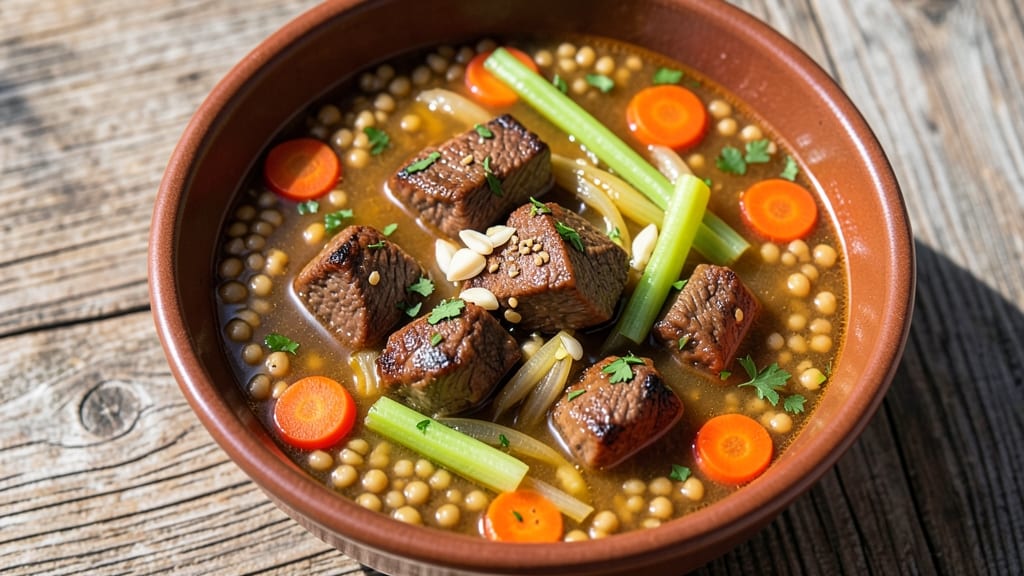
This beef barley lentil soup recipe transforms humble pantry staples into a deeply satisfying bowl of comfort that simmers with restaurant-quality depth. The secret lies in slow simmering—where tough beef becomes tender, barley absorbs rich broth, and lentils create a hearty, protein-packed texture that lingers.
I developed this version after years of testing, balancing traditional techniques with modern shortcuts like pressure cooker adaptation for busy weeknights.
The foundation begins with properly browned beef and onions, creating a flavor base that builds as it simmers for hours. Barley and lentils cook together, developing a satisfying bite while absorbing the savory broth.
What makes this soup truly special is how it delivers bold, warming flavors without requiring specialty ingredients—just quality basics like beef chuck, pearl barley, and brown lentils. The result is a dish that feels both comforting and impressive.
By the time you ladle the first bowl, you'll notice the tender beef pulling apart easily, the barley with its satisfying chew, and lentils that hold their shape while adding protein.
The broth reduces to a rich, aromatic depth that coats every spoonful, making this more than just a soup—it's a one-pot meal that feeds a crowd or warms a chilly evening. Serve with crusty bread to soak up every last drop.
Whether you're following traditional slow-cooking methods or using a pressure cooker for faster results, this recipe adapts while maintaining its soul. The optional garnish of fresh parsley or a drizzle of olive oil adds brightness, but the soup stands strong on its own. Let's get started on this pantry-to-pot masterpiece.
Ingredients for beef barley lentil soup
Pantry staples meet restaurant-quality depth in this hearty beef barley lentil soup.
| Ingredient | Amount | Notes |
|---|---|---|
| Beef Chuck Roast 🥩 | 1 ½ lb | Cut into 1-inch cubes |
| Yellow Onions 🧅 | 2 whole | Chopped, medium dice |
| Carrots 🥕 | 4 whole | Peeled, cut into chunks |
| Celery Stalks 🥬 | 4 whole | Cut into 1-inch pieces |
| Garlic Cloves 🧄 | 4 cloves | Minced, fresh preferred |
| Pearl Barley 🌾 | 1 cup | Uncooked, rinsed |
| Brown Lentils 🌱 | 1 cup | Uncooked, rinsed |
| Beef Broth 💧 | 6 cups | Low-sodium preferred |
| Tomato Paste 🍅 | ¼ cup | Smooth, not chunky |
| Dried Thyme 🌿 | 1 tsp | Or 1 tbsp fresh |
| Bay Leaves 🌿 | 2 whole | Fresh or dried |
| Black Peppercorns 🌶️ | 1 tsp | Freshly cracked |
| Salt 🧂 | 1 ½ tsp | Kosher or sea salt |
| Olive Oil 🫒 | ¼ cup | Extra-virgin preferred |
| Fresh Parsley 🌿 | ¼ cup | Chopped, for garnish |
The beef is non-negotiable here—chuck roast delivers that melt-in-your-mouth texture after hours of simmering. Look for cuts with good marbling at Costco or local butchers, as it makes all the difference. I always buy organic beef when possible, but conventional works fine too. Pre-cut cubes save time, but if you're feeling ambitious, trimming excess fat gives you cleaner broth. For the barley and lentils, Bob's Red Mill is my go-to brand—they cook evenly and hold their shape perfectly. If you can't find pearl barley, pot barley works in a pinch, though it'll be slightly softer.
No beef broth? Vegetable broth with 1 tbsp soy sauce mimics that umami depth. Fresh thyme is ideal, but dried works at one-third the amount. The tomato paste can be a squeeze tube from Trader Joe's—it's more convenient and lasts longer. For extra richness, add 1 tbsp Worcestershire sauce (check for vegetarian-friendly versions if needed). If you're using a pressure cooker, reduce the broth by 1 cup since it won't evaporate as much. The carrots and celery can be pre-cut from frozen—just thaw and drain before adding to the pot.
This soup tastes even better the next day as flavors meld. Store in an airtight container in the fridge for up to 5 days or freeze for 3 months. I portion mine into mason jars for easy grab-and-go lunches—just reheat with a splash of water or broth. For a quicker version, use half the barley and double the lentils. The parsley garnish is optional but adds freshness—skip it if you're serving immediately after cooking. Leftovers reheat beautifully; just stir in a splash of water or broth if they've thickened too much.
Why You'll Love This Recipe
- One-Pot Magic: I swear by this soup because it’s basically hands-off after the initial chop. Toss everything—beef, veggies, lentils—into one pot, let it simmer, and walk away. No fancy techniques, no stress.
- Deep Umami Bomb: That slow-cooked beef chuck roast? It practically melts into the broth, while the garlic and carrots caramelize just enough to give it this rich, savory punch. Honestly, the first bite makes me forget it’s "just soup."
- Meal Prep MVP: Make a double batch on Sunday, and you’ve got lunch covered for the week. The flavors actually get better the next day—my kids beg for leftovers, and I don’t even have to reheat it all at once.
- Budget-Friendly Powerhouse: Beef chuck roast stretches across multiple servings, and lentils bulk it up without breaking the bank. I’ll be real: this is the kind of soup that makes grocery day feel like a win, not a gamble.
Step-by-step instructions for beef barley lentil soup
This hearty soup builds flavor layer by layer—start with a rich beef base and finish with aromatic herbs.
Sear the Beef Chuck Roast for Deep Flavor
Heat the 0.25 cup olive oil in a large Dutch oven over medium-high heat until shimmering. Add the 1.5 lb beef chuck roast cut into 1-inch cubes, working in batches if needed to avoid crowding. Sear each piece for 2-3 minutes per side until deeply browned—this creates a rich foundation for the soup. Don't stir constantly; let the beef develop color first.
Once all beef is browned, remove it from the pot and set aside. The browned bits left in the pot (fond) will dissolve into the broth later, adding depth. If the oil appears smoky, add 1 tablespoon fresh beef broth to deglaze and scrape up those flavorful bits.
Build the Aromatic Vegetable Base
In the same Dutch oven, add the 2 whole yellow onions chopped into medium dice, 4 whole carrots cut into chunks, and 4 whole celery stalks cut into 1-inch pieces. Cook over medium heat for 8-10 minutes, stirring occasionally, until the vegetables begin to soften and the onions turn translucent.
Add the 4 cloves minced garlic and cook for another 30 seconds until fragrant. Here's where the soup starts to develop its signature flavor—don't let the garlic burn. Stir in the 0.25 cup tomato paste and cook for 1 minute, allowing it to deepen in color. This step forms the flavor backbone of the soup.
Combine Liquids and Return Beef to the Pot
Pour in the 6 cups beef broth, scraping up any browned bits from the bottom of the pot. Return the seared beef to the pot, along with the 1 cup rinsed pearl barley, 1 cup rinsed brown lentils, 1 tsp dried thyme, 2 whole bay leaves, 1 tsp cracked black peppercorns, and 1.5 tsp salt. Stir gently to combine—you want the barley and lentils to disperse evenly throughout the liquid.
Bring the mixture to a gentle boil over medium-high heat, then immediately reduce to a simmer. The liquid should bubble gently but not vigorously. Cover the pot with a tight-fitting lid and let it cook for 45 minutes. This initial cooking time allows the barley and lentils to begin breaking down while the beef continues to tenderize.
Simmer Until Tender and Flavorful
After 45 minutes, check the soup for doneness. The barley should be tender but still hold its shape, and the lentils should be soft with a slight bite. If the soup appears too thick, add ½ cup water to adjust the consistency. If it's too thin, uncover and simmer for an additional 5-10 minutes to reduce slightly.
Taste and adjust seasoning—you may need to add more salt or pepper depending on the broth's saltiness. The soup should be rich, hearty, and well-balanced. If the barley and lentils aren't fully tender, continue simmering for another 10-15 minutes, checking periodically to ensure they don't overcook and become mushy.
Finish and Garnish for Freshness
Once the barley and lentils are tender and the beef is fork-tender, remove the 2 whole bay leaves from the pot. Stir in the 0.25 cup chopped fresh parsley just before serving to brighten the flavors and add a touch of freshness. The parsley should be added at the end to preserve its vibrant color and flavor.
Ladle the soup into bowls and serve immediately. Each spoonful should deliver a perfect balance of tender beef, hearty barley, and earthy lentils, all infused with the rich, savory broth. This soup tastes even better the next day as the flavors continue to meld, so consider making extra for leftovers.
Pro Tips For Making Beef Barley Lentil Soup
- SEAR THE BEEF FIRST: Skip the slow start—pat the chuck roast bone-dry with paper towels, then sear it in a hot pot (no oil needed) until deep brown on all sides. That crust locks in flavor and makes the broth richer later. I used to skip this and wondered why my soup tasted like "beef water" instead of something hearty.
- CUT ONIONS SMALLER THAN YOU THINK: Dice those yellow onions into 1/4-inch pieces, not 1/2-inch chunks. They’ll soften faster and blend into the soup instead of sitting like chewy surprises. I learned this the hard way after biting into a carrot-sized onion slice in a bowl of "soup."
- DON’T BOIL THE VEGETABLES: After browning the meat, add onions, carrots, and celery with just enough broth to barely cover them. Let it simmer uncovered for 10 minutes before adding more liquid—this keeps the veggies tender without turning them to mush. My first batch looked like a veggie stew because I dumped in all the broth at once.
- SAVE TIME WITH FROZEN GARLIC: Use 2 teaspoons of minced frozen garlic instead of fresh cloves—it’s pre-measured, won’t burn, and adds the same punch. Fresh garlic burns easily in long simmers, and frozen saves you from peeling and chopping. I was skeptical until I tried it; now I keep a bag in my freezer just for soups.
Health benefits of beef barley lentil soup
Protein-Packed Powerhouse
This soup delivers a whopping 30-35 grams of protein per serving thanks to the beef, lentils, and barley combination. The 1.5 lb beef chuck roast provides high-quality protein with all nine essential amino acids, while the 1 cup brown lentils add 18 grams of plant-based protein per serving.
Together, they create a complete protein profile that supports muscle repair and keeps you full for hours. 💪
Fiber-Rich Comfort
The 1 cup pearl barley and 1 cup brown lentils combine to deliver 15-18 grams of dietary fiber per serving, which promotes healthy digestion and helps stabilize blood sugar levels.
Barley contains beta-glucan fiber, a soluble fiber that may help lower cholesterol by binding to bile acids in your digestive tract. Lentils add both soluble and insoluble fiber for optimal gut health.
Iron for Energy
This soup is an excellent source of iron, with one serving providing about 20% of your daily needs. The beef contributes heme iron (the most absorbable form), while the lentils provide non-heme iron.
This iron duo helps prevent fatigue and supports oxygen transport in your blood. Pair with vitamin C-rich sides like bell peppers or lemon wedges to boost iron absorption even further.
Slow-Release Carbs
The barley and lentils provide complex carbohydrates that digest slowly, offering sustained energy without blood sugar spikes. These low-glycemic-index carbs make this soup perfect for diabetics or anyone monitoring blood sugar levels. The fiber content also helps regulate insulin response, making this a smart choice for long-lasting satisfaction.
Vitamin and Mineral Boost
You'll get a nutrient powerhouse with vitamin B12 from the beef (essential for nerve function), folate from the lentils (important for cell growth), and potassium from the vegetables (supports heart health).
The carrots add beta-carotene (converts to vitamin A), while the celery provides vitamin K for bone health. It's a one-bowl meal that covers multiple nutritional bases.
Immunity Support
The combination of zinc from the beef, iron from the lentils, and vitamin C from the vegetables creates a trifecta for immune support. Zinc helps maintain immune cell function, while iron supports oxygen transport to immune cells.
The garlic and thyme in this recipe also contain antioxidant compounds that help fight inflammation and keep your immune system running smoothly. 💛
Nutrition facts
Frequently asked questions
Can I substitute beef with another protein?
Yes! For a vegetarian version, swap the beef for 1.5 lbs of mushrooms (like cremini or portobello) or 1 can of diced tomatoes with extra tomato paste. For seafood lovers, try 1 lb of shrimp or mussels added in the last 5 minutes of cooking. The key is maintaining the same protein-to-liquid ratio to keep the soup hearty.
How do I make this soup gluten-free?
Replace the pearl barley with 1 cup cooked quinoa or 1 cup gluten-free farro for a similar texture. You'll need to cook the quinoa separately first, then stir it in with the lentils. For extra thickness, add 1 tbsp cornstarch mixed with water to the broth instead of barley. Always check your broth label for gluten-free certification too.
Why did my barley turn mushy?
Overcooking is the most common cause—barley should simmer for 45-60 minutes total, not hours. Use a fork test: barley is done when it's tender but still holds its shape. If you're using a pressure cooker, reduce cooking time to 20-25 minutes after the initial sear. For future batches, check the package instructions for specific cooking times.
Can I make this in a slow cooker?
Follow the same steps for searing the beef and building the vegetable base in a skillet, then transfer everything to your slow cooker. Add 1 cup water to account for evaporation, and cook on low for 6-8 hours or high for 3-4 hours. The slow cooker's gentle heat helps the flavors meld beautifully. Just skip the pressure cooker time adjustments—slow cookers handle barley and lentils perfectly.
What's the best way to reheat leftovers?
Reheat gently on the stove over medium-low heat for 5-10 minutes, stirring occasionally and adding 1-2 tablespoons of water or broth if it thickens too much. For microwave reheating, use 50% power for 2-3 minutes, stirring halfway through. Never reheat to boiling—this can make the barley rubbery. The soup tastes even better reheated as flavors continue to develop!