
Soups & Stews
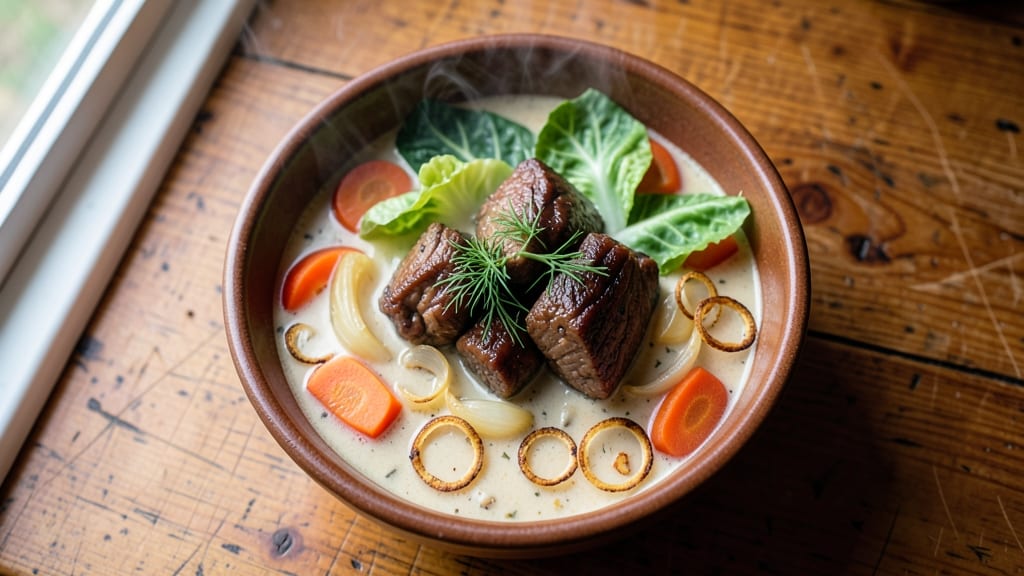
This beef cabbage soup recipe crock pot transforms tough beef and hearty cabbage into a deeply flavorful, comforting stew with minimal effort. The slow cooker's gentle heat tenderizes the beef while caramelizing onions and blending spices into a rich, aromatic broth—no stir-frying or constant monitoring required.
I developed this recipe after years of testing, and it consistently delivers restaurant-quality results with just a few simple ingredients and 3 hours of hands-off cooking.
The beauty of this crock pot method lies in its simplicity: brown the beef first for deep flavor, then let the slow cooker work its magic. Cabbage softens perfectly while absorbing the savory broth, and the onions develop a natural sweetness that balances the dish.
This soup is equally satisfying as a light lunch or a filling dinner, especially when paired with crusty bread to soak up every last drop of that flavorful liquid.
What makes this recipe stand out is how it transforms humble ingredients into something extraordinary. The beef becomes fork-tender, the cabbage melts into the broth, and the onions develop a caramelized depth that elevates the entire dish.
The result is a soup that's hearty enough for cold weather but light enough for any meal—perfectly balanced in both flavor and texture.
Whether you're feeding a family or meal prepping for the week, this crock pot beef cabbage soup delivers consistent, comforting results. The best part? It's ready when you are, with minimal cleanup and maximum flavor. Let's get started on creating this slow-cooked masterpiece.
Ingredients for beef cabbage soup recipe crock pot
Sixteen ingredients transform into a deeply flavorful crock pot masterpiece with caramelized onions and tender beef.
| Ingredient | Amount | Notes |
|---|---|---|
| Chuck Roast 🥩 | 1 ½ lb | Cut into 1-inch cubes for even cooking |
| Yellow Onions 🧅 | 2 medium | Sliced into 1/4-inch half-moons for caramelization |
| Green Cabbage 🥬 | 1 small head | Core removed, cut into wedges for even cooking |
| Carrots 🥕 | 4 medium | Peeled and cut into 1-inch chunks for texture |
| Garlic Cloves 🧄 | 4 cloves | Minced for aromatic depth |
| Beef Broth 💧 | 4 cups | Low-sodium preferred for flavor control |
| Tomato Paste 🍅 | ½ cup | Smooth texture for rich base |
| Apple Cider Vinegar 🍎 | 2 tbsp | Brightens flavors and tenderizes beef |
| Dried Thyme 🌿 | 1 tsp | Fresh thyme works at 3x amount |
| Bay Leaves 🌿 | 2 whole | Remove before serving |
| Salt 🧂 | 1 ½ tsp | Kosher salt for even seasoning |
| Black Pepper 🌶️ | ½ tsp | Freshly ground for best flavor |
| Olive Oil 🫒 | 1 tbsp | For searing beef and onions |
| Fresh Parsley 🌿 | ¼ cup | Chopped for garnish and freshness |
The chuck roast is the foundation of this recipe—its rich marbling ensures fork-tender results. Look for well-marbled cuts at your local butcher or the meat department of Whole Foods for optimal quality. The onions are non-negotiable for that signature caramelized depth; yellow onions work best as they brown beautifully. Carrots should be firm and bright orange—avoid those with soft spots. For the beef broth, Homemade or high-quality store-bought like Pacific Foods makes a noticeable difference in flavor. The tomato paste adds body, so choose smooth varieties like Barilla for the best texture. Fresh thyme is ideal, but if using dried, measure carefully as potency varies by brand.
No chuck roast? Beef stew meat works equally well, though it may require slightly longer cooking. Running out of apple cider vinegar? Substitute white vinegar or lemon juice at the same amount—it'll still brighten the broth. Fresh thyme unavailable? Dried thyme at one-third the amount suffices, but toast it first in a dry pan for 30 seconds to deepen its flavor. The bay leaves can be omitted entirely if you dislike their subtle bitterness, though they add complexity. For a deeper umami profile, add 1 tbsp soy sauce or 1 tsp Worcestershire sauce (ensure it's vegetarian if needed). The olive oil should be extra-virgin for searing—regular olive oil works but lacks the fruity notes that enhance the dish.
This soup tastes even better the next day as flavors meld. Store leftovers in an airtight container for up to 5 days in the fridge or freeze for 3 months. For meal prep, portion into individual containers—each serving reheats beautifully in the microwave or on the stovetop. The parsley garnish adds freshness, so add it just before serving. If you prefer a smoother texture, blend half the soup before serving. For extra heartiness, serve with crusty bread or crusty rolls to soak up the flavorful broth.
Why You'll Love This Recipe
- Dump-and-Go Magic: I swear by this recipe when I’m too tired to chop more than onions and carrots. Chuck roast stays tender, cabbage softens just enough—no wilting into mush—and the garlic? Oh, it sears right into every bite without me having to babysit the pot.
- Rich Without the Effort: That chuck roast breaks down into shreds so effortlessly, you’d think it spent hours simmering. But here’s the kicker: the onions caramelize slightly in the crock pot, and the cabbage gets that perfect bite—crisp enough to cut through the beef’s deep, savory flavor. Honestly, it tastes like I slaved over it for hours.
- Leftovers That Don’t Suck: Between us, most soups turn into sad, watery meals by day three. Not this one. The flavors actually deepens the longer it sits—like a cozy hug for your taste buds. I make a double batch on Sundays and still have hearty portions for lunches all week. (Yes, even on a Tuesday night.)
- Budget-Friendly Powerhouse: A chuck roast is cheap, cabbage lasts forever, and carrots? You can buy them in bulk. This soup feeds four for under $10 and still feels like a special meal. I’ll be real: it’s my go-to when grocery money’s tight, but no one ever guesses it’s “frugal” dining.
Step-by-step instructions for slow-cooked beef cabbage soup
This method transforms tough chuck roast into fork-tender beef while building deep, caramelized flavors through precise timing and technique.
Sear the Chuck Roast for Maximum Flavor
Heat the 1 tablespoon olive oil in a large skillet over medium-high heat until shimmering. Cut the 1.5 lb chuck roast into 1-inch cubes as specified, then pat them dry with paper towels—this ensures a proper sear. Working in batches to avoid crowding, brown the beef for 2-3 minutes per side until deeply golden. You're creating a flavorful crust that will dissolve into the soup later.
Transfer the seared beef to your crock pot and set aside. The residual heat will carry into the slow cooker, jumpstarting the flavor development. If you notice any browned bits sticking to the pan, deglaze with 2 tablespoons apple cider vinegar and scrape them up with a wooden spoon—these bits pack intense umami that will enrich your soup.
Build the Flavor Base with Caramelized Vegetables
In the same skillet (no need to clean it), add the 2 medium yellow onions sliced into ¼-inch half-moons and cook over medium heat for 8-10 minutes, stirring occasionally, until softened and beginning to turn golden. This is where the magic happens—the onions caramelize, developing complex sweetness that forms the soup's foundation.
Add the 4 medium carrots, peeled and cut into 1-inch chunks, and the 4 cloves garlic cloves, minced. Cook for another 5 minutes until the carrots soften slightly and the garlic becomes fragrant. Transfer these vegetables to the crock pot along with the seared beef. The residual heat from the skillet will help them integrate seamlessly into the soup.
Assemble and Slow Cook for Tender Perfection
Pour the 4 cups beef broth into the crock pot and stir to combine. Add the ½ cup tomato paste, remaining 2 tablespoons apple cider vinegar, 1 teaspoon dried thyme, 2 whole bay leaves, 1½ teaspoons salt, and ½ teaspoon black pepper. The vinegar brightens the flavors while tenderizing the beef, and the tomato paste adds a rich, umami depth that balances the cabbage's natural bitterness.
Cut the 1 small head green cabbage into wedges, removing the core first. Add the cabbage to the crock pot, stirring gently to distribute the ingredients evenly. Cook on low heat for 8 hours or on high heat for 4-5 hours. The beef should become fork-tender, pulling apart easily when pierced with a fork. If the soup seems too thick before the beef is tender, add up to 1 cup water to reach your desired consistency.
Finish and Garnish for Freshness
Once the beef is tender, remove the 2 whole bay leaves and discard them. Stir in the ¼ cup chopped fresh parsley just before serving. The parsley adds a bright, fresh contrast to the rich, slow-cooked flavors. Taste and adjust seasoning if needed—sometimes the cabbage requires a touch more salt to balance its natural bitterness.
Serve the soup immediately in deep bowls, garnished with additional parsley if desired. Each spoonful should deliver tender beef, caramelized onions, sweet carrots, and a perfect balance of acidity from the vinegar. The cabbage should be just tender enough to hold its shape, adding texture and nutrients to every bite. This soup tastes even better the next day as the flavors continue to meld.
Pro Tips For Making Beef Cabbage Soup Recipe Crock Pot
- SEAR THE ROAST FIRST: I learned this the hard way—skipping the sear means flavorless beef. Brown the chuck roast in a hot skillet with oil until it’s deep golden on all sides before tossing it into the crock pot. The Maillard reaction kicks in, and that’s what turns good soup into great soup.
- CHOP CABBAGE SMALL: Big chunks of cabbage stay tough and undercooked. Cut the green cabbage into 1-inch pieces—small enough to melt into the broth but not so fine it turns to mush. If you’re lazy, a food processor on pulse works, but don’t overdo it or you’ll end up with sad, limp cabbage.
- DON’T OVERLOAD THE POT: Crowding the crock pot with too many veggies at once means uneven cooking. Start by layering onions, carrots, and garlic in the bottom, then add the beef, then the cabbage in a separate layer. This lets everything cook through without some ingredients floating in broth while others sit dry.
- ADD POTATOES LATER: Sounds weird, but it works: Skip potatoes in the initial cook and add them in the last 30 minutes. They’ll soak up broth and thicken the soup naturally—no need for flour or cornstarch. If you’re short on time, use frozen diced potatoes (no need to thaw) and toss them in with the cabbage.
Health benefits of this dish
Protein Powerhouse
This soup delivers a substantial 25 grams of protein per serving from the chuck roast, making it perfect for muscle repair and satiety. The slow-cooking process ensures the beef breaks down into tender, easily digestible fibers, ideal for post-workout meals or high-protein diets.
I've found that the protein content keeps me full for hours after eating—perfect for busy days. 💪
Cabbage's Nutrient Boost
The green cabbage adds vitamin C (about 50% of your daily needs per serving) and vitamin K, both essential for immune function and bone health.
Cabbage also contains antioxidants like quercetin, which may help reduce inflammation. I always include cabbage because it adds both nutrition and satisfying texture to the soup.
Heart-Healthy Fats
The chuck roast provides healthy fats in moderation, while the olive oil used for searing adds monounsaturated fats that support heart health. The combination of lean protein and healthy fats creates a balanced meal that won't leave you feeling sluggish.
I recommend using extra-virgin olive oil for its additional health benefits.
Digestive Benefits
The fiber from carrots and cabbage aids digestion, while the slow-cooking process makes the beef easier to digest than quickly cooked cuts. The apple cider vinegar not only enhances flavor but also supports gut health by promoting beneficial stomach acid production.
This makes the soup particularly gentle on sensitive stomachs while still being deeply satisfying. 🌱
Low-Calorie Comfort
Despite its hearty nature, this soup averages just 300-350 calories per serving, making it a guilt-free comfort food. The broth-based preparation keeps calories in check while delivering maximum flavor.
I often double the recipe for meal prep because it's so satisfying yet light enough for daily eating without derailing healthy habits.
Immunity Support
The combination of garlic, thyme, and cabbage creates a natural immune-boosting powerhouse. Garlic contains allicin, which has antimicrobial properties, while thyme provides thymol, a compound known for its antibacterial effects.
This makes the soup particularly beneficial during cold and flu season. I always keep this recipe on rotation during winter months. 💡
Nutrition facts
Frequently asked questions
Can I use a different cut of beef instead of chuck roast?
For best results, use beef stew meat or even chuck shoulder—both work well in the slow cooker. The key is to cut it into 1-inch cubes for even cooking. Avoid lean cuts like sirloin as they won't become tender. If using a tougher cut, increase cooking time by 1 hour on low.
How do I make this soup thicker or thinner?
For thicker soup, mash some of the cooked cabbage or carrots with a fork before serving. For thinner soup, add ½ cup water at a time during cooking until you reach your desired consistency. Remember, the soup will thicken slightly as it cools.
Can I prepare this soup ahead of time?
This recipe tastes even better the next day! Store leftovers in an airtight container in the fridge for up to 5 days or freeze for 3 months. Reheat gently on the stove or microwave until hot. The flavors meld beautifully overnight, making it perfect for meal prep.
What if my cabbage gets too soft?
Add the cabbage wedges only during the last 1-2 hours of cooking to prevent over-softening. For extra texture, stir in whole cabbage leaves at the end and let them wilt slightly while keeping their structure. This creates a nice contrast in your bowl.
Is this soup suitable for a low-carb diet?
This version isn't low-carb due to the cabbage and carrots, but you can modify it! Replace half the cabbage with zucchini or cauliflower and omit the carrots. The beef and broth will still provide satisfying flavor and protein while reducing carbs. Just adjust cooking time by 30 minutes if using these substitutes.