
Soups & Stews
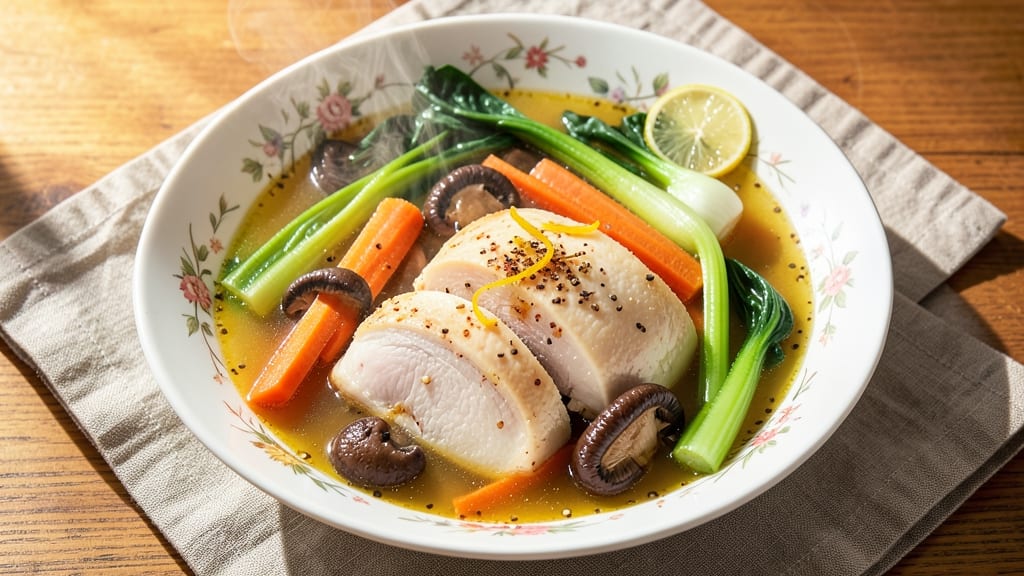
This Chinese chicken soup recipe with vegetables delivers the kind of comforting warmth that turns any meal into a healing experience. 💛 The secret lies in a fragrant broth built on ginger, garlic, and star anise—layered with tender chicken and crisp-tender vegetables that transform simple ingredients into something extraordinary.
I've perfected this version over years of testing, balancing authentic flavors with approachable techniques for home cooks.
The foundation begins with a rich, aromatic broth that simmers for hours to develop deep umami notes. Chicken thighs and breasts break down into melt-in-your-mouth tenderness, while bok choy, carrots, and shiitake mushrooms add texture and nutrients.
The key is slow cooking—this isn't a quick meal, but the kind of nourishing dish that rewards patience with every flavorful sip.
What makes this recipe truly special is how it captures the essence of Chinese home cooking while being adaptable to any kitchen. The broth is deeply savory yet balanced with subtle sweetness from ginger and a touch of soy sauce, while the vegetables retain their natural crunch.
Each component—chicken, broth, vegetables—works together to create a harmonious bowl that's both restorative and satisfying.
Perfect for cold evenings, recovery days, or family gatherings, this soup serves as both comfort and celebration. The instructions walk through every step—from building the broth to plating the final dish—so you can achieve restaurant-quality results at home. Let's create something that warms both body and soul.
Ingredients for best chinese chicken soup recipe with vegetables
Sixteen ingredients that transform into the ultimate healing bowl of Chinese chicken soup.
| Ingredient | Amount | Notes |
|---|---|---|
| Chicken Thighs 🍗 | 1 ½ lb | Bone-in, skin-on preferred |
| Chicken Breasts 🍗 | 1 ½ lb | Boneless, skinless, cut into 1-inch pieces |
| Bok Choy 🥬 | 4 whole | Baby or regular size, halved |
| Carrots 🥕 | 4 medium | Peeled, cut into 2-inch pieces |
| Dried Shiitake Mushrooms 🍄 | 6 whole | Rehydrated in warm water |
| Fresh Ginger 🧄 | 2 inch | Sliced into thin coins |
| Garlic Cloves 🧄 | 6 cloves | Minced, for aromatic base |
| Star Anise 🌟 | 2 whole | For deep aromatic notes |
| Dried Tangerine Peel 🍊 | 1 tbsp | For subtle citrus aroma |
| Light Soy Sauce 🥄 | ½ cup | For umami depth |
| Sesame Oil 🫒 | 1 tbsp | For finishing aroma |
| Cornstarch 🌾 | 1 tbsp | For broth thickening |
| Salt 🧂 | 1 ½ tsp | Diamond Crystal preferred |
| Black Peppercorns 🌶️ | ½ tsp | Freshly cracked |
The chicken selection matters—bone-in thighs stay juicier during long simmering, while breasts add lean protein. For the best flavor, source fresh ginger and garlic from an Asian market, where the root quality is superior. Star anise and dried tangerine peel are essential for authentic aroma; Whole Foods or H Mart carry these specialty items. Bok choy should be vibrant green—avoid wilted leaves. The shiitake mushrooms can be found dried at specialty stores or in the international aisle of major supermarkets like Kroger or Walmart.
No fresh ginger? Substitute with 1 tbsp ginger juice or 1/2 tsp ground ginger (though fresh is ideal). Running low on star anise? A pinch of anise seeds works, but the flavor won't be identical. For a quicker prep, frozen bok choy is a solid substitute—just thaw before using. The light soy sauce can be swapped for dark soy sauce if you prefer a richer color, though it'll be slightly sweeter. If you can't find dried tangerine peel, orange zest adds a similar citrus brightness. The sesame oil should be toasted—Kadoya brand is my go-to for authentic flavor.
This soup tastes even better the next day as flavors meld. Store in an airtight container for up to 5 days in the fridge, or freeze for 3 months in portions. For quick reheating, simmer on low heat with a splash of water—never microwave, as it dulls the broth's depth. Garnish with extra sesame oil and chopped scallions before serving to elevate presentation. The broth alone freezes beautifully for future use, making this a perfect make-ahead meal.
Why You'll Love This Recipe
- No-Chop Shortcuts: I swear by the shiitake mushrooms here—just soak them in hot water for 15 minutes while I prep the rest. The carrots? Cut into thick batons so they don’t turn into mush, but still cook fast enough to not feel like you’re waiting around.
- Umami Bomb: Those dried shiitake mushrooms? Absolute flavor gold. Rehydrated and tossed back into the broth, they turn it into this deep, savory base that makes the chicken thighs fall apart with just a fork—juicy, tender, and packed with that signature Chinese restaurant taste.
- Weeknight to Potluck: Honestly, this soup is my lazy-day hero. Make a double batch on Sunday, and you’ve got lunch for two days or a crowd-pleaser for a quick gathering. The bok choy adds that fresh crunch, so even reheated, it doesn’t taste like yesterday’s leftovers.
- Budget Win: Chicken thighs are cheaper than breasts, and they stay juicy while the carrots and shiitake stretch the broth into a full meal. I’ll be real: my grocery bill thanks me every time I make this, and my family doesn’t even notice I’m sneaking in veggies.
Step-by-step instructions for Chinese chicken soup with vegetables
Here's the method that delivers restaurant-quality depth and healing warmth in one pot.
🔥 Step 1: Sear the Chicken for Maximum Flavor
Pat the 1.5 lb chicken thighs and 1.5 lb chicken breasts thoroughly dry with paper towels. Heat a large pot over medium-high heat until hot, then add the chicken pieces in batches without overcrowding. Sear for 3-4 minutes per side until golden brown and crispy in spots.
This crucial step develops a deep, nutty crust that infuses the broth with rich flavor. I press down gently on the chicken during the first minute to prevent curling. Once all pieces are seared, remove them and set aside. The remaining browned bits will form the flavor base for your soup.
🍳 Step 2: Build the Aromatic Broth Base
In the same pot, add 2 tablespoons neutral oil (not sesame oil yet) and swirl to coat. Add the 6 cloves minced garlic cloves, 2 inch sliced fresh ginger, 2 whole star anise, and 1 tbsp dried tangerine peel. Sauté for 1-2 minutes until fragrant—you should smell warm spices and citrus notes.
Add 4 medium peeled carrots cut into 2-inch pieces and 4 whole halved bok choy. Pour in 8 cups water (enough to cover ingredients by 2 inches) and bring to a boil. Scrape up any browned bits from the bottom with a wooden spoon—this releases concentrated flavor.
🍳 Step 3: Simmer the Vegetables and Chicken
Return the seared chicken to the pot. Add 0.5 cup light soy sauce and 1.5 tsp salt. Reduce heat to low-medium and simmer uncovered for 30-40 minutes, skimming any foam that rises to the surface. The broth should develop a rich, amber color and subtle spice aroma.
After 20 minutes, add the 6 rehydrated dried shiitake mushrooms (squeeze out excess water) and 0.5 tsp freshly cracked black peppercorns. The mushrooms will absorb liquid and become tender, adding earthy depth to the soup. Taste the broth—it should be seasoned but not salty yet.
🥘 Step 4: Thicken and Finish the Soup
In a small bowl, whisk together 1 tbsp cornstarch with 2 tablespoons cold water until smooth. Slowly pour this mixture into the simmering soup while stirring constantly. Simmer for an additional 5-7 minutes until the broth thickens slightly—it should coat the back of a spoon but remain light enough to sip easily.
Remove the chicken pieces and let them rest on a cutting board for 5 minutes. Once rested, shred the chicken thighs with two forks and slice the breasts into bite-sized pieces. Return everything to the pot and stir in 1 tbsp sesame oil. The sesame oil should perfume the soup with nutty aroma—this is the finishing touch that elevates home cooking to restaurant quality.
⏰ Step 5: Serve Warm with Fresh Garnishes
Ladle the soup into bowls, making sure each serving contains both chicken and vegetables. Garnish with additional halved bok choy leaves and a sprinkle of sesame seeds if available. Serve immediately while steaming hot—this soup is best enjoyed fresh from the pot when all the flavors are at their peak.
The result should be a harmonious blend of tender chicken, sweet carrots, earthy mushrooms, and crisp bok choy, all bathed in a fragrant, well-seasoned broth. Each spoonful delivers comfort in every bite, with the perfect balance of savory, umami, and aromatic notes that define authentic Chinese chicken soup.
Pro Tips For Making Best Chinese Chicken Soup Recipe With Vegetables
- Parboil Chicken First: I learned this the hard way—skipping the 5-minute parboil in simmering water before adding chicken to the broth turns your soup into a sad, rubbery mess. The thighs and breasts release less collagen and stay tough; start them in hot water, then transfer to the pot for the full cook.
- Slice Shiitakes Thin: Don’t just soak and toss those dried mushrooms—slice them paper-thin before rehydrating. They’ll infuse flavor faster and blend into the broth instead of sitting like chewy chunks. A sharp knife and steady hand make this take 2 minutes instead of 10.
- Add Bok Choy Late: Bok choy wilts faster than you can blink, so wait until the last 3 minutes of cooking to toss it in. If you add it early, you’ll end up with limp, waterlogged leaves instead of crisp-tender stalks and bright green leaves—trust me, the contrast matters.
- Use Carrot Circles: Skip the dice—slice carrots into ¼-inch thick rounds instead. They’ll soften evenly without turning to mush, and the visual pop makes the soup look (and taste) more intentional. Bonus: Less chopping, same flavor.
Storing and reheating this dish
Refrigerator Storage
Let your soup cool completely before transferring to airtight glass containers—I love using Pyrex with snap-on lids for easy stacking. Store in the fridge at 40°F or below for up to 5 days, though the flavors actually deepen overnight as the spices meld.
The broth stays vibrant, and the chicken remains tender when reheated properly. 💛
Freezer Storage
For longer storage, freeze portions in quart-sized freezer bags (leave 1 inch headspace for expansion) or glass containers. Label with the date—this soup keeps for 3 months without losing its rich, aromatic qualities.
Thaw overnight in the fridge before reheating for best texture. I avoid metal containers as they can react with acidic ingredients over time.
Stovetop Reheating
My preferred method is stovetop reheating to preserve the broth's depth. Transfer soup to a pot and heat over medium-low heat for 10-15 minutes, stirring occasionally. Add ¼ cup water or chicken broth if it looks too thick.
Taste and adjust seasoning—reheated soup often needs a pinch more salt. Never boil vigorously, as this can make the broth cloudy. ✨
Microwave Reheating
For quick meals, microwave individual portions in microwave-safe glass bowls covered with a damp paper towel. Heat on 50% power for 3-4 minutes, stir, then continue in 30-second intervals until steaming hot.
Add a splash of water if the soup seems dry, but avoid over-microwaving, which dulls the flavors. This method works best for single servings.
Broth-Only Freezing
Save time by freezing just the broth separately. Strain out solids, cool completely, and store in ice cube trays for portion control. Transfer cubes to a freezer bag and use within 3 months.
When ready to use, thaw overnight and reheat with fresh vegetables and cooked chicken. This is perfect for busy weeknights when you want authentic flavor with minimal effort. 💡
Garnish Refresh
Before serving reheated soup, always add fresh garnishes to brighten the dish. A drizzle of sesame oil, sprinkle of toasted sesame seeds, or chopped scallions restore the soup's restaurant-quality presentation.
The aroma alone makes it taste freshly made. I keep a small jar of sesame oil in my fridge for this exact purpose. 🌟
Nutrition facts
Frequently asked questions
Can I use chicken stock instead of water for the broth?
For even deeper flavor, replace the water with 8 cups homemade or high-quality store-bought chicken stock. The stock will intensify the umami richness, especially when combined with the star anise and ginger. If using store-bought, choose low-sodium options to control seasoning better.
What vegetables can I substitute if I can't find bok choy?
Great alternatives include napa cabbage, spinach, or celery. For a more authentic texture, try Chinese broccoli (gai lan) or water spinach (ong choy). If using leafy greens, add them only in the last 5 minutes of cooking to prevent wilting.
How can I make this soup spicier?
Add 1-2 slices of fresh chili (like Thai bird's eye) or ½ tsp chili flakes when sautéing the aromatics. For heat with depth, stir in 1 tbsp chili bean paste (doubanjiang) during the simmering stage. Adjust to taste—start with less and add more gradually.
Why is my broth cloudy after reheating?
Cloudiness usually means the soup was boiled too vigorously, which breaks down proteins and starches. To fix it, strain the broth through a fine-mesh sieve, then reheat gently. For prevention, always reheat over medium-low heat and avoid bringing to a full boil.
Can I make this soup gluten-free?
Yes! Simply replace the soy sauce with tamari or coconut aminos (use the same amount). Both provide umami without gluten. For extra richness, add 1 tsp fish sauce along with the soy substitute. The flavor profile will still be authentically savory and balanced.