
Soups & Stews
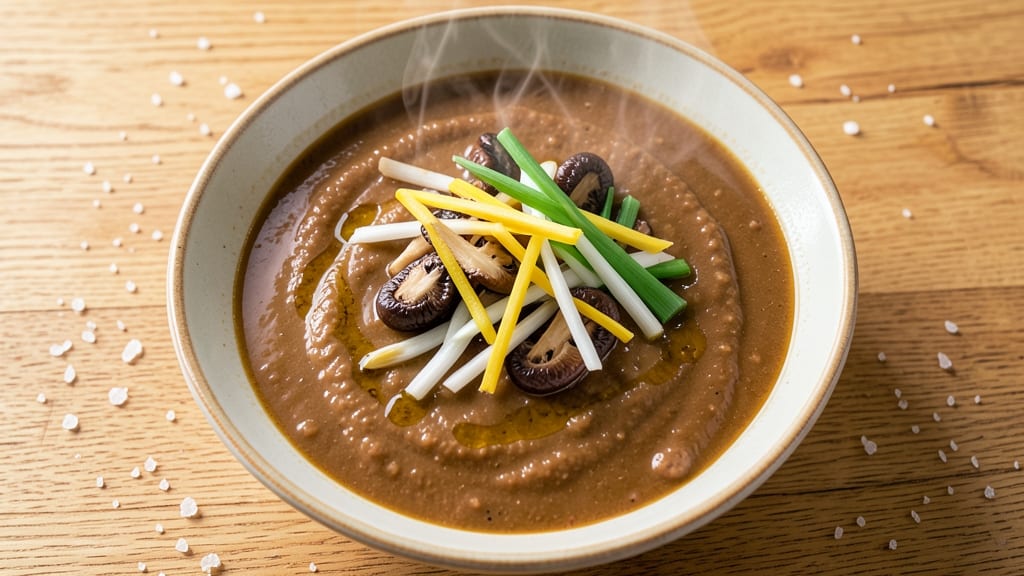
This bean paste soup recipe delivers the deep umami richness that makes it a comfort food staple across Asian kitchens. The secret lies in fermented bean paste—a complex, savory base that transforms simple ingredients into a velvety broth with layers of flavor.
I’ve refined this version to balance traditional techniques with modern convenience, ensuring you get restaurant-quality results without hours in the kitchen.
The process begins with sautéing aromatics—garlic, ginger, and scallions—until fragrant, then building depth with dried shiitake mushrooms and a splash of soy sauce before adding the bean paste.
This paste, whether red or fermented, forms the soul of the soup, infusing the broth with silky texture and a slow-simmered richness that’s impossible to resist. The key is patience: letting the flavors meld over 20-30 minutes of gentle simmering.
What you’ll end up with is a silky, aromatic broth that clings to delicate noodles or rice, each spoonful packed with umami and warmth. The soup’s versatility shines here—add a soft-boiled egg for protein, quick-pickled vegetables for brightness, or a drizzle of chili oil for heat.
It’s the kind of dish that feels both nourishing and indulgent, perfect for chilly evenings or as a base for creative twists.
Whether you’re making it for a weeknight dinner or a special gathering, this recipe scales effortlessly. The foolproof technique ensures consistent results, while the customizable toppings let you adapt it to your taste. Ready to transform a simple pot of soup into something extraordinary? Let’s get started.
Ingredients for bean paste soup
This bean paste soup transforms simple pantry staples into a velvety, umami-rich masterpiece.
| Ingredient | Amount | Notes |
|---|---|---|
| Fermented Bean Paste 🍜 | ½ cup | Red or fermented variety preferred |
| Dried Shiitake Mushrooms 🍄 | 1 ounce | Rehydrated in hot water |
| Fresh Garlic Cloves 🧄 | 4 cloves | Minced for aromatic base |
| Fresh Ginger 🌿 | 1 inch | Thinly sliced, peeled |
| Green Onions 🧅 | 3 whole | White and green parts separated |
| Light Soy Sauce 🍶 | 2 tbsp | For umami depth |
| Chicken or Vegetable Broth 💧 | 4 cups | Homemade or quality store-bought |
| Rice Noodles 🍜 | 8 oz | Fresh or dried, soaked if dried |
| Sesame Oil 🫒 | 1 tsp | For finishing aroma |
| Toasted Sesame Seeds 🌾 | 1 tbsp | For garnish |
| White Pepper 🌶️ | ½ tsp | Freshly ground preferred |
| Cornstarch 🌾 | 1 tsp | For broth thickening |
| Cold Water 💧 | 1 tbsp | For cornstarch slurry |
Fermented bean paste is the star here—Asian markets carry the best varieties, but Trader Joe's or H Mart always have reliable options. Look for deep red or dark brown paste with a rich, funky aroma (that's the good stuff!). Dried shiitake mushrooms should be whole and plump; if they're shriveled, soak them longer. Fresh ginger and garlic? Buy extra—you'll want them for other dishes too. The light soy sauce matters—Kikkoman is foolproof, but Japanese brands like Yamasa add extra depth. For broth, homemade is ideal, but Pacific Foods or Swanson make quality store-bought versions.
No fermented bean paste? Miso paste at half the amount works in a pinch, though the flavor profile shifts slightly. Dried shiitake too expensive? Cremini mushrooms add earthiness, but won't replicate that umami punch. Short on fresh ginger? Ground ginger at one-third the amount, but toast it first in a dry pan to wake up the flavor. The rice noodles can be any width—flat or round—just adjust cooking time. For a quicker version, pre-cooked rice noodles from the Asian aisle save 10 minutes. And if you're avoiding gluten, double-check your soy sauce label—some contain wheat.
Bean paste keeps for 6-12 months in the fridge once opened, so buy a big tub. Dried shiitake? Store in a sealed container for up to a year—they'll rehydrate just fine. Make the broth ahead and store it in the fridge for 5 days or freeze for 3 months. The noodles? Soak them in cold water for 15 minutes before cooking to prevent clumping. This soup tastes even better the next day as flavors meld—double the batch and freeze half for lazy nights. Garnish with sesame seeds right before serving to keep them toasty.
Why You'll Love This Recipe
- Five-Ingredient Magic: I swear, this soup comes together with three active minutes of work. Soak the dried shiitake while you chop garlic—done. The fermented bean paste does all the heavy lifting, so you’re not stuck stirring for hours.
- Umami Bomb: That fermented bean paste? It’s like a flavor grenade—deep, salty, and funky in the best way. The shiitake mushrooms add this earthy richness, while the garlic and ginger hit like a cozy punch.
- Weeknight & Meal Prep: I make a big batch on Sundays and it lasts me all week—tastes just as good reheated. Or serve it cold over rice for a quick lunch. Honestly, it’s my lazy-day hero.
- Budget-Friendly Powerhouse: Fermented bean paste lasts months, shiitake mushrooms are a steal dried, and garlic/ginger stretch forever. For under $10, you feed four people a soup that feels restaurant-worthy—no takeout needed.
Step-by-step instructions for bean paste soup with silky noodles
Let's create a deeply flavorful soup where fermented bean paste builds rich umami layers.
Rehydrate and Prepare Aromatics
First, place the 1 ounce dried shiitake mushrooms in a small bowl and cover with hot water. Let them soak for 15-20 minutes until pliable. While they rehydrate, peel and thinly slice the 1 inch fresh ginger. Separate the 3 whole green onions into white and green parts, keeping them intact for garnish later.
In a large soup pot, heat 1 tablespoon of the chicken or vegetable broth over medium heat. Add the minced 4 cloves fresh garlic cloves and sliced ginger, cooking for 1-2 minutes until fragrant but not browned. This step builds the aromatic foundation that carries through the entire soup. The garlic should smell sweet and pungent without burning.
Develop the Bean Paste Base
Reduce the heat to medium-low and add the 0.5 cup fermented bean paste, stirring constantly for 3-4 minutes until it dissolves completely and the mixture becomes smooth. The paste will release its deep umami richness, creating a thick, glossy base. If it starts to stick, add 1 tablespoon of broth to help it incorporate.
Here's the thing—don't rush this step. The bean paste needs time to fully meld with the aromatics. You'll see the mixture transform from chunky to velvety smooth as it develops its signature fermented depth. This is where the soup's complex flavor profile begins to form.
Build the Broth and Thicken
Pour in the remaining 3 cups 4 cups chicken or vegetable broth and bring to a gentle simmer. Stir in the 2 tablespoons light soy sauce and 0.5 teaspoon white pepper, letting the soup cook uncovered for 10 minutes to allow flavors to meld. The broth should smell rich and aromatic with layers of umami and spice.
In a small bowl, whisk together the 1 teaspoon cornstarch with 1 tablespoon cold water to create a slurry. Slowly pour this into the simmering soup while stirring continuously. The soup will begin to thicken almost immediately—keep stirring for another 2-3 minutes until it reaches a silky, velvety consistency. This thickening step ensures each spoonful delivers maximum flavor.
Prepare and Add the Noodles
While the soup thickens, prepare the 8 ounces rice noodles according to package instructions if using dried noodles (typically soaking in hot water for 8-10 minutes until pliable). If using fresh noodles, blanch them in boiling water for 1-2 minutes until just tender. Drain and set aside.
Gently add the prepared noodles to the soup pot and stir carefully to coat them evenly with the flavorful broth. The noodles should absorb the liquid gradually over 2-3 minutes of simmering. You want them to be tender but still hold their shape—this ensures each bite delivers both the silky noodles and rich broth together.
Finish and Garnish
Remove the soup from heat and let it rest for 2 minutes to allow the noodles to finish absorbing any remaining liquid. This resting period also lets the flavors settle and intensify. Taste and adjust seasoning if needed—you might want to add a splash more soy sauce for deeper umami or a pinch of white pepper for more heat.
Ladle the soup into bowls and drizzle each serving with 1 teaspoon sesame oil. Garnish with the reserved green onion whites and 1 tablespoon toasted sesame seeds. The sesame oil adds a final aromatic layer, while the sesame seeds provide texture contrast and visual appeal. Serve immediately while the noodles are still warm and silky.
Pro Tips For Making Bean Paste Soup
- Bloom the Shiitakes First: Soak your dried shiitakes in hot—not boiling—water for at least 20 minutes before using. Cold water makes them tough as boot leather, and skipping this step means you’ll be chewing instead of savoring. I learned this the hard way after a batch where the mushrooms stayed rubbery no matter how long I simmered them.
- Toast the Bean Paste: Dry-toast your fermented bean paste in a hot pan for 30 seconds before adding liquid. This deepens its nutty aroma and prevents that "raw flour" taste from creeping in. Sounds weird, but it works—your soup will smell like a proper home-cooked meal, not a shortcut.
- Salt the Water Last: Add salt to the soup after the bean paste and mushrooms have simmered for 5 minutes. Salt early, and you’ll mute the fermented bean flavor, which is the star here. I was skeptical until I tried it—now I can’t go back to salting first.
- Stir in Green Onions Late: Tuck those green onions into the soup only in the final 2 minutes of cooking. Any longer, and they’ll turn limp and lose their bright bite. This isn’t the prettiest method, but it’s the tastiest—crisp ends matter more than you’d think.
Wine and beer pairings for this recipe
Red Wine Pairings
For this umami-rich bean paste soup, I always reach for a dry Chinese red wine like Gewürztraminer or Cabernet Franc—both complement the fermented depth without overpowering. The slight sweetness in Gewürztraminer balances the soup’s savory notes beautifully.
If you prefer reds, a light Pinot Noir from China’s Yangtze River Valley works perfectly, as its bright acidity cuts through the richness. 🍷
Light Beer Options
A crisp Japanese lager like Sapporo or Asahi is my go-to for beer pairings—its clean, refreshing profile lets the soup’s flavors shine. For something with a little more character, try a Belgian-style witbier like Hoegaarden, where citrus and coriander notes mirror the ginger and garlic in the soup.
Avoid heavy ales or IPAs, which could overpower the delicate broth. 🍺
Sake for Tradition
If you want to stay true to the dish’s roots, warm junmai sake is the classic choice. Its subtle sweetness and earthy notes enhance the bean paste’s umami without competing.
I like Dassai 20—it’s affordable and widely available. For a more premium option, Hakkaisan Junmai Daiginjo adds a luxurious touch. Serve it slightly warmed to deepen its aroma. 🍶
Non-Alcoholic Pairings
Don’t overlook non-alcoholic options! A sparkling green tea like Hojicha or a ginger-infused iced tea complements the soup’s warmth. For something bolder, try a cold brew with a splash of soy milk—the nutty notes harmonize with the bean paste.
Even a simple sparkling water with lemon works if you want to keep it light. ✨
Regional Wine Twists
In Taiwan, they often pair this soup with local black tea-infused wine, while in Korea, a lightly sweet fruit wine like yuja (citron) wine is popular. For a Western twist, a dry Riesling from Germany adds a mineral quality that contrasts nicely with the soup’s richness.
The key is matching acidity—don’t let the wine’s sweetness overpower the umami. 🗺️
Nutrition facts
Frequently asked questions
What's the difference between red bean paste and fermented bean paste?
Red bean paste is sweet and made from cooked red beans, while fermented bean paste delivers deep umami from aged soybeans. For this recipe, fermented bean paste (like miso) is essential—it creates that signature savory richness. Red bean paste would make a dessert-like soup instead.
Can I make this soup without rice noodles?
Swap for udon noodles, egg noodles, or even shirataki noodles for a low-carb option. For a heartier version, serve with steamed rice or soft tofu cubes. Just adjust cooking times—fresh noodles cook faster than dried.
Why does my bean paste soup taste too salty?
Fermented bean paste is already salty, so taste as you go! Add broth gradually to dilute, or balance with a splash of rice vinegar (1 tsp) or coconut milk (2 tbsp) to mellow the saltiness. Always start with less soy sauce if you're unsure.
How long can I store leftover bean paste soup?
The soup tastes even better reheated! Store in an airtight container in the fridge for 4-5 days or freeze for 3 months. Reheat gently on low heat, adding a splash of water if it thickens too much. The noodles may soften further—just add fresh ones when serving.
Can I make this soup spicy?
Yes! Add 1 tsp chili crisp or ½ tsp gochugaru (Korean chili flakes) when simmering the broth. For heat control, stir in a pinch at a time. Top with sliced jalapeños or a drizzle of sriracha before serving for extra kick.