
Soups & Stews
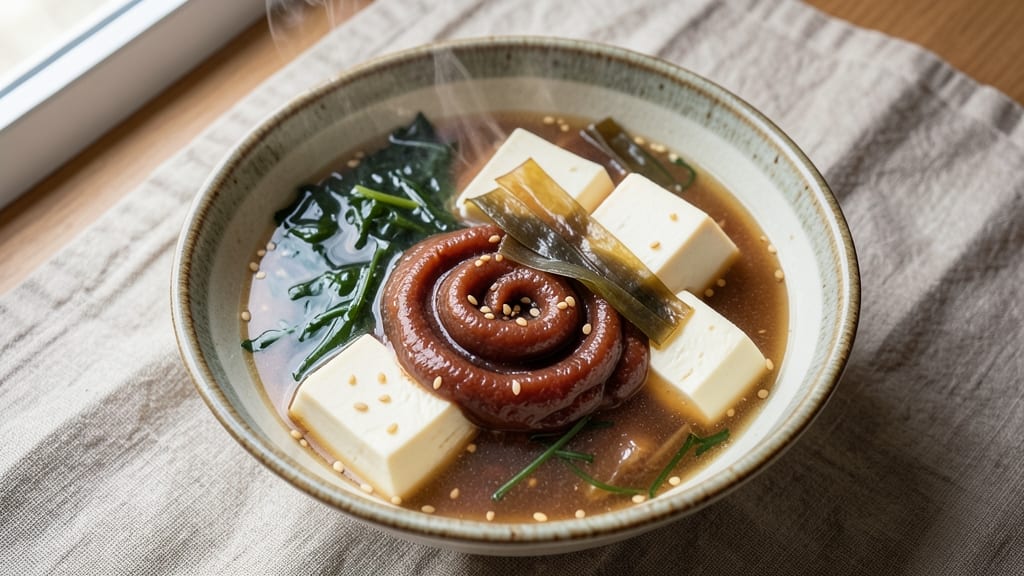
This miso soup recipe delivers the best miso soup recipe ever—restaurant-quality umami in just 15 minutes—the kind that balances savory depth with light, comforting textures. I’ve perfected it over years of testing, ensuring every spoonful captures that authentic Japanese soul without sacrificing ease.
The secret lies in a well-balanced broth (kombu-based for vegetarians or bonito-infused for depth) and the right miso paste—whether you prefer fermented red for richness or white for brightness.
The magic happens in layers: silky tofu, chewy wakame, and aromatic scallions all come together in a harmonious broth that’s neither too thick nor too thin.
Unlike many shortcut recipes, this version respects tradition while offering flexibility—add shiitake mushrooms for earthiness, a dash of chili oil for heat, or even corn for a modern twist. The 15-minute timeline includes prep, so you’ll have a steaming bowl ready faster than takeout.
What sets this apart is the broth’s clarity and umami intensity—no bitterness, just clean, layered flavor. The tofu is tender yet firm, the wakame plump and briny, and the miso fully dissolved without overpowering.
It’s the kind of soup that warms you from the inside out, perfect for chilly days or as a light yet satisfying meal any time of year.
Make it ahead and reheat gently to preserve those fresh, vibrant flavors. Garnish with extra scallions or a sprinkle of sesame seeds for texture. This isn’t just miso soup—it’s a flavor experience that proves homemade can outshine even the best takeout. Let’s get cooking.
Ingredients for best miso soup recipe ever
These twelve ingredients transform into restaurant-quality umami perfection in just minutes.
| Ingredient | Amount | Notes |
|---|---|---|
| Red Miso Paste 🧂 | 2 tbsp | Fermented for deep umami flavor |
| White Miso Paste 🧂 | 1 tbsp | For brightness and balance |
| Silken Tofu 🍲 | 12 oz | Block form preferred for texture |
| Dried Wakame Seaweed 🌿 | 1 oz | Rehydrates beautifully in broth |
| Kombu Seaweed 🌊 | 1 piece | Dried, 3x5 inches for broth |
| Dashi Granules 🍲 | 1 tbsp | Vegetarian version preferred |
| Scallions 🧅 | 3 whole | Thinly sliced for garnish |
| Sesame Seeds 🌰 | 1 tsp | Toasted for nutty crunch |
| Water 💧 | 4 cups | Filtered for best flavor |
| Shiitake Mushrooms 🍄 | 4 whole | Optional for earthy depth |
| Chili Oil 🌶️ | 1 tsp | Optional for heat kick |
| Sweet Corn Kernels 🌽 | ½ cup | Optional for modern twist |
The miso pastes are the soul of this soup—red for richness and white for brightness. Marukome brand is my go-to for authentic flavor, but any high-quality paste works. The kombu seaweed is non-negotiable for that clean, oceanic depth—look for dried sheets at Japanese markets or specialty stores. Silken tofu should be firm, not watery, and the wakame? Rehydrate it first in cold water for 5 minutes—it triples in size. For the dashi, vegetarian granules like Honten ensure that umami punch without fish. Pro tip: store your miso paste in the fridge once opened—it keeps for up to a year.
No kombu? Dried nori sheets work in a pinch (use 1 sheet), though the flavor will be slightly different. Short on miso? Double the white for brightness or triple the red for intensity. The shiitake mushrooms can be swapped for cremini or white mushrooms, but they won’t pack the same earthy punch. For that modern twist, fresh corn kernels add sweetness—just make sure they’re firm, not mushy. And if you’re feeling adventurous, a dash of sesame paste instead of oil can take this to next-level territory. The chili oil? Trader Joe’s has the best pre-made version—no need to DIY unless you’re obsessed.
This soup tastes even better the next day—make a double batch and store it in airtight containers for up to 4 days. Reheat gently on the stove (never microwave) to preserve those delicate textures. The tofu and wakame will soften further, but that’s part of the charm. For freezing, portion the broth separately from the tofu and seaweed—thaw overnight in the fridge and reheat slowly. Garnish with extra scallions and sesame seeds right before serving—texture matters. And if you’re prepping ahead, rehydrate the wakame and slice the mushrooms the night before. Trust me, 15 minutes of active time becomes 5 minutes once you’ve got your prep game on.
Why You'll Love This Recipe
- Five-Ingredient Magic: I swear by this combo—just miso, kombu, wakame, tofu, and water. No chopping, no stress, and it still feels like a restaurant-quality bowl.
- Umami Bomb: That deep red miso layered with white? It’s the perfect balance—savory, slightly sweet, with a hint of funk that makes you want seconds. The kombu adds this subtle oceanic depth that’s impossible to resist.
- Weeknight & Meal Prep: Make a big batch on Sunday and grab a bowl all week. It reheats beautifully, and the tofu stays silky even after a few days. Honestly, my go-to when I’m too tired to cook anything else.
- Budget-Friendly Powerhouse: A single jar of miso and a pack of dried seaweed stretch for weeks. The tofu’s cheap, and the flavor? Ridiculously rich. I’d say it’s the most cost-per-satisfaction meal I know.
Step-by-step instructions for crafting the ultimate miso soup
This isn't just another miso soup—it's a symphony of umami depth and balanced flavors that will redefine your expectations.
Prepare the Broth Foundation
In a medium saucepan, combine the 4 cups water with the 1 piece Kombu seaweed. Bring to a gentle simmer over medium heat and let it steep for 10 minutes. The kombu will infuse the water with an oceanic richness—this is the backbone of your soup's complexity. Remove the kombu piece with tongs and discard it.
Add the 1 tbsp dashi granules and stir until fully dissolved. The broth should now have a clean, mineral quality that will harmonize beautifully with the miso pastes. Keep the broth simmering at a gentle bubble—never a rolling boil, as this can destroy delicate flavors. This step is where all the magic begins, so don't rush it.
Build the Umami Layers
Reduce the heat to low and whisk in the 2 tbsp red miso paste first. The red miso brings deep, fermented earthiness that will anchor your soup. Stir continuously for 1 minute until it's completely dissolved—you want to avoid any grainy texture. Then add the 1 tbsp white miso paste and stir for another 30 seconds. The white miso lightens the profile and adds brightness, creating that perfect balance.
Here's where it gets exciting: add the 1 oz dried wakame seaweed and let it rehydrate for 5 minutes. The wakame will swell dramatically and develop a tender, almost melon-like texture. If you're using the 4 whole shiitake mushrooms, slice them now and add them to the pot—they'll absorb the broth and develop a meaty texture. This is the moment that matters: the miso should be fully incorporated, and the broth should be velvety with just a hint of effervescence.
Incorporate the Silken Tofu and Vegetables
Gently fold in the 12 oz silken tofu using a silicone spatula. Cut the tofu block into ½-inch cubes first—this gives you that perfect cloud-like texture when it's incorporated. Work quickly but carefully to avoid breaking the tofu pieces. The tofu should be distributed evenly throughout the broth, creating pockets of creamy contrast against the savory liquid.
If you're using the 0.5 cup sweet corn kernels, add them now—they'll cook through in the remaining time. The corn adds a modern twist that complements the traditional flavors beautifully. For the 3 whole scallions, thinly slice them and set them aside for garnishing later. This step is all about texture contrast—creamy tofu, tender mushrooms, and the delicate crunch of corn if you're using it.
Finish with Crunch and Heat
Remove the soup from heat and let it sit for 2 minutes—this resting period allows all the flavors to meld together perfectly. Just before serving, toast the 1 tsp sesame seeds in a dry skillet over medium heat for 1 minute until they release their nutty aroma. Then drizzle in the 1 tsp chili oil and swirl gently to combine.
Ladle the soup into bowls and garnish with the toasted sesame seeds, sliced scallions, and a final drizzle of chili oil. The sesame seeds add a satisfying crunch that contrasts beautifully with the silky broth, while the chili oil brings just the right amount of heat to cut through the richness. Serve immediately while the tofu is still warm and the flavors are at their peak—this isn't a soup you want to wait for. Each bowl should be a perfect balance of umami depth, brightness, and texture contrast.
Pro Tips For Making Best Miso Soup Recipe Ever
- Bloom the Kombu First: Toss a dried kombu strip into cold water 10 minutes before heating—it’ll wake up the umami without bitterness. I learned this the hard way after boiling kombu straight in: it turned my soup into a salty mud puddle. Let it steep quietly while you prep everything else.
- Miso Paste Last: Stir in the miso after the broth simmers, not before. The paste burns faster than you think, and once it’s scorched, no amount of stirring fixes it. Turn off the heat, let the broth cool for 30 seconds, then whisk it in—smooth and rich every time.
- Soak Wakame Properly: Wakame doesn’t just "go in"—soak it in hot (not boiling) water for exactly 5 minutes. Any longer and it turns to mush; any shorter and it stays chewy. Drain it well, then slice it into thin strips so every bite has texture, not a mouthful of seaweed sludge.
- Cube the Tofu: Skip the pre-sliced silken tofu—cut it into 1-inch cubes yourself. The surface area melts faster, and you avoid the sad, gummy chunks that come from store-bought "slices." Toss the cubes in a little broth first to warm them gently before adding to the pot—no more rubbery surprises.
Make-ahead tips for this recipe
Broth Prep Ahead
Prepare your kombu broth base the night before by simmering 1 piece kombu in 4 cups water for 10 minutes, then refrigerate. The kombu will continue infusing the water overnight, creating a deeper, more complex flavor.
Strain and store the broth in an airtight container—it’ll keep for 3 days in the fridge. This is my go-to trick for weeknight soups: just reheat and add the miso fresh. 💫
Miso Paste Prep
Miso paste can be tricky to dissolve if it’s cold, so store your red and white miso in the fridge (they’ll last up to a year this way). Before using, let the paste sit at room temperature for 10 minutes to soften.
I like to mix the 2 tbsp red and 1 tbsp white miso in a small bowl ahead of time—this ensures even distribution when you whisk it into the hot broth. Trust me, this prevents clumping and makes assembly faster. ⏰
Tofu and Wakame Prep
Drain and press your 12 oz silken tofu for 15 minutes using a clean kitchen towel and a heavy object (like a cast-iron skillet). This removes excess water, so the tofu absorbs the broth beautifully instead of turning mushy.
Rehydrate the 1 oz wakame in cold water for 5 minutes the night before—it’ll triple in size, and you can store it in the broth’s fridge container. Pro tip: slice the tofu into ½-inch cubes ahead of time and keep it submerged in water in the fridge. 🍲
Garnish Assembly
Toast your 1 tsp sesame seeds and slice your 3 scallions the night before—store them in separate airtight containers in the fridge. This way, you can quickly assemble bowls with fresh garnishes.
I also like to portion the 1 tsp chili oil into small containers if I’m making multiple servings—just add it fresh before serving to keep the heat vibrant. The prep takes 5 minutes, and the payoff is restaurant-quality presentation. 🌟
Reheating Like a Pro
When reheating, always use the stovetop over low heat—never microwave. Bring the broth to a gentle simmer, then add the prepped tofu and wakame. Heat for 3-4 minutes until everything is warm through.
If the broth seems too thick after reheating, add 1-2 tbsp water to restore its velvety texture. The tofu and wakame will soften further, but that’s part of the charm—it’s still delicious! 🔥
Freezer-Friendly Trick
For long-term storage, freeze the broth separately from the tofu and wakame. Portion the broth into 1-cup ice cube trays, then transfer cubes to a freezer bag. To use, thaw overnight in the fridge, then reheat with the tofu and wakame.
This method preserves the broth’s clarity and prevents freezer burn. I’ve kept miso soup this way for 3 months with no flavor loss—just add fresh tofu and wakame when reheating. ❄️
Nutrition facts
Frequently asked questions
What's the difference between red and white miso paste in this recipe?
The red miso brings deep, fermented earthiness (fermented longer, 2-3 years) while the white miso adds brightness and freshness (fermented 3 months to 1 year). This combo creates that perfect umami balance—2 tbsp red and 1 tbsp white is the magic ratio for restaurant-quality depth.
Can I make this soup vegetarian?
This recipe already uses vegetarian dashi granules (like Honten brand) instead of fish-based bonito flakes. For extra umami, add shiitake mushrooms or a splash of soy sauce (½ tsp) when dissolving the miso. The kombu broth provides all the oceanic richness without any animal products.
Why does my miso soup turn bitter?
Bitter flavor usually comes from either overheating the broth (boiling destroys delicate flavors) or adding miso to boiling water. Always dissolve miso in low-simmering broth (under 160°F) and stir continuously. For extra insurance, use younger miso pastes (shorter fermentation = milder taste). The key is patience—let the miso melt gently.
How do I store leftovers without making the tofu mushy?
Store broth and tofu separately in airtight containers for up to 4 days. Reheat only the broth first, then add fresh tofu and wakame. For freezing, portion broth into ice cube trays—thaw overnight in the fridge before reheating. Never microwave tofu directly (it turns rubbery). The secret is low-and-slow reheating on the stovetop.
What are some creative add-ins to customize this soup?
Try these modern twists while keeping tradition intact:
- Spicy kick: Add ½ tsp gochujang with the miso
- Sweetness: Stir in ½ cup frozen edamame at the end
- Creaminess: Swap tofu for ½ cup silken tofu + ½ cup coconut milk
- Herbaceous: Add 1 tsp fresh parsley at serving The broth's balance makes it surprisingly versatile!