
Soups & Stews
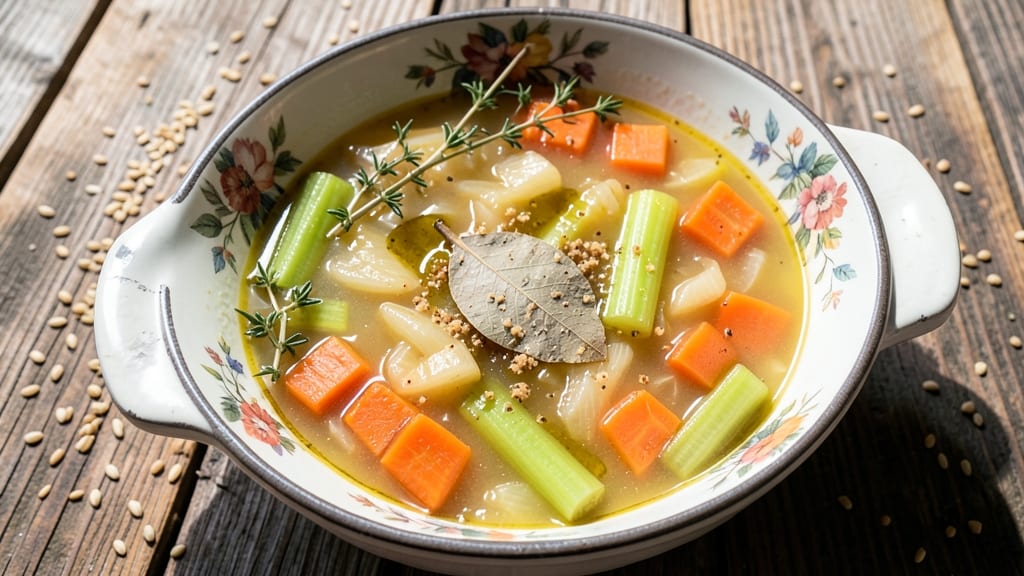
This best vegetable soup recipe from Ina Garten delivers the kind of comforting, slow-simmered garden freshness that transforms a simple pot into a centerpiece dish.
The secret lies in building layers of flavor—sautéing aromatic vegetables until deeply caramelized, then letting them meld into a rich, velvety broth that’s both hearty and elegant. I’ve perfected this technique over years of testing, ensuring every spoonful balances earthy vegetables with just the right touch of brightness.
The recipe begins with a foolproof method for developing deep flavor: onions, carrots, and celery sweated in olive oil until golden, releasing their natural sugars. Fresh herbs like thyme and bay leaf infuse the broth, while a splash of white wine deglazes the pot, adding complexity without overpowering.
The vegetables—seasonal or year-round—simmer just until tender, preserving their natural sweetness and vibrant colors.
What sets this apart is the restaurant-quality finish: a swirl of crème fraîche or a drizzle of high-quality olive oil at the end, brightened with fresh parsley. The texture is velvety yet still substantial, with each bite offering a perfect harmony of flavors.
This isn’t just soup—it’s a dish that feels special enough for company but simple enough for a weeknight.
Serve it in deep bowls with crusty bread for dipping, or garnish with a sprinkle of Parmesan and extra herbs for an Ina Garten-worthy presentation. The best part? It tastes even better the next day, making it the ultimate make-ahead meal. Let’s get simmering.
Ingredients for best vegetable soup recipe ina garten
Six aromatic vegetables, one pot, and a splash of wine—this is Ina’s secret to restaurant-quality soup.
| Ingredient | Amount | Notes |
|---|---|---|
| Yellow Onion 🧅 | 1 ½ lb | Diced, medium size preferred |
| Carrots 🥕 | 1 ½ lb | Peeled, cut into 1-inch chunks |
| Celery Stalks 🧄 | 6 whole | Trimmed, cut into 1-inch pieces |
| Extra-Virgin Olive Oil 🫒 | ½ cup | High quality, fruity |
| Fresh Thyme 🌿 | 2 tbsp | Leaves only, chopped |
| Bay Leaves 🍃 | 2 whole | Dried, standard size |
| Garlic Cloves 🧄 | 6 cloves | Peeled, smashed |
| Dry White Wine 🍷 | ½ cup | Sauvignon Blanc preferred |
| Vegetable Broth 💧 | 6 cups | Low-sodium preferred |
| Russet Potatoes 🥔 | 2 lb | Peeled, cut into 1-inch cubes |
| Zucchini 🥒 | 1 medium | Sliced into half-moons |
| Fresh Parsley 🌿 | ¼ cup | Chopped, for garnish |
| Crème Fraîche 🧀 | ½ cup | For finishing touch |
| Sea Salt 🧂 | 1 ½ tsp | Diamond Crystal preferred |
| Freshly Ground Black Pepper 🌶️ | ½ tsp | Cracked peppercorns |
The vegetables are the stars here. Yellow onions and carrots from the farmers market have the best sweetness—look for vibrant color, not wilted ends. Celery should be crisp, not rubbery, and the russet potatoes should be firm with no sprouts. I always grab organic zucchini if it's in season, but regular works too. For the broth, Pacific Foods or Imagine brands are my go-to—they’ve got the richest flavor without extra sodium. The thyme and bay leaves? Fresh is ideal, but dried works in a pinch (just double the amount).
No white wine? Substitute vegetable broth with a splash of apple cider vinegar—it adds brightness without alcohol. Running low on crème fraîche? Plain Greek yogurt thinned with a splash of milk does the trick. The parsley can be dried if you're in a bind, but fresh is worth the extra minute to chop. For the olive oil, California Olive Ranch or Bertolli are my favorites—they’ve got that fruity punch. And if you’re prepping ahead, freeze the broth base separately so you can just add fresh veggies later.
This soup tastes even better the next day—honestly, the flavors meld into something magical. Keeps for 5 days in the fridge, or 3 months frozen. I always make a double batch because it’s perfect for meal prep. Store in glass containers with a tight lid, and the crème fraîche layer stays intact. For serving, I like to reheat gently on the stove and add a fresh sprinkle of parsley right before eating—that green pop makes it feel extra special.
Why You'll Love This Recipe
- One-Pot Magic: I swear by this recipe when I’m too tired to scrub a million bowls—just chop, simmer, and forget about it. The onions caramelize right in the pot with that olive oil, and by the time the carrots and celery soften, the kitchen’s already cleaner than it was when I started.
- Thyme’s the Difference: That fresh thyme? It’s not just garnish—it’s the soul of this soup. The bright, earthy notes cut through the sweetness of the carrots and the savory depth of the onions. Honestly, I’ve tried dried thyme, but nothing beats the fresh stuff here. (Yes, even on a Tuesday night.)
- Meal-Prep MVP: This soup tastes just as good tomorrow as it does today—better, even. I make a big batch on Sundays, and by Wednesday, it’s still hearty enough to feed the whole family. The carrots hold their shape, the broth stays rich, and the celery adds that satisfying crunch no matter how long it sits.
- Pantry Goldmine: Between us, this recipe is my budget-friendly secret weapon. Onions, carrots, celery—those are the holy trinity of affordable veggies, and they stretch into a meal that costs next to nothing. Plus, the olive oil and thyme make it feel fancy without breaking the bank. Not the prettiest, but the taste makes up for it.
Step-by-step instructions for slow-simmered vegetable soup
This is Ina Garten's approach—simple, elegant, and packed with deep flavor.
Sauté the Vegetable Base Until Fragrant
Heat the 0.5 cup extra-virgin olive oil in a large Dutch oven over medium heat. Add the 1.5 lb diced yellow onion, 1.5 lb peeled and chopped carrots, and 6 trimmed celery stalks. Cook for 8-10 minutes, stirring occasionally, until the vegetables soften and the onions turn translucent.
Here's the thing—you want the vegetables to release their natural sugars and develop a rich, caramelized flavor. If you see the oil starting to smoke, reduce the heat slightly. Add the 2 tbsp chopped fresh thyme and 2 whole bay leaves now, letting the thyme infuse the vegetables with its earthy aroma.
Add Garlic and Wine for Depth of Flavor
Push the vegetables to one side of the pot and add the 6 smashed garlic cloves to the empty space. Sauté for 1-2 minutes until the garlic just begins to turn golden—this prevents it from burning and imparts a sweet, mellow flavor. Stir everything together, then pour in the 0.5 cup dry white wine. Let it simmer for 3-4 minutes until mostly evaporated, which deepens the wine's flavor and removes any sharpness.
This is where the magic happens—I always use Sauvignon Blanc for its crisp acidity, but any dry white wine will work. The alcohol burns off, leaving behind a subtle complexity that elevates the entire soup.
Build the Soup with Broth and Potatoes
Pour in the 6 cups vegetable broth and add the 1.5 tsp sea salt and 0.5 tsp freshly ground black pepper. Bring the mixture to a gentle boil, then reduce the heat to low and add the 2 lb peeled and cubed russet potatoes. Let it simmer for 15 minutes, stirring occasionally, until the potatoes are tender when pierced with a fork.
Don't rush this step—low and slow ensures the potatoes absorb the broth's flavor without breaking down into mush. If the soup starts to reduce too quickly, add a splash of water to maintain the right consistency.
Finish with Zucchini and Crème Fraîche
Stir in the 1 medium zucchini, sliced into half-moons, and simmer for another 5-7 minutes until just tender. The zucchini should hold its shape slightly but be soft enough to eat easily. Remove the 2 bay leaves at this point—they've done their job and can be discarded.
Reduce the heat to low and stir in the 0.5 cup crème fraîche, letting it melt into the soup and create a velvety finish. The crème fraîche adds a touch of richness without overpowering the vegetables. Taste and adjust the seasoning if needed—this is your final chance to balance the flavors.
Garnish and Serve Warm
Ladle the soup into bowls and garnish each serving with 0.25 cup chopped fresh parsley. The parsley not only adds a pop of color but also brightens the dish with its fresh, herbal notes. Serve immediately while still steaming hot—this soup tastes best fresh from the pot.
For the ultimate experience, pair it with crusty bread to soak up every last drop of that rich, flavorful broth. The combination of slow-simmered vegetables, aromatic herbs, and creamy finish makes this the perfect comforting dish for any occasion.
Pro Tips For Making Best Vegetable Soup Recipe Ina Garten
- Sweat, Don’t Burn: The onions, carrots, and celery should break down into a fragrant paste, not turn to ash. Keep the heat medium-low and stir every 30 seconds—if you walk away, you’ll regret it. (Yes, even if you’re impatient like me.)
- Slice Celery Like a Pro: Cut the celery stalks into ¼-inch pieces, not thick chunks. Smaller pieces cook faster and blend into the soup more smoothly—no one wants to bite into a crunchy surprise. (And skip the leafy tops unless you’re using them for garnish; they’re mostly water.)
- Salt the Pot Early: Add a pinch of salt to the water when you start the soup. It seasons the vegetables as they cook, not just at the end, and prevents blandness. Trust me, your taste buds will notice the difference—especially with the thyme’s delicate flavor.
- Finish with Fresh Thyme: Toss in the fresh thyme leaves (not the stems) in the last 5 minutes of cooking. This keeps the aroma bright and vibrant, not bitter. If you’re using sprigs, snip them with scissors for easier removal—no one wants to fish out whole stems.
Troubleshooting perfect results
Broth Too Thin?
If your soup ends up watery, don’t panic—this is an easy fix. Simmer uncovered for an extra 10-15 minutes to reduce the liquid naturally. For a quicker fix, mash ½ cup cooked potatoes directly into the pot using a potato masher.
This thickens the soup instantly without altering the flavor. 💫
Vegetables Overcooked?
If your veggies turn mushy, you likely simmered too long. The key is timing—add delicate vegetables like zucchini only in the last 5-7 minutes of cooking.
For heartier veggies like carrots and potatoes, remove them when they’re just tender (about 10-12 minutes for potatoes). If needed, reheat gently and adjust seasoning.
Flavor Too Mild?
Boost the depth by adding a pinch of smoked paprika or 1 tsp miso paste at the end for umami richness. A splash of lemon juice (about 1 tbsp) brightens the broth, while a sprinkle of Parmesan rind simmered for 10 minutes adds a cheesy, savory note.
Taste as you go—this soup rewards bold adjustments!
Broth Too Salty?
If your broth tastes overly salty, dilute it by adding ½ cup water or vegetable broth and simmering for 5 minutes to balance the flavor. For a more elegant fix, stir in 1 tbsp unsalted butter or 2 tbsp crème fraîche—this rounds out the saltiness while adding creaminess.
Avoid adding water directly to the bowl; it dilutes the soup’s depth.
Herbs Too Strong?
If thyme or bay leaves overpower the soup, remove them early (after 10 minutes of simmering) and replace with 1 tsp dried tarragon or ½ tsp ground coriander for a subtler herbal note.
Fresh herbs like parsley or basil added at the end provide brightness without bitterness. Always taste your broth before adding full-strength herbs!
Lumpy Texture?
For a silky finish, blend 1 cup of the soup (without potatoes) using an immersion blender until smooth, then stir it back in. If you prefer chunks, mash potatoes against the pot’s side with a wooden spoon to break them down gently.
Avoid over-blending—this soup should have texture, not be completely smooth. 🌟
Nutrition facts
Frequently asked questions
Can I make this vegetable soup without wine?
Skip the wine and deglaze with 0.5 cup vegetable broth instead, then add 1 tbsp apple cider vinegar for brightness. The acidity mimics wine’s depth while keeping the dish alcohol-free. For extra richness, stir in 1 tbsp unsalted butter at the end.
How do I adjust this for fewer/more servings?
This recipe scales beautifully. For 4 servings, halve all ingredients except broth (use 4 cups instead). For 8 servings, double everything—just ensure your pot is large enough to avoid overflowing. The key is maintaining the same ratio of vegetables to broth (about 3 cups broth per 1 lb vegetables).
What’s the best way to store leftovers?
Store in glass containers with tight lids—this preserves flavor and prevents absorption of fridge odors. Keeps for 5 days refrigerated or 3 months frozen. For reheating, warm gently on the stove with a splash of broth or water. Pro tip: Add a pat of butter or drizzle of olive oil before reheating to restore creaminess.
Can I use frozen vegetables instead of fresh?
Yes, but with adjustments. Use 1.5 cups frozen veggies per 1 lb fresh (e.g., 2.25 cups frozen carrots instead of 1.5 lb fresh). Add them with the potatoes and simmer 5 minutes less than fresh. Frozen veggies work best for potatoes, carrots, and zucchini—avoid using frozen onions or celery (they release too much water).
Why does my soup taste flat after reheating?
Flat flavor usually means the broth lost acidity or herbs weakened. Fix it by adding 1 tsp lemon juice or ½ tsp vinegar while reheating. For depth, stir in 1 tsp miso paste or a pinch of smoked paprika. Always reheat uncovered at low heat—high heat destroys delicate aromatics.