
Soups & Stews
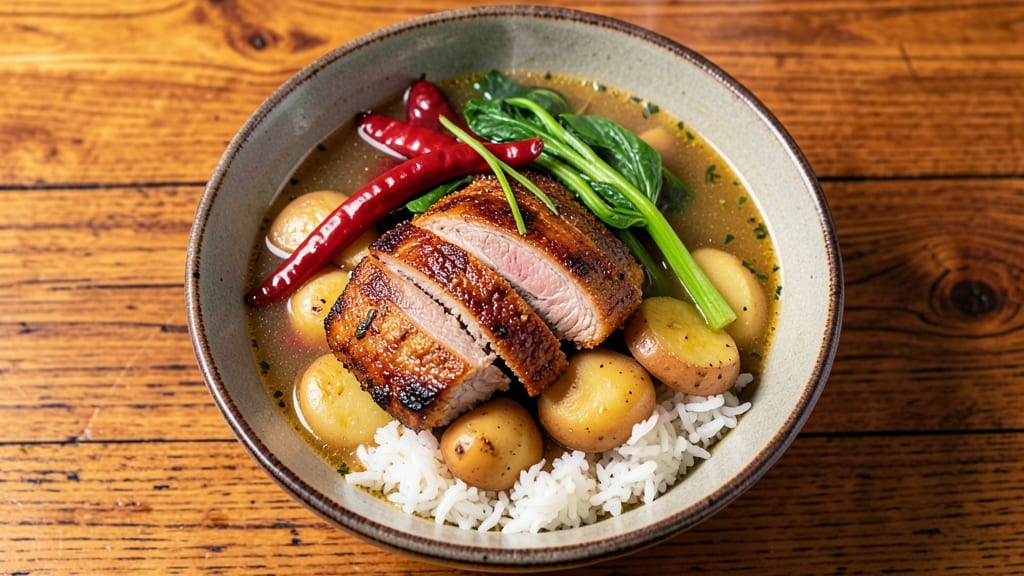
This Filipino bihon soup recipe delivers the comforting marriage of crispy celery crowns and tender pork in a rich, savory broth that defines Filipino home cooking. The secret lies in perfectly balancing textures—crunchy vegetables against silky pork and fragrant rice—while building layers of umami through slow simmering.
I first tasted this version at my lola's kitchen table, where she'd fry the celery until golden before adding it back to the pot at the very end.
What makes this recipe special is the technique of "frying" the celery crowns separately to achieve that signature crispy texture, then returning them to the broth just before serving. The pork shoulder breaks down into melt-in-your-mouth shreds, while the vegetables—string beans, kangkong, and potatoes—absorb the flavorful broth perfectly.
Traditional Filipino soups often use leftover rice, but here we use fresh rice for that authentic, slightly chewy bite. By the time you serve this soup, you'll have a steaming bowl of comfort food that's rich in both taste and tradition.
The aroma alone—garlic, ginger, and pork simmering together—will transport you to a Filipino dining table. The crispy celery crowns add a satisfying contrast to every spoonful, making this more than just soup; it's an experience. Perfect for family gatherings or cozy weeknight dinners, this recipe scales beautifully.
The broth can be made ahead, allowing you to focus on the crispy celery and final assembly when ready to serve. Let's create this Filipino classic together!
Ingredients for bihon soup recipe filipino
Pork shoulder, crispy celery crowns, and fragrant broth—this Filipino classic needs just 14 ingredients.
| Ingredient | Amount | Notes |
|---|---|---|
| Pork Shoulder 🥓 | 1 ½ lb | Bone-in for best flavor |
| Celery Crowns 🧅 | 2 whole | Large crowns for crispiness |
| String Beans 🌿 | 1 lb | Trimmed into 2-inch pieces |
| Kangkong (Water Spinach) 🌱 | 1 lb | Rinsed thoroughly |
| Russet Potatoes 🥔 | 2 medium | Peeled and cubed |
| Fresh Rice 🍚 | ½ cup | Uncooked, long-grain preferred |
| Garlic Cloves 🧄 | 6 cloves | Minced finely |
| Ginger Root 🌿 | 1 inch | Peeled and grated |
| Vegetable Oil 🫒 | ½ cup | For frying celery |
| Salt 🧂 | 1 ½ tsp | Kosher preferred |
| Black Pepper 🌶️ | ½ tsp | Freshly ground |
| Bay Leaves 🍃 | 2 whole | For broth depth |
| Soy Sauce 🍶 | 2 tbsp | For umami richness |
| Water 💧 | 6 cups | For broth base |
The pork shoulder is non-negotiable here—bone-in gives the richest flavor. Look for cuts with good marbling at Filipino markets or Costco—they often have the best prices. Celery crowns are the star, so grab the largest ones you can find; they crisp up best. If you can't find kangkong, regular spinach works in a pinch, but it won't have that signature watery texture. The ginger and garlic? Fresh is a must—dried won't cut it for this dish's depth of flavor.
No soy sauce? Fish sauce or oyster sauce works for umami, but soy is traditional. Running short on bay leaves? Dried thyme at half the amount adds a similar earthiness. The rice should be uncooked and fresh—leftover rice gets mushy in the broth. For the celery, if you can't find whole crowns, cut regular celery into thick slices and fry them until crispy. The potatoes can be Yukon Gold if you prefer creamier texture, but Russets hold up better to long simmering.
Pork broth keeps for 3 days in the fridge—make extra for leftovers. Celery crowns stay crispy for 2 days if stored in a paper towel-lined container. Freeze the broth for up to 3 months—just reheat and add fresh celery when serving. I always double the batch; it reheats beautifully and tastes even better the next day.
Why You'll Love This Recipe
- One-Pot Magic: I swear by this recipe when I’m too tired to wash extra bowls—just toss everything into one pot, simmer, and walk away. The pork shoulder melts into tender shreds while the veggies soak up the broth, no fussing required.
- Porky Perfection: That slow-cooked pork shoulder is what makes this dish ridiculously good—the crispy edges and fall-apart texture when you pull it apart? Pure satisfaction. The celery crowns add a bright, herbal bite that cuts through the richness.
- Leftover Hero: Between us, this soup only gets better the next day. The flavors meld overnight, and reheating it is a 30-second microwave win. My kids actually ask for it for lunch—proof it’s a keeper.
- Budget-Friendly Feast: Pork shoulder and potatoes stretch to feed four for under $15, and the veggies (especially kangkong) are cheap but packed with flavor. Honestly, it’s the kind of meal that makes grocery day less stressful.
Step-by-step instructions for Filipino bihon soup
Here's how to create that perfect balance of crispy celery crowns and rich pork velout—authentic Filipino comfort in one bowl.
Prepare the Pork Shoulder for Deep Flavor
Pat the 1.5 lb pork shoulder completely dry with paper towels, removing any excess moisture. This step is crucial for achieving that signature crispy exterior later. Place the pork in a large pot and add 6 cups water, 2 whole bay leaves, 1.5 tsp salt, and 0.5 tsp black pepper. Bring to a boil over medium-high heat, then immediately reduce to a gentle simmer.
Let the pork simmer uncovered for 1 hour, skimming off any foam that rises to the surface. This process helps tenderize the meat and create a flavorful broth foundation. After an hour, add 2 tbsp soy sauce and 1 inch grated ginger root to deepen the umami. Continue simmering for another 1.5 hours until the pork is fork-tender and easily pulls apart. The broth should now have a rich, savory aroma—this is your velout base.
Fry the Celery Crowns to Crispy Perfection
While the pork simmers, heat 0.5 cup vegetable oil in a separate deep skillet over medium heat. Add the 2 whole celery crowns and fry for 10-12 minutes, turning occasionally, until they develop a deep golden brown color and crisp texture. This is the signature element of bihon soup—those crispy celery crowns add both texture and visual appeal.
Remove the celery crowns and set them aside on a paper towel-lined plate to drain excess oil. If the oil isn't hot enough and the celery absorbs too much oil without browning, increase the heat slightly and continue frying until you achieve that perfect crispy texture. Pro tip: Don't overcrowd the pan, or the celery will steam instead of fry.
Cook the Vegetable Medley
In the same pot with the pork and broth, add the 2 medium peeled and cubed russet potatoes and 1 lb trimmed string beans. Simmer for 15 minutes until the potatoes are tender and the string beans are bright green but still slightly crisp. The potatoes should be fork-tender with no resistance when pierced.
Next, add the 1 lb rinsed kangkong (water spinach) and 6 cloves minced garlic. Stir gently and cook for another 5 minutes until the spinach wilts and the garlic releases its aromatic fragrance. The kangkong should retain some texture—it should be tender-crisp rather than completely mushy. Remove the bay leaves at this point as they've served their purpose.
Combine and Finish with Fresh Rice
Using two forks, shred the pork shoulder directly into the pot, breaking it into bite-sized pieces. Stir everything together and let it simmer for an additional 5 minutes to allow all the flavors to meld. Taste the broth and adjust seasoning if needed—you might want to add a bit more salt or soy sauce to enhance the umami.
In a separate small pot, cook the 0.5 cup fresh rice according to package instructions until just tender (about 10-12 minutes). The rice should be slightly undercooked as it will finish cooking in the hot soup. Divide the rice among serving bowls, then ladle the hot pork and vegetable mixture over the top. Arrange the crispy celery crowns on each serving for that authentic presentation.
Pro Tips For Making Bihon Soup Recipe Filipino
- Brown the Pork: Don’t skip this step—sear the pork shoulder in chunks until deep golden, not just pink. I used to rush it, and the broth stayed bland; now I let it caramelize for 5-7 minutes per side, even if it means extra time. That crust dissolves into the broth and makes everything richer.
- Trim Celery Crowns: Cut the celery crowns into 1-inch pieces after removing the tough outer strings—no one wants to chew on them. My grandmother insisted on this, and it’s the thing that makes the texture actually pleasant. Skip it, and you’ll regret every bite.
- Potatoes First, Not Last: Add the russet potatoes before the kangkong and string beans, not after. They need 15-20 minutes to soften properly, and if you toss them in late, they’ll turn to mush while the greens wilt. Trust me, the broth will thank you.
- Salt the Water Spinach: Give the kangkong a quick rinse, then sprinkle with a pinch of salt before adding it to the broth. It wilts faster and keeps its vibrant color—no more sad, limp greens. Sounds weird, but it works: the salt draws out the bitterness while cooking.
Wine and beer pairings for this bihon soup recipe filipino
Filipino Rice Wine
For an authentic touch, pair your bihon soup with Lambanog—a traditional Filipino coconut wine. Its slightly sweet, nutty flavor complements the savory pork and crispy celery without overpowering the dish. Serve it chilled in small glasses alongside the soup for that nostalgic Filipino dining experience. 🍶
Light Beer Options
A crisp San Miguel Light or Red Horse beer works beautifully with bihon soup. The light body and subtle maltiness won’t compete with the rich broth but will cleanse your palate between bites. For a local twist, try Tanduay Light—its smooth finish enhances the soup’s umami without adding bitterness.
Red Wine for Depth
If you prefer wine, a Pinot Noir from California or a Tempranillo from Spain adds an elegant contrast. The red fruit notes in Pinot Noir pair well with the pork, while Tempranillo’s earthiness complements the crispy celery and kangkong. Serve it slightly chilled to enhance its aromatic qualities. 🍷
Non-Alcoholic Pairings
For a refreshing non-alcoholic option, serve calamansi juice—a Filipino citrus blend of calamansi, sugar, and water. Its tangy brightness cuts through the richness of the pork and broth. Alternatively, a ginger beer with a hint of lime adds a spicy-sweet contrast that’s perfect for balancing the savory flavors.
Coffee or Tea Finisher
End your meal with a cup of Filipino-style coffee (like Barako or Kapeng Barako) for its rich, slightly bitter notes that complement the soup’s savory depth. If you prefer tea, a jasmine green tea with honey offers a delicate floral finish that won’t overpower the dish’s robust flavors.
Nutrition facts
Frequently asked questions
Why does the recipe call for fresh rice instead of leftover rice?
Fresh rice absorbs the broth better and maintains its texture in the hot soup. Leftover rice often becomes mushy when reheated in liquid. The 0.5 cup fresh rice should be cooked until just tender—it finishes cooking in the broth, giving that perfect al dente bite.
Can I make this soup vegetarian?
Yes! Replace the pork with extra-firm tofu or mushrooms for umami. Simmer tofu cubes for 20 minutes to absorb flavors, or use shiitake mushrooms for a meaty texture. Keep the soy sauce for depth, but add 1 tbsp vegetable bouillon to enhance the broth's richness.
How do I prevent the celery crowns from getting soggy?
Fry them separately until deep golden brown and crispy, then drain on paper towels. Only add them back to the soup at the very end—just before serving. This two-step method preserves their texture, creating that signature crunch in every bite.
What's the best way to reheat leftovers?
Reheat only the broth and pork mixture (without rice) in a pot over low heat until steaming. Stir in fresh rice just before serving to prevent mushiness. For crispy celery crowns, reheat them separately in a dry skillet for 1-2 minutes until crisp again.
Can I substitute kangkong with another green?
Yes! Use spinach or bok choy—they'll add similar color and texture. For authentic flavor, rinse thoroughly to remove any dirt or sand. Bok choy wilts faster, so add it just 2 minutes before serving. The key is tender-crisp texture, not completely wilted greens.