
Soups & Stews
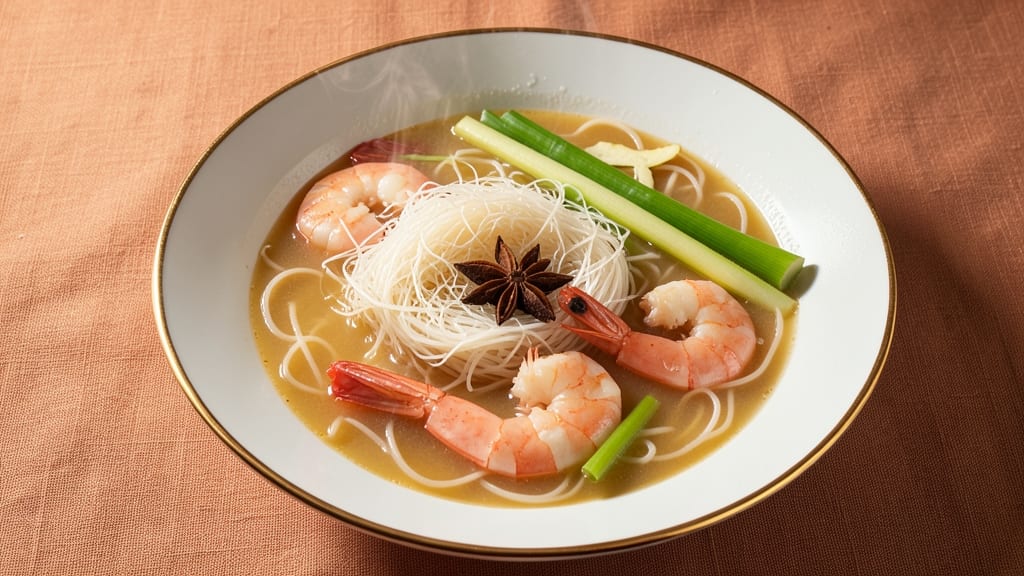
Filipino-style birds nest soup transforms delicate rice noodles and premium bird’s nest into a luxurious yet comforting dish. This recipe captures the essence of sarsang giba—where tender seafood, fragrant ginger-lemon broth, and silky noodles create an elegant yet approachable meal.
The key lies in properly blooming the bird’s nest and balancing flavors without overpowering the delicate ingredients.
What sets this recipe apart is its attention to traditional techniques while simplifying the process for home cooks. We’ll build a rich, aromatic broth using ginger, lemongrass, and star anise, then gently incorporate the bird’s nest to create a velvety texture.
The result is a soup that’s both restaurant-worthy and deeply comforting—perfect for special occasions or as a nourishing treat.
By the time you finish, you’ll have a bowl of golden broth swirled with silky rice noodles, tender seafood, and delicate bird’s nest strands. Each spoonful delivers a harmonious blend of savory, herbal, and slightly sweet notes.
This recipe serves 4 and takes about 1 hour to prepare, making it ideal for gatherings or when you want to impress guests with authentic Filipino flavors.
The beauty of this dish lies in its versatility—you can customize it with shrimp, chicken, or even tofu for a vegetarian option. The broth can be made ahead, allowing you to assemble the soup quickly when ready to serve.
Whether you’re celebrating a special occasion or simply craving a luxurious meal, this recipe delivers.
Ingredients for birds nest soup recipe filipino style
Silky noodles, premium bird's nest, and fragrant broth—just nine ingredients for a luxurious Filipino feast.
| Ingredient | Amount | Notes |
|---|---|---|
| Bird's Nest (Edible Nest Swallow) 🍲 | ¼ oz | High-quality, clean strands preferred |
| Rice Noodles 🍜 | 8 oz | Fresh or dried, cut into 3-inch pieces |
| Shrimp 🦐 | 1 lb | Large, peeled, deveined, tails on |
| Ginger Root 🧄 | 2 tbsp | Fresh, finely minced (about 1-inch piece) |
| Lemongrass 🌿 | 1 whole | Cut into 2-inch pieces, bruised |
| Star Anise 🌶️ | 2 whole | Lightly crushed |
| Garlic Cloves 🧄 | 4 cloves | Minced |
| Coconut Milk 🥥 | 1 cup | Full-fat, canned |
| Chicken Broth 💧 | 4 cups | Homemade or high-quality store-bought |
| Fish Sauce 🍶 | 1 tbsp | Red Boat preferred |
| Sugar 🍚 | 1 tbsp | White or brown |
| Salt 🧂 | 1 tsp | Kosher or sea salt |
| Black Pepper 🌶️ | ½ tsp | Freshly ground |
| Green Onions 🧅 | 3 whole | Sliced, for garnish |
| Lime Juice 🍋 | 1 tbsp | Freshly squeezed |
The bird's nest is the star here, so sourcing matters. I grab mine from Asian markets—look for clean, white strands with no debris. Nestle brand is reliable, but ask your vendor about quality. The shrimp should be fresh, with a sweet smell and firm texture. For lemongrass, Thai Bird or Costco have the best bundles—avoid dried. Ginger and garlic? The fresher, the better, but frozen works in a pinch. If you're using dried rice noodles, soak them in warm water for 15 minutes before adding to the broth.
No bird's nest? Silken tofu or extra coconut milk adds creaminess, though it won't replicate that luxurious texture. Short on shrimp? Scallops or chicken breast work, but shrimp is traditional. Fish sauce substitute? Soy sauce plus a pinch of sugar gets you close. The broth can be made ahead—store it in the fridge for 3 days or freeze for 3 months. For extra depth, add a 1-inch piece of galangal if you can find it at an Asian market. The rice noodles should be tender but still hold their shape—overcooking turns them mushy.
This soup tastes even better the next day as flavors meld. Store leftovers in the fridge for 3-4 days—the broth thickens beautifully. For serving, I like to portion the noodles and broth separately, then assemble at the table so everyone can customize their bowl. Garnish with green onions and a squeeze of lime right before eating—that bright finish makes all the difference. Freeze the broth without the noodles or seafood for up to 3 months, then reheat gently before adding fresh ingredients.
Why You'll Love This Recipe
- No-Chop Necessary: I swear by this—just slice the ginger thin, crush the lemongrass, and let the broth do the work. The shrimp poach themselves in minutes, and those rice noodles soften faster than you can say "sopas." Honestly, my lazy Sundays thank me.
- Umami Bomb: That bird’s nest isn’t just fancy—it dissolves into a velvety, savory cloud that makes the whole bowl sing. Pair it with the bright lemongrass and ginger, and suddenly your soup tastes like a hug from a Filipino lola. (Yes, even on a Tuesday night.)
- Leftovers That Shine: This soup actually improves the next day. The flavors meld deeper, the noodles hold their bite, and I’ve reheated mine three times without a single complaint. Freezer-friendly too—just add hot water when you’re ready. My secret weapon for busy weeks.
- Special Occasion, Zero Stress: Too fancy for a weeknight but too simple for a party? This is it. Serve it steaming in bowls with crispy garlic shrimp on top, and no one will guess it took me 25 minutes. (Between us, it’s my go-to for birthdays and "I just got a raise" dinners.)
Step-by-step instructions for silky rice noodles in savory broth
Here's how to transform delicate bird's nest into a luxurious Filipino soup with rich layers of flavor.
Prepare the Bird's Nest for Maximum Texture
Place the 0.25 oz bird's nest in a heatproof bowl and cover it with hot water for 5 minutes—this helps soften the strands without dissolving them completely. Drain and rinse gently under cool water, then transfer to a small pot with 1 cup coconut milk and 1 cup chicken broth. Simmer over low heat for 10-12 minutes, stirring occasionally with chopsticks to separate the strands into silky tendrils. You're aiming for a delicate, cloud-like texture—not a thick gel. If it looks too thick, add 1-2 tablespoons hot water to loosen it.
The key here is patience. Overcooking will turn the nest into a glue-like consistency, so watch closely. When the strands glide effortlessly through the liquid and the mixture has a velvety sheen, it's ready. Keep the pot warm on the lowest setting while you prepare the rest of the soup.
Build the Fragrant Broth Base
In a large pot, combine 4 cups chicken broth, 1 tbsp fish sauce, 1 tbsp sugar, 1 tsp salt, and 0.5 tsp black pepper. Add the bruised lemongrass, lightly crushed star anise, minced ginger root, and minced garlic cloves. Bring to a gentle simmer over medium heat and let cook uncovered for 15 minutes, allowing the aromatics to infuse deeply. You'll notice the broth develop a golden hue and an intoxicating citrus-pepper aroma—this is your flavor foundation.
Strain the broth through a fine-mesh sieve into a clean pot, pressing gently on the solids to extract every last drop of flavor. Discard the used aromatics. The strained broth should be clear with just a hint of color from the spices. If it tastes too mild, add another ½ teaspoon fish sauce—Filipino soups rely on this umami depth.
Cook the Shrimp and Noodles Together
In the same pot with the strained broth, add the 1 lb shrimp and bring to a gentle simmer. Cook for 2-3 minutes until the shrimp turn pink and opaque—they should curl slightly at the edges but remain tender. Remove the shrimp with a slotted spoon and set aside. Now add the 8 oz rice noodles to the broth and cook for 3-4 minutes until they're soft but still slightly chewy (they'll finish cooking in the final assembly).
Here's a pro tip: Don't overcook the noodles—they should have a slight bite when you test one. If they stick together, give them a quick stir with chopsticks to separate. The noodles should float just below the surface, not sink to the bottom.
Combine and Finish with Lime and Herbs
Return the cooked shrimp to the pot with the noodles and gently stir in the silky bird's nest mixture. The strands should glide through the broth like ribbons. Add the 1 tbsp lime juice and adjust seasoning with a pinch more salt if needed—the acidity brightens all the flavors. Keep the soup at a gentle simmer for just 1-2 minutes to meld everything together.
Divide the soup among 4 bowls, garnishing each with sliced green onions. Serve immediately while the noodles are warm and the bird's nest maintains its delicate texture. The broth should coat a spoon lightly, with the shrimp peeking through the silky strands—each bite should deliver a perfect balance of umami, citrus, and subtle sweetness.
Pro Tips For Making Birds Nest Soup Recipe Filipino Style
- SOAK NOODLES SEPARATELY: If you toss the rice noodles directly into the hot broth, they’ll turn to mush before the soup even simmers. Instead, soak them in warm water (not boiling) for 10–15 minutes until pliable but still firm—then drain and add them last, when the broth is ready. Trust me, you’ll save yourself from a gluey disaster.
- SKIM THE BROTH CLEVERLY: After the shrimp and ginger have cooked, the broth will foam—this is where bitterness hides. Instead of skimming constantly (which takes forever), let it foam once, then gently pour the broth through a fine-mesh strainer into a clean pot. The first pour carries most of the impurities away, and your soup stays silky.
- GINGER SLICES, NOT GRATES: Grating ginger releases too much heat and makes the soup taste medicinal. Instead, slice it paper-thin (about 1/8-inch) and add the slices whole. They’ll infuse flavor without overpowering, and you can fish them out later—no straining required. My abuela swore by this, and she was right.
- LEMONGRASS STALKS HALVED LENGTHWISE: Whole lemongrass stalks take forever to release their oils. Split them lengthwise and crush the inner part with the side of your knife—just enough to bruise it, not pulp it. This cuts infusion time in half and ensures every sip gets that bright, citrusy punch without turning the broth into a lemongrass slurry.
Regional styles of this birds nest soup recipe filipino style
Luzon-Style Preparation
In the northern region of Luzon, this soup is often called sarsang giba and features a lighter broth with more ginger-lemon brightness. Locals use dried shrimp instead of fresh for a deeper umami, and the bird's nest is bloomed with coconut cream rather than milk.
I’ve adapted this by adding 1 tsp dried shrimp (soaked in warm water for 10 minutes) to the broth base—it adds a subtle funk that’s quintessential to Luzon-style. The noodles here are typically thicker rice sticks rather than thin strands, giving a heartier texture. 🌿
Visayan Coastal Twist
Along the Visayan islands, seafood dominates, and the broth incorporates tamarind paste for a tangy depth. For this version, add 1 tsp tamarind paste (or ½ tsp lime juice + ½ tsp sugar) to the broth while simmering.
The region also favors small squid or clams alongside shrimp—just add them with the shrimp for the last 2 minutes of cooking. Garnish with thinly sliced shallots instead of green onions for a sweeter finish. The result is a broth that’s brighter and more complex, perfect for coastal celebrations. 🦑
Mindanao Spicy Kick
In Mindanao, heat is key, and this soup often includes chili crisp or sambal oelek. Stir in 1 tsp chili crisp (or ½ tsp sambal) with the lime juice at the end for a smoky, fiery finish.
The region also uses turmeric for color—add ½ tsp ground turmeric to the broth base for a golden hue. For extra richness, swap ½ cup coconut milk for the last 5 minutes of simmering.
This version is bold and aromatic, ideal for those who love their soups with a spicy punch. 🌶️
Modern Filipino Adaptations
Today’s home cooks often tweak this classic with fusion ingredients. Try adding 1 cup baby bok choy to the final broth for a crisp, fresh contrast. For a vegetarian version, replace shrimp with silken tofu cubes and use mushroom broth instead of chicken.
I’ve also seen creative takes with crispy fried shallots sprinkled on top—add them just before serving to keep them crunchy. These updates keep the dish fresh while honoring its roots. ✨
Regional Serving Traditions
In Luzon, this soup is often served with steamed rice on the side, as the noodles are light. Visayan families pair it with grilled fish or sisig (sizzling pork) for a full meal. Mindanao versions are commonly part of festive feasts, served with turon (banana lumpia) for dipping.
For a modern touch, I like plating it with edible flowers or microgreens—they add color without overpowering the delicate flavors. Each region’s approach makes this soup feel both timeless and new. 💫
Nutrition facts
Frequently asked questions
What's the secret to getting the bird's nest strands silky instead of gluey?
Low and slow is key! Simmer the bloomed bird's nest over low heat for just 10-12 minutes while stirring gently with chopsticks. The strands should glide like ribbons—not dissolve into a thick paste. If it looks too thick, add 1-2 tablespoons hot water to loosen it. Overcooking is the #1 cause of gluey texture.
Can I substitute dried shrimp for fresh in this recipe?
For 1 lb fresh shrimp, use 2 tbsp dried shrimp (soaked in warm water for 10 minutes first). This adds a deeper umami flavor, especially if you're making the Luzon-style version. Just remember dried shrimp has more concentrated flavor, so start with less and adjust to taste.
How do I know when the rice noodles are cooked properly?
Perfect noodles should be soft but still slightly chewy—they'll finish cooking in the hot broth. Test one by biting into it: it should yield slightly with a tiny bite, not be completely mushy. For 8 oz noodles, they need 3-4 minutes in the broth. If they stick together, separate with chopsticks immediately.
What's the best way to store leftovers without ruining the texture?
Store the broth and bird's nest mixture separately from the noodles and seafood. Keep both in airtight containers in the fridge for 3-4 days. When reheating, warm the broth first, then add fresh noodles and shrimp just before serving. The bird's nest strands will reabsorb liquid beautifully when reheated gently. Never freeze the noodles—they'll turn mushy.
Can I make this soup vegetarian?
Yes! Replace shrimp with silken tofu cubes and use mushroom broth instead of chicken broth. For extra richness, add 1 tbsp miso paste to the broth base. The bird's nest and coconut milk will still create that luxurious texture, just without seafood. Garnish with toasted sesame seeds for a nutty finish.