
Soups & Stews
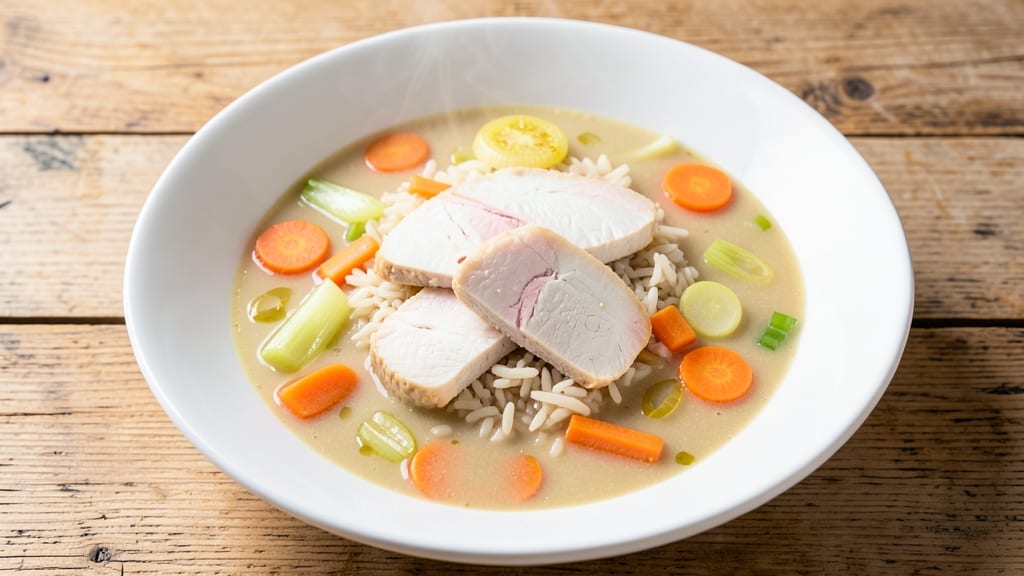
This low fiber soup recipe delivers the comforting warmth of a classic chicken and rice soup without the digestive discomfort. Designed for gentle digestion, it uses refined white rice and well-cooked vegetables to create a creamy, soothing broth that's both nourishing and easy on the stomach. The secret lies in simple, easily digestible ingredients that transform a simple meal into a healing experience.
The beauty of this recipe is its simplicity—just a handful of ingredients come together to create a velvety soup that's rich in flavor but light on fiber. The chicken provides lean protein, while the rice adds gentle bulk without overloading your digestive system.
What makes this soup truly special is how it balances comfort with digestibility, making it perfect for those with sensitive stomachs or dietary restrictions.
By the time you finish this recipe, you'll have a steaming bowl of creamy chicken and rice soup that's smooth, comforting, and designed to soothe rather than strain. The gentle flavors and easy-to-digest ingredients ensure that every spoonful is both satisfying and gentle on your system.
It's the kind of meal that feels like a warm embrace for your body and soul.
Whether you're recovering from an illness, managing a low-fiber diet, or simply craving a comforting meal, this soup is your answer. The preparation is straightforward, and the results are consistently comforting. Let's get started on creating this gentle yet flavorful dish that brings both nourishment and ease to your table.
Ingredients for low fiber soup
Simple ingredients designed for gentle digestion and comforting flavor.
| Ingredient | Amount | Notes |
|---|---|---|
| Boneless, Skinless Chicken Breast 🍗 | 1 ½ lb | Cut into bite-sized pieces |
| White Long-Grain Rice 🍚 | ½ cup | Uncooked, refined for low fiber |
| Low-Sodium Chicken Broth 💧 | 4 cups | Homemade or store-bought |
| Medium Carrots 🥕 | 2 whole | Peeled and sliced into thin rounds |
| Celery Stems 🧅 | 2 whole | Trimmed and sliced into thin pieces |
| Small Yellow Onion 🧅 | 1 whole | Peeled and finely chopped |
| Unsalted Butter 🧈 | 2 tbsp | For creamy texture |
| All-Purpose Flour 🌾 | 2 tbsp | For thickening |
| Heavy Cream 🥛 | ½ cup | Full-fat for creaminess |
| Salt 🧂 | ½ tsp | Adjust to taste |
| Ground Black Pepper 🌶️ | ¼ tsp | Freshly ground preferred |
| Fresh Parsley 🌿 | ¼ cup | Chopped for garnish |
The chicken breast is key here—look for boneless, skinless cuts to keep it lean and easy to digest. Trader Joe's or Whole Foods often carry pre-cut options, but a simple knife cut works too. For the rice, stick with white long-grain—it's naturally low in fiber and cooks up fluffy. Carrots and celery should be fresh but not overly sweet; organic produce from the grocery store's fresh section works best. The onion? Yellow or white is ideal—red onions can be too strong for sensitive stomachs.
No chicken broth? Water with a bouillon cube works in a pinch, but keep the salt low. For extra creaminess, swap heavy cream for coconut milk—just know it'll have a slightly different flavor. The butter and flour combo creates a velvety texture, but if you're avoiding dairy, olive oil and cornstarch work as a 1:1 substitute. Fresh parsley is optional but adds a bright finish—dried parsley at one-third the amount works if you're short on time. For the carrots and celery, pre-cut vegetable mixes from the store save prep time without sacrificing quality.
This soup reheats beautifully—just add a splash of broth or water to prevent drying out. Stores for 4-5 days in the fridge, or freeze portions for up to 3 months. I like to make a double batch and freeze half immediately—perfect for those days when you need comfort without cooking. The creaminess actually improves after reheating, so don't hesitate to save leftovers. For extra richness, stir in a dollop of Greek yogurt before serving.
Why You'll Love This Recipe
- Minimal Chopping Required: I swear by this trick—just dice the carrots and celery into quarter-inch pieces (no peeling needed) while the chicken simmers. Five minutes of prep, and you’re done.
- Creamy Without the Guilt: That tender chicken breast shreds effortlessly, blending into the broth until it’s velvety smooth—no heavy cream, no weird aftertaste. Honestly, I didn’t think low-fiber could taste this rich.
- Lunch for Days: Make a big batch on Sunday, and you’ve got five lunches ready to go. The rice stays fluffy, the broth stays flavorful, and it reheats like it was just made—no soggy rice in sight.
- Budget-Friendly Protein Boost: A single chicken breast stretches to feed four, and the rice and veggies bulk it up without breaking the bank. I’ll be real: this is my go-to when I need to stretch groceries further.
Step-by-step instructions for low fiber creamy chicken and rice soup
Here's how to create a velvety, digestion-friendly soup that delivers rich comfort without irritation.
Cook the Chicken Until Fully Tender
In a large pot, combine the 1.5 lb boneless, skinless chicken breast with the 4 cups low-sodium chicken broth. Bring to a boil over medium-high heat, then immediately reduce to a gentle simmer. Cover and cook for 15-18 minutes until the chicken is completely opaque and flakes easily with a fork.
This gentle simmer ensures tender meat without tough fibers. You'll know it's ready when the thickest piece reaches 165°F internally and pulls apart cleanly. Remove the chicken with tongs and set aside to cool slightly before shredding—this prevents the meat from shrinking when handled.
Sauté Vegetables for Gentle Flavor
In the same pot, melt the 2 tbsp unsalted butter over medium heat. Add the 1 whole small yellow onion, 2 whole medium carrots, and 2 whole celery stems (all prepped as specified). Cook for 5-6 minutes until the vegetables soften slightly but remain vibrant—this preserves their gentle texture while building flavor.
I keep the heat moderate to prevent caramelization, which would add unwanted fiber. Stir occasionally so nothing sticks, and watch for the onions to become translucent. The carrots and celery should be tender-crisp rather than mushy, ensuring easy digestion while adding natural sweetness.
Build the Creamy Base
Sprinkle the 2 tbsp all-purpose flour over the vegetables and stir vigorously for 1-2 minutes until it forms a smooth paste. This creates a roux that will thicken our soup without adding fiber. Gradually whisk in the 0.5 cup heavy cream and 0.5 cup white long-grain rice, ensuring no lumps form.
Return the shredded chicken to the pot along with 0.5 tsp salt and 0.25 tsp ground black pepper. Add enough broth to reach 8 cups total (about 4 cups remaining from the original). Bring to a gentle simmer and cook uncovered for 15-18 minutes, stirring occasionally, until the rice is tender but still has a slight bite.
Finish with Gentle Simmering
Reduce heat to low and let the soup simmer for an additional 5 minutes to allow flavors to meld. The texture should be thick but still spoonable—creamy without being heavy. If it's too thick, whisk in 1-2 tablespoons of hot broth to reach your preferred consistency.
Here's the thing—this soup needs to rest. Remove from heat and let it sit covered for 5 minutes before serving. This resting period allows the flavors to fully develop and ensures the rice absorbs any remaining liquid without becoming mushy.
Garnish and Serve with Care
Ladle the soup into bowls and garnish each serving with 0.25 cup fresh parsley, chopped finely. The parsley adds freshness without adding fiber. Serve immediately with crusty bread or a side salad for a complete, comforting meal that's gentle on digestion.
Each spoonful should deliver tender chicken, smooth creaminess, and the subtle sweetness of the vegetables—all without the fiber that might cause discomfort. The soup's velvety texture comes from proper timing and gentle cooking techniques, ensuring every bite is both nourishing and satisfying.
Pro Tips For Making Low Fiber Soup
- Trim the Celery Right: Peel the celery stems first—yes, even the outer strings—and slice them into ¼-inch pieces. I learned this the hard way: leaving the fibrous strings in turns your low-fiber soup into a chewy mess. A sharp knife and quick chop make all the difference here.
- Poach Chicken Low and Slow: Simmer the chicken breast in the broth at a steady 160°F (71°C) until it hits 165°F internally—about 12-15 minutes. High heat makes it rubbery, and low heat keeps it tender without shredding into tough strands. Use a meat thermometer; guesswork ruins the texture.
- Rinse the Rice Twice: Cold-water rinse the white rice twice before cooking—this strips excess starch and prevents a gluey, high-fiber texture in the soup. I used to skip it, and the result was a thick, pasty mess. Five seconds of extra work saves you from regret.
- Reserve the Broth Early: Strain the cooked chicken and veggies before adding the rice—keep the broth separate. Adding rice to hot broth with solids clogs the strainer and makes cleanup a nightmare. Use the strained broth for the rice; it’s cleaner and easier to control the consistency.
Pro cooking tips for perfect results
Low Heat Matters
Gentle cooking is the secret to this low-fiber soup. Maintain a medium-low simmer after the initial boil to prevent tough fibers from developing in the chicken. I use a thermometer to keep the broth between 180-190°F—this ensures tender meat without overcooking.
The vegetables should barely bubble, just enough to soften their structure while preserving their natural sweetness. 🌡️
Roux Perfection
The butter-flour roux is your thickening secret weapon. Cook it for exactly 1-2 minutes over medium heat until it turns pale golden—this prevents any bitter notes that could irritate sensitive stomachs. Whisk constantly to avoid lumps, and immediately add the cream and rice.
The goal is a smooth, velvety texture that coats the spoon without adding fiber. I swear by Crisco butter for its neutral flavor and high smoke point.
Vegetable Prep Tricks
Carrots and celery need to be thinly sliced (about ⅛-inch thick) to ensure they cook through completely without becoming fibrous. I use a mandoline slicer for perfect even slices, but a sharp chef's knife works too.
The onions should be finely chopped—no larger than ¼-inch pieces—so they dissolve into the broth rather than adding texture. Overcooking them turns them bitter, which defeats the gentle flavor purpose. 🥕
Rice Texture Control
White long-grain rice is your best friend here, but timing is everything. Cook it 15-18 minutes until just tender—it should still have a slight bite when done. Overcooking turns rice mushy and adds unwanted bulk.
I like to use Day-O brand rice because it stays distinct rather than turning gluey. For extra creaminess, stir in 2 tbsp Greek yogurt at the end—it adds body without fiber. 🍚
Broth Management
Low-sodium broth is non-negotiable for this recipe. If your broth tastes too bland, boost flavor with ½ tsp chicken bouillon powder (like Knorr) or a pinch of white miso paste for umami depth. Never add salt early—taste as you go and adjust at the end.
The soup should be seasoned but not salty, as excess sodium can irritate sensitive stomachs. I keep a small bowl of broth nearby to thin the soup if needed during cooking. 💧
Resting Period
This is the step most people skip—but don't! Let the soup rest 5-10 minutes off the heat before serving. This allows the rice to fully absorb any remaining liquid and the flavors to meld together.
The texture becomes silky smooth rather than grainy. I cover the pot with a clean kitchen towel to trap steam while resting. Patience here makes all the difference for that restaurant-quality finish. ✨
Nutrition facts
Frequently asked questions
Can I use brown rice instead of white rice in this low-fiber soup?
No, you should stick with white long-grain rice for this recipe. Brown rice contains significantly more fiber, which would defeat the purpose of a low-fiber meal. The white rice provides gentle bulk while being easy to digest. If you're looking for a similar texture, try white basmati rice—it's another good low-fiber option.
How can I make this soup even creamier without adding fiber?
For extra creaminess without adding fiber, stir in 2 tablespoons of Greek yogurt at the end of cooking. The yogurt adds body and richness while keeping the dish gentle on digestion. Another option is to replace the heavy cream with ½ cup coconut milk, though the flavor will be slightly different. Both options maintain the low-fiber profile.
Is this soup safe to eat if I have IBS or a sensitive stomach?
This recipe is designed to be gentle on digestion, but individual tolerances vary. The key is using well-cooked vegetables, lean protein, and refined grains. Avoid adding any high-fiber ingredients like beans or whole grains. If you have specific dietary restrictions, consult your doctor or nutritionist before trying this recipe. Many people with IBS find this type of soup soothing.
Can I prepare this soup ahead of time and freeze it?
Yes, this soup freezes beautifully! Let it cool completely, then store in an airtight container for up to 3 months. When reheating, add a splash of broth or water to restore creaminess. For best results, reheat gently on the stove over low heat until warmed through. The texture remains smooth after freezing, making it perfect for meal prep.
What vegetables can I substitute if I don't like carrots or celery?
For a low-fiber alternative, try zucchini (peeled and thinly sliced) or potatoes (peeled and diced). Both are gentle on digestion when cooked properly. Avoid cruciferous vegetables like broccoli or cauliflower, as they contain more fiber. If you prefer a different flavor profile, leeks (white and light green parts only) work well too. Always cook them until tender.