
Soups & Stews
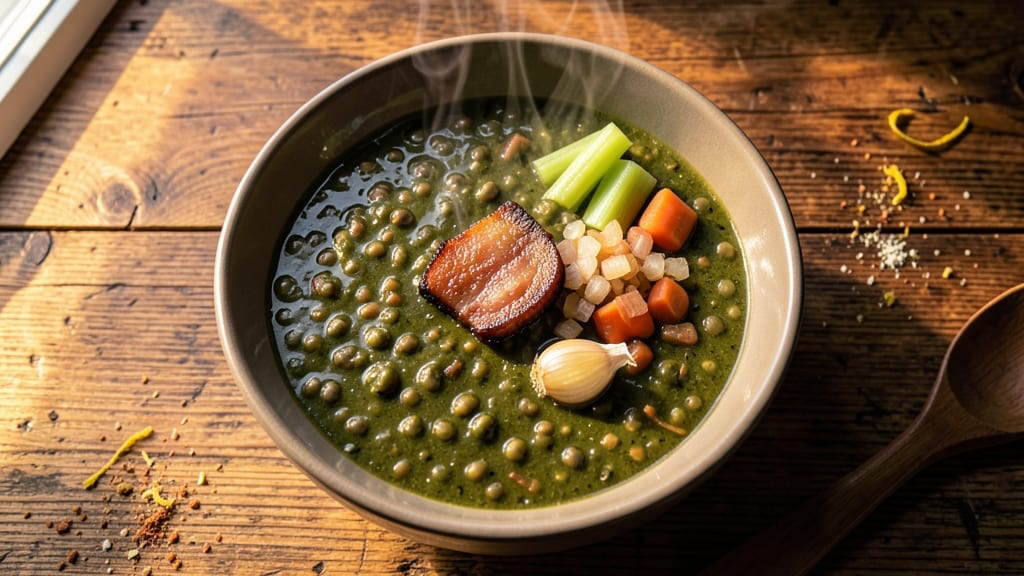
Uncle Bill's split pea soup recipe is the kind of dish that transforms a simple pot into a gathering place—where laughter and warmth simmer alongside the peas. This isn’t just soup; it’s a tradition, rich with smoky ham hock and the earthy depth of slow-cooked split peas, passed down through generations. The secret lies in patience: letting the flavors meld over hours until the broth is velvety and the peas are tender yet still hold their shape.
What sets this recipe apart is the balance of ingredients: the salty punch of ham hock, the aromatic bay leaves that infuse the broth with subtle complexity, and the touch of vinegar to brighten the richness.
Unlike quicker versions, this soup demands time—at least 6 hours of simmering—to develop its signature depth. The result? A hearty, comforting bowl that’s perfect for chilly evenings or family dinners, where every spoonful tells a story.
The beauty of this soup is its versatility. Serve it with crusty bread to soak up the flavorful broth or alongside cornbread for a true Southern experience. It’s the kind of dish that tastes even better the next day, as the flavors continue to deepen.
Whether you’re making it for a crowd or just a cozy night in, this recipe delivers on tradition and comfort.
For those looking to adapt, a vegetarian version swaps the ham hock for smoked turkey or extra mushrooms, while keeping the soul of the dish intact. The key is never rushing—let the soup work its magic, and you’ll have a bowl of history in every bite.
Ingredients for uncle bill's split pea soup
The heart of Uncle Bill's soup: smoky ham, earthy peas, and slow-simmered depth.
| Ingredient | Amount | Notes |
|---|---|---|
| Dried Split Peas 🌱 | 2 cups | Green or yellow variety, rinsed |
| Ham Hock 🍖 | 2 whole | Smoked, about 1 lb each |
| Onion 🧅 | 1 whole | Yellow or white, chopped |
| Carrot 🥕 | 3 whole | Medium, peeled and chopped |
| Celery Stalks 🥬 | 3 whole | Chopped, about 1 cup total |
| Garlic Cloves 🧄 | 4 cloves | Peeled and smashed |
| Bay Leaves 🌿 | 4 whole | Dried, standard size |
| Salt 🧂 | 2 tsp | Kosher or sea salt |
| Black Peppercorns 🌶️ | 1 tsp | Freshly cracked |
| White Vinegar 🍶 | 1 tbsp | Distilled white vinegar |
| Water 💧 | 8 cups | Filtered preferred |
| Fresh Parsley 🌿 | ¼ cup | Chopped, for garnish |
The ham hock is non-negotiable—it delivers that signature smoky depth. Look for smoked hocks at your local butcher or grocery store deli section, not the pre-cooked ones in cans. The local butcher often has the best quality, but the supermarket's smoked version works too. If you can't find ham hock, smoked turkey neck is a decent substitute, though it won't be identical. The split peas should be green or yellow—yellow has a slightly sweeter flavor, but green is the classic choice. Rinse them well before using to remove any debris, and don't skip the soaking step if you're short on time (though Uncle Bill swore by the long simmer).
No ham hock? Smoked turkey neck or extra mushrooms (about 8 oz) can stand in, though the flavor profile shifts. Fresh bay leaves are ideal, but dried work fine at half the amount—just be sure they're not crumbling or stale. The vinegar might seem odd, but it brightens the richness of the ham and peas. Apple cider vinegar adds a subtle sweetness if you prefer. For the vegetables, baby carrots and celery hearts work just as well as whole stalks—whatever's on hand. And if you're making a vegetarian version, smoked paprika (1 tsp) and liquid smoke (½ tsp) can mimic that smoky depth without meat.
This soup tastes even better the next day, so make a big batch. Store leftovers in the fridge for up to 5 days or freeze for 3 months—the broth actually deepens in flavor over time. For serving, keep the ham hock in the pot until serving, then remove and shred the meat before adding it back. The broth thickens as it cools, so you can always thin it with a splash of water or broth if needed. Garnish with fresh parsley right before serving to keep it bright and vibrant.
Why You'll Love This Recipe
- One-Pot Magic: I swear by this recipe because it’s literally dump-and-simmer. Just toss in the dried peas, ham hock, and chopped veggies—no fancy prep. The ham hock melts into the broth while you chop, and by the time you’re done, the soup’s already working its flavor magic.
- Ham Hock Magic: Honestly, the ham hock is the MVP here. It doesn’t just add saltiness—it infuses that deep, smoky richness that makes this soup ridiculously satisfying. Plus, it’s the secret weapon for turning simple split peas into something hearty enough to feed a crowd.
- Budget-Friendly Powerhouse: Dried peas and ham hocks are cheap, but they punch way above their weight. This recipe feeds four for under $8, and the ham hock stretches to flavor every spoonful. It’s the kind of meal that makes grocery day feel like a win.
Step-by-step instructions for Uncle Bill's split pea soup
This is Uncle Bill's time-tested method for rich, smoky split pea soup with deep flavor layers.
Prepare the Ham Hock and Vegetables
Rinse the 2 cups dried split peas under cold water until the water runs clear. This removes any dust or debris that could affect flavor. Place them in a large Dutch oven or heavy pot.
Cut the 2 whole ham hocks in half crosswise to expose more surface area for flavor infusion. Add them to the pot with the split peas. Chop the 1 whole onion into ½-inch pieces and add it along with the 3 whole carrots (peeled and cut into 1-inch chunks) and 3 whole celery stalks (cut into ½-inch pieces). The vegetables should fit comfortably in the pot without overcrowding.
Peel and smash the 4 cloves garlic with the flat side of a knife. Add them to the pot along with the 4 whole bay leaves. These aromatic ingredients form the flavor foundation for the soup.
Simmer the Soup for Initial Flavor Development
Add the 8 cups water to the pot. Bring everything to a boil over medium-high heat, then immediately reduce to a gentle simmer. The liquid should bubble softly with occasional small bubbles breaking the surface.
Simmer uncovered for 2 hours, stirring occasionally. This initial cooking time allows the ham hock to release its smoky, savory flavors into the broth. You'll notice the liquid will darken slightly as the ham renders its fat and collagen converts to gelatin.
After 2 hours, check the split peas—they should be starting to soften but not yet fully tender. This is when we'll add the remaining ingredients to build the soup's depth.
Add Seasonings and Complete the Cooking Process
Add the 2 tsp salt and 1 tsp freshly cracked black peppercorns to the pot. Stir well to distribute the seasonings evenly. The salt will enhance all the flavors while the pepper adds a subtle heat that complements the ham's smokiness.
Add the 1 tbsp white vinegar. This might seem unusual, but it's what gives Uncle Bill's soup its signature brightness. The acidity cuts through the richness of the ham and prevents the soup from tasting flat. Stir and continue simmering.
Cook uncovered for another 2-3 hours until the split peas are fork-tender and the ham hock meat easily pulls away from the bone. The soup should have thickened noticeably, with a rich, velvety texture. The total cooking time should be about 4-5 hours from start to finish.
Finish and Serve with Fresh Garnish
Once the split peas are tender, remove the ham hock and vegetables with tongs. Discard the bay leaves and any large vegetable pieces. You can shred the ham hock meat and return it to the pot, or serve it on the side for a special touch.
Taste the soup and adjust seasoning if needed. The ham hock should have infused the broth with enough salt, but you might want to add a pinch more salt or pepper if needed. The vinegar should provide the right balance of acidity.
Ladle the soup into bowls and garnish each serving with the 0.25 cup chopped fresh parsley. The parsley adds a fresh, bright contrast to the rich, smoky flavors. Serve immediately with crusty bread to soak up every last drop of this comforting soup.
Pro Tips For Making Uncle Bill'S Split Pea Soup
- SOAK THE PEAS (BUT NOT TOO LONG): Dried split peas absorb water fast—give them a 15-minute soak in cold water before cooking. Any longer and they’ll turn mushy later, especially if you’re using a ham hock (which adds salt and slows things down). Drain well and start hot.
- SIMMER, DON’T BOIL: This soup needs patience. Once everything’s in the pot, keep it at a gentle simmer—low enough that bubbles barely break the surface. I used to crank the heat, and the peas would split unevenly or taste starchy. A steady simmer guarantees creamy texture and deep flavor.
- SCORE THE HAM HOCK: Slice the ham hock’s rind in a crosshatch pattern before dropping it in. This lets the fat render out faster and the broth absorb the meat’s flavor more evenly. Skip this, and you’ll be skimming grease for hours—or worse, ending up with a greasy soup.
- SAUTE THE VEGETABLES FIRST: Don’t just toss chopped onion, carrot, and celery into the pot raw—they’ll turn to mush and make the soup taste bland. Sauté them in a little ham fat (from the hock) until soft but not browned. It’s the only way to build real depth before adding the peas. (Yes, even if you’re in a hurry.)
Regional styles of uncle bill's split pea soup
Southern Tradition
This recipe traces back to classic Southern kitchens where split pea soup was a staple for Sunday dinners and family gatherings. The ham hock isn’t just an ingredient—it’s the soul of the dish, delivering that unmistakable smoky depth that defines Southern comfort food.
I remember my grandmother insisting on using smoked hocks from the local butcher, saying they made all the difference. 🍖
In traditional Southern cooking, this soup was often made in cast iron Dutch ovens on the stove, but many families still prefer the old-fashioned method of cooking it in a heavy pot over an open flame.
The slow simmer allows the flavors to meld together, creating a broth that’s rich and hearty—perfect for cold winter days or as a base for a full meal.
Midwestern Heartland
While the South claims split pea soup as its own, Midwestern families put their own spin on it, often adding more vegetables like potatoes or corn for extra heartiness.
In states like Iowa and Minnesota, where winters are long and harsh, this soup became a winter staple, served with crusty rye bread or homemade rolls. The key difference? Midwestern versions tend to be slightly sweeter, with a touch of brown sugar or molasses to balance the smokiness.
I’ve found that adding a small piece of cornbread dough to the pot while it simmers (then removing it before serving) gives the broth a subtle sweetness that’s pure Midwestern magic. It’s a trick my friend’s grandmother from Wisconsin swears by—worth trying if you want to add a regional twist!
New England Twist
Up North, split pea soup takes on a different character, often incorporating local ingredients like wild mushrooms or kale for an earthier flavor profile. In Maine and Massachusetts, you’ll find versions with a touch of maple syrup or even a splash of apple cider to brighten the richness.
The slower cooking times are standard, but New England cooks often add a pinch of nutmeg or allspice for warmth.
One of my favorite adaptations is adding a handful of fresh dill or thyme to the pot during the final hour of cooking. It adds a bright, herbal note that cuts through the heaviness of the ham and peas—perfect for a chilly New England evening. 🌿
Modern Adaptations
For those who want to keep the soul of Uncle Bill’s soup but make it vegetarian, swap the ham hock for smoked turkey neck or extra mushrooms (about 8 oz). Add 1 tsp smoked paprika and ½ tsp liquid smoke to mimic that smoky depth.
I’ve also seen versions with white beans or lentils for extra protein, though the texture changes slightly.
Another modern twist? A spicy kick! Adding ½ tsp cayenne pepper or a dash of hot sauce during the final 30 minutes of cooking gives the soup a subtle heat that pairs perfectly with the richness.
It’s a great way to keep the tradition alive while making it your own. 🌶️
Nutrition facts
Frequently asked questions
Why does Uncle Bill's recipe use vinegar?
The 1 tablespoon white vinegar brightens the rich, smoky flavors of the ham hock and prevents the soup from tasting flat. It balances the saltiness and adds a subtle tang that enhances the peas' earthiness. Think of it like a splash of lemon in seafood dishes—it cuts through the richness beautifully.
Can I make this soup in a slow cooker?
Combine all ingredients in your slow cooker and cook on low for 8-10 hours or high for 5-6 hours. The slow cooker's gentle heat mimics the stovetop simmer perfectly. Just add the vinegar and seasonings during the last 1-2 hours of cooking to preserve their freshness.
What if my split peas get mushy?
Overcooking is the usual culprit—split peas should be tender but still hold their shape. If they're too soft, reduce the cooking time next batch to 3-4 hours total or add ½ cup more water to dilute the broth slightly. For extra insurance, use yellow split peas (they're slightly firmer than green).
How do I store leftovers?
Let the soup cool completely, then transfer to airtight containers. It keeps in the fridge for 5 days or freezes for 3 months. The flavors actually deepen overnight! Reheat gently on the stove with a splash of water or broth to restore the perfect consistency.
Can I substitute the ham hock?
For a meatier option, try smoked turkey neck or pork shoulder (cut into chunks). Vegetarians can use 8 oz smoked mushrooms + 1 tsp smoked paprika to mimic the smoky depth. Just remember: the ham hock's gelatin gives the soup its signature velvety texture.