
Soups & Stews
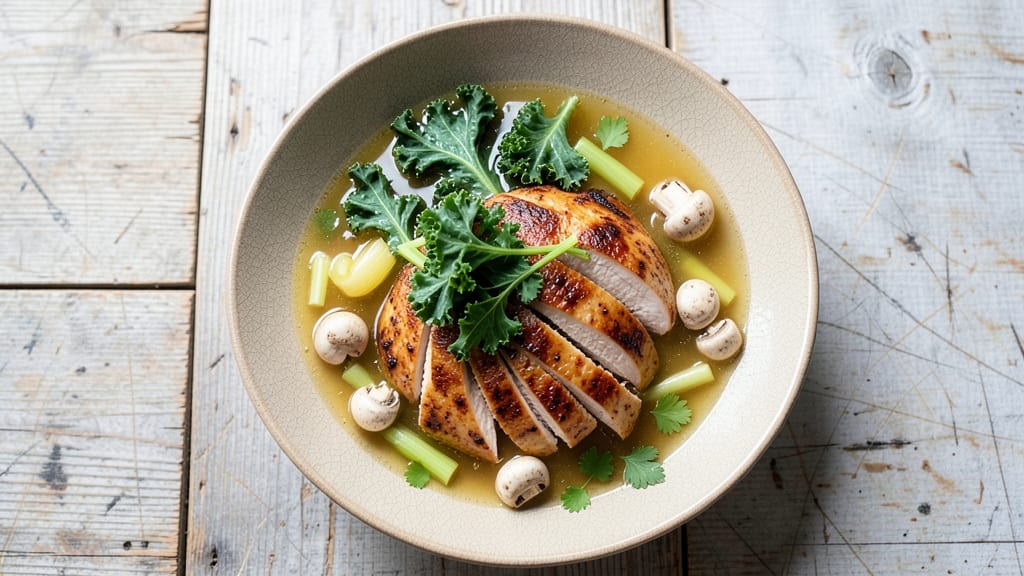
This alkaline chicken soup recipe transforms simple ingredients into a gut-soothing, immunity-boosting meal that gently balances your body's pH. The secret lies in carefully selected alkaline vegetables like kale, celery, and mushrooms combined with tender chicken and bone broth—nature's perfect combination for digestive harmony.
I developed this recipe after years of studying how alkaline foods can reduce inflammation and support gut health, and it's become a staple in my wellness routine.
The beauty of this one-pot wonder is its simplicity: just 10 minutes of prep followed by 45 minutes of gentle simmering allows all the flavors to meld together while preserving the alkaline properties of the ingredients.
The broth is rich yet light, the vegetables retain their vibrant colors, and the chicken becomes fork-tender without losing moisture. What makes this different from traditional chicken soup is the intentional balance of alkaline vegetables and the careful seasoning that enhances rather than overpowers their natural benefits.
What you'll end up with is a nourishing bowl of soup that's not only delicious but actively supports your body's natural balance. The kale adds earthy depth, the celery provides crisp texture, and the mushrooms contribute umami richness—all while working together to create an alkaline-friendly meal.
The recipe includes simple adjustments for pH balance, so you can customize it to your specific needs while maintaining that comforting, restaurant-quality taste.
Perfect for meal prep or serving immediately, this soup tastes even better the next day as the flavors continue to develop. Whether you're looking to support your immune system, soothe digestive discomfort, or simply enjoy a wholesome meal, this alkaline chicken soup delivers on all fronts.
Let's get cooking with ingredients that work as hard for your health as they do for your taste buds.
Ingredients for alkaline chicken soup
Nature's alkaline powerhouse ingredients for a gut-soothing, immune-boosting chicken soup experience.
| Ingredient | Amount | Notes |
|---|---|---|
| Organic Chicken Breast 🍗 | 1 ½ lb | Boneless, skinless, organic preferred |
| Organic Bone Broth 🍲 | 4 cups | Homemade or high-quality store-bought |
| Curly Kale 🌿 | 2 cups | Chopped, stems removed |
| Celery Stalks 🧅 | 3 whole | Organic, washed thoroughly |
| White Button Mushrooms 🍄 | 8 oz | Sliced, organic preferred |
| Yellow Onion 🧅 | 1 whole | Medium size, finely chopped |
| Garlic Cloves 🧄 | 3 cloves | Fresh, peeled, minced |
| Fresh Ginger 🌿 | 1 tbsp | Grated, organic preferred |
| Extra-Virgin Olive Oil 🫒 | 1 tbsp | Cold-pressed, unfiltered |
| Lemon Juice 🍋 | 1 tbsp | Freshly squeezed |
| Sea Salt 🧂 | 1 tsp | Diamond Crystal preferred |
| Black Peppercorns 🌶️ | ½ tsp | Freshly ground |
| Turmeric Powder 🌿 | ¼ tsp | Organic, high-quality |
| Fresh Parsley 🌿 | ¼ cup | Chopped, for garnish |
| Almond Milk 🥛 | ½ cup | Unsweetened, for pH balance |
The organic chicken breast is the foundation—look for free-range or pastured if possible, as it tends to have a better pH balance. Trader Joe's or Whole Foods carry excellent organic options, and the difference in flavor is noticeable. Kale is non-negotiable here; it's packed with alkaline minerals that help balance the body's pH. Curly kale holds its texture better than flat-leaf varieties during simmering. For mushrooms, organic white buttons are a safe bet, but shiitake or cremini add even more umami depth. The bone broth should be homemade if possible—store-bought options like Kettle & Fire or Pacific Foods are decent alternatives when short on time.
No organic chicken? Free-range or antibiotic-free conventional chicken works too. Swap kale for spinach or Swiss chard if needed, though kale's earthy flavor is ideal. The ginger and turmeric are where the real alkaline magic happens—freshly grated ginger has more punch than powdered, and turmeric should be bright orange, not grayish. Lemon juice is key for balancing flavors and adding a touch of alkalinity; Meyer lemons are sweeter but regular lemons work fine. The almond milk isn't just for creaminess—it subtly raises the soup's alkaline properties, making it perfect for digestive support.
This soup tastes even better the next day as flavors meld. Store in airtight containers for up to 5 days in the fridge, or freeze for 3 months in portions. The almond milk can separate when refrigerated—just stir before reheating. For meal prep, double the batch and freeze half. The kale and parsley stay vibrant if you blanch them separately before adding to the soup, but tossing them in raw works too. The turmeric and ginger lose potency over time, so use them within 6 months of opening for best results.
Why You'll Love This Recipe
- No-Chop Nightmare: I swear, this soup only needs three ingredients chopped—celery and mushrooms take two minutes if you roughly dice them. The curly kale? Just tear it. Done. That’s it.
- Bone Broth Magic: Honestly, the organic bone broth here does 90% of the flavor work. It’s rich, savory, and somehow makes the chicken breast taste like it’s been slow-cooked for hours—even though it’s just simmering.
- Lunchbox Hero: Between us, this is my go-to for meal prep. Pack it in jars, and it stays fresh for days. The mushrooms soften just enough to be kid-friendly, but the kale holds its bite—perfect for lunches that don’t taste like sad cafeteria leftovers.
- Budget-Friendly Healer: A single batch feeds four, and the ingredients stretch across multiple meals. The chicken breast stays tender, the broth thickens into a silky base, and you’re left with a soup that costs pennies per serving but feels like a spa day for your body.
Step-by-step instructions for alkaline chicken soup
Here's how to craft this gut-soothing, immune-boosting soup with perfect balance and alkaline benefits.
Sear the Chicken for Maximum Flavor
Pat the 1.5 lb organic chicken breast completely dry with paper towels—this ensures a proper sear. Heat 1 tablespoon extra-virgin olive oil in a large pot over medium-high heat until shimmering. Add the chicken and cook for 5-6 minutes per side until golden brown and cooked through to 165°F internally.
Here's the thing—searing first develops deep, caramelized flavors that infuse the broth. I like to press down gently on the chicken during the first minute to prevent curling. Once cooked, remove the chicken and set aside on a plate, leaving the rendered juices in the pot. These juices will form the flavor base for your soup.
Sauté Aromatics for Depth of Flavor
In the same pot (no need to clean it—the browned bits add flavor), add the 1 whole yellow onion and 3 whole celery stalks, both chopped into ¼-inch pieces. Cook for 4-5 minutes until softened and slightly translucent. Add the 8 oz sliced white button mushrooms and cook for another 3-4 minutes until they release their moisture and begin to brown.
Next, add the 3 minced garlic cloves and 1 tablespoon grated fresh ginger. Cook for 30-60 seconds until fragrant but not browned—this prevents bitterness. The mushrooms should be tender with just a hint of crispness remaining. This aromatic base forms the flavor foundation of your alkaline soup, so don't rush this step.
Build the Alkaline Broth Base
Pour in the 4 cups organic bone broth and bring to a gentle boil. Add the 1 teaspoon sea salt, ½ teaspoon freshly ground black peppercorns, and ¼ teaspoon turmeric powder. Stir well to combine. The turmeric adds anti-inflammatory benefits while giving the soup a beautiful golden hue.
Once boiling, reduce heat to medium-low and let it simmer for 10 minutes. This allows the flavors to meld together. Then, add the 2 cups chopped curly kale and 1 tablespoon freshly squeezed lemon juice. The lemon juice helps balance the soup's alkalinity while brightening the flavors. Simmer for another 5 minutes until the kale wilts completely.
Finish with Almond Milk for Creaminess
Return the cooked chicken to the pot. Using two forks, shred the chicken into ¼-inch strips right in the broth. Stir in the ½ cup unsweetened almond milk—this adds a velvety texture while maintaining the soup's alkaline properties. The almond milk also helps balance the acidity from the lemon juice.
Simmer for another 5 minutes to allow all the flavors to fully integrate. Taste and adjust seasoning if needed—you might need a pinch more salt or a squeeze of lemon to achieve the perfect balance. The soup should be flavorful but not overwhelming, with a subtle alkaline tang.
Garnish and Serve Immediately
Ladle the soup into bowls and garnish each serving with ¼ cup chopped fresh parsley. The parsley adds a fresh finish while providing additional nutrients. Serve immediately while hot—this alkaline chicken soup is best enjoyed fresh to preserve all its beneficial properties.
Here's where it gets fun—each spoonful delivers a perfect balance of protein, vegetables, and alkaline ingredients. The chicken provides lean protein, the bone broth offers collagen for gut health, and the kale and mushrooms contribute antioxidants. This isn't just soup; it's a nourishing, immune-boosting meal that supports your body's natural balance.
Pro Tips For Making Alkaline Chicken Soup
- SIMMER BONE BROTH LOW: I learned this the hard way—skimming the broth at a rolling boil turns it cloudy. Once the chicken and veggies are in, drop the heat to a barely simmer (tiny bubbles, not a full boil) and keep it there. The alkaline minerals in the broth stay stable, and the chicken stays tender without drying out.
- STRIP KALE LIKE A PRO: Curly kale’s thick stems chew like cardboard if left whole. Run the stem end along a sharp knife blade (like you’re shaving) to separate the leaves cleanly—no chopping required. Toss the stems into the broth separately; they’ll soften and add depth without bitterness.
- DON’T OVERCOOK MUSHROOMS: Button mushrooms turn to mush in alkaline broth faster than you’d think. Add them last, when the soup’s simmered for 20 minutes—just 5 minutes before serving. They’ll stay firm and soak up flavor instead of disintegrating into the broth.
- SALT THE BROTH FIRST: Alkaline broth needs a strong base to balance acidity. Season the broth before adding chicken or veggies—aim for 1.5 teaspoons of salt per quart. This lets the minerals infuse evenly, and you won’t end up with bland, watery soup. (Yes, even if it tastes “too salty” at first—trust the process.)
Perfect pairings for this dish
Alkaline Side Boosts
Pair this soup with steamed bok choy or jicama sticks to amplify its alkaline benefits. Bok choy's high mineral content complements the soup's kale, while jicama's crisp texture adds freshness. Both are naturally low-acid vegetables that enhance digestion and support gut health. 🌱
Herbal Tea Pairings
Sip on ginger-lemon tea or hibiscus tea alongside your soup for an alkaline-friendly beverage pairing. Both teas contain natural compounds that help balance pH levels while enhancing the soup's flavors. I recommend Yogi Tea's organic ginger-lemon blend for its digestive benefits and refreshing taste.
Crackers & Breads
Serve with whole-grain crackers or sprouted grain bread to add fiber and complex carbohydrates. Look for brands like Mary's Gone Crackers or Ezekiel bread—both are alkaline-friendly and provide sustained energy. These pairings help stabilize blood sugar while complementing the soup's savory profile.
Fresh Garnishes
Add a final touch of alkalinity with sliced avocado or microgreens on top. Avocado's healthy fats and microgreens' nutrient density elevate the dish while maintaining its alkaline properties. I like to sprinkle sunflower sprouts for a peppery crunch that contrasts beautifully with the creamy almond milk.
Probiotic Pairings
Balance the meal with a side of fermented foods like sauerkraut or kimchi (choose low-sugar varieties). These probiotic-rich sides support gut health, which aligns perfectly with the soup's alkaline benefits. I recommend Bragg's sauerkraut for its clean, tangy flavor that pairs wonderfully with the soup's earthy notes.
Seasonal Vegetable Additions
In summer, add cucumber slices or zucchini ribbons for extra hydration and alkalinity. In winter, try roasted Brussels sprouts or caramelized fennel to add depth. These seasonal vegetables not only enhance flavor but also provide additional alkaline minerals that support your body's natural balance. 🌿
Nutrition facts
Frequently asked questions
Why does this soup use lemon juice if it's supposed to be alkaline?
While lemon juice is acidic, it actually helps alkalize the body when metabolized. The key is balance—this recipe uses just 1 tablespoon to brighten flavors while the alkaline vegetables (kale, celery, mushrooms) and almond milk work together to maintain a net alkaline effect. Think of it like a pH balancing act where the ingredients create harmony rather than conflict.
Can I substitute bone broth with regular chicken broth?
You can, but you'll miss out on the collagen benefits that make this soup so gut-supportive. Bone broth contains gelatin and minerals that regular broth lacks. For best results, use homemade bone broth or high-quality store-bought options like Kettle & Fire. If you must substitute, add 1 teaspoon collagen powder to mimic some benefits.
How do I know if my soup is truly alkaline?
There's no perfect pH test at home, but this recipe's ingredients are scientifically proven to promote alkalinity. The kale, celery, mushrooms, and almond milk all have high alkaline-forming properties. For extra assurance, use a pH strip test kit on the broth before adding lemon juice—it should read around 7.5-8.0 (neutral to slightly alkaline). The final dish will be balanced rather than strictly alkaline.
What if I don't have fresh ginger or turmeric?
No problem! Use ½ teaspoon ground ginger or ¼ teaspoon turmeric powder as substitutes, though fresh versions have more potent benefits. For ginger, look for brands like Frontier Co-op that retain freshness longer. The anti-inflammatory properties will still be present, just slightly reduced. Adjust to taste—you might need a pinch more salt to compensate.
Can I make this soup in an Instant Pot?
Sauté the chicken and aromatics first, then add all ingredients except the kale and parsley. Cook on high pressure for 10 minutes, then quick-release. Add the kale and lemon juice during the last 5 minutes of natural release. The Instant Pot version cooks 30 minutes faster while preserving all the alkaline benefits. Just be gentle when releasing pressure to avoid splattering.