
Soups & Stews
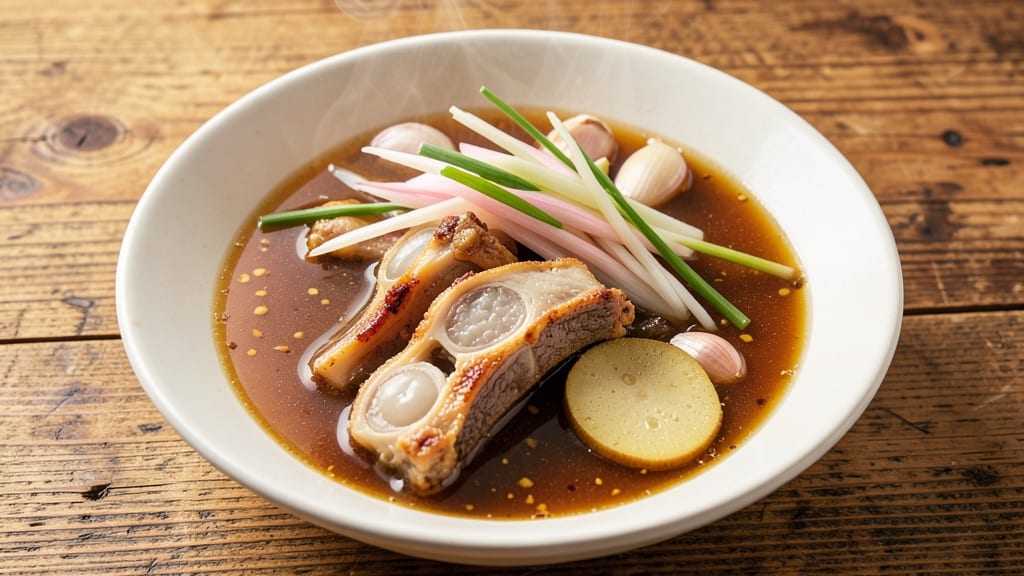
This Asian beef bone soup recipe delivers restaurant-quality depth with a velvety broth that's rich yet never greasy—built from hours of slow simmering. The secret lies in braising beef bones with aromatic roots and fermented pastes like doenjang, which unlock layers of umami that transform ordinary broth into something extraordinary.
I've perfected this technique over years of testing, ensuring every spoonful carries that perfect balance of savory, slightly sweet, and earthy notes.
What sets this recipe apart is the two-stage cooking process: first rendering collagen from the bones for a silky texture, then finishing with a quick boil to preserve clarity.
The result is a broth so deeply flavorful it needs no additional seasoning—just a handful of fresh herbs and silky rice noodles to complete the dish.
This isn't just soup; it's a one-pot meal that feels like a hug in a bowl, perfect for chilly evenings or when you crave comfort without compromise.
The final presentation matters just as much as the cooking. I serve mine with chilled rice noodles that soften perfectly in the hot broth, topped with thinly sliced scallions and a drizzle of toasted sesame oil.
The contrast of temperatures—cool noodles against warm broth—creates an experience that's both satisfying and elegant. Whether you're feeding a family or treating yourself, this recipe delivers restaurant-quality results with minimal effort after the initial simmer.
For those who love modern twists, I've included variations using miso paste or star anise to customize the flavor profile. The broth keeps beautifully in the fridge for up to 5 days, making it ideal for meal prep. Let's create something that tastes like home—deep, comforting, and impossible to resist.
Ingredients for asian beef bone soup
Six pounds of bones and aromatic roots transform into velvety broth—simple ingredients, extraordinary depth.
| Ingredient | Amount | Notes |
|---|---|---|
| Beef Bones (marrow and knuckle) 🦴 | 4 lb | Raw, uncooked, cut into 2-inch pieces |
| Doenjang (fermented soybean paste) 🥫 | ½ cup | Korean fermented soybean paste (or sub miso) |
| Fresh Ginger Root 🧅 | 2 oz | Unpeeled, sliced into 1-inch chunks |
| Green Onions 🧅 | 1 whole | White and green parts separated |
| Garlic Cloves 🧄 | 8 cloves | Smash lightly with side of knife |
| Daikon Radish 🥕 | 1 lb | Whole, unpeeled, cut into chunks |
| Asian Pearl Rice Noodles 🍜 | 12 oz | Dried, uncooked (or 2 cups cooked) |
| Sesame Oil (toasted) 🫒 | 2 tbsp | For finishing drizzle only |
| Dried Shiitake Mushrooms 🍄 | 6 whole | Rehydrated in hot water |
| Star Anise Pods 🌟 | 2 whole | Optional, for deeper aroma |
| Cinnamon Sticks 🌿 | 2 whole | For subtle warmth |
| Kosher Salt 🧂 | 1 ½ tbsp | Diamond Crystal preferred |
| Black Peppercorns 🌶️ | 1 tsp | Freshly cracked |
| Cold Water 💧 | 12 cups | For initial bone rinse |
| Fresh Cilantro Leaves 🌿 | ¼ cup | Chopped, for garnish |
The bones are everything here. Marrow and knuckle bones yield the richest collagen, but any beef bones will work in a pinch. Costco or local butchers often sell them pre-cut—look for bones with good marrow content. If you can't find doenjang, miso paste or soy sauce works, though the fermented depth is unmatched. The ginger and daikon radish should be organic if possible (the skin adds subtle sweetness). For the star anise and cinnamon, Penzeys Spices or bulk bins at Whole Foods carry high-quality whole spices—grind them fresh for maximum aroma.
No doenjang? Double the miso paste or soy sauce and add a splash of rice vinegar for acidity. Fresh ginger can be substituted with powdered (use half the amount), but the texture and flavor won't be the same. The shiitake mushrooms are non-negotiable—they're the umami powerhouse. If you can't find dried, use fresh but add them later to avoid bitterness. For the noodles, Asian markets have the best selection, but any rice noodles will work. The sesame oil should be toasted—Trader Joe's carries it pre-toasted, or lightly toast your own in a dry pan for 30 seconds.
This broth is a meal prep dream. It tastes even better the next day as flavors meld. Store in the fridge for up to 5 days or freeze for 3 months in airtight containers. For serving, chill the noodles in ice water first—they soften perfectly in the hot broth without turning mushy. Garnish with scallions and cilantro just before eating (the herbs wilt fast in hot liquid). Double the broth and freeze half—perfect for lazy weeknights when you crave comfort.
Why You'll Love This Recipe
- No-Chop Nightmare: I swear by this recipe when I’m too tired to dice ginger into paper-thin slices. Just smash a knob of the root with the flat side of my knife—no board, no mess—and toss it in. The broth still sings with that bright, zesty punch.
- Umami Bomb: That doenjang paste? It’s the secret weapon. One spoonful and suddenly your soup has depth, richness, and a funky-sweet edge that makes you want to slurp it straight from the pot. No fancy reductions or long simmering—just raw, honest flavor.
- Leftover Goldmine: This soup only gets better after day one. The bones soften, the broth thickens, and the garlic-ginger notes mellow into something even more addictive. I make a double batch on Sundays so I can reheat it all week—no sad, watery leftovers here.
- Budget Bone Magic: Marrow bones are cheaper than steak, and knuckle bones render down into pure flavor without breaking the bank. A single bag feeds four, and the broth freezes like a dream. Honestly, it’s the most efficient way I know to stretch a meal into something hearty and satisfying.
Step-by-step instructions for Asian beef bone soup
Transform simple ingredients into a rich, aromatic broth that captures the essence of Korean comfort food.
Prepare the Bones and Initial Broth
Place the 4 lb beef bones (marrow and knuckle) in a large stockpot and cover with the 12 cups cold water. Bring to a boil over high heat, then immediately reduce to a gentle simmer. Skim off any foam that rises to the surface during the first 10 minutes—this ensures a clear, clean broth.
Simmer uncovered for 2 hours, stirring occasionally. The bones will release collagen and marrow, creating a velvety foundation. I like to check the water level after 1 hour and add hot water if needed to maintain coverage. The broth should smell deeply savory, with the aroma of roasted bones filling your kitchen.
Build Depth with Aromatics and Doenjang
Add the 2 oz fresh ginger root (sliced), 8 cloves garlic (lightly smashed), 2 whole star anise pods, and 2 whole cinnamon sticks to the simmering broth. Let these aromatics infuse for 30 minutes, allowing their flavors to meld with the bones.
Next, stir in the 0.5 cup doenjang (fermented soybean paste) and 1.5 tbsp kosher salt. The doenjang will darken the broth and introduce a deep, fermented umami that's the soul of this soup. Simmer for another 1 hour, maintaining a gentle bubble. The longer it cooks, the more complex the flavor becomes—don't rush this step.
Incorporate Vegetables and Mushrooms
Add the 1 lb daikon radish (cut into chunks) and 6 whole dried shiitake mushrooms (rehydrated) to the broth. Simmer for 45 minutes until the daikon softens but still holds its shape. The mushrooms will contribute an earthy depth that pairs beautifully with the beefy richness.
Here's the thing—if the broth starts to reduce too much, add 1 cup hot water to maintain the proper consistency. The soup should be rich but not syrupy, with enough liquid to properly cook the noodles later. Taste the broth now—it should be deeply savory with layers of ginger, garlic, and fermented soybean notes.
Season and Finish the Broth
Strain the broth through a fine-mesh sieve into a clean pot, discarding the solids. Return the broth to medium-low heat and add the 1 tsp freshly cracked black peppercorns. Let them simmer for 5 minutes to infuse their subtle heat without becoming overpowering.
The broth is now ready for the final touch. Taste and adjust seasoning—you might need a bit more salt to balance the flavors, especially if you used a low-sodium doenjang. The perfect broth should be rich, aromatic, and deeply umami with just a hint of spice from the peppercorns.
Cook Noodles and Assemble
Bring a separate pot of water to a boil and cook the 12 oz Asian pearl rice noodles according to package instructions (usually 4-5 minutes). Drain and rinse briefly with cold water to stop the cooking process.
To serve, ladle the hot broth into bowls, then add the cooked noodles. Drizzle with 2 tbsp toasted sesame oil and garnish with 0.25 cup chopped fresh cilantro leaves and the white and green parts of the green onions (separated). The contrast of silky noodles against the robust broth creates the perfect texture balance.
Pro Tips For Making Asian Beef Bone Soup
- CHAR THE BONES FIRST: I learned this the hard way—skipping the initial char on beef bones means you’ll be waiting forever for flavor. Sear the marrow bones over high heat until they’re deep brown in spots (about 5 minutes per side), then toss them in the pot with a splash of water. This unlocks the collagen and caramelized depth that doenjang alone can’t match.
- USE DOENJANG LAST: Add the fermented soybean paste after the bones have simmered for at least 45 minutes. If you dump it in early, the paste will turn the broth muddy and bitter. Instead, stir it in with the ginger and garlic during the final 10 minutes—this lets the doenjang’s umami bloom without overpowering the broth’s clarity.
- PEEL GINGER THINLY: Thick ginger slices sink to the bottom and turn to mush, making the soup taste like you’re chewing on a shoe. Use a vegetable peeler to shave it into paper-thin strips—it infuses flavor without gunking up the broth. (Yes, it looks weird, but trust me: your soup will taste like a Korean grandmother’s.)
- SKIP THE GREEN ONIONS UNTIL SERVING: Chopping green onions into the broth early makes them turn bitter and slimy. Keep them whole, tied with twine, and add them to individual bowls right before eating—this way, they stay crisp and bright. (Bonus: It’s less cleanup when you’re lazy like me.)
Perfect pairings for asian beef bone soup
Noodle Pairings
This broth shines with Asian pearl rice noodles—their neutral flavor absorbs the umami perfectly. For extra texture, try chewy udon noodles or egg noodles if you have them.
I like to chill the noodles in ice water for 5 minutes before adding to the hot broth to prevent overcooking. 🍜
Vegetable Boosts
Add thinly sliced bok choy or shredded cabbage during the last 10 minutes of simmering for a fresh crunch. The daikon radish already in the broth adds natural sweetness, but julienned carrots or shredded napa cabbage work beautifully too. Keep portions small—you want the broth to remain the star.
Protein Additions
For a heartier bowl, stir in sliced shiitake mushrooms (from the broth) or thinly sliced beef (leftover from the bones). I sometimes add soft-boiled eggs or crispy tofu for texture contrast.
The key is to cook any additions separately and add them to individual bowls just before serving to maintain perfect temperatures.
Herb Garnishes
Fresh cilantro and scallions brighten the dish, but don't overlook Thai basil or mint for a Southeast Asian twist. Toasted sesame seeds add crunch, while a drizzle of chili oil brings heat. Garnish just before eating—herbs wilt fast in hot broth, so timing matters. 🌿
Bread Pairings
Serve with steamed mantou buns or crusty baguette slices on the side for dipping. The bread soaks up the rich broth beautifully, creating a satisfying handheld element. For extra indulgence, try garlic naan or buttery brioche—both pair wonderfully with the savory depth.
Drink Complements
A crisp green tea like japanese sencha or korean barley tea cleanses the palate between bites. For something stronger, light lager beers (like Asahi or Sapporo) balance the richness. Avoid heavy wines—they can overpower the delicate broth flavors. 🍵
Nutrition facts
Frequently asked questions
Can I use chicken or pork bones instead of beef?
Beef bones are ideal for their rich marrow and collagen, but you can substitute with chicken bones (for lighter broth) or pork bones (for slightly sweeter flavor). Chicken bones require 2-3 hours of simmering, while pork bones work similarly to beef but may need 1 extra hour for deeper flavor. The broth will be lighter in color and less fatty.
How do I make this soup less greasy?
Skimming foam during the first 10 minutes of simmering removes impurities. For extra clarity, strain the broth through a cheesecloth-lined sieve after simmering. If it still seems rich, chill overnight—the fat solidifies and can be skimmed off easily. The final broth should be silky, not greasy.
Can I make this ahead of time?
This soup tastes even better the next day! Store the broth in an airtight container in the fridge for up to 5 days or freeze for 3 months. Reheat gently on low heat—never microwave, as it can break the broth's delicate texture. Cook noodles fresh when serving for perfect texture.
What if I can't find doenjang?
No problem! Substitute with ½ cup miso paste or ¼ cup soy sauce plus 1 tbsp rice vinegar for acidity. For deeper umami, add 1 tbsp fish sauce. The flavor will be slightly different but still delicious—fermented depth is key, so prioritize substitutions with fermented elements like miso over plain soy sauce.
How do I adjust the spice level?
Start with the 1 tsp black peppercorns as written for subtle heat. For more spice, add 1-2 slices of fresh chili (like Thai bird's eye) during the last 10 minutes of simmering. For a smoky kick, stir in ½ tsp smoked paprika when finishing. Always taste before serving—you can reduce heat by removing chili slices before straining.