
Soups & Stews
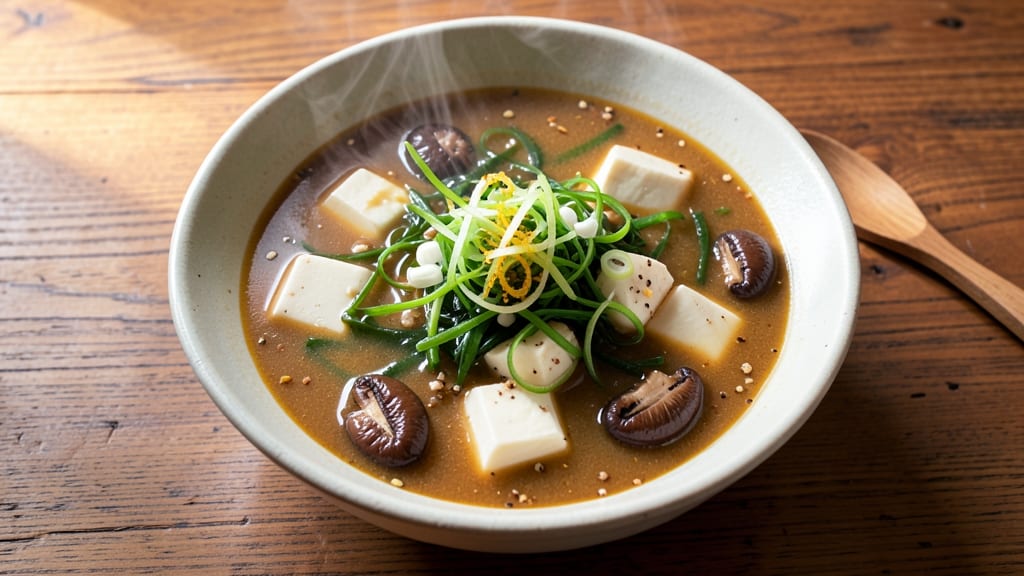
This Asian miso soup recipe delivers restaurant-quality umami in just 20 minutes, transforming simple ingredients into a deeply comforting bowl of warmth. The secret lies in the perfect balance of fermented miso paste, aromatic dashi broth, and delicate toppings that create layers of flavor with every sip.
I've perfected this version through countless batches, ensuring it's both authentic and adaptable to any kitchen.
The foundation begins with a rich dashi broth—traditionally made with kombu and bonito flakes for authentic depth, though vegetarian alternatives work beautifully. Dissolving the miso paste gently into the hot (not boiling) broth preserves its complex umami without bitterness, while tofu, seaweed, and green onions add contrasting textures and freshness.
The result is a soup that's equally satisfying as a light lunch or warming appetizer.
What makes this recipe truly special is its flexibility—vegan versions simply swap the dashi, while protein additions like shrimp or chicken elevate it for heartier meals. The broth remains silky smooth, the miso paste dissolves completely, and each ingredient plays its part in harmony.
Whether you're serving a crowd or treating yourself to a quiet bowl, this soup delivers consistent, restaurant-quality results every time.
Perfect for chilly evenings or as a recovery meal, this miso soup adapts effortlessly to your needs while maintaining its core Japanese soul. The technique is straightforward, the ingredients accessible, and the outcome undeniably comforting. Let's create this bowl of umami warmth together—your taste buds will thank you.
Ingredients for asian miso soup
Twelve ingredients create restaurant-quality umami in under twenty minutes.
| Ingredient | Amount | Notes |
|---|---|---|
| White Miso Paste 🧂 | 2 tbsp | High-quality, fermented white miso |
| Vegetable Dashi Broth 💧 | 4 cups | Homemade or store-bought kombu-based |
| Silken Tofu 🍲 | 8 oz | Soft, unpressed blocks preferred |
| Dried Shiitake Mushrooms 🍄 | 4 whole | Rehydrated in hot water |
| Green Onions 🧅 | 3 whole | Thinly sliced, white and green parts |
| Wakame Seaweed 🌊 | 1 oz | Dried, rehydrated in broth |
| Sesame Oil 🫒 | 1 tsp | Toasted, for finishing |
| Toasted Sesame Seeds 🌰 | 1 tsp | For garnish |
| Rice Vinegar 🍶 | 1 tsp | White or seasoned |
| Diamond Crystal Kosher Salt 🧂 | ½ tsp | Adjust to taste |
| Fresh Ginger 🧄 | 1 tsp | Grated, for dashi depth |
| Garlic Cloves 🧄 | 2 cloves | Minced for dashi |
The miso paste is non-negotiable—Honten or Marukome brands deliver authentic depth. For dashi, Kombu and shiitake mushrooms create umami without meat, while vegetable broth from brands like Imagine or Pacific Foods works in a pinch. Silken tofu should be soft and unpressed—the kind sold in vacuum-sealed packs at Whole Foods or Asian markets. Dried shiitake mushrooms are a game-changer; San Joaquin brand is widely available and delivers rich flavor when rehydrated. Fresh ginger and garlic should be organic if possible, as their quality directly impacts the broth's aromatic base.
No kombu? Dried kelp from bulk bins works, though the flavor profile shifts slightly. Short on miso? Barbecue sauce or soy sauce at half the amount can mimic umami, though purists will notice the difference. The wakame seaweed is essential for texture—substitute with nori strips if unavailable, but reduce to 0.5 oz to avoid overpowering. For a vegan dashi, mushroom broth with kombu is ideal. The tofu can be swapped for edamame or bean sprouts for a different texture, though silken tofu's creaminess is hard to beat. Sesame oil should be toasted—microwave for 20 seconds to deepen its nutty aroma.
Store miso paste in the fridge for up to 1 year once opened, while dried shiitake and kombu keep indefinitely in a cool, dark place. Rehydrated mushrooms and wakame can be prepped ahead and stored in the broth for 3 days. The soup itself reheats beautifully—simmer gently to avoid breaking down the delicate miso flavors. For meal prep, portion into thermos containers and add toppings fresh to preserve texture. Freeze for up to 3 months by omitting the tofu and adding it fresh when reheating.
Why You'll Love This Recipe
- No-Chop Needed: I swear by this trick—just toss in dried shiitake mushrooms straight from the bag. No soaking, no prep, and they still pack that deep umami punch into every sip. The broth does the work for you.
- Umami Magic: That first spoonful of white miso paste? It’s like a warm hug for your taste buds. The shiitake and dashi broth create this savory depth that’s addictive—smooth, salty, but never overpowering, especially with the silken tofu adding a silky contrast.
- Leftover Goldmine: Make a big batch on Sunday, and you’ve got lunch sorted for days. The flavors actually improve after sitting overnight—more balanced, more comforting. I freeze portions too; just reheat with a splash of water, and it’s like fresh soup all over again.
- Budget-Friendly Staple: Honestly, this soup costs me pennies per serving. Miso paste lasts forever, dried mushrooms are a steal, and tofu stretches the broth beautifully. It’s my go-to when groceries feel tight, but it never tastes like I’m skimming on ingredients.
Step-by-step instructions for Asian miso soup
This method delivers a perfectly balanced umami broth with silky tofu and delicate mushrooms every time.
Rehydrate Shiitake Mushrooms and Wakame
Place the 4 whole dried shiitake mushrooms in a small heatproof bowl and cover with just enough hot water to submerge them completely. Let them soak for 15-20 minutes until they've absorbed the water and expanded to about twice their original size. The mushrooms should become pliable and darken in color.
In the same bowl, add the 1 oz dried wakame seaweed and let it rehydrate for 5 minutes. The wakame will unfurl and become tender. Drain both the mushrooms and wakame, reserving the soaking liquid. This liquid contains concentrated umami flavor that we'll incorporate later.
Prepare the Broth Base
In a medium saucepan, combine the 4 cups vegetable dashi broth with the reserved mushroom and wakame soaking liquid. Add the 2 minced garlic cloves and 1 tsp freshly grated ginger. Bring the mixture to a gentle simmer over medium heat, then reduce to low heat to maintain a steady temperature.
Simmer uncovered for 5 minutes to allow the garlic and ginger to infuse the broth. You'll notice a subtle aromatic depth developing—this is where the foundation of your soup's complexity begins. Keep the heat low to prevent rapid evaporation while the broth builds flavor.
Incorporate Miso and Seasonings
Remove the saucepan from heat and let the broth cool slightly for 2-3 minutes. This is crucial—adding miso to boiling liquid can destroy its delicate fermented flavors. Gradually whisk in the 2 tbsp white miso paste until completely dissolved. The broth should take on a richer, more opaque appearance.
Return the pan to low heat and add the 0.5 tsp Diamond Crystal kosher salt and 1 tsp rice vinegar. Stir gently to combine. The salt enhances the umami while the vinegar adds a subtle brightness that balances the richness. Keep the heat at the lowest setting possible to maintain the miso's integrity.
Add Tofu and Finish the Soup
Cut the 8 oz silken tofu into 1-inch cubes using a sharp knife. Gently add them to the simmering broth and let them warm through for 3-4 minutes without boiling. The tofu should become just warm to the touch—overheating will make it rubbery.
Remove the pan from heat and stir in the 1 tsp sesame oil. This final touch adds a nutty aroma and helps emulsify the soup for a silky texture. Taste and adjust seasoning if needed—you might need a pinch more salt to balance the miso's intensity.
Serve Immediately with Garnishes
Ladle the soup into bowls and garnish each serving with the thinly sliced green onions and 1 tsp toasted sesame seeds. The green onions add a fresh contrast to the rich broth, while the sesame seeds contribute both visual appeal and a nutty crunch.
Serve immediately while the tofu is still warm and the broth maintains its perfect consistency. The soup should be aromatic with a deep umami flavor, balanced by the subtle acidity of the vinegar and the freshness of the green onions. Each spoonful should deliver a harmonious combination of textures and tastes.
Pro Tips For Making Asian Miso Soup
- Dissolve Miso Last: I used to stir it in early, and the soup would turn cloudy—like someone dumped chalk in there. Wait until the broth is just simmering, then whisk the miso paste in while the pot’s off the heat. The heat shock keeps it smooth and rich, not gritty.
- Soak Shiitakes Properly: Dried shiitakes are like little sponges—toss them in hot water for 20 minutes, not just a quick dip. If you’re impatient, they’ll stay tough and chewy. Pro move: Save that soaking liquid for the broth. It’s packed with umami, and you’d be crazy to waste it.
- Cube Tofu Cold: Ever bite into silken tofu that’s still warm from the package? It turns to mush. Cut it straight from the fridge—cold tofu holds its shape better. A quick rinse under cold water removes any surface starch that might make it gummy.
- Simmer, Don’t Boil: Miso soup isn’t a race. Let the broth gently bubble for 5 minutes after adding the miso—this lets the flavors meld without killing the delicate tofu. If you’re in a rush, lower the heat to a whisper and cover the pot. It’ll still taste like you put in effort.
Serving suggestions for this asian miso soup
Bowl Presentation
Serve your miso soup in warm, wide-rimmed bowls—I love using stoneware or ceramic for that classic Japanese aesthetic. Arrange toppings artistically: place the rehydrated shiitake mushrooms slightly off-center, nestle the silken tofu cubes in the center, and fan the green onions over the top.
A drizzle of sesame oil along the edge adds a golden highlight that makes the soup look even more inviting. 🥣
Pairing with Rice
Miso soup pairs beautifully with steamed Japanese short-grain rice—the slight stickiness of the rice absorbs the broth perfectly. For a heartier meal, serve with onigiri (rice balls) or mochi on the side.
If you're making a full Japanese-inspired spread, add pickled vegetables (tsukemono) like cucumbers or daikon for a refreshing contrast to the soup's richness.
Protein Additions
For a more substantial meal, consider adding soft-shell shrimp or thinly sliced chicken breast—simmer them in the broth for just 2-3 minutes before serving. If you prefer plant-based options, marinated tofu or edamame work wonderfully.
Just be sure to add proteins after the miso paste to avoid overcooking them in the hot broth. 🍤
Beverage Pairings
A hot green tea (like sencha) complements the soup's umami perfectly, cleansing your palate between bites. For a refreshing contrast, try sparkling yuzu soda—its citrus notes brighten the dish.
If you prefer alcohol, a dry sake or light Japanese beer (like Asahi) enhances the meal without overpowering the delicate flavors.
Seasonal Variations
In summer, add cucumber slices or bean sprouts for a light, refreshing touch. For winter, swap in thinly sliced lotus root or shredded napa cabbage for extra heartiness. The key is balancing textures—always include something crunchy (like green onions) and soft (like tofu) to create contrast. 🌿
Meal Prep Tips
Prep toppings ahead: store rehydrated mushrooms, wakame, and sliced green onions in the fridge for up to 3 days. Keep the broth separate until reheating—simmer gently on the stove for 5-7 minutes before adding fresh toppings.
For a quick lunch, assemble components in thermos containers with a small compartment for toppings, keeping them separate until serving. ⏰
Nutrition facts
Frequently asked questions
Can I make this miso soup vegan?
Yes! Simply replace the traditional dashi (which often contains fish) with a vegetable kombu broth or shiitake mushroom broth. Use 1 tbsp soy sauce instead of bonito flakes for depth, and ensure your miso paste is 100% plant-based. The umami will still shine through beautifully.
Why does my miso soup taste too salty?
Miso paste is already salty, so the key is balance. Start with 1 tbsp miso per cup of broth and adjust gradually. If it's too strong, add 1 tsp rice vinegar or a splash of water to dilute. For future batches, reduce the salt in your broth by half—miso provides plenty of sodium on its own.
How do I prevent the tofu from getting rubbery?
Never boil the tofu—add it to the broth when it's just simmering (190°F), and remove it after 2-3 minutes of warming. Use silken tofu (not firm) and avoid pressing it beforehand. For extra tenderness, marinate the cubes in 1 tsp soy sauce + 1 tsp sesame oil for 10 minutes before adding.
Can I make this soup ahead of time?
Yes, but prepare components separately. Store the broth (without miso) in the fridge for 3 days or freeze for 3 months. Reheat gently, then whisk in fresh miso paste and add toppings last. Prep toppings (like rehydrated mushrooms) ahead, but keep them separate until serving to maintain texture.
What's the difference between white and red miso?
White miso is milder and sweeter, fermented for just 3-6 months, making it perfect for soups. Red miso is darker, saltier, and more intense (fermented 1-2 years)—ideal for stews or marinades. For this recipe, white miso delivers the classic delicate umami without overpowering.