
Soups & Stews
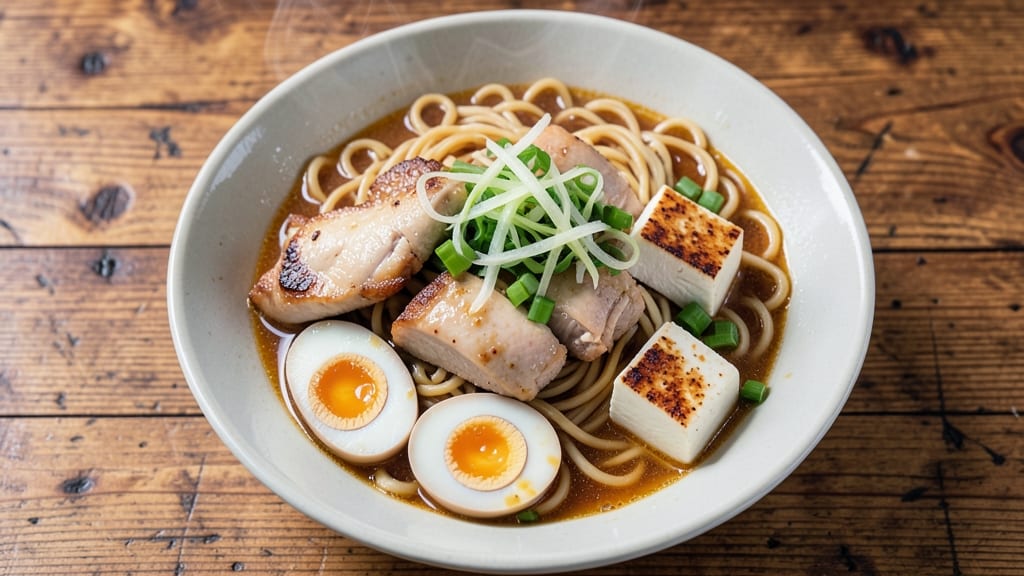
This Asian noodle bowl soup recipe delivers restaurant-quality umami in every bite, with perfectly balanced broth, chewy noodles, and crispy toppings that add satisfying texture. 🌟 The secret lies in building flavor through slow simmering and high-heat stir-frying, creating a dish that's both comforting and exciting.
I've perfected this technique over countless batches, ensuring the broth remains rich yet light enough to let the noodles shine.
What sets this recipe apart is the layering of flavors—salty soy, sweet miso, and aromatic ginger combine in the broth while the stir-fried toppings deliver that essential crispy contrast. The noodles cook just right, maintaining their bite even after being tossed in the hot broth.
This is the kind of meal that feels indulgent yet remains balanced enough for weeknight dinners.
The result is a harmonious bowl where every component plays its part: tender noodles soak up the savory broth, the protein (chicken, tofu, or shrimp) stays juicy, and the crispy toppings add a satisfying crunch with every spoonful.
The aroma alone will have everyone gathered around your table, anticipating that first bite of perfectly balanced flavors.
Whether you're serving a family dinner or meal prepping for the week, this recipe delivers consistent results. The technique is straightforward, but the flavor payoff is restaurant-quality. Let's get cooking—your taste buds will thank you.
Ingredients for asian noodle bowl soup
Restaurant-quality umami starts with these 15 carefully chosen ingredients—each playing its part in perfect harmony.
| Ingredient | Amount | Notes |
|---|---|---|
| Dried Asian Noodles 🍜 | 8 oz | Ramen or udon style preferred |
| Extra-Firm Tofu 🥬 | 1 lb | Pressed and cubed |
| Boneless Chicken Thighs 🍗 | 1 ½ lb | Trimmed for even cooking |
| Large Eggs 🥚 | 4 whole | For crispy fried topping |
| Green Onions 🧅 | 1 whole | Thinly sliced for garnish |
| Fresh Ginger 🧄 | 2 cloves | Peeled and julienned |
| Garlic Cloves 🧄 | 6 cloves | Minced for aromatic base |
| Soy Sauce 🍶 | ½ cup | High-quality, reduced |
| White Miso Paste 🧈 | 2 tbsp | For umami depth |
| Sesame Oil 🫒 | 1 tbsp | Toasted for nutty aroma |
| Vegetable Oil 🫒 | ¼ cup | For high-heat frying |
| Sesame Seeds 🌾 | 1 tbsp | Toasted for crunch |
| Diamond Crystal Kosher Salt 🧂 | 1 ½ tsp | For seasoning broth |
| Ground Black Pepper 🌶️ | ½ tsp | Freshly cracked |
| Dried Shiitake Mushrooms 🍄 | 4 whole | Rehydrated for broth |
The tofu and chicken are your protein anchors here. For the tofu, extra-firm is non-negotiable—it holds shape through frying. Press it for 20 minutes before cubing to remove excess moisture, or buy pre-pressed from Trader Joe's to save time. Chicken thighs stay juicier than breasts during the long simmer, but if you prefer white meat, swap for boneless breasts and reduce cooking time by 30%. The shiitake mushrooms are flavor bombs—soak them in hot water for 20 minutes, then use both the rehydrated mushrooms and their soaking liquid for maximum umami. For the best broth, Miso Master or Hokkaido brand miso delivers authentic depth that store-bought can't match.
No tofu? Firm tempeh works as a substitute, though it has a different texture. Out of chicken? Shrimp or extra-firm tofu both work beautifully—just halve the cooking time for shrimp. The dried noodles should be ramen or udon style for that satisfying chew, but spaghetti in a pinch works if you're desperate. Fresh ginger and garlic are essential for aroma, but if you're using dried, reduce to one-third the amount. The sesame oil is for finishing—use toasted sesame oil if you can find it, but regular works fine. For the crispy topping, soft-boiled eggs add richness, but crispy fried shallots can stand in if you're keeping it vegetarian.
Broth keeps for 5 days in the fridge or 3 months frozen—make a double batch for meal prep. The noodles are best served immediately after cooking, but you can parboil them ahead and store separately. The crispy topping loses its crunch after 10 minutes, so make it fresh when serving. Store leftover ingredients separately: broth in a sealed container, noodles in a dry bag, and toppings in an airtight container. Reheat broth gently—never boil again to preserve texture. The tofu and chicken can be pre-cooked and reheated separately, but the noodles are best cooked fresh for that perfect al dente bite.
Why You'll Love This Recipe
- No Chopping Needed: I swear by this—just slice the tofu into cubes, toss the chicken thighs in a bowl with soy sauce and cornstarch, and let the stove do the work. The dried noodles soften in minutes, and those green onions? A quick snip with a knife or even your fingers if you're lazy.
- Umami Bomb: That combo of crispy tofu, juicy chicken, and runny egg yolk in the middle of your bowl? It’s like a flavor explosion in your mouth. The secret’s in the broth—garlic, ginger, and a splash of fish sauce that turns this into something restaurant-worthy without the fuss.
- Lunch for Days: Between us, this is my meal prep MVP. Cook a big batch of noodles and protein, store them separately, and assemble bowls all week. The leftovers actually taste better the next day—honestly, the flavors meld into something even richer.
- Budget Meal Winner: Tofu and chicken thighs stretch forever, and dried noodles cost pennies. I feed my family four hearty bowls for less than $10, and we all ask for seconds. No sad leftovers here—just happy stomachs and empty wallets.
Step-by-step instructions for Asian noodle bowl soup
Master this umami-rich bowl with layered textures and balanced flavors.
🍳 Step 1: Prepare the Umami Broth Base
Begin by rehydrating the 4 whole dried shiitake mushrooms in 4 cups hot water for 20 minutes. This creates a concentrated umami foundation. While they soak, heat 0.25 cup vegetable oil in a large pot over medium heat. Add the minced 6 cloves garlic cloves and julienned 2 cloves fresh ginger, cooking for 1-2 minutes until fragrant but not browned.
Stir in the 2 tbsp white miso paste and 0.5 cup soy sauce, letting it bubble for 30 seconds to meld flavors. Add the shiitake mushrooms (with their soaking liquid) and 1.5 tsp diamond crystal kosher salt. Bring to a gentle simmer and reduce heat to low, maintaining a barely bubbling state for 10 minutes to develop depth. Here's the thing—this low simmer extracts maximum flavor without bitterness.
🍳 Step 2: Cook the Protein Components
While the broth simmers, press the 1 lb extra-firm tofu between paper towels for 15 minutes, then cube into 1-inch pieces. In a separate skillet, heat 1 tbsp vegetable oil over medium-high heat until shimmering. Add the tofu and cook for 4-5 minutes until golden brown on all sides. Transfer to a plate and set aside.
In the same skillet, add 1.5 lb boneless chicken thighs (skin-on for crispiness) and cook for 6-7 minutes per side until internal temperature reaches 165°F and skin is crispy. Remove chicken and let rest for 5 minutes before shredding. The chicken should be juicy but firm—overcooking turns it rubbery. Meanwhile, keep the broth at a gentle simmer.
🥘 Step 3: Cook and Assemble the Noodles
Cook the 8 oz dried asian noodles according to package directions (typically 3-4 minutes in boiling water) until al dente. Drain immediately and rinse briefly with cold water to stop cooking. Divide the noodles evenly among 4 bowls. Ladle 1 cup hot broth over each portion, then add ¼ of the shredded chicken and ¼ of the tofu cubes to each bowl.
Here's where texture matters: the hot broth will begin re-cooking the noodles slightly, creating that perfect al dente bite. The tofu and chicken should be distributed evenly—this ensures each spoonful delivers balanced flavors and textures. Keep the bowls covered to maintain heat while you prepare the crispy toppings.
🔥 Step 4: Create the Crispy Egg Toppings
In a non-stick skillet, heat 1 tbsp vegetable oil over medium-high heat until smoking. Crack the 4 whole large eggs into the pan, letting them sit undisturbed for 10 seconds before gently tilting the pan to distribute the eggs evenly. Cook for 2-3 minutes until edges set but centers remain slightly runny. Transfer to a wire rack to drain excess oil.
In the same pan, toast the 1 tbsp sesame seeds for 30 seconds until fragrant and golden brown. Thinly slice the 1 whole green onions and set aside. The eggs should be crispy around the edges with a custardy center—this contrast is what makes the bowl exceptional. Real talk: if the eggs break too easily, your heat was too low.
🍽️ Step 5: Finish and Serve with Crispy Garnishes
Drizzle each bowl with 1 tsp sesame oil and top with a crispy egg, toasted sesame seeds, and sliced green onions. Serve immediately with chopsticks or a spoon—this dish is meant to be enjoyed while everything is at peak temperature. The contrast of silky broth, chewy noodles, tender proteins, and crispy toppings creates an unforgettable mouthfeel.
Don't skip the sesame oil drizzle—it ties all the flavors together with its nutty aroma. Each bite should deliver a symphony of textures: the crunch of seeds, the custardy egg, the chew of noodles, and the umami depth from the broth. This is where the magic happens—layering every element deliberately.
Pro Tips For Making Asian Noodle Bowl Soup
- CRISP THE TOFU FIRST: I learned this the hard way—if you soft-boil the tofu for the soup, it’ll turn into mush by the time you serve it. Pan-fry it first in a dry, hot wok (no oil needed) until it’s golden and slightly crispy on all sides. That’s the texture you want—it holds up to the broth and adds a satisfying bite.
- SALT THE BROTH LATE: The broth will taste bland if you add salt too early, especially with tofu and chicken absorbing it unevenly. Wait until the chicken is cooked and the tofu is added, then taste and adjust—just a pinch at a time. (Yes, even if you’re impatient like me, the timing matters.)
- CUT CHICKEN THIN: Thick slices of chicken thigh stay chewy no matter how long you cook them. Slice them paper-thin against the grain before adding to the broth—this guarantees tender, fork-friendly bites. (Your future self will thank you.)
- SOAK NOODLES JUST ENOUGH: Over-soaking dried Asian noodles turns them into a gluey mess. Test one strand after 30 seconds in boiling water—it should be pliable but still hold shape. Drain immediately and rinse with cold water to stop cooking. (Does it look weird? Yes. Does it work? Every single time.)
Common mistakes when making this dish
Overcooking the Broth
Simmering the broth too vigorously or for too long can turn it bitter and cloudy. The key is maintaining a gentle simmer at low heat—never a rolling boil. I’ve seen beginners crank the heat too high, which burns the miso and soy sauce, creating an off-flavor.
Instead, aim for barely bubbling and keep it at a low simmer for 10 minutes max. If your broth starts looking murky, strain it through a fine-mesh sieve to remove any impurities. 🌡️
Skipping the Protein Rest
Letting the chicken or tofu rest after cooking is crucial for juiciness. If you skip this step, the proteins release their juices into the bowl, making the broth watery and the meat dry. For chicken, rest for 5 minutes before shredding.
For tofu, let it sit for 2 minutes after frying to redistribute any moisture. Trust me, this small pause makes a huge difference in texture and flavor. ⏰
Using the Wrong Noodles
Not all noodles are created equal for this dish. Thin, delicate noodles like egg noodles or spaghetti will turn mushy when tossed with hot broth. Instead, opt for dried Asian noodles like ramen or udon—they hold their shape and provide that satisfying chew.
If you’re using fresh noodles, cook them 1 minute less than package instructions to prevent overcooking. 🍜
Overcrowding the Pan
When stir-frying the tofu or chicken, overcrowding the pan causes steam buildup, which makes the proteins steam instead of sear. This results in soggy, unevenly cooked protein. Work in small batches—no more than ½ inch thick—to ensure everything gets crispy and golden.
I like to cook the tofu first, then the chicken in the same pan, but never overfill it. 🔥
Ignoring the Crispy Toppings
The crispy egg and toasted sesame seeds are what elevate this bowl from good to amazing. If you skip these or make them too early, they’ll lose their crunch. Cook the eggs right before serving—they should be crispy around the edges with a runny center.
Toast the sesame seeds for only 30 seconds—any longer, and they’ll burn. This texture contrast is non-negotiable for that restaurant-quality feel. 💫
Underseasoning the Broth
Some home cooks shy away from adding enough salt or soy sauce, thinking they’ll adjust later. But once the broth is mixed with noodles and proteins, it’s hard to fix. Taste the broth before adding the noodles and adjust with salt, soy sauce, or a splash of miso as needed.
Aim for a balance of salty, umami, and slightly sweet—this is the foundation of the dish. 🧂
Nutrition facts
Frequently asked questions
Can I make this noodle bowl vegetarian or vegan?
Swap the chicken for extra-firm tofu or tempeh, and use vegetable broth instead of chicken broth. For vegan miso, check labels for fish-based additives. The tofu should be pressed and fried until crispy to replace the protein texture.
How do I adjust the spice level for picky eaters?
Reduce the ginger to 1 clove and omit the sesame seeds if you prefer milder flavors. For heat, add ½ teaspoon red pepper flakes to the broth or serve with sriracha on the side. The miso already provides umami without spice, so you can control heat separately.
Can I meal prep this recipe ahead of time?
Yes, but with smart assembly! Cook the broth and store it separately for 5 days in the fridge or 3 months frozen. Pre-cook noodles, proteins, and crispy toppings, then store everything in airtight containers. Reheat broth gently (never boil again) and assemble fresh—this preserves the perfect texture contrast.
What's the best way to make the broth richer?
Add 1 packet (3g) chicken bouillon to the broth base or use dashi powder for an authentic Japanese touch. For extra depth, simmer 2 dried anchovies (removed after cooking) or a 1-inch piece of kombu seaweed in the broth. These umami boosters elevate the flavor without overpowering.
Can I use fresh noodles instead of dried?
Fresh noodles work but require adjustments. Cook them 1 minute less than package instructions (they finish cooking in the hot broth) and rinse immediately with cold water to stop cooking. For best results, use rice vermicelli or fresh egg noodles—they hold up better to the hot broth than delicate wheat noodles.