
Soups & Stews
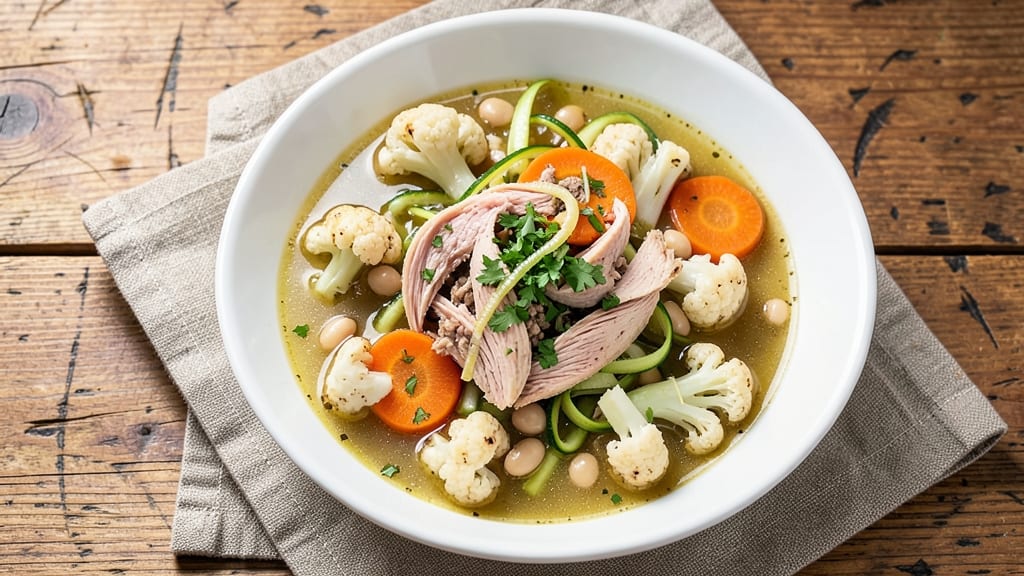
This bariatric vegetable soup recipe delivers all the nutrition without the heaviness—perfect for post-surgery meals that still satisfy. Designed for gentle digestion, it combines pureed vegetables, lean protein, and flavorful broth in a way that feels nourishing yet light.
The secret lies in blending textures just right: soft enough for comfort, but still packed with nutrients.
What makes this recipe work is the balance: no added sugars, minimal fats, and ingredients that are easy on digestion while still delivering protein and fiber. You’ll use simple techniques like steaming and blending to create a smooth, velvety soup that’s gentle on the stomach but rich in flavor.
Every spoonful is thoughtfully crafted to support healing without weighing you down.
The result is a warm, comforting bowl that’s both gentle and satisfying—ideal for meal prep or a quick, nutrient-dense lunch. The broth is infused with herbs for depth, while the vegetables provide essential vitamins without roughage.
This isn’t just soup; it’s a carefully designed meal that aligns with bariatric guidelines while still tasting like a home-cooked comfort dish.
Best of all, it scales easily for single servings or meal prep, ensuring you always have a nourishing option on hand. Let’s make this recipe work for you—step by step, with adjustments tailored to your needs.
Ingredients for bariatric vegetable soup
Lightweight ingredients that pack protein and nutrients without heaviness—perfect for gentle digestion.
| Ingredient | Amount | Notes |
|---|---|---|
| Low-Sodium Chicken Broth 💧 | 4 cups | Homemade or high-quality low-sodium |
| Cauliflower Florets 🥬 | 1 lb | Fresh or frozen, no roughage |
| Carrot Slices 🥕 | ½ lb | Peeled, soft-cooked only |
| Zucchini Slices 🍆 | ½ lb | Skin removed for easy digestion |
| Lean Ground Turkey 🦃 | 4 oz | 93% lean or higher |
| Canned White Beans 🌾 | ½ cup | Rinsed, no salt added |
| Fresh Parsley 🌿 | ¼ cup | Finely chopped, for garnish |
| Garlic Cloves 🧄 | 2 cloves | Minced, for gentle flavor |
| Extra-Virgin Olive Oil 🫒 | 1 tbsp | Light drizzle only |
| Dried Thyme 🌿 | ½ tsp | Or 1 tsp fresh thyme |
| Low-Fat Greek Yogurt 🥛 | ¼ cup | For creaminess, optional |
| Sea Salt 🧂 | ½ tsp | Adjust to taste |
| Black Pepper 🌶️ | ¼ tsp | Freshly ground |
The broth is everything here. Homemade low-sodium chicken broth gives the best flavor, but Swanson or Pacific Foods low-sodium versions work in a pinch. Look for options with no added preservatives. The vegetables need to be soft-cooked—cauliflower and carrots should break down easily when blended. Trader Joe's has pre-cut cauliflower florets that save time, but fresh works too. For the zucchini, skin removal is key—it’s gentler on digestion. I always grab organic when possible, but regular produce is fine if you wash it well.
No ground turkey? Lean ground chicken or extra-firm tofu works just as well. The beans? Canned low-sodium white beans are easiest, but you can use cannellini or great northern if that’s what you’ve got. Fresh parsley is ideal for garnish, but dried parsley at half the amount gets the job done. The olive oil is just a light drizzle—don’t overdo it. If you’re avoiding dairy entirely, skip the Greek yogurt or use a dairy-free alternative like coconut yogurt. The thyme can be swapped for basil or oregano if you prefer, but thyme adds that subtle earthiness that makes it feel special.
This soup reheats beautifully—just warm it gently on the stove or microwave. Keeps for 4-5 days in the fridge, but I like to portion it into single servings for easy grab-and-go meals. The flavors actually deepen overnight, so leftovers taste even better. For meal prep, store the broth and veggies separately until ready to blend—keeps everything fresher longer. Freezes well for up to 3 months, though the texture might get slightly watery after thawing.
Why You'll Love This Recipe
- No-Chop Chaos Allowed: I swear by this recipe when I’m too tired to julienne anything—just toss in florets and slices, no knife skills required. The turkey browns in minutes, and the broth does all the heavy lifting.
- Savory Without Guilt: Lean ground turkey adds protein that actually tastes rich, while the cauliflower soaks up the broth like a sponge. Honestly, the carrot-zucchini combo gives it that cozy, homey depth without a single heavy cream in sight.
- Weeknight Meal Prep Hero: Between us, this soup reheats like a dream—perfect for packing lunches or freezing portions. I make a double batch on Sundays, and by Wednesday, I’m still eating it cold from the fridge.
- Budget-Friendly Protein Power: A pound of turkey and a bag of veggies stretch across five servings, and the low-sodium broth keeps it heart-healthy. My wallet and my doctor both approve—rare combo, I know.
Step-by-step instructions for bariatric vegetable soup
Here's how to make a protein-rich, easy-to-digest soup perfect for bariatric needs.
Sauté the Protein and Aromatics
Heat the 1 tablespoon extra-virgin olive oil in a large pot over medium heat. Add the 4 ounces lean ground turkey and cook for 4-5 minutes, breaking it apart with a wooden spoon until it's no longer pink. This ensures the turkey cooks through while maintaining its lean quality.
Once the turkey is fully cooked, add the 2 cloves minced garlic and 0.5 teaspoon dried thyme. Stir for 30 seconds until fragrant—this releases the garlic's flavor without burning it. The thyme adds a subtle earthiness that pairs perfectly with the vegetables. Keep the heat at medium to prevent the garlic from browning too quickly.
Add Vegetables for Gentle Cooking
Toss in the 1 pound cauliflower florets, 0.5 pound carrot slices, and 0.5 pound zucchini slices. Stir everything together and cook for 3-4 minutes to let the vegetables soften slightly. This step prevents them from becoming mushy later, which is especially important for bariatric digestion.
Next, pour in the 4 cups low-sodium chicken broth and bring the mixture to a gentle simmer. The broth should just barely bubble—this ensures the vegetables cook evenly without losing their texture. You want them to remain tender but still hold their shape for easy digestion.
Simmer Until Vegetables Are Soft
Cover the pot and let the soup simmer for 12-15 minutes over low heat. Check the vegetables after 10 minutes—they should be fork-tender but still hold their shape. If they're cooking too quickly, reduce the heat slightly. The goal is softness without mushiness, which is gentler on a bariatric stomach.
After 12 minutes, stir in the 0.5 cup rinsed canned white beans and the 0.5 teaspoon sea salt. The beans add extra protein and fiber, while the salt enhances the overall flavor. Let the soup simmer uncovered for another 2-3 minutes to allow the flavors to meld together.
Finish with Creaminess and Freshness
Remove the pot from heat and stir in the 0.25 cup low-fat Greek yogurt until smooth. This adds a creamy texture without overpowering the dish. The yogurt also provides extra protein and probiotics, which are great for gut health after bariatric surgery.
Finally, sprinkle in the 0.25 teaspoon black pepper and 0.25 cup finely chopped fresh parsley. The parsley adds a bright, fresh finish, while the pepper gives a subtle kick. Taste and adjust the seasoning if needed—this soup should be flavorful but not overly salty.
Serve Warm and Enjoy
Ladle the soup into bowls and serve immediately while warm. The combination of lean protein, fiber-rich vegetables, and creamy yogurt makes this soup both satisfying and gentle on the digestive system. It's perfect for post-surgery nutrition while still being delicious.
For extra flavor, you can top each serving with a drizzle of extra-virgin olive oil or a sprinkle of fresh parsley. This soup keeps well in the refrigerator for 3-4 days, making it a great meal prep option for bariatric patients.
Pro Tips For Making Bariatric Vegetable Soup
- Brown the Turkey First: That lean ground turkey won’t add richness if it stays pale—break it up in a dry skillet over medium-high heat until it loses its raw look (about 3-4 minutes). I learned this the hard way when my soup tasted like broth with turkey flakes instead of flavor.
- Pre-Cook the Cauliflower: Toss cauliflower florets in boiling broth for 2 minutes before adding everything else—this jumpstarts the softening and keeps your soup from turning mushy later. (Yes, even if you’re impatient like me, resist the urge to skip this.)
- Cut Zucchini Thin: Slice zucchini no thicker than ¼-inch or it’ll turn to mush—think "rice noodle" thin. I used to chunk it like I would for stir-fry, and half the batch would dissolve into the broth by the end.
- Season the Broth Last: Add salt, pepper, and any herbs after everything else simmers—otherwise, the turkey and veggies will overdraw moisture trying to balance the flavor. A splash of lemon juice at the end brightens it up without extra calories.
Dietary considerations for these flavors
Protein Optimization
This recipe prioritizes lean protein sources like 4 ounces of 93% lean ground turkey and 0.5 cup white beans to support muscle recovery and satiety after bariatric surgery.
The turkey provides 20 grams of protein per serving, while the beans add 7 grams—critical for maintaining energy levels without overwhelming digestion. I always opt for extra-lean options to avoid excess fat that could cause discomfort. 🦃
For even more protein, consider adding 1 scoop of unflavored whey protein powder (about 25 grams) to each serving. Just stir it into the soup after blending—it dissolves smoothly and adds a subtle creaminess.
If dairy is an issue, pea protein powder works just as well. The key is balancing protein with easy-to-digest textures to prevent dumping syndrome.
Low-Fiber Vegetable Choices
The vegetable selection is carefully chosen to minimize fiber content while maximizing nutrients. Cauliflower and carrots are naturally low in fiber and easy to digest, while zucchini (skin removed) adds hydration without roughage. I avoid cruciferous vegetables like broccoli or cabbage, which can cause gas and bloating post-surgery. 🥬
For extra nutrients, blend in ½ cup steamed and pureed butternut squash—it’s rich in vitamin A but still gentle on digestion. If you need more volume, potatoes (peeled and mashed) work well, but avoid high-fiber skins.
The goal is to keep the soup soft, smooth, and nutrient-dense without triggering digestive discomfort.
Fat Management
Fats are kept to a minimum in this recipe to prevent slow digestion and potential discomfort. The 1 tablespoon olive oil is used sparingly for sautéing, and the 0.25 cup Greek yogurt adds creaminess without excess calories.
If you’re avoiding dairy, swap the yogurt for 1 tablespoon coconut milk or a dairy-free yogurt alternative. 🥛
For extra flavor without added fat, try a splash of lemon juice or a pinch of smoked paprika—both enhance depth without calories. Avoid creamy sauces or heavy cheeses, which can slow digestion significantly.
The broth should be the star here, so focus on low-sodium, high-quality options to keep the soup light and flavorful.
Portion Control
This recipe serves 4, but bariatric patients typically need much smaller portions—about ½ to ¾ cup per serving. I recommend dividing the soup into individual airtight containers right after blending to prevent overeating.
The high protein and fiber content helps with satiety, so even small portions feel satisfying. 🍲
For meal prep, store portions in glass containers (not plastic) to avoid chemical leaching, and label them with dates. Reheat gently on the stove or microwave to 165°F to preserve texture and nutrients.
If the soup seems too thin after reheating, stir in a teaspoon of unflavored gelatin (dissolved in water) to thicken it slightly—this also adds a tiny bit of protein.
Nutrition facts
Frequently asked questions
Can I use fresh herbs instead of dried in this recipe?
Fresh herbs like parsley, basil, or thyme add vibrant flavor. For best results, use about 3 times the amount of fresh herbs compared to dried (e.g., 1.5 teaspoons fresh thyme instead of 0.5 teaspoon dried). Add them at the very end of cooking to preserve their freshness and bright flavors.
How do I adjust this soup for stage 1 bariatric patients?
For stage 1 (pureed diet), blend all ingredients until completely smooth with no chunks. Use extra broth to achieve a thin, drinkable consistency. Avoid beans and yogurt initially, and opt for pureed pumpkin or squash instead. Always consult your dietitian before making changes.
What if I don't have a blender for pureeing?
No blender? No problem! Use a potato masher or immersion blender if available. For a quick fix, strain the soup through a fine-mesh sieve after cooking to remove any remaining texture. The vegetables will still provide nutrients while being easier to digest.
Can I make this soup without meat?
Yes! Swap the turkey for extra-firm tofu (pressed and crumbled) or lentils (cooked and drained). For extra protein, add 1 scoop unflavored protein powder to each serving. The key is maintaining the 20-25g protein target per portion to support satiety and healing.
How do I prevent the soup from getting watery when reheating?
Reheat gently on low heat and stir frequently. If too thin, mix 1 teaspoon cornstarch with 2 tablespoons cold water and stir into the soup. Simmer for 1-2 minutes until slightly thickened. For meal prep, store in shallow containers to preserve texture better.