
Soups & Stews
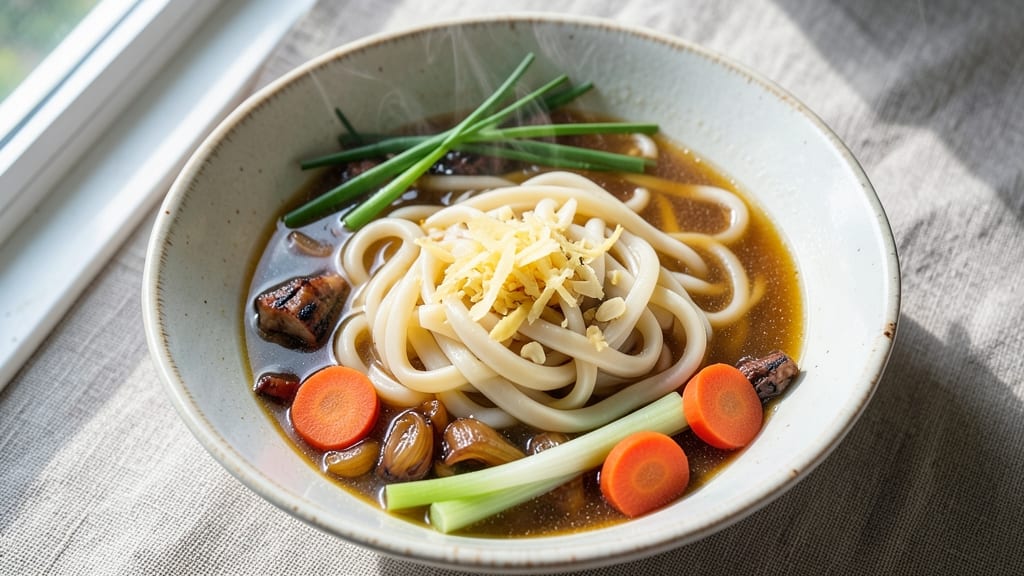
This beef broth udon noodle soup recipe delivers the perfect balance of deep umami flavor and silky noodles that feel like a warm hug in a bowl.
The secret lies in slow-simmered beef broth infused with aromatic vegetables and a touch of soy sauce, creating a rich foundation that transforms simple udon into an unforgettable meal.
What sets this recipe apart is the layered approach—building flavor through caramelized aromatics and long simmering, then finishing with fresh garnishes that add brightness and texture.
The process begins with crafting a foolproof beef broth that forms the soul of the soup, where beef bones and vegetables simmer for hours to extract maximum flavor. Meanwhile, thick udon noodles cook just until tender, ensuring they hold their shape while absorbing the broth's depth.
This isn't just a quick weeknight meal—it's a restaurant-quality dish that rewards patience with every slurp of that velvety, umami-packed broth.
By the time you assemble the soup, you'll have a bowl that's visually stunning with its golden broth, silky noodles, and optional toppings like mushrooms, green onions, or soft-boiled eggs.
The aroma alone will draw everyone to the table, while the first bite delivers a perfect harmony of savory, slightly sweet, and umami-rich flavors. This recipe bridges tradition and convenience, making it achievable for home cooks while delivering professional results.
The beauty of this udon noodle soup lies in its versatility—adjust the broth's richness, swap in fusion ingredients like ginger or sesame oil, or keep it classic with just beef, vegetables, and udon.
Whether you're feeding a family or treating yourself to a comforting solo meal, this dish promises to become a staple in your rotation. Let's get started on creating your own bowl of warmth and flavor.
Ingredients for beef broth udon noodle soup
Foolproof beef broth plus silky udon—this is comfort food at its finest.
| Ingredient | Amount | Notes |
|---|---|---|
| Beef Bones (Chuck or Short Rib) 🦴 | 2 lb | Raw, marrow-rich preferred |
| Yellow Onion 🧅 | 1 whole | Cut into 1-inch chunks |
| Carrot 🥕 | 2 whole | Cut into 2-inch chunks |
| Celery Stalks 🌿 | 3 whole | Cut into 2-inch pieces |
| Fresh Ginger 🧅 | 2 tbsp | Grated, skin-on |
| Garlic Cloves 🧄 | 6 cloves | Smashed, skin-on |
| Dried Shiitake Mushrooms 🍄 | 4 whole | Rehydrated in hot water |
| Soy Sauce 🥫 | ¼ cup | Light or dark variety |
| Sesame Oil 🫒 | 1 tbsp | Toasted, for finishing |
| Dried Udon Noodles 🍜 | 8 oz | Thick variety preferred |
| Green Onions 🌱 | 4 whole | Thinly sliced, for garnish |
| Fish Sauce 🍶 | 1 tbsp | Optional, for umami depth |
| Dried Red Chili Flakes 🌶️ | 1 tsp | Adjust to taste |
| Salt 🧂 | 1 ½ tsp | Kosher or sea salt |
| Black Peppercorns 🌶️ | ½ tsp | Freshly cracked |
The bones are everything here. Chuck or short ribs give the richest flavor, but any beef bones work in a pinch. Costco or local butchers usually have them—look for marrow bones if you can, they add incredible depth. Roast the bones first at 400°F for 30 minutes to deepen the flavor (don't skip this!). The vegetables are simple but crucial—carrots and celery add sweetness, while the onion and garlic form the aromatic base. Fresh ginger is non-negotiable; dried just won't cut it. For the mushrooms, soak them in hot water for 20 minutes to rehydrate—they'll shrink but pack serious umami punch.
No soy sauce? Coconut aminos at double the amount works surprisingly well. Short on sesame oil? Toasted peanut oil gives a similar nutty finish. The udon noodles should be thick and chewy—Martini or Nissin brands are reliable, but any dried udon will do. For extra richness, add a splash of vegetable stock if you run low on water. The fish sauce is optional but adds that authentic umami kick—if you skip it, just increase the soy sauce by 1 extra tablespoon. And trust me, the chili flakes? They're worth it for that little heat boost at the end.
Broth keeps for 5 days in the fridge or 3 months frozen—make extra, you'll want it. Store it in glass jars with a layer of oil on top to preserve freshness. Udon noodles? They're best fresh but can be cooked ahead and stored in the fridge for 2 days (just reheat with a splash of water). Garnishes like green onions and sesame seeds should be prepped right before serving so they stay crisp. This soup actually tastes better the next day as flavors meld—perfect for meal prep.
Why You'll Love This Recipe
- One-Pot Magic: The broth simmers all day while you’re at work—just toss in the udon, and boom, dinner’s ready. No extra pots, no fuss, just that rich, deep flavor from the beef bones melting into the broth.
- Umami Bomb: That first sip? Pure satisfaction. The carrot and celery sweeten over time, while the ginger and onion add a warmth that lingers—like a hug in a bowl, but way more delicious.
- Leftovers That Don’t Suck: Honestly, the broth gets better the next day. I make a big batch on Sundays, and by Wednesday, it’s still rich and full of flavor—perfect for quick lunches or a lazy evening.
- Budget-Friendly Comfort: Beef bones stretch into gallons of broth, and udon is cheap but filling. It’s my go-to when I need a hearty meal that won’t break the bank or take all day to make.
Step-by-step instructions for beef broth udon noodle soup
Let's build this deeply flavorful udon soup from scratch—starting with bone broth and ending with silky noodles.
Roast the Beef Bones for Maximum Flavor
Preheat your oven to 425°F. Place the 2 lb beef bones on a rimmed baking sheet and roast for 20-25 minutes, turning occasionally, until they develop a deep golden-brown crust. This step caramelizes the bone surfaces, creating layers of rich flavor that will infuse into your broth.
While the bones roast, prepare a large stockpot by adding 1 whole yellow onion (cut into 1-inch chunks), 2 whole carrots (cut into 2-inch chunks), 3 whole celery stalks (cut into 2-inch pieces), and 2 tbsp freshly grated ginger (skin-on). These vegetables will form the aromatic base of your broth, contributing sweetness and depth.
Simmer the Broth for Deep Umami
Once the bones are browned, transfer them to the stockpot along with the vegetables. Add 6 cloves smashed garlic (skin-on) and 4 whole dried shiitake mushrooms (rehydrated in hot water for 20 minutes). Pour in 8 cups cold water (enough to cover everything by 2 inches) and bring to a boil over high heat.
After the broth reaches a rolling boil, reduce heat to low and skim off any foam that rises to the surface for the first 10 minutes. This ensures a clear, clean broth. Then, add 1.5 tsp salt and 0.5 tsp freshly cracked black peppercorns. Simmer uncovered for 3-4 hours, stirring occasionally, until the broth reduces by about one-third and the bones are tender enough to pull away from the meat.
Strain and Season the Broth
Carefully strain the broth through a fine-mesh sieve or cheesecloth into a clean pot, discarding the solids. Return the broth to the stove and stir in 0.25 cup soy sauce and 1 tbsp fish sauce (if using). Simmer gently for 10 minutes to meld the flavors. Taste and adjust seasoning—you want a balance of saltiness and umami without overpowering the broth.
While the broth simmers, prepare the 8 oz dried udon noodles by boiling them in salted water according to package instructions until al dente. Drain and set aside, reserving 1 cup of pasta water for later. The noodles should be tender but still hold their shape—they'll finish cooking in the hot broth.
Assemble and Finish the Soup
Return the udon noodles to the pot with the broth and gently stir to combine. Add 4 whole green onions (thinly sliced) and 1 tsp dried red chili flakes for a touch of heat. Let the soup simmer together for 2-3 minutes to allow the noodles to absorb the broth's flavors.
Just before serving, drizzle in 1 tbsp toasted sesame oil and toss gently. The oil will add a nutty aroma and silky texture to each spoonful. Ladle the soup into bowls, garnishing with additional green onions and a sprinkle of chili flakes if desired. Serve immediately while the broth is steaming hot and the noodles are silky.
Pro Tips For Making Beef Broth Udon Noodle Soup
- BLACKEN THE BONES FIRST: After searing the beef bones, don’t rush to add liquid—let them sit uncovered for 5 minutes on high heat until they’re deep brown, almost black in spots. I learned this the hard way when my broth tasted bland because I moved too fast; that crust is where all the flavor hides.
- CHAR THE VEGETABLES: Slice the onion, carrot, and celery into rough chunks (no need to peel the carrot—just scrub it), then cook them in the pot with the bones until they’re soft and slightly charred at the edges. This adds depth without extra effort—just let them sit undisturbed for 8-10 minutes on medium heat.
- SKIP THE GINGER PEELING: Yes, even if you’re squeamish about the skin—leave it on. The outer layer of fresh ginger adds a subtle bitterness that balances the sweetness of the broth, and it won’t ruin the dish. I was skeptical until I tried it; now I only peel when I’m making something delicate.
- USE COLD WATER TO START: Fill the pot with cold water, not hot, when adding the bones and veggies. The sudden temperature drop helps extract more collagen from the bones, resulting in a richer broth. It’s a small tweak, but it makes a real difference in how silky the final soup turns out.
Make-ahead tips for this recipe
Broth Prep Ahead
Make your beef broth 2-3 days ahead—it only gets better with time as flavors deepen. Store it in glass jars in the fridge for up to 5 days or freeze in quart-sized freezer bags for 3 months.
When reheating, warm over low heat on the stove and avoid boiling to preserve clarity. I like to double the batch because this broth works in everything from stir-fries to risotto. 🥫
Noodle Prep Shortcut
Cook udon noodles 1 day ahead and store in an airtight container with a damp paper towel to prevent drying. Reheat in hot broth for 2-3 minutes before serving—this keeps them silky without overcooking. For extra convenience, pre-portion noodles into individual servings so you can grab and go. 🍜
Garnish Prep
Slice green onions and toast sesame seeds right before serving to keep them crisp. Store prepped garnishes in separate containers in the fridge for 2 days. For a quick assembly, keep toppings in a small bowl at the table so everyone can customize their bowl. 🌱
Complete Soup Assembly
Assemble the full soup 1 hour before serving—just reheat the broth and noodles separately, then combine. Keep the broth warm but not boiling (around 180°F) to maintain texture. This lets you focus on serving without last-minute stress. The aroma alone will draw everyone to the table! 💫
Freezer-Friendly Bowls
Freeze assembled but uncooked soup components (broth, noodles, and garnishes) in separate containers for 2 months. Thaw overnight in the fridge, then reheat broth and noodles separately before combining. This works best for individual portions—just reheat what you need. 🧊
Meal Prep Timeline
Here's my foolproof schedule: Day 1 - Make broth, Day 2 - Cook noodles, Day 3 - Assemble soup. Store components separately in stackable containers to save fridge space. When ready to serve, just reheat and garnish. This system keeps everything fresh and ready for quick weeknight meals. ⏰
Nutrition facts
Frequently asked questions
Can I use beef broth from a carton instead of homemade?
You absolutely can! For convenience, use 3-4 cups high-quality beef broth (like Swanson or Pacific) plus 1 cup water to thin it out. Add 1 tbsp soy sauce and 1 tsp fish sauce to boost umami, and simmer for 10 minutes to meld flavors. The texture won't be as rich as homemade, but it's a great shortcut for busy weeknights.
How do I adjust the spice level for kids or sensitive eaters?
Skip the chili flakes entirely and reduce the fish sauce to ½ tbsp. For extra mildness, add a pinch of sugar (½ tsp) to balance any lingering saltiness. Garnish with just green onions and a drizzle of sesame oil instead of spicy toppings. The broth's natural umami will still shine!
Why did my udon noodles turn mushy when simmering in the broth?
This happens when noodles overcook in the broth. Always cook udon al dente (1 minute less than package instructions) before adding to the soup. Simmer together for only 2-3 minutes—no longer! If they're still too soft, drain and rinse briefly to stop cooking. The broth should be 180°F, not boiling.
Can I make this soup vegetarian?
Yes! Replace beef bones with mushroom stems and soy sauce for depth, or use vegetable broth made from carrot tops, celery leaves, and kombu. Add 1 tbsp miso paste for umami. Use tofu or seitan instead of beef garnishes, and keep all other ingredients the same. The texture will be lighter but equally comforting.
How can I make this soup more filling for a main course?
Add protein-rich toppings like soft-boiled eggs, thinly sliced beef (like sirloin), or crispy tofu. Double the udon to 12 oz per serving. For extra heartiness, stir in ½ cup cooked rice or chopped cabbage at the end. The broth will still be the star, but these additions add satisfying texture.