
Soups & Stews
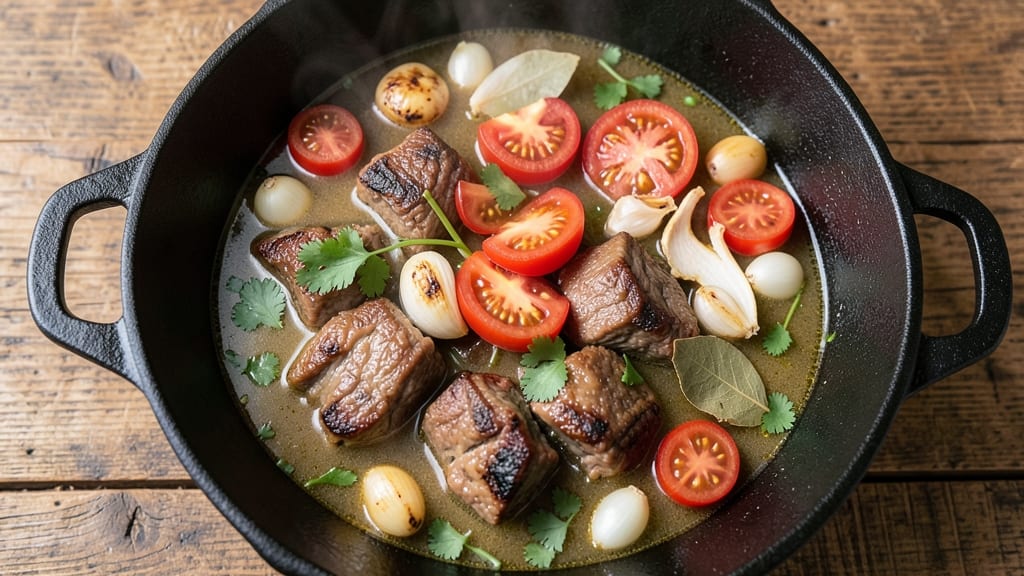
This beef nilaga soup recipe delivers the soul-soothing comfort of Filipino home cooking, where tender beef and aromatic broth create a symphony of flavors. The secret lies in slow-simmering, transforming tough cuts into melt-in-your-mouth perfection while developing deep umami richness.
I’ve perfected this version to honor tradition while offering modern shortcuts for busy weeknights.
What sets this nilaga apart is the balance of simple yet powerful ingredients—garlic, ginger, and bay leaves building the foundation while the beef infuses the broth with natural sweetness.
The long simmering process (about 2 hours) ensures the meat becomes fork-tender, and the broth reduces to a velvety consistency that clings to every spoonful. This isn’t just soup; it’s a comforting embrace in a bowl.
By the time you’re done, you’ll have a steaming pot of golden broth swimming with perfectly cooked beef, its edges just beginning to pull away from the bone. The aroma alone—warm, savory, and slightly sweet—will have everyone gathering around the table.
Serve it with steamed rice to soak up every last drop, or pair it with crusty bread for dipping.
Traditional nilaga often includes vegetables like string beans or potatoes, but the beauty of this recipe is its flexibility. You can keep it classic or add your favorite veggies for extra texture.
The key is patience—letting the flavors meld and deepen over time. Here’s how to make it, step by step.
Ingredients for beef nilaga soup
Six ingredients build the aromatic base, while beef and veggies transform into soul-warming nilaga perfection.
| Ingredient | Amount | Notes |
|---|---|---|
| Beef Chuck Roast 🥩 | 3 lb | Cut into 2-inch chunks |
| Yellow Onions 🧅 | 2 whole | Quartered, skin on |
| Garlic Cloves 🧄 | 8 cloves | Peeled, smashed slightly |
| Fresh Ginger 🌿 | 2 tbsp | Finely grated, skin on |
| Bay Leaves 🌿 | 4 whole | Dried, standard size |
| Canola Oil 🫒 | ½ cup | For searing |
| Beef Broth 💧 | 6 cups | Low-sodium preferred |
| Water 💧 | 2 cups | For initial simmer |
| Tomatoes 🍅 | 2 whole | Roma, quartered |
| String Beans 🌱 | 1 lb | Trimmed, cut into 2-inch pieces |
| Potatoes 🥔 | 2 lb | Russet, peeled, cubed |
| Salt 🧂 | 1 ½ tsp | Kosher or sea salt |
| Black Peppercorns 🌶️ | 1 tsp | Crushed, freshly ground |
| Soy Sauce 🍶 | 1 tbsp | For umami depth |
| White Vinegar 🍯 | 1 tbsp | Balances flavors |
The beef is everything here—chuck roast for that melt-in-your-mouth texture. Look for well-marbled cuts at Whole Foods or your local butcher shop; the fat renders beautifully during the long simmer. If you're short on time, Costco's pre-cut chuck works perfectly. For the aromatics, fresh ginger and garlic are non-negotiable—they're the heart of nilaga's signature flavor. I always grab extra ginger because it's harder to find fresh once opened, and the skin-on version adds subtle bitterness that rounds out the broth beautifully.
No soy sauce? Fish sauce at half the amount works in a pinch, though it adds a slightly different umami profile. Fresh ginger too fibrous? Grate it extra fine or swap for 1 tbsp ground ginger (but fresh is always better). The tomatoes can be canned if needed—San Marzano is ideal, but any good-quality crushed tomatoes will do. Potatoes? Russets hold up best during simmering, but Yukon Golds add creaminess if you prefer. The string beans should be bright green—frozen works in a pinch, but fresh gives the best texture. And if you're feeling adventurous, swap the potatoes for carrots or sweet potatoes for a different twist.
This soup tastes even better the next day—3-4 days in the fridge, honestly. For leftovers, I portion it into glass containers with a layer of broth on top to keep everything moist. Freezes beautifully for up to 3 months, though the texture changes slightly after thawing. If you're making this ahead, simmer the beef and aromatics first, then add the veggies when reheating. And trust me on the vinegar—it's what makes the broth sing, so don't skip it!
Why You'll Love This Recipe
- One-Pot Magic: I swear by this—just dump the beef, onions, and ginger into a pot, add water, and let it simmer. No chopping, no fuss, and the aromas alone make my kitchen feel like a home.
- Ginger-Garlic Bomb: That fresh ginger and minced garlic? It’s the secret weapon. The slow simmer pulls out all the warmth, while the bay leaves add this earthy depth that makes every spoonful feel like a hug.
- Leftover Goldmine: Between us, this soup only gets better the next day. The beef turns tender enough to shred, and the broth reduces to this rich, savory perfection—ideal for lunches or freezing for lazy days.
- Budget-Friendly Feast: A whole chuck roast for one meal? Yes, but it stretches to feed four, then four more with leftovers. Honestly, it’s my go-to when I need to stretch groceries without sacrificing flavor.
Step-by-step instructions for beef nilaga soup
Here's how to create a deeply flavorful, slow-simmered beef soup with melt-in-your-mouth meat.
Sear the Beef for Maximum Flavor
Heat the 0.5 cup canola oil in a large Dutch oven over medium-high heat until shimmering. Working in batches if needed, add the 3 lb beef chuck roast cut into 2-inch chunks and sear for 3-4 minutes per side until deeply browned. This step builds the foundation of your soup's rich flavor—don't rush it.
As the beef browns, you'll see the edges develop a beautiful crust and the meat releases its natural juices. Remove the beef from the pot and set it aside. The browned bits left in the pot will dissolve into the broth later, creating that deep umami base we're after. I like to work in batches to avoid overcrowding, which can steam the meat instead of searing it.
Build the Aromatic Base
In the same Dutch oven, add the 2 whole yellow onions (quartered with skin on) and cook for 5-6 minutes until softened and lightly caramelized. Add the 8 cloves garlic cloves (smashed slightly) and 2 tbsp fresh ginger (finely grated with skin on) and cook for 1-2 minutes until fragrant—you should smell that pungent garlic-ginger aroma.
Here's where the magic happens: add the 4 whole bay leaves, 1.5 tsp salt, and 1 tsp black peppercorns. Stir everything together for 30 seconds to toast the spices slightly. This combination of aromatics will infuse the entire soup with complex, savory notes. The skin-on onions add a subtle sweetness that balances the earthy ginger and garlic.
Simmer the Beef and Vegetables
Return the browned beef to the pot and add 6 cups beef broth and 2 cups water. Bring to a gentle boil, then reduce heat to low and cover partially. Let it simmer for 1.5 hours, skimming off any foam that rises to the surface. This initial simmer breaks down the connective tissue in the beef, making it tender.
After 1.5 hours, add the 2 whole tomatoes (quartered), 1 lb string beans (trimmed and cut into 2-inch pieces), and 2 lb potatoes (peeled and cubed). Stir gently to distribute the vegetables. The tomatoes will add acidity to balance the richness, while the string beans and potatoes contribute texture and body. Keep the heat at low and continue simmering uncovered for another 45-60 minutes until the beef is fork-tender and the potatoes are soft.
Finish with Umami and Balance
Once the vegetables are tender, stir in the 1 tbsp soy sauce and 1 tbsp white vinegar. Let the soup simmer uncovered for 5-10 minutes to allow the flavors to meld. The soy sauce deepens the umami, while the vinegar brightens the broth without overpowering it.
Taste and adjust seasoning if needed—you might need a touch more salt or pepper, depending on your broth. The soup should be rich but not salty, with a perfect balance of savory, tangy, and slightly sweet notes. Here's the thing—this soup tastes even better the next day as the flavors continue to develop. If you're serving immediately, garnish with fresh cilantro or green onions if you like, but the classic nilaga doesn't need anything extra.
Pro Tips For Making Beef Nilaga Soup
- Sear the Beef First: I learned this the hard way—skipping the sear means flavor hiding in the broth instead of singing. Brown the chuck roast in batches over medium-high heat (about 4-5 minutes per side) until deep golden. The crust locks in juices and builds a rich, caramelized base for the soup.
- Slice the Ginger Thin: Sounds weird, but it works: thinly slice the ginger (about 1/8-inch thick) instead of grating or chopping. It infuses the broth evenly without turning it bitter—no need to strain it out later. My grandmother swore by this, and she was right: the soup tastes brighter.
- Simmer Low and Slow: After burning three batches, I finally figured out the temperature matters most. Keep the heat at a bare simmer (just small bubbles breaking the surface) for at least 2.5 hours—any faster, and the beef turns tough. Cover loosely and resist the urge to peek.
- Toast the Bay Leaves: This isn’t the prettiest method, but it’s the tastiest. Dry-toast the bay leaves in a separate pan for 30 seconds until fragrant before adding them to the pot. It deepens their aroma and prevents a bitter aftertaste—your broth will taste like a proper Filipino kitchen, not a shortcut.
Dietary considerations for this beef nilaga soup
Gluten-Free Adaptations
This traditional nilaga recipe is naturally gluten-free, but there are a few ingredients to double-check. The soy sauce is the only potential concern—opt for tamari instead, which is gluten-free soy sauce made from fermented soybeans.
I always keep a bottle of San-J brand tamari on hand for these kinds of recipes. The rest of the ingredients, including the beef, vegetables, and broth, are inherently gluten-free as long as you choose a certified gluten-free beef broth. 🌱
Low-Carb Options
For a lower-carb version, skip the potatoes and reduce the string beans to just ½ lb. Instead, add 1 lb mushrooms (like cremini or shiitake) for umami depth and texture. The mushrooms will absorb the broth beautifully while adding a meaty quality. You can also include zucchini or eggplant for additional vegetables without spiking the carb count.
Dairy-Free Considerations
Nilaga is typically dairy-free, but always verify your beef broth label to ensure no hidden dairy ingredients were used in processing. The recipe naturally includes no milk, cream, or cheese, making it safe for most dairy-free diets. If you're concerned, I recommend Pacific Foods brand beef broth, which is consistently dairy-free and packed with flavor. The richness comes entirely from the beef and aromatics, so no dairy substitutes are needed.
Vegetarian Substitutions
While nilaga is traditionally made with beef, you can create a vegetarian version by substituting 3 lb extra-firm tofu or portobello mushrooms for the beef. Press the tofu for 30 minutes before cubing it to remove excess water, then pan-fry until golden brown to mimic the beef's texture.
For mushrooms, use large portobello caps sliced into thick pieces. The umami from soy sauce and mushrooms will carry the dish beautifully. 🌿
Allergen-Friendly Tips
For nut allergies, this recipe is already safe as it contains no nuts. If you're avoiding shellfish, ensure your soy sauce is not processed in a facility with shellfish. For egg allergies, nilaga requires no eggs, but always check broth labels for potential cross-contamination warnings.
For soy allergies, replace the soy sauce with ½ tsp mushroom powder or 1 tbsp coconut aminos—both provide umami without soy. The rest of the ingredients remain allergen-free.
Nutrition facts
Frequently asked questions
Why does nilaga taste better the next day?
The long simmering process develops deep umami flavors, but the real magic happens during resting. The broth continues to meld with the beef's natural juices and aromatics overnight, creating a more concentrated, harmonious taste. This is why traditional Filipino kitchens often make nilaga for leftovers—it's designed to be a next-day meal!
Can I use a slow cooker for beef nilaga?
Brown the beef first, then transfer everything to your slow cooker. Cook on low for 6-7 hours or high for 3-4 hours until the meat is tender. The slow cooker's gentle heat mimics the traditional long simmer perfectly. Just add the vegetables during the last 1 hour of cooking to prevent overcooking.
What's the secret to tender beef in nilaga?
The key is patience and proper technique. Use chuck roast (not lean cuts) and sear it deeply to lock in juices. The 2-hour simmer breaks down collagen, while the acidic tomatoes and vinegar tenderize the meat. Never rush the cooking time—this is what transforms tough cuts into melt-in-your-mouth perfection!
Is nilaga supposed to be thick or thin?
Traditional nilaga has a medium consistency—neither too thick like stew nor too thin like broth. The broth should coat the back of a spoon but still be drinkable. If it's too thin, simmer uncovered for 10-15 minutes to reduce. For extra richness, skim off excess fat after simmering but before serving.
What vegetables work best in nilaga?
The classic combo is string beans and potatoes, but nilaga is incredibly flexible. Try adding carrots, cabbage, or even corn for sweetness. Just ensure vegetables with different cooking times are added at appropriate stages—hard veggies (like potatoes) go in first, delicate ones (like spinach) last. The key is balance: each vegetable should contribute its own texture to the dish.