
Soups & Stews
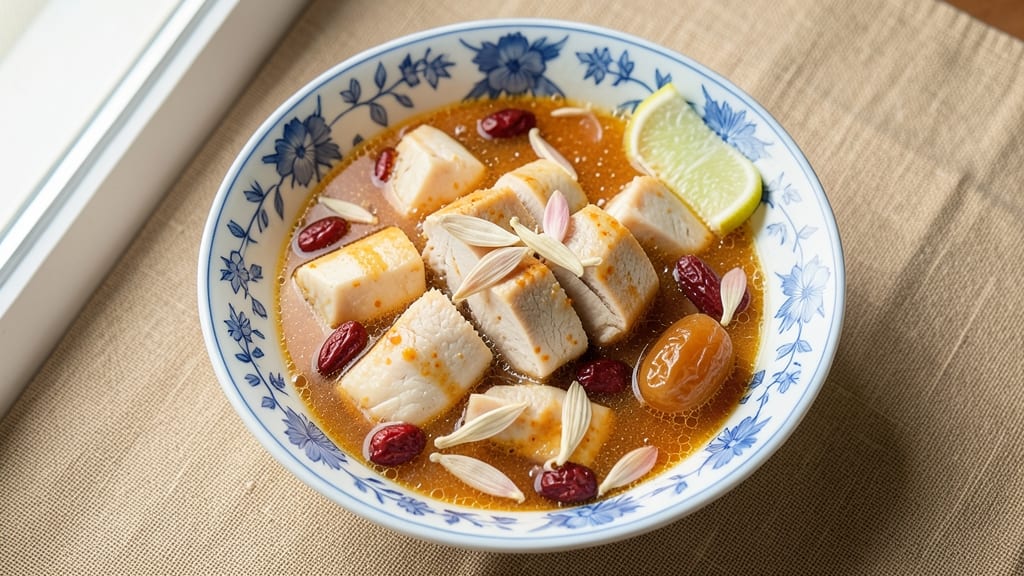
This Ba Zhen soup recipe brings the time-honored warmth of traditional Chinese medicine into your kitchen, blending eight precious herbs with ginger and turmeric for a nourishing broth that soothes both body and soul.
The name "Ba Zhen" translates to "eight treasures," each ingredient—like goji berries, lily buds, and dried longan—working together to create a harmonious balance of sweet, earthy, and slightly bitter flavors.
What makes this recipe special is its ability to transform simple ingredients into a deeply restorative meal that's equally comforting as it is healthful.
At the heart of this dish is the broth, where ginger and turmeric infuse the liquid with their signature warmth and golden hue, while the eight traditional herbs steep slowly to release their medicinal properties.
The protein—whether chicken, pork, or tofu—cooks tenderly in this fragrant broth, absorbing the complex flavors until it's fork-tender and infused with the essence of the herbs.
The key to achieving the perfect balance lies in simmering the soup just long enough to let the ingredients meld without losing their individual qualities, resulting in a dish that's both gentle on the palate and deeply satisfying.
By the time you serve this soup, you'll have created a bowl that's not just a meal, but a moment of care—steaming with aromatic broth, dotted with plump goji berries and delicate lily buds, and crowned with a sprinkle of fresh cilantro for brightness.
The texture is a perfect harmony: the silky broth cradling tender protein and chewy herbs, each bite delivering a symphony of flavors that feel both familiar and deeply nourishing. This is the kind of soup that invites you to slow down, savor, and let its warmth seep into your day.
Perfect for chilly evenings or as a restorative meal after illness, this Ba Zhen soup is equally at home as a light lunch or a comforting dinner. The recipe scales effortlessly, making it ideal for feeding a family or preparing a batch to enjoy over several days.
Here's how to bring this traditional remedy to life in your own kitchen, where every spoonful becomes a reminder of the healing power of food.
Ingredients for ba zhen soup
Eight treasures meet ginger and turmeric for a soul-warming broth that's pure comfort in a bowl.
| Ingredient | Amount | Notes |
|---|---|---|
| Chicken Breast 🍗 | 1 ½ lb | Boneless, skinless, cut into chunks |
| Fresh Ginger 🧄 | 2 tbsp | Grated, organic preferred |
| Turmeric Powder 🌿 | 1 tsp | Freshly ground for vibrant color |
| Goji Berries 🍇 | ½ cup | Dried, organic preferred |
| Dried Lily Buds 🌸 | ¼ cup | Traditional Chinese herb |
| Dried Longan 🍈 | ¼ cup | Sliced, for subtle sweetness |
| Dried Astragalus Root 🌿 | 1 tbsp | Sliced, earthy flavor |
| Dried Wolfberries 🍇 | ¼ cup | Same as goji berries |
| Dried Rehmannia Root 🌿 | 1 tbsp | Sliced, for balance |
| Fresh Cilantro 🌿 | ¼ cup | Chopped, for garnish |
| Green Onion 🧅 | 2 whole | Sliced, for freshness |
| Chicken Broth 💧 | 4 cups | Homemade or low-sodium |
| Sesame Oil 🫒 | 1 tsp | For finishing touch |
| Salt 🧂 | 1 tsp | Sea salt to taste |
The herbs are the heart of this soup—authentic dried ingredients make all the difference. Asian markets carry the best selection of goji berries, lily buds, and longan, but if you're shopping at a regular grocery store, look for organic dried herbs in the bulk section. Fresh ginger and turmeric should be vibrant—no shriveled roots or dull powders. I always buy extra ginger because it freezes beautifully for future soups. The chicken breast can be swapped for pork or tofu, but make sure it's high-quality—free-range chicken or organic tofu adds depth to the broth. For the broth, homemade is ideal, but a good quality low-sodium store-bought version works in a pinch.
No goji berries? Substitute dried cranberries or raisins for sweetness, but the flavor won't be identical. Running short on lily buds? Dried lotus seeds add a similar texture. The turmeric can be swapped for curcumin powder if you're out, but fresh turmeric gives that golden glow. For the cilantro, fresh is best, but if you're not a fan, basil or parsley work in a pinch. The sesame oil is optional but adds that signature nutty aroma—toasted sesame oil is worth the splurge. If you're making this ahead, store the herbs separately and add them fresh when reheating for maximum flavor.
This soup tastes even better the next day as the flavors meld. Store the broth and protein in one container and the herbs separately in the fridge for up to 4 days. Freeze for 3 months if you're prepping for a busy week. I like to double the recipe and freeze half—perfect for those nights when you need a quick, nourishing meal. When reheating, add a splash of water to prevent the broth from thickening too much. The herbs can be toasted lightly in a dry pan before adding to the soup for an extra aromatic boost—worth the extra minute of effort.
Why You'll Love This Recipe
- No-Chop Necessary: The only prep is slicing chicken—no mincing ginger, no dicing veggies. I just scrub the chicken, slice it thin, and toss it in. The ginger goes in whole, and the dried bits (goji, lily buds) just steep like tea. Honestly, it’s the kind of soup that makes me feel lazy and accomplished at the same time.
- Golden Comfort in a Bowl: That turmeric? It’s the star—warming, earthy, with just a hint of sunshine. The chicken stays tender but never mushy, and the dried lily buds add this weirdly satisfying crunch. Between us, I’ve never met a soup that balances savory, sweet, and herbal like this one does.
- Leftovers That Don’t Suck: This soup begs to be made in bulk. The flavors deepen overnight, and reheating it just makes the chicken juicier. I’ll be real: I’ve had it cold the next day, and it’s still spot-on. Plus, the goji berries plump up, so you’re basically getting extra fruit for zero effort.
- Weeknight to Special Occasion: Throw it together on a Tuesday when you’re exhausted, or serve it at a dinner party when you want to look like you tried. The dried ingredients keep it shelf-stable, so I’ve used it to impress coworkers, heal a cold, or just eat something that isn’t takeout. It’s my secret weapon for “I don’t know what I’m doing” moments.
Step-by-step instructions for Ba Zhen soup
This fragrant, warming soup comes together beautifully with just one pot and traditional Chinese herbs.
Prepare the Chicken and Aromatics
Cut the 1.5 lb chicken breast into 1-inch chunks—this ensures even cooking and easy separation later. In a large pot, combine the chicken with the 2 tbsp grated fresh ginger, 1 tsp turmeric powder, and 1 tsp salt. Stir gently to coat the chicken evenly in the spices. The turmeric will give the soup its signature golden hue while adding earthy warmth.
Here's the thing—don't rush this step. Let the chicken and aromatics sit together for 5 minutes while you prepare the remaining ingredients. This allows the turmeric and ginger to begin infusing the chicken, creating deeper flavor right from the start. You'll notice the chicken pieces will look slightly coated in a pale yellow dust—that's your visual cue that the spices are working their magic.
Simmer the Herbal Base
Pour in the 4 cups chicken broth and bring the mixture to a gentle boil over medium-high heat. Once boiling, reduce heat to low and let it simmer uncovered for 20 minutes. This initial simmer helps extract flavors from the chicken and aromatics while preventing the broth from boiling over.
After 20 minutes, add the 0.5 cup goji berries, 0.25 cup dried lily buds, 0.25 cup dried longan, 1 tbsp dried astragalus root, 0.25 cup dried wolfberries, and 1 tbsp dried rehmannia root. These traditional Chinese herbs will infuse the broth with their unique properties—goji berries for sweetness, lily buds for floral notes, and astragalus for earthy depth. Stir gently to distribute the herbs evenly throughout the broth.
Cook Until Chicken is Tender
Continue simmering on low heat for another 25-30 minutes, or until the chicken is fork-tender and easily separates at the bone. You'll know it's ready when you can pierce a piece with a fork and it offers minimal resistance. The soup should now have a rich, aromatic fragrance that fills your kitchen—this is the moment that matters.
If you notice the broth reducing too quickly, add ½ cup hot water to maintain the proper consistency. The herbs should be softened but still recognizable—this ensures they've released their flavors without becoming mushy. I press down gently on the chicken pieces during the last 10 minutes to help them cook through evenly.
Finish with Fresh Herbs and Oil
Once the chicken is perfectly tender, remove the pot from heat and let it sit for 5 minutes to allow the flavors to meld. Using a slotted spoon, transfer the chicken to a serving platter and tent loosely with foil to keep warm. Skim any foam or excess herbs from the surface of the broth if needed.
Return the pot to low heat and stir in the 1 tsp sesame oil. This final touch adds a nutty aroma and subtle depth of flavor. Just before serving, add the 0.25 cup chopped fresh cilantro and 2 sliced green onions, stirring gently to incorporate. The fresh herbs will brighten the soup and provide a beautiful contrast to the warm, earthy flavors of the broth.
Serve with Confidence
Ladle the fragrant ba zhen soup over the chicken chunks, ensuring each serving gets an equal share of both the tender meat and flavorful broth. The soup should be aromatic, with a balance of sweet, earthy, and slightly spicy notes from the herbs. Taste and adjust seasoning with additional salt if needed—though the herbs and chicken should already be perfectly balanced.
Serve immediately while hot, garnished with extra cilantro and green onions if desired. This soup is best enjoyed fresh, when the aromas are most vibrant and the flavors are at their peak. The combination of tender chicken, fragrant herbs, and warming broth makes this a truly comforting dish that's perfect for any occasion.
Pro Tips For Making Ba Zhen Soup
- Blanch Chicken First: Toss the chicken breast in simmering water for 30 seconds before adding it to the soup—this guarantees even cooking and prevents dryness. I learned this the hard way when my first batch turned out rubbery because I skipped it.
- Slice Ginger Thin: Use a mandoline or sharp knife to cut ginger into paper-thin slices, not chunks. Thin layers infuse flavor without overpowering the broth, and they soften faster so the soup stays balanced.
- Toast Goji Berries: Dry-toast goji berries in a separate pan for 30 seconds until fragrant—this removes bitterness and intensifies their sweetness. Skip this, and they’ll taste like medicine instead of a delicate complement.
- Simmer Low and Long: After adding turmeric and lily buds, reduce heat to a bare simmer and let it cook uncovered for 40 minutes. Rushing this step makes the broth cloudy and dulls the earthy depth of the ingredients.
Flavor customization for this recipe
Sweet & Tangy Twist
Add 1 tbsp honey or agave syrup during the final 5 minutes of simmering to enhance the natural sweetness of the goji berries and longan. For tanginess, stir in 1 tsp rice vinegar or lemon zest just before serving—this brightens the earthy flavors beautifully.
I love this combo for a more complex flavor profile that still feels balanced. 🍯
Spicy Kick
For heat lovers, add ½ tsp chili flakes or 1 thinly sliced fresh chili (like Thai bird’s eye) during the initial 20-minute simmerg. Alternatively, stir in 1 tsp chili crisp just before serving for a smoky-spicy finish.
The ginger and turmeric already provide warmth, so start with a small amount and adjust to taste. 🌶️
Umami Boost
Deepening the umami is easy—add 1 tsp soy sauce or 1 tbsp dark soy sauce during the final 10 minutes of cooking. For extra richness, stir in 1 tsp mushroom powder (like shiitake or oyster) when adding the herbs.
This works especially well if you’re using tofu instead of chicken. 🍄
Vegetable Enhancements
For a heartier soup, add ½ cup sliced shiitake mushrooms or bok choy during the last 10 minutes of cooking. The mushrooms absorb the broth’s flavors beautifully, while bok choy adds a fresh, slightly bitter contrast. I often use both for texture and nutrition. 🥬
Herbal Variations
Swap one or two of the traditional herbs for others with similar properties. Replace rehmannia root with dang gui (Chinese angelica) for a sweeter, blood-nourishing flavor. Or, add dried chrysanthemum flowers for a delicate floral note. Always check your herb supplier’s recommendations for substitutions. 🌿
Protein Swaps
Use pork shoulder instead of chicken for a richer, fattier broth that’s perfect for cold days. For a vegetarian option, swap in firm tofu or shiitake mushrooms—just press the tofu first to remove excess water. The herbs will still infuse beautifully, though the texture will differ slightly. 🍛
Nutrition facts
Frequently asked questions about Ba Zhen soup
What does "Ba Zhen" mean in this soup's name?
"Ba Zhen" translates to "eight treasures" in Chinese, referring to the eight traditional herbs used in this nourishing soup. These include goji berries, lily buds, longan, astragalus, wolfberries, rehmannia, plus the aromatic ginger and turmeric that elevate the dish beyond simple herbal tea. Each ingredient brings unique health benefits while creating a harmonious flavor profile.
Can I make this soup vegetarian?
Replace the chicken with firm tofu or shiitake mushrooms for a plant-based version. Press the tofu first to remove excess water, then slice it into similar-sized pieces. The herbs will infuse beautifully into the broth, though the texture will be slightly different. For extra umami, add 1 tsp mushroom powder when simmering.
How do I know when the chicken is fully cooked?
The chicken is perfectly done when it reaches an internal temperature of 165°F and becomes fork-tender. You'll know it's ready when you can easily pierce a piece with a fork and it offers minimal resistance. The soup should also have a rich, aromatic fragrance that fills your kitchen—this is your best indicator of proper cooking.
Can I prepare this soup ahead of time?
Yes! Store the cooked soup in an airtight container in the fridge for up to 4 days. For longer storage, freeze for 3 months. When reheating, add a splash of water to prevent thickening. Keep the herbs separate and add them fresh when reheating to preserve their texture and flavor. The soup actually tastes better the next day as flavors meld!
What if I can't find all the traditional herbs?
No worries! You can make substitutions while keeping the soup's essence. For goji berries, use dried cranberries or raisins for sweetness. Replace lily buds with dried lotus seeds. For rehmannia root, try dang gui (Chinese angelica). Always check with your herb supplier for recommendations. The key is maintaining the balance of sweet, earthy, and floral notes in the broth.