
Soups & Stews
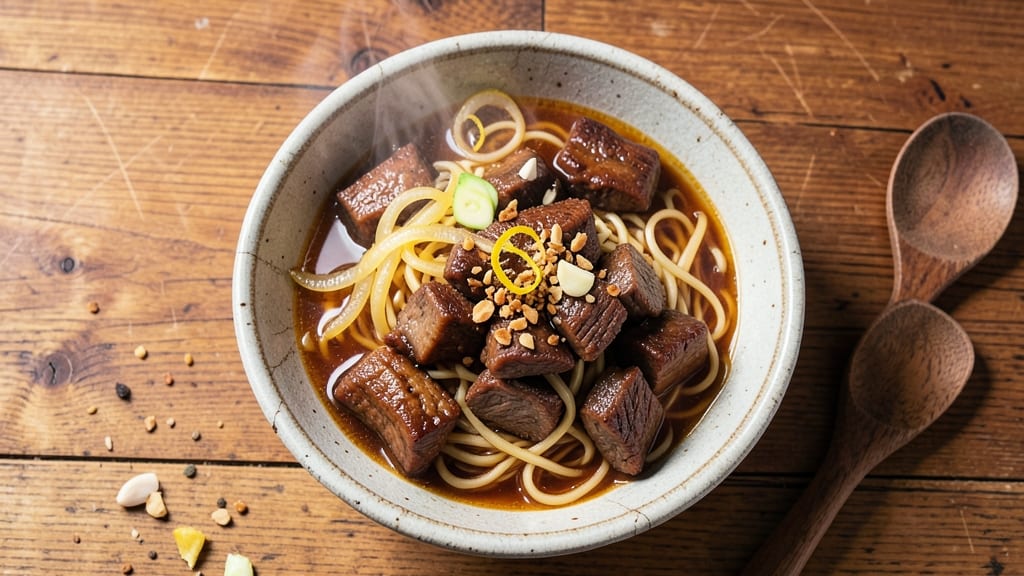
Filipino beef noodle soup delivers the kind of comforting, deeply flavorful broth that turns weeknight dinners into celebrations. The secret lies in slow-braising beef with garlic, soy sauce, and aromatic spices until it’s fork-tender, then combining it with chewy noodles and fresh vegetables for a harmonious balance of savory, umami, and bright acidity. This recipe captures the soul of Filipino home cooking—where every spoonful is packed with layers of garlic, soy, and a touch of tang that makes it impossible to stop eating.
The magic starts with the broth, where beef simmers for hours until it falls apart, releasing its rich, gelatinous essence into the liquid. Soy sauce and fish sauce (patis) create that signature umami depth, while garlic and ginger infuse the broth with warmth.
The noodles—traditionally egg noodles—absorb the flavorful liquid, turning each bite into a symphony of textures and tastes. What sets this apart is the balance: the broth isn’t just salty or garlicky, but a perfect blend of all the flavors that define Filipino comfort food.
By the time you’re done, you’ll have a steaming bowl of soup with tender beef, slippery noodles, and vibrant vegetables—each component working together to create a dish that’s both hearty and light.
The aroma alone will have everyone gathering around the table, and the first sip will confirm why this is a staple in Filipino households. It’s the kind of meal that feels like a hug in a bowl, perfect for cold days or whenever you crave something deeply satisfying.
Serve it with a sprinkle of green onions, a squeeze of calamansi (or lime), and a dash of chili flakes for heat. The leftovers taste even better the next day, as the flavors meld into something even more complex.
This isn’t just soup—it’s a taste of home, no matter where you are.
Ingredients for beef noodle soup filipino
Six hearty ingredients make this Filipino beef noodle soup unforgettable—rich, garlicky, and packed with umami.
| Ingredient | Amount | Notes |
|---|---|---|
| Beef Chuck Roast 🥩 | 2 lb | Cut into 1-inch cubes |
| Egg Noodles 🍜 | 1 lb | Medium width, uncooked |
| Yellow Onions 🧅 | 2 whole | Sliced into half-moons |
| Garlic Cloves 🧄 | 8 cloves | Minced, fresh preferred |
| Fresh Ginger 🌿 | 1 inch | Peeled, sliced thinly |
| Fish Sauce (Patis) 🍶 | 2 tbsp | Reduction-grade preferred |
| Soy Sauce 🥄 | ½ cup | Regular or light soy |
| Calamansi Juice 🍋 | ¼ cup | Or substitute lime juice |
| Carrots 🥕 | 3 whole | Baby carrots or sliced |
| Green Onions 🧅 | ¼ cup | White and green parts |
| Bay Leaves 🌿 | 2 whole | Dried, for infusion |
| Black Peppercorns 🌶️ | 1 tsp | Crushed lightly |
| Salt 🧂 | 1 ½ tsp | Adjust to taste |
| Vegetable Oil 🫒 | 2 tbsp | For searing beef |
| Chili Flakes 🔥 | 1 tsp | Optional, for serving |
The beef is everything. Chuck roast is the gold standard—it’s tough enough to develop that signature fork-tender texture when braised. Filipino markets or Asian grocery stores usually carry it pre-cut, but if you’re at a regular supermarket, ask for it at the meat counter. Look for good marbling—this means more flavor. I always buy mine in bulk from 99 Ranch or H Mart because it’s cheaper per pound, and I can freeze half for next time. If you can’t find chuck, chuck-eye or brisket work too, but trim any excess fat.
No fish sauce? Soy sauce plus a splash of Worcestershire gets you close, but it won’t have that same deep umami punch. Calamansi is the magic tang—if you can’t find it at a Filipino market, lime or even lemon juice will work, though it’s not quite the same. The noodles? Egg noodles are traditional, but spaghetti or even ramen noodles in a pinch will still taste amazing. For the garlic, peel and smash the cloves with the flat side of your knife before mincing—it releases more flavor. And if your ginger is old and fibrous, microwave it for 20 seconds to soften before slicing.
This soup tastes even better the next day—3-4 days in the fridge, honestly. I always make a double batch because it’s perfect for leftovers. Store the broth and beef separately, then reheat with fresh noodles when serving. The broth freezes beautifully too—just thaw it in the fridge overnight. For serving, garnish with chopped green onions and a sprinkle of chili flakes. If you’re feeling fancy, add a fried egg on top—Filipino-style! The noodles should be al dente, so cook them just 1 minute less than package instructions and finish in the hot broth.
Why You'll Love This Recipe
- 20-Minute Prep: I swear, the hardest part is slicing the onions—then it’s just simmering. No fancy techniques, no last-minute scrambling for ingredients. The beef chuck roast practically melts itself into tender perfection while you chop, and those egg noodles cook in the same pot. (Yes, even on a Tuesday night.)
- Umami Bomb: That first sip? Chef’s kiss. The beef chuck roast breaks down into rich, jelly-like strands, while the garlic, ginger, and onions caramelize into a deep, savory base. Honestly, the balance of salty, sweet, and spicy hits differently—like a warm hug in bowl form.
- Lunchbox Hero: Between us, this is my go-to for meal prep. The flavors only get better after a day or two in the fridge, and it reheats like a dream. Pack it in thermoses for work or school—no sad, soggy leftovers here. My daughter picks out the ginger slices (she’s weird about texture), but she still asks for seconds.
- Budget Win: A single beef chuck roast stretches to feed four, and the rest of the ingredients cost pennies. I’ll be real: this is how I stretch my grocery budget without sacrificing taste. Plus, the noodles are cheap, the beef is hearty, and the leftovers? They’re basically free dinners for the week.
Step-by-step instructions for Filipino beef noodle soup
Let's build this rich, aromatic soup where tender beef and fragrant aromatics blend into a deeply savory broth.
Sear the Beef for Deep Flavor
Heat a heavy pot or Dutch oven over medium-high heat and add the 2 tablespoons vegetable oil. Once shimmering, add the 2 lb beef chuck roast cut into 1-inch cubes in batches, working in 30-second intervals to avoid overcrowding. This step is crucial—you want the beef to develop a rich brown crust.
Sear each batch for 2-3 minutes per side until deeply browned. The beef should release easily from the pot when ready. Transfer the seared beef to a plate and set aside. You'll notice the pot has beautiful browned bits clinging to the bottom—this is where all the flavor lives. Don't wipe it out; we'll use it to build our broth.
Build the Aromatic Base
In the same pot, add the 2 whole yellow onions sliced into half-moons, 8 cloves garlic minced, and 1-inch fresh ginger sliced thinly. Stir constantly for 3-4 minutes until the onions soften and the garlic becomes fragrant. You'll smell that wonderful combination of sweet onions, pungent garlic, and spicy ginger—this is the foundation of our soup's flavor.
Add the 2 whole bay leaves and 1 teaspoon crushed black peppercorns, stirring for another 30 seconds to toast the spices. The bay leaves will infuse their earthy flavor, while the peppercorns add a subtle warmth. This is where the magic begins—all those aromatics melding together in the pot.
Braise the Beef with Soy and Fish Sauce
Pour in the ½ cup soy sauce and 2 tablespoons fish sauce (patis), scraping up all those browned bits from the bottom of the pot. Add 3 cups water (enough to almost cover the beef) and bring to a gentle boil. Once boiling, reduce heat to low and cover partially.
Simmer for 1 hour, stirring occasionally, until the beef is fork-tender. You'll know it's ready when it pulls apart easily with a fork. Here's the thing—don't rush this step. The long, slow cooking breaks down the beef's connective tissue, creating that melt-in-your-mouth texture we all love. If the liquid reduces too much, add a little more water to keep the beef submerged.
Finish with Vegetables and Acidic Brightness
Add the 3 whole carrots sliced and 1½ teaspoons salt to the pot. Simmer uncovered for another 15-20 minutes until the carrots are tender but still hold their shape. The broth should now be rich and deeply flavored, with the beef falling apart easily.
Stir in the ¼ cup calamansi juice (or substitute lime juice) and ½ cup green onions chopped. The acidity from the calamansi brightens the dish, cutting through the richness of the beef and soy. Taste and adjust seasoning if needed—you might want to add a splash more soy sauce or a pinch of salt to balance the flavors. This is where you can really make the soup sing.
Cook the Noodles and Serve
In a separate pot, bring 4 cups water to a rolling boil and add the 1 lb egg noodles. Cook according to package instructions until al dente, then drain and rinse briefly with cold water to stop the cooking process. The noodles should be tender but still have a slight bite.
Divide the noodles among bowls, then ladle the hot beef broth and vegetables over the top. Garnish with the remaining ¼ cup green onions chopped and serve immediately with the 1 teaspoon chili flakes on the side for those who like a little heat. The contrast of the warm, rich broth with the slightly cool noodles is what makes this dish so comforting and satisfying.
Pro Tips For Making Beef Noodle Soup Filipino
- SEAR THE BEEF FIRST: I learned this the hard way—skipping the sear means your soup will taste like it’s missing something. Cut the beef chuck into 2-inch chunks, pat them dry, and brown them in batches over medium-high heat with 1 tablespoon of oil per side. The crust locks in flavor and keeps the meat tender, not rubbery.
- GRATE THAT GINGER: Sounds weird, but it works: skip the minced ginger and grate it fresh instead. Use the fine side of a box grater for about 2 tablespoons of ginger—it dissolves smoothly and adds a bright, aromatic punch without clumps. (Yes, even if you’re impatient like me.)
- LOW AND SLOW FOR TENDERNESS: After browning, add onions, garlic, and ginger, then pour in just enough water to cover the beef. Bring to a boil, then immediately reduce to a bare simmer—no rolling boil. Cover and cook for 2.5 to 3 hours. I used to rush this, and the beef turned out chewy. Patience here makes all the difference.
- RESERVE THE NOODLE WATER: Drain your cooked egg noodles, but save a splash of that starchy water. Stir it into the soup at the end—it thickens the broth just enough to coat the noodles without turning gluey. (Your future self will thank you for this tiny effort.)
Wine and beer pairings for these flavors
Filipino-Style White Wine
Filipino beef noodle soup pairs beautifully with crisp, aromatic white wines that complement its garlicky, umami-rich broth. Look for a dry Riesling from Germany or Austria—its bright acidity and subtle honey notes cut through the soy and fish sauce while enhancing the beef's tenderness.
I love a Kabinett-level Riesling like Dr. Loosen Blue Slate or Chateau Ste. Michelle, which balances the dish's depth without overpowering it. The wine's slight sweetness also echoes the calamansi's tang, creating a harmonious finish. 🍷
Light-Bodied Reds
If you prefer red wine, opt for a Pinot Noir with earthy, red-fruit flavors that won’t clash with the soup’s aromatics. A Willamette Valley Pinot like Domaine Serene or La Crema offers bright acidity and silky tannins that pair wonderfully with the beef’s richness.
Avoid heavy Cabernets—this soup needs a wine that’s light enough to let the garlic and ginger shine through. The red fruit notes in Pinot Noir also mirror the carrots and beef beautifully.
Filipino-Inspired Beer Pairings
For beer lovers, a Filipino lager like San Miguel Light or Red Horse is a perfect match—its crisp, clean profile lets the soup’s flavors take center stage. If you can’t find these, a Belgian witbier (like Hoegaarden) adds a refreshing citrusy note that complements the calamansi.
For something heartier, try a German Helles—its malty sweetness balances the soup’s savory depth without overpowering it. 🍺
Non-Alcoholic Options
Skip the alcohol? No problem! A sparkling yuzu soda (like San Pellegrino Aranciata Rossa) adds a citrusy fizz that mirrors the calamansi’s brightness. For something warmer, brew hibiscus tea (sorbete de rosa) with a splash of honey—its tartness and floral notes enhance the soup’s umami.
Even a simple iced green tea with lemon slices works wonders, cleansing the palate between bites. The key is balancing the soup’s richness with something light and refreshing.
Pro Tips for Pairing
Serve wine or beer slightly chilled—around 50-55°F for whites and 55-60°F for reds—to preserve their crispness. Pour just 4-5 ounces per glass to avoid overwhelming the soup’s delicate flavors.
If you’re serving a crowd, offer a wine flight with Riesling, Pinot Noir, and a Filipino lager—let guests discover their favorite match. And remember: the best pairing is the one you enjoy most, so trust your taste buds! ✨
Nutrition facts
Frequently asked questions
Can I use a different type of beef for this Filipino beef noodle soup?
While chuck roast is ideal for its rich flavor and texture, you can substitute with brisket, short ribs, or even oxtail for extra richness. Avoid lean cuts like sirloin—they won't develop the same tender, fall-apart texture when braised. If using oxtail, simmer it longer (2-3 hours) to break it down completely.
What can I do if my broth isn't flavorful enough?
Boost the depth by adding 1-2 tablespoons of soy sauce or fish sauce at the end, or a splash of calamansi/lime juice for brightness. For extra umami, stir in 1 teaspoon of oyster sauce or a dash of MSG. If the broth is too thin, simmer uncovered for 10-15 minutes to reduce it—just don't let it burn!
How do I make this soup spicier?
Add 1-2 teaspoons of chili flakes or chopped fresh chili peppers while simmering the beef. For heat lovers, stir in 1/2 teaspoon of ground black pepper or a dash of sriracha at the end. Garnish with extra chili flakes or serve with sambal oelek on the side for customizable heat.
Can I prepare this soup ahead of time?
The broth and beef keep well in the fridge for 3-4 days or freeze for up to 3 months. Cook the noodles fresh when serving—just reheat the broth with beef, add fresh noodles, and garnish. The flavors actually improve overnight as the ingredients meld together.
What's the best way to reheat leftovers?
Gently reheat the broth and beef on the stove over low heat until steaming. Add 1-2 tablespoons of water or broth if it's too thick. Cook fresh noodles separately and assemble the bowls just before serving. Microwaving works in a pinch, but the texture suffers—always reheat the broth first for the best results.