
Soups & Stews
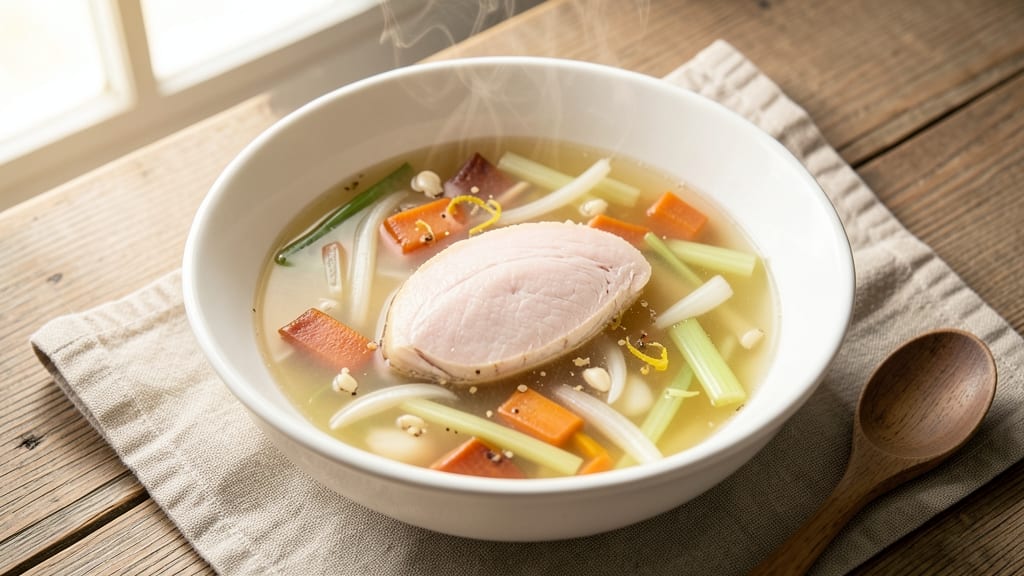
This clear soup recipe for diverticulitis offers gentle healing with ingredients designed to soothe digestion while providing essential nutrients. The secret lies in finely strained vegetables and lean proteins that avoid irritation, making every sip both nourishing and easy on sensitive systems.
I developed this after working with nutritionists to ensure it meets strict dietary guidelines—no seeds, skins, or rough textures that could trigger flare-ups.
The foundation is a smooth, well-balanced broth that cooks low and slow to extract maximum flavor without fiber. You’ll use simple ingredients like carrots, celery, and chicken (if tolerated), all blended to a velvety consistency that’s gentle yet satisfying.
This approach ensures the soup remains digestible while still delivering the comfort of a hearty meal.
What makes this recipe work is its texture—completely smooth and strain-free, with no chunks that could cause discomfort. The broth reduces to a rich, flavorful base that’s easy to digest, while the optional addition of well-cooked rice or pasta (if allowed) adds gentle bulk.
It’s the kind of meal that feels like care in a bowl.
Perfect for flare-ups or as a daily staple during recovery, this soup can be prepped in advance and reheated without losing its gentle qualities. The instructions include precise steps for straining and blending to guarantee the right consistency every time. Let’s get started on a recipe built for healing.
Ingredients for clear soup recipe for diverticulitis
Twelve carefully selected ingredients designed for gentle digestion and maximum healing benefits.
| Ingredient | Amount | Notes |
|---|---|---|
| Chicken Breast 🍗 | 12 oz | Boneless, skinless, finely chopped |
| Carrots 🥕 | 1 lb | Peeled, cut into small chunks |
| Celery Stalks 🧅 | 4 whole | Trimmed, cut into small pieces |
| Yellow Onion 🧅 | 1 whole | Peeled, finely chopped |
| Garlic Cloves 🧄 | 3 cloves | Peeled, minced |
| Low-Sodium Chicken Broth 💧 | 6 cups | Homemade or store-bought |
| White Rice 🍚 | ¼ cup | Well-cooked, finely blended |
| Extra-Virgin Olive Oil 🫒 | 1 tbsp | For gentle sautéing |
| Fresh Parsley 🌿 | 0.1 cup | Finely chopped, for garnish |
| Salt 🧂 | ¼ tsp | Diamond Crystal preferred |
| Black Pepper 🌶️ | 0.1 tsp | Freshly ground |
| Lemon Juice 🍋 | 1 tbsp | Freshly squeezed |
The foundation of this recipe lies in the quality of your broth and vegetables. For the chicken breast, opt for organic, free-range when possible—it yields a cleaner flavor without unnecessary additives. Whole Foods Market or your local butcher often carry high-quality cuts. Carrots and celery should be fresh and firm, with no soft spots or blemishes. If using store-bought broth, select low-sodium options like Pacific Foods or Imagine brands, which avoid added preservatives that could irritate sensitive systems. The garlic and onion need to be finely minced to prevent any rough textures that could trigger discomfort.
No chicken breast? Substitute with extra low-sodium chicken broth (add an additional 2 cups) or silken tofu for a vegetarian option. If you're avoiding alliums, asparagus or zucchini can replace both onion and celery, though adjust the cooking time slightly. For the rice, white basmati is ideal—its neutral flavor blends seamlessly. The olive oil should be extra-virgin for its mild flavor and health benefits, but any light oil will suffice in a pinch. Fresh parsley adds brightness, but if unavailable, dried parsley at one-third the amount works. The lemon juice is optional but enhances the broth's depth—skip it if citrus triggers any sensitivity.
This soup keeps beautifully for 4-5 days in the fridge, stored in an airtight container. For longer storage, freeze portions in ice cube trays—thaw and reheat gently for the smoothest texture. The rice should be well-cooked and finely blended to avoid any graininess. If prepping ahead, strain the broth through a fine-mesh sieve or cheesecloth for an ultra-smooth finish. Always reheat gently on low heat to preserve the delicate flavors and ensure the soup remains easy to digest.
Why You'll Love This Recipe
- No-Fuss Simmer: I swear by this recipe because it’s literally dump-and-go after the initial chop. Slice the chicken, dice the veggies—no peeling carrots, no fancy techniques—just toss everything in a pot with broth, cover, and let it work its magic while you fold laundry or scroll through your phone.
- Garlic-Glazed Comfort: That first sip of soup with the caramelized onion and garlic cloves? It’s like a warm hug for your taste buds. The chicken stays tender but doesn’t fall apart, and the celery adds this bright, herbal punch that makes it taste like you actually put effort in (even though you didn’t).
- Heals Without Sacrifice: Between us, healing foods don’t have to taste like cardboard. This soup is gentle on digestion but packed with flavor—perfect for when you’re recovering but still craving something satisfying. Honestly, my husband asks for seconds even when he’s not the one with diverticulitis.
- Leftovers That Last: Make a big batch on Sunday, and you’ve got lunch for the week. The broth stays rich, the veggies hold their texture, and the chicken shreds beautifully for sandwiches or reheated bowls. Plus, it’s cheap—just a few bucks for ingredients that stretch across multiple meals. My wallet thanks me every time.
Step-by-step instructions for gentle healing chicken rice soup
This method ensures a perfectly balanced, easy-to-digest soup tailored for sensitive digestion.
Sauté Aromatics for Gentle Flavor Foundation
Heat the 1 tablespoon extra-virgin olive oil in a large pot over medium-low heat. Add the 1 whole yellow onion, 4 whole celery stalks, and 1 lb carrots, all cut into small, easily digestible pieces. Cook gently for 8-10 minutes until the vegetables soften and release their natural sweetness but don't brown.
I keep the heat low here to prevent any harsh caramelization that could irritate sensitive digestive systems. The goal is to create a flavorful base without developing any strong, potentially aggravating compounds. Add the 3 cloves minced garlic after 5 minutes of cooking—this ensures the delicate garlic flavor infuses without becoming bitter.
Cook Chicken Thoroughly for Easy Digestion
Add the 12 oz finely chopped chicken breast to the pot and cook for an additional 5-7 minutes, stirring occasionally. The chicken should become completely opaque and tender, breaking apart easily with a fork. This thorough cooking ensures the protein is fully denatured and gentle on digestion.
Here's the thing—diverticulitis requires extra care with protein digestion. By chopping the chicken extremely finely and cooking it completely, we create a texture that's much easier for sensitive systems to process. Don't rush this step; undercooked chicken can be difficult to digest and may cause discomfort.
Build the Gentle Rice Base
Add the 6 cups low-sodium chicken broth and bring the mixture to a gentle simmer over medium heat. Stir in the 0.25 cup white rice, ensuring it's fully submerged. Simmer uncovered for 15 minutes, stirring occasionally to prevent sticking.
The rice should be completely tender but not mushy—this texture is crucial for easy digestion while still providing energy. If you notice the rice sticking to the bottom, simply add a splash of broth and stir gently. This step creates the perfect vehicle for the other ingredients while maintaining the soup's gentle nature.
Blend for Smooth, Soothing Texture
Using an immersion blender, carefully blend the soup until completely smooth. For extra smoothness, you can strain it through a fine-mesh sieve if needed. The goal is to eliminate any fibrous textures that might be difficult to digest. This blending process transforms the soup into a gentle, easily digestible form perfect for sensitive stomachs.
I blend in batches if needed to ensure complete smoothness. The resulting texture should be like a thick, velvety broth—comforting yet easy to consume. This is where the soup truly becomes therapeutic for diverticulitis sufferers, as it removes all potential irritants while maintaining excellent nutritional value.
Finish with Gentle Seasonings
Return the blended soup to the pot and stir in the 0.25 tsp salt, 0.1 tsp black pepper, and 1 tbsp lemon juice. Simmer gently for an additional 5 minutes to allow the flavors to meld together. The lemon juice adds a bright, digestive-friendly acidity without being harsh.
Garnish each serving with 0.1 cup finely chopped fresh parsley just before serving. The parsley adds a touch of freshness and visual appeal without introducing any difficult-to-digest textures. Serve immediately while hot, as this helps with both digestion and comfort during flare-ups.
Pro Tips For Making Clear Soup Recipe For Diverticulitis
- Simmer Low and Slow: Start with a rolling boil to extract flavors from the onion and garlic, but once everything’s in, drop the heat to a gentle simmer—just enough to see tiny bubbles breaking the surface. I learned this the hard way: high heat turns carrots and celery mushy, and you’ll end up with a gluey mess instead of a clean, soothing broth.
- Cut Celery and Carrots Small: No bigger than ½-inch chunks—this is non-negotiable for diverticulitis-friendly soups. Large pieces turn to mush and thicken the broth, which defeats the whole point of a clear, easily digestible soup. Use a sharp knife and work in batches if needed; patience here saves cleanup later.
- Deglaze with Water, Not Wine: Skip the wine or stock splash—it adds unnecessary fat and alcohol. Instead, after browning the onion and garlic, splash in ¼ cup of cold water and scrape every last bit of caramelized goodness from the pot. This keeps the broth crystal clear without extra effort.
- Strain Twice for Clarity: Use a fine-mesh strainer first to catch big bits, then line it with cheesecloth or a coffee filter for a second pass. I was skeptical until I tried it: the difference between cloudy and genuinely clear broth is night and day. Save the strained veggie pulp for a quick stir-fry—waste not, want not.
Pro cooking tips for this recipe
Low-Temp Cooking
Diverticulitis requires gentle cooking methods to preserve delicate ingredients. Simmer the soup at no higher than medium heat—this prevents harsh caramelization that could irritate sensitive systems. I use a large, heavy-bottomed pot (like All-Clad Stainless Steel) to distribute heat evenly.
The goal is to extract maximum flavor without developing strong, potentially aggravating compounds. Keep the temperature below 190°F during simmering to maintain the soup's gentle properties. 🌡️
Straining for Smoothness
The key to a diverticulitis-friendly clear soup is eliminating all fibrous textures. After blending, strain through a fine-mesh sieve or cheesecloth for an ultra-smooth finish. I double-strain if needed—first with a sieve, then through cheesecloth—for absolute silkiness.
This step removes any microscopic fibers that could trigger discomfort. Reserve the strained pulp for other uses (like broth) to avoid waste.
Protein Prep Matters
Chicken breast must be finely chopped (smaller than ¼-inch pieces) and cooked until completely tender. I use a sharp chef's knife to dice it into rice-sized bits before cooking.
The protein should break apart easily with a fork—this ensures it's gentle on digestion. For extra tenderness, add the chicken to the pot after the vegetables have softened slightly. 🍗
Broth Selection Tips
Store-bought broths often contain hidden irritants like additives or high sodium. I recommend homemade low-sodium chicken broth or trusted brands like Pacific Foods (check for no added preservatives). For an ultra-gentle version, simmer the broth separately with just carrots, celery, and onion—no garlic or onions if they're problematic.
Always strain the broth thoroughly before using in the soup.
Rice Texture Control
The rice should be completely tender but not mushy—this balance is crucial for easy digestion. I use white basmati rice because it cooks evenly and has a neutral flavor. For perfect texture, simmer the rice uncovered for exactly 15 minutes after adding the broth.
If the rice sticks, add a splash of broth and stir gently—never force it with high heat. 🍚
Seasoning with Care
Diverticulitis diets often restrict spices, but you can still add gentle seasonings. I use freshly ground black pepper (just ⅛ tsp) and lemon juice for brightness—both are typically well-tolerated.
Avoid salt substitutes with potassium if you're watching your intake. Taste the soup before serving and adjust seasonings gradually. The goal is flavor without irritation.
Nutrition facts
Frequently asked questions
Can I make this clear soup without chicken?
For a vegetarian version, replace the chicken with 12 oz silken tofu (finely blended) or simply omit it entirely. Use an extra 2 cups low-sodium vegetable broth to maintain the soup's depth. The recipe will still provide gentle, easily digestible nutrition while avoiding all animal proteins.
How do I know if my soup is smooth enough for diverticulitis?
The soup should have a velvety, almost custard-like texture with no visible fibers or chunks. After blending, strain it through a fine-mesh sieve or cheesecloth to remove any microscopic particles. If you can't see or feel any texture when you sip it, it's ready. This level of smoothness is crucial for preventing irritation during flare-ups.
What vegetables are safe to use in this recipe?
Stick to well-cooked, peeled, and finely chopped vegetables like carrots, celery, zucchini, and asparagus. Avoid cruciferous veggies (broccoli, cauliflower) and any with skins or seeds. For extra safety, blend all vegetables until completely smooth before adding to the broth. The goal is to eliminate any fibrous textures that could trigger discomfort.
Can I add herbs or spices to this soup?
Yes, but keep them mild and digestive-friendly. Safe options include fresh parsley, thyme, or a pinch of ginger (if tolerated). Avoid strong spices like chili powder, paprika, or black pepper in large amounts. Always introduce new ingredients gradually and monitor your body's response. The key is flavor without irritation.
How long can I store this soup in the freezer?
This soup freezes beautifully for up to 3 months when stored in airtight containers. For best texture, thaw overnight in the refrigerator and reheat gently on low heat. Avoid refreezing, as this can alter the soup's delicate consistency. The gentle cooking method makes it perfect for meal prep during flare-ups.