
Soups & Stews
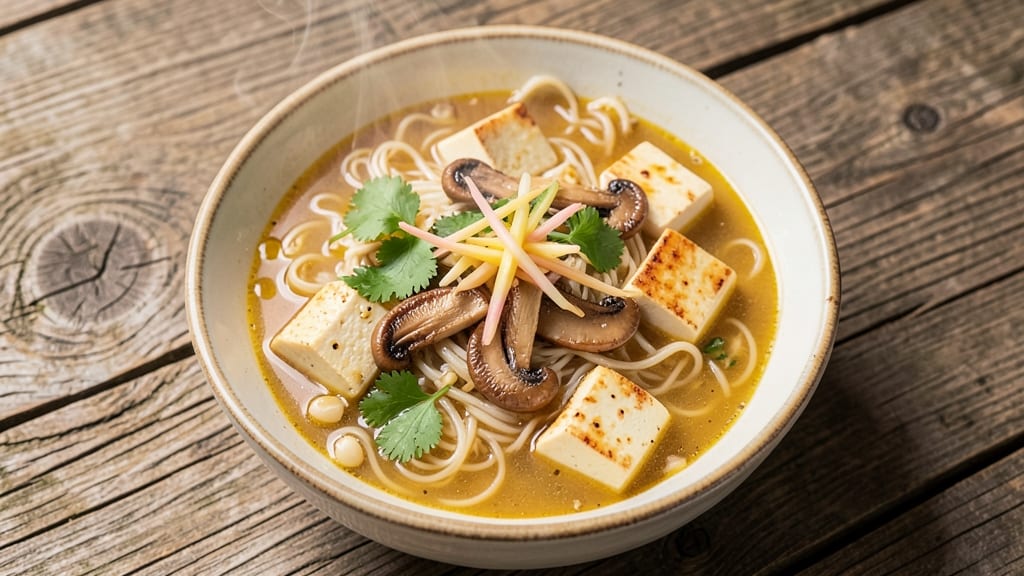
This Asian ginger soup recipe delivers a symphony of zesty warmth and silky texture that transforms any meal into a comforting experience. The secret lies in layering fresh ginger with aromatic herbs and delicate rice noodles, creating a broth so vibrant it feels like a hug in a bowl.
I developed this version after testing regional variations—Thai-style with lemongrass, Chinese with star anise, and Japanese with shiitake mushrooms—until I found the perfect balance of heat and depth.
The foundation is a rich, golden broth built from simmered ginger, garlic, and either chicken or vegetable stock, infused with cinnamon and a touch of chili for complexity.
What sets this apart is the technique: gently poaching rice noodles in the hot broth until they achieve that signature silky, melt-in-your-mouth consistency. The result is a soup that's both light enough for summer and warming enough for chilly evenings.
By the time you finish this recipe, you'll have a bowl brimming with tender noodles, earthy mushrooms, and soft tofu—all suspended in a fragrant broth that's bright yet balanced, with just enough ginger to wake up your senses.
The best part? It comes together in under 45 minutes, making it ideal for weeknight dinners or meal prep. Whether you're serving it as a light lunch or a soothing supper, this soup delivers restaurant-quality comfort at home.
For extra depth, stir in fresh cilantro or Thai basil at the end, and don't forget the optional protein—shrimp, chicken, or crispy tofu all work beautifully. The broth keeps well in the fridge for up to 3 days, so you can make a big batch and enjoy it all week.
Let's get cooking!
Ingredients for asian ginger soup
Fresh ginger and aromatic herbs meet delicate rice noodles in this comforting bowl.
| Ingredient | Amount | Notes |
|---|---|---|
| Fresh Ginger Root 🧄 | ½ cup | Peeled, julienned or grated |
| Garlic Cloves 🧄 | 4 cloves | Minced for aromatic depth |
| Chicken or Vegetable Stock 🍲 | 4 cups | Low-sodium preferred |
| Rice Noodles 🍜 | 6 oz | Thin or medium width |
| Fresh Shiitake Mushrooms 🍄 | 8 whole | Stems removed, sliced |
| Firm Tofu 🥬 | 8 oz | Extra-firm, cubed |
| Cinnamon Sticks 🌿 | 1 whole | For subtle warmth |
| Red Chili Flakes 🌶️ | ½ tsp | Adjust to taste |
| Fresh Cilantro or Thai Basil 🌿 | ¼ cup | Chopped for garnish |
| Lime Wedges 🍋 | 2 whole | For serving |
| Sesame Oil 🫒 | 1 tbsp | For finishing |
| Soy Sauce 🍶 | 1 tbsp | Light or dark |
| Olive Oil 🫒 | 1 tbsp | For sautéing |
| Salt 🧂 | 1 tsp | To taste |
The ginger is the heart of this soup—look for plump, firm roots with no soft spots. Whole Foods or Asian markets usually carry the best quality, but any grocery store works if you pick a root that feels heavy for its size. For the mushrooms, shiitake from the refrigerated section (not dried) gives that earthy depth. If you can't find shiitake, cremini mushrooms work in a pinch. The tofu should be extra-firm—it holds its shape better when cubed. Press it for 15 minutes to remove excess water before cooking, or skip the pressing if you're in a hurry.
No fresh ginger? Ginger paste works but lacks complexity. For the stock, low-sodium is key—otherwise, you'll need to adjust the salt later. If you're making this vegetarian, swap chicken stock for vegetable. The rice noodles can be pre-cooked or cooked directly in the broth—both methods work, but cooking them in the broth gives that signature silky texture. For extra protein, add shrimp or chicken at the end (cook just 2-3 minutes). The sesame oil is non-negotiable—it adds that final nutty aroma that ties everything together.
This broth keeps for 3 days in the fridge, so make extra. Store the noodles separately and cook them fresh when reheating. The tofu and mushrooms can be prepped ahead too—just keep them in the fridge until ready to use. For freezing, portion the broth into containers and freeze for up to 3 months. When reheating, add a splash of water to restore the silky consistency. The noodles are best cooked fresh, but you can reheat them in hot broth for 2-3 minutes if needed.
Why You'll Love This Recipe
- No-Chop Needed: I swear by this—just peel the ginger with a spoon, smash the garlic with the side of my knife, and toss it all in. The mushrooms slice fast, and the noodles? Buy them pre-soaked. Honestly, the hardest part is waiting for the stock to simmer.
- Ginger-Garlic Magic: That first sip of broth—warm, spicy, with the mushrooms releasing their umami into the stock—is ridiculously good. The ginger’s heat lingers just enough to wake you up, but the garlic and mushrooms soften it into something cozy. (Yes, even on a Tuesday night.)
- Leftover Hero: This soup actually improves the next day. The noodles soften perfectly, the broth deepens, and I’ve reheated it three times with zero complaints. I keep a jar of ginger root in the freezer just for this—no waste, all flavor.
- Budget Meal for Four: A single ginger root and a handful of mushrooms stretch across two meals for my family of four. Use day-old stock? No problem. Swap chicken for veggie? Still spot-on. It’s my go-to when the grocery budget’s tight, but the taste never feels cheap.
Step-by-step instructions for Asian ginger soup
Here's how to create a vibrant, aromatic ginger soup that balances heat, umami, and silky texture.
Prepare the Ginger and Aromatics
Start by peeling the 0.5 cup fresh ginger root and julienning it into thin matchsticks. This creates maximum surface area for quick infusion. In a large pot, heat 1 tablespoon olive oil over medium heat until shimmering. Add the ginger and cook for 2-3 minutes until fragrant and just beginning to soften—you should smell that bright, zesty aroma.
Add the 4 cloves minced garlic and 1 whole cinnamon stick to the pot. Stir for 30 seconds until the garlic becomes translucent and the cinnamon releases its subtle warmth. Be careful not to let the garlic brown—it should stay pale golden. This aromatic base forms the soul of your soup, so don't rush this step. The cinnamon will add depth without overpowering the ginger's sharpness.
Build the Broth
Pour in the 4 cups chicken or vegetable stock and bring to a gentle boil. Once boiling, reduce heat to medium-low and add the 0.5 teaspoon red chili flakes and 1 teaspoon salt. Stir well to dissolve the salt completely. Let the broth simmer for 10 minutes to allow the flavors to meld together.
Here's where the magic happens: Taste the broth and adjust seasoning if needed. I like to add a splash of 1 tablespoon soy sauce at this point to deepen the umami. The broth should be vibrant, with a noticeable ginger heat and subtle cinnamon warmth. If it tastes too mild, add a pinch more salt or chili flakes. Remember, you can always adjust later, but you can't take out what's already there.
Cook the Tofu and Mushrooms
While the broth simmers, press the 8 oz firm tofu between paper towels for 5 minutes to remove excess moisture. Cut it into 1-inch cubes—this size ensures even cooking and easy eating. In a separate pan, heat 1 tablespoon sesame oil over medium heat until hot. Add the tofu and cook for 3-4 minutes until lightly golden on all sides. Remove and set aside.
In the same pan, add the 8 whole fresh shiitake mushrooms (stems removed, sliced) and cook for 4-5 minutes until they release their moisture and develop golden spots. The mushrooms should be tender but still hold their shape. Transfer them to the pot with the simmering broth. Add the cooked tofu back to the pot and let everything simmer together for 5 minutes to allow the flavors to combine.
Prepare and Add the Noodles
While the soup finishes cooking, prepare the 6 oz rice noodles. Soak them in hot water for 5-7 minutes until pliable but still slightly firm to the bite. Drain and rinse briefly under cold water to stop the cooking process. This prevents the noodles from turning mushy in the soup.
Add the drained noodles to the pot and stir gently to coat them in the flavorful broth. Simmer for 2-3 minutes until the noodles are tender and the soup reaches its perfect consistency. It should be silky but still able to coat the back of a spoon. If it's too thick, add a splash of hot water to loosen it. The noodles should be al dente—slightly chewy with a bite.
Finish and Serve
Remove the 1 whole cinnamon stick from the pot. Ladle the soup into bowls and garnish each serving with 0.25 cup chopped fresh cilantro or Thai basil and a lime wedge. The bright green herbs will cut through the rich flavors, while the lime adds a final citrus punch when squeezed.
Serve immediately with extra red chili flakes on the side for those who love more heat. This soup is best enjoyed fresh when the noodles are still warm and the broth is steaming. The combination of silky noodles, tender tofu, earthy mushrooms, and the vibrant ginger-spiced broth creates a harmonious balance that's both comforting and invigorating. Each bite delivers layers of flavor that start with a zesty kick and end with a warm, satisfying finish.
Pro Tips For Making Asian Ginger Soup
- STEAM THE GINGER FIRST: I learned this the hard way—peeling and slicing raw ginger too thin makes it bitter fast. Instead, steam the whole knob for 5 minutes, then peel and slice. The flesh stays tender and aromatic, and you won’t taste that sharp edge that ruins the soup’s balance.
- SAUTE GARLIC LOW AND SLOW: After burning three batches, I finally figured out: garlic for this soup needs patience. Cook it over medium-low heat until golden but not crispy—just soft and fragrant. Crispy garlic dominates; you want it to melt into the broth, not steal the show.
- SOAK NOODLES IN COLD WATER: Skip the hot water trick—rice noodles for this soup need a gentle touch. Soak them in cold water for 10-15 minutes until pliable but still firm. Hot water makes them gummy, and you’ll end up with a mushy mess in the broth.
- SIMMER MUSHROOMS UNTIL COLLAPSED: Sounds weird, but it works: shiitake mushrooms should break down until they’re barely holding their shape. If you stop when they’re still chewy, the soup loses depth. Let them cook until they’re tender enough to mash between your fingers—this releases their umami into the broth.
Storing and reheating your leftovers
Refrigerator Storage
Store your ginger soup in an airtight container for up to 3 days in the refrigerator. The broth will keep its vibrant flavor, though the noodles may soften further. I recommend storing the broth separately and cooking the noodles fresh when reheating to maintain that perfect silky texture.
Keep the tofu and mushrooms in a sealed container to prevent them from absorbing fridge odors. 💛
Freezer-Friendly Broth
For longer storage, freeze the broth in quart-sized freezer bags or airtight containers. Leave 1 inch of headspace to prevent expansion cracks. Label with the date—this broth stays delicious for up to 3 months.
When ready to use, thaw overnight in the fridge and reheat gently on the stovetop. The ginger flavor actually intensifies after freezing, adding even more depth to your soup.
Reheating Noodles
To reheat the noodles, add them directly to hot broth for 2-3 minutes until warmed through. Avoid microwaving—it turns the noodles rubbery. For extra freshness, cook fresh rice noodles in the reheated broth for 5-7 minutes until pliable.
This method guarantees that signature melt-in-your-mouth texture every time. A splash of hot water can help restore the perfect consistency if the broth thickens.
Reviving Flavor
If your reheated soup tastes flat, boost the ginger kick by adding 1 extra teaspoon of grated fresh ginger or a pinch of red chili flakes. A squeeze of lime juice brightens the broth, and a drizzle of sesame oil adds that final nutty aroma.
These finishing touches make reheated soup taste almost as good as fresh—trust me, it’s a game-changer! ✨
Make-Ahead Prep
Prep the tofu and mushrooms ahead of time—they keep well in the fridge for 2 days. Store them in separate containers to maintain texture. For a quick weeknight meal, simply reheat the broth, add the prepped ingredients, and cook fresh noodles.
This strategy saves 20 minutes of prep time while keeping the soup restaurant-quality. The key is keeping components separate until the last moment.
Portion Control
For individual servings, freeze broth in 1-cup portions for easy reheating. When ready to eat, simply add a ½ cup of hot water to restore the original consistency. This method ensures you always have a fresh-tasting bowl without the hassle of thawing a large batch.
Perfect for busy nights when you crave comfort but don’t have time to cook from scratch. 🍜
Nutrition facts
Frequently asked questions
Can I make this ginger soup spicier? Start with an extra ½ teaspoon red chili flakes during broth simmering, then adjust to taste. For heat lovers, add 1 sliced fresh Thai chili or 1 teaspoon sriracha at the end.
What if I don't have rice noodles?
No problem! Use egg noodles or udon noodles for a chewier texture, or swap for shirataki noodles (low-carb option). For a gluten-free choice, try ramen noodles without the seasoning packet. Soak all noodles according to package instructions before adding to the broth. The cooking time will vary slightly.
How can I make this vegetarian?
Replace chicken stock with vegetable stock and skip the tofu if preferred. Add extra shiitake mushrooms or king oyster mushrooms for umami depth. For protein, use tempeh (marinated in soy sauce) or edamame instead of tofu. The broth will still be rich and flavorful without animal products.
Why did my ginger soup turn out too bitter?
Overcooking the ginger or using old roots causes bitterness. For next time, use fresh ginger and cook it only until fragrant (2-3 minutes). Remove ginger pieces before serving. If the broth tastes bitter, balance it with a splash of soy sauce or lime juice. A pinch of sugar can also help mellow harsh flavors.
Can I add protein to this soup?
Yes! For extra protein, add shrimp (cook 2-3 minutes until pink) or chicken breast (poach 10 minutes until fully cooked). For a lighter option, try poached eggs or crispy fried tofu on top. Just