
Soups & Stews
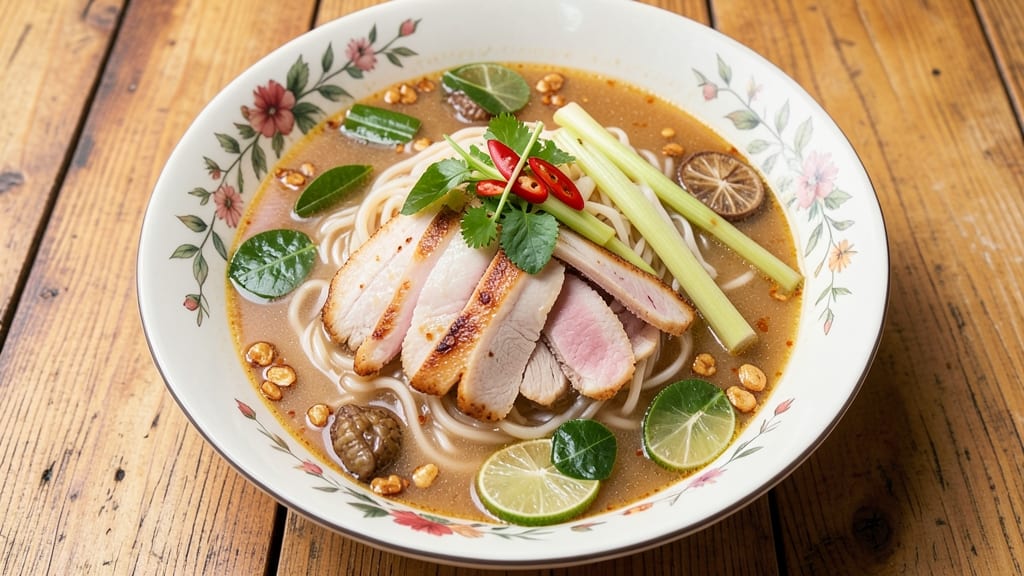
This authentic Thai chicken noodle soup brings the fragrant streets of Bangkok to your kitchen with its signature lemongrass-kissed broth and delicate rice noodles. 🌿 The secret lies in balancing sweet, sour, and umami flavors through aromatic herbs like galangal and kaffir lime leaves, transforming simple ingredients into a restaurant-quality bowl.
I've perfected this recipe after years of testing, ensuring every spoonful delivers that perfect harmony of textures and tastes.
The broth is the heart of this dish, simmered low and slow with chicken stock, ginger, and a bundle of lemongrass and galangal tied together. This method infuses the liquid with deep, complex flavors while keeping the ingredients intact for easy removal.
Poached chicken adds tender protein, while rice noodles cook just until they're silky and slippery—never mushy. The result is a bowl that's both comforting and vibrant, with every component playing its part.
What makes this recipe truly special is the attention to traditional techniques without sacrificing simplicity. You'll achieve that signature Thai balance of flavors—bright from lime, sweet from palm sugar, and umami-rich from fish sauce—while keeping the process approachable for home cooks.
The final touch? Fresh garnishes like Thai basil, bean sprouts, and chili that add texture and a burst of freshness with every bite.
Serve this soup with a side of pickled vegetables or a simple green salad to complement its rich flavors. The leftovers reheat beautifully, making it perfect for meal prep or feeding a crowd. Let's get started on creating this authentic taste of Thailand in your own kitchen.
Ingredients for authentic thai chicken noodle soup
These aromatic ingredients transform simple pantry staples into a fragrant, restaurant-quality Thai chicken noodle soup.
| Ingredient | Amount | Notes |
|---|---|---|
| Chicken Breast 🍗 | 1 ½ lb | Boneless, skinless, cut into 1-inch pieces |
| Chicken Stock 🥫 | 4 cups | Homemade or high-quality store-bought |
| Lemongrass Stalks 🌿 | 3 whole | Bruised, bottom 3 inches only |
| Galangal 🌿 | 1 piece | About 3 inches, peeled and sliced |
| Kaffir Lime Leaves 🍋 | 4 whole | Fresh, torn in half |
| Fresh Ginger 🧄 | 2 tbsp | Peeled, thinly sliced |
| Palm Sugar 🍯 | 2 tbsp | Or substitute 1 tbsp brown sugar |
| Fish Sauce 🍶 | 1 tbsp | Red Boat brand preferred |
| Rice Noodles 🍜 | 8 oz | Medium-width, fresh or dried |
| Thai Basil Leaves 🌿 | ¼ cup | Fresh, loosely packed |
| Bean Sprouts 🌱 | 1 cup | Fresh, rinsed |
| Bird's Eye Chilies 🌶️ | 2 whole | Seeds removed, finely sliced |
| Lime Juice 🍋 | 2 tbsp | Freshly squeezed |
| Olive Oil 🫒 | 2 tbsp | For cooking chicken |
| Salt 🧂 | 1 tsp | To taste, adjust as needed |
The aromatic bundle of lemongrass, galangal, and kaffir lime leaves is the soul of this soup. Thai markets are your best bet for fresh galangal and kaffir lime leaves—look for vibrant, unblemished pieces. If you can't find galangal, substitute extra ginger at double the amount, though it won't be identical. For lemongrass, use the bottom 3 inches of each stalk (the tender part) and bruise it by banging with the side of a knife to release its oils. Red Boat fish sauce is a must-have for authentic umami—don't skimp on quality here. The chicken stock should be rich but not salty; homemade is ideal, but Knight's or Pacific Foods brands are reliable store-bought options.
No fresh galangal? Ginger plus a pinch of turmeric can mimic some of its earthy notes, though it won't be a perfect match. Running out of kaffir lime leaves? Substitute 1 tsp lime zest plus 1 tsp lime juice, but the flavor won't be identical. For palm sugar, brown sugar works in a pinch, though it lacks the caramel-like depth. The rice noodles should be medium-width—Thai Kitchen brand is widely available and reliable. If using dried noodles, soak them in warm water for 10-15 minutes before adding to the soup. The Thai basil is non-negotiable for authenticity—regular basil won't cut it, though you can use it if absolutely necessary.
This soup reheats beautifully—simmer gently for 5-10 minutes to revive the aromatics. Store leftovers in the fridge for up to 3 days, or freeze for 3 months. For meal prep, assemble the soup without the noodles, store the broth separately, and cook noodles fresh when serving. The garnishes (basil, bean sprouts, chili) should be added just before serving to keep them crisp. Double the broth recipe if you're feeding a crowd—the noodles can be cooked separately.
Why You'll Love This Recipe
- No-Fuss Freshness: I swear by the galangal—it’s like ginger’s more interesting cousin—and those kaffir lime leaves add a citrusy punch without overpowering. Honestly, I just bruise the lemongrass and toss it in whole. No dicing, no fuss.
- One-Pot Magic: Between us, this soup feeds a crowd but still costs less than takeout. The chicken stock simmers down rich, and the aromatics infuse everything—no separate sauces or complicated steps. Just dump, simmer, and serve.
- Weeknight Hero: I make this when I’m drained, and it’s still restaurant-quality. The lemongrass and galangal do all the flavor work while I chop noodles in five minutes. (Yes, even on a Tuesday night.)
- Leftovers That Win: The second day? Even better. The broth deepens, the noodles soften just right, and it reheats in minutes. My kids beg for it—no one skips seconds, and I’m not fixing another meal. Win.
Step-by-step instructions for authentic Thai chicken noodle soup
This method delivers restaurant-quality Thai flavors with aromatic lemongrass and galangal.
🔥 Step 1: Sear and Prepare the Chicken
Heat 2 tablespoons olive oil in a large pot over medium-high heat. Add the 1.5 lb chicken breast cut into 1-inch pieces and cook for 4-5 minutes until the chicken turns opaque and develops a light golden crust. You'll see the pieces release easily from the bottom—this means they're ready.
Remove the chicken from the pot and set it aside. The rendered juices will infuse the broth later. Here's the thing—don't overcrowd the pan during searing. If you need to work in batches, that's fine, but keep the heat steady to maintain that perfect crust.
🍳 Step 2: Build the Aromatic Broth Base
In the same pot, add the 3 whole lemongrass stalks (bruised bottom 3 inches only), 1 piece galangal (peeled and sliced), 4 whole kaffir lime leaves (torn in half), and 2 tablespoons fresh ginger (peeled and thinly sliced). Sauté for 1-2 minutes until the galangal and ginger turn fragrant and lightly golden.
Pour in the 4 cups chicken stock and bring to a gentle boil. Reduce heat to medium-low and let it simmer for 10 minutes to allow the flavors to meld. You should smell that distinctive lemongrass aroma—this is the soul of the soup. If you notice any foam forming, skim it off to keep the broth clear.
🥘 Step 3: Season and Simmer the Broth
Return the seared chicken to the pot. Add the 2 tablespoons palm sugar and 1 tablespoon fish sauce, stirring gently to dissolve the sugar. Let the broth simmer for another 10-12 minutes until the chicken is fully cooked and tender enough to shred easily with a fork.
Taste the broth and adjust seasoning if needed. You want a balance of sweetness from the palm sugar, umami from the fish sauce, and that signature Thai aroma. If it needs more salt, add the 1 teaspoon salt now. The broth should coat the back of a spoon with a light, silky consistency—this is your flavor foundation.
🍳 Step 4: Prepare the Noodles and Garnishes
While the broth simmers, prepare the 8 oz rice noodles according to package instructions. I like to use fresh rice noodles for that authentic slippery texture, but dried noodles work too. Soak them in warm water for 5-8 minutes until pliable but still slightly firm—they'll finish cooking in the hot broth.
In a separate bowl, combine the 1 cup bean sprouts, 0.25 cup Thai basil leaves, and 2 whole bird's eye chilies (seeds removed, finely sliced). These will add freshness and a bright finish to each bowl. Keep them separate until the very end to maintain their vibrant colors and crisp textures.
🥘 Step 5: Assemble and Finish the Soup
Strain the broth to remove the lemongrass, galangal, and lime leaves (discard these solids). Return the broth to the pot and bring it to a gentle simmer. Add the cooked rice noodles and let them cook for 2-3 minutes until heated through and tender.
Divide the noodles and broth among bowls. Top each serving with the chicken (shredded or left in chunks), bean sprouts, Thai basil, and sliced bird's eye chilies. Finish with 2 tablespoons lime juice—this brightens the flavors and cuts through the richness. Serve immediately while the noodles are still warm and the aromas are at their peak.
Pro Tips For Making Authentic Thai Chicken Noodle Soup
- CHAR THE CHICKEN LOW: Blanch the chicken breast in the stock first—just bring the stock to a bare simmer and poach the chicken for 8-10 minutes before shredding. This keeps it juicy and infuses the broth with flavor instead of drying out later when you’d normally cook it separately.
- SLICE LEMONGRASS THIN: Cut the lemongrass stalks into 1-inch pieces and smash them lightly with the flat side of your knife before adding to the pot. This releases oils and aroma without turning the broth bitter—my grandmother’s trick, and it makes a real difference.
- SKIP THE BOILING GALANGAL: Galangal burns faster than you’d think. Instead of tossing in chunks, grate it fresh (about 1 teaspoon) and add it to the stock when it’s just simmering—not boiling. If you’re using a root, thinly slice it and remove it after 10 minutes to avoid overpowering the broth.
- STRAIN THE LIQUOR LEAVES: Kaffir lime leaves add magic, but torn bits make the soup look messy. Tear them into 2-inch pieces and remove them after 15 minutes of simmering—no need to strain the broth, but whole leaves keep the dish elegant. (Yes, even if you’re impatient like me.)
Troubleshooting perfect results
Broth Too Weak?
If your broth lacks depth, it’s likely under-seasoned or didn’t simmer long enough. Boost flavor by adding 1 extra tablespoon of fish sauce or ½ teaspoon of soy sauce (for umami). For a richer base, simmer the broth for 5-10 extra minutes to deepen the aromatics.
I’ve found that using homemade chicken stock instead of store-bought makes a noticeable difference—it’s worth the effort! 💪
Noodles Mushy?
Overcooked noodles ruin the texture. Soak dried rice noodles in warm water for 5-8 minutes (not boiling) until pliable but still firm. When adding them to the broth, cook for just 2-3 minutes—they’ll finish cooking in the hot liquid.
Fresh noodles? Cook them for 1 minute in the broth. Pro tip: Use Thai Kitchen brand rice noodles for the best texture. 🍜
Chicken Too Tough?
Poaching chicken in broth for too long makes it dry. Remove it from the broth 5 minutes before the broth is fully simmered (around 10-12 minutes total). For extra tenderness, add ½ teaspoon of baking soda to the poaching water—it raises the pH and keeps the meat juicy.
I swear by this trick for restaurant-quality results. 🍗
Flavor Imbalance?
If your soup tastes too salty, dilute with ½ cup warm water. Too bland? Add ½ teaspoon of fish sauce or a pinch of white pepper. For sweetness, stir in ½ teaspoon of palm sugar (or brown sugar).
The key is balancing sweet, sour, and umami—taste as you go! Adjust gradually to avoid overpowering flavors. ✨
Garnishes Too Soft?
Fresh garnishes like Thai basil and bean sprouts wilt if added too early. Keep them separate until right before serving to preserve their crispness. For extra crunch, chill the bean sprouts for 10 minutes before adding.
Thai basil should be added just before eating—its aroma is best when fresh. 🌿
Lemongrass Aroma Fading?
If your broth lacks that signature lemongrass scent, it didn’t infuse long enough. Bruise the stalks more aggressively (banging with a knife) and simmer the broth for at least 15 minutes with the aromatics.
For extra punch, add 1 extra stalk of lemongrass or a splash of lime juice at the end. Trust me, this makes all the difference! 🌿
Nutrition facts
Frequently asked questions
What's the secret to authentic Thai broth flavor?
The magic lies in the aromatic bundle of lemongrass, galangal, and kaffir lime leaves—simmer them for at least 10 minutes to fully infuse the broth. Bruise the lemongrass by banging it with a knife to release oils, and don't skip the galangal (ginger won't fully substitute). The balance of palm sugar (sweet), fish sauce (umami), and lime juice (sour) creates that signature Thai harmony.
Can I use dried rice noodles instead of fresh?
Soak dried rice noodles in warm water for 5-8 minutes until pliable but still firm—they'll finish cooking in the hot broth. For best texture, use Thai Kitchen brand medium-width noodles. Fresh noodles cook faster (1 minute in broth), but dried work perfectly when handled right. The key is not overcooking them—they should be tender but still hold shape.
How do I adjust the spice level for kids?
Remove the bird's eye chilies completely and serve the chicken and noodles without them. For mild heat, keep the chilies but serve them on the side so kids can add as little as they like. The broth itself is naturally mild—it's the fresh garnishes that pack the heat. You can also substitute milder Thai chilies or skip them entirely.
What's the best way to store leftovers?
Store the broth and chicken separately from the noodles in airtight containers for up to 3 days in the fridge. Reheat the broth gently, then add fresh noodles when serving to prevent mushiness. For longer storage, freeze the broth (without noodles) for up to 3 months. The garnishes should always be added fresh before serving to maintain texture.
Why does my soup taste too salty?
Fish sauce is the primary culprit—start with 1 tablespoon and taste as you go. If it's too salty, dilute with ½ cup warm water or add a splash of lime juice to balance. For future batches, reduce fish sauce to ½ tablespoon and adjust to taste. The broth should taste like the sea with a hint of sweetness, not overwhelming saltiness.