
Soups & Stews
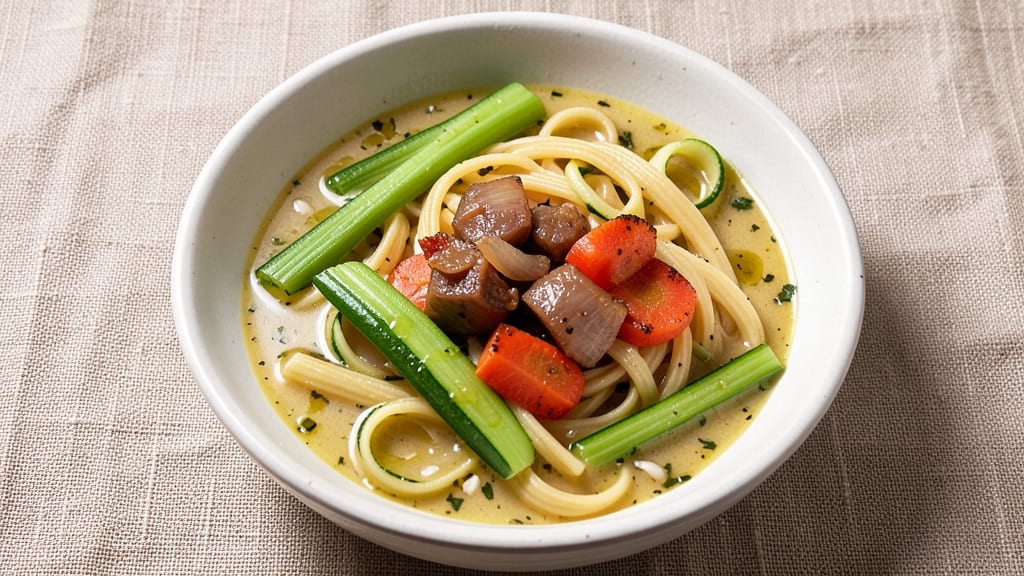
This Barilla vegetable soup recipe transforms simple ingredients into a one-pot masterpiece that captures Italy's rustic charm. The secret lies in fresh herbs—parsley, basil, and thyme—that infuse the broth with bright, earthy notes while Barilla pasta absorbs every flavorful drop.
I developed this recipe during a busy week when I needed comfort without compromise, and it's been my go-to ever since.
The beauty of this soup is its versatility—vegetarian yet hearty, packed with seasonal vegetables like carrots, celery, and zucchini that simmer until tender. A splash of white wine deglazes the pot, adding depth, while a touch of cream at the end creates a velvety finish.
The one-pot method means minimal cleanup and maximum flavor, making it perfect for weeknight dinners or meal prep.
By the time you ladle the first bowl, you'll taste the harmony of fresh herbs, caramelized vegetables, and al dente pasta—each bite a testament to how simple ingredients can deliver restaurant-quality results.
The aroma alone will have everyone gathered around the table, and the creamy, herb-infused broth ensures every spoonful feels like a hug on a chilly day.
Pair it with a crisp white wine or a steaming cup of herbal tea to elevate the experience. Whether you're feeding a family or treating yourself, this soup delivers warmth, freshness, and the kind of satisfaction that turns ordinary meals into memorable ones. Let's get cooking!
Ingredients for barilla vegetable soup
Fresh herbs and Barilla pasta make this one-pot wonder simple yet unforgettable.
| Ingredient | Amount | Notes |
|---|---|---|
| Barilla Vegetable Pasta 🍝 | 8 oz | Uncooked, any vegetable shape |
| Yellow Onion 🧅 | 1 whole | Diced, medium size |
| Carrots 🥕 | 2 medium | Peeled, chopped into chunks |
| Celery Stalks 🧄 | 3 whole | Diced, including leaves |
| Zucchini 🍆 | 1 medium | Sliced into half-moons |
| Garlic Cloves 🧄 | 4 cloves | Minced, fresh preferred |
| Fresh Parsley 🌿 | ¼ cup | Chopped, stems included |
| Fresh Basil Leaves 🌿 | ¼ cup | Torn, not chopped |
| Fresh Thyme 🌿 | 1 tbsp | Leaves only, finely chopped |
| Dry White Wine 🍷 | ½ cup | Sauvignon Blanc preferred |
| Vegetable Broth 💧 | 4 cups | Low-sodium preferred |
| Heavy Cream 🥛 | ¼ cup | Full-fat for creaminess |
| Salt 🧂 | 1 ½ tsp | Kosher or sea salt |
| Black Pepper 🌶️ | ½ tsp | Freshly ground preferred |
| Olive Oil 🫒 | 2 tbsp | Extra-virgin for richness |
The herbs are everything here. Fresh parsley, basil, and thyme from the grocery store's produce section work fine, but farmers market herbs have that extra brightness. If you're using dried, halve the amount—it's a common mistake. The Barilla pasta? Grab the vegetable blend—they've got those little bits of peas and carrots already mixed in. For the wine, any dry white works, but Sauvignon Blanc has that crispness that cuts through the cream. The vegetable broth should be low-sodium—Pacific Foods or Imagine are my go-tos, but homemade is even better.
No fresh herbs? Dried will work, but toss them in later—just before serving so they don't turn bitter. Short on wine? Extra vegetable broth plus a splash of lemon juice mimics the acidity. The zucchini and carrots can be swapped for whatever's in your crisper—bell peppers, mushrooms, or even spinach would all work. The cream is optional, but trust me on the full-fat version—it makes the broth silky. For a lighter version, use half-and-half or coconut milk.
This soup tastes even better the next day—4-5 days in the fridge, 3 months frozen. I always make a double batch because it disappears fast. Store it in the pot or divide into containers for easy reheating. The pasta holds up well to reheating, but if it gets mushy, just add a splash of broth when warming. Freeze without the pasta if you're worried about texture—add it fresh when serving.
Why You'll Love This Recipe
- No-Chop Shortcuts: I swear by the Barilla vegetable pasta here—it’s pre-chopped, so I just toss in the onion, carrots, and celery (or even frozen veggies in a pinch) straight from the bag. The celery and carrots soften perfectly without overcooking, and the zucchini? It just melts into the broth without any fuss.
- Umami Bomb: That vegetable pasta isn’t just for show—it’s packed with roasted garlic and herbs that punch way above its weight. The first spoonful hits with a savory depth that makes me pause, like a secret ingredient I didn’t even realize I needed. (Yes, even on a Tuesday night.)
- Lunchbox Hero: Between us, this soup is my go-to for meal prep because it travels like a dream. I’ll make a big pot on Sunday, and by Wednesday, I’m pulling out jars for work lunches or packing it in thermoses for the kids’ school. The pasta holds up, and the veggies stay tender—no sad, mushy leftovers here.
- Budget Magic: Honestly, this recipe is my wallet’s best friend. A single box of Barilla vegetable pasta, a bag of carrots, and a stalk of celery from the sale bin stretch into four servings that cost less than takeout. Plus, the flavors are so rich you’d never guess it’s this affordable. My secret weapon, no doubt.
Step-by-step instructions for Barilla vegetable soup
This one-pot wonder delivers rich, herb-infused freshness with minimal cleanup.
Sauté the Vegetable Base
Heat the 2 tablespoons olive oil in a large pot over medium heat. Add the diced yellow onion, chopped carrots, diced celery stalks, and sliced zucchini. Cook for 8-10 minutes, stirring occasionally, until the vegetables soften and the onion becomes translucent. You'll notice the carrots and celery release their natural juices, creating a fragrant base for your soup.
This step builds flavor through caramelization. If the vegetables start sticking, add a splash of water and scrape the bottom with a wooden spoon to release those flavorful browned bits. Don't rush this—properly sautéed vegetables form the soul of your soup.
Add Aromatics and Wine
Push the vegetables to one side of the pot and add the 2 tablespoons olive oil (yes, use the same amount again—this ensures proper heat distribution). When the oil shimmers, add the 4 minced garlic cloves and cook for 30 seconds until fragrant. Be careful not to burn the garlic—it should smell wonderful but not bitter.
Pour in the 0.5 cup dry white wine and scrape up any browned bits from the bottom of the pot. Let the wine simmer for 2-3 minutes until it reduces by half. This step deglazes the pot and adds depth to your soup. If you don't have wine, substitute with an extra 0.5 cup vegetable broth.
Build the Broth Foundation
Add the 4 cups vegetable broth and bring the mixture to a gentle boil. Stir in the 1.5 teaspoons salt and 0.5 teaspoon black pepper, then reduce the heat to medium-low. Let it simmer uncovered for 15 minutes, allowing the flavors to meld and the vegetables to soften further. You'll see the broth take on a rich, golden hue—this is when your soup starts coming together.
Here's where it gets good—taste the broth now. It should be seasoned but still bright. If it needs more salt, add it gradually. This is your flavor checkpoint before adding the pasta and herbs, which will transform the broth into something truly special.
Cook the Pasta and Finish with Herbs
Add the 8 ounces Barilla vegetable pasta to the simmering broth. Stir gently to prevent the pasta from sticking together. Cook for 10-12 minutes, stirring occasionally, until the pasta is al dente—it should have a slight bite but be fully cooked. You'll know it's ready when the pasta floats to the surface and a taste test confirms it's perfectly cooked.
In the last 2 minutes of cooking, stir in the 0.25 cup chopped fresh parsley, 0.25 cup torn fresh basil leaves, and 1 tablespoon finely chopped fresh thyme. These herbs will infuse the soup with vibrant freshness. If you're using dried herbs, add them now instead—just remember that dried herbs are more concentrated, so you might want to reduce the amount by half.
Finish with Cream and Serve
Reduce the heat to low and stir in the 0.25 cup heavy cream. Let the soup simmer for 1-2 minutes just to warm through—don't let it boil or the cream will curdle. Taste and adjust the seasoning if needed. The cream should add a velvety richness that balances the bright vegetable flavors.
Ladle the soup into bowls and serve immediately. Each spoonful should deliver a perfect balance of creamy richness, fresh herbs, and tender vegetables. The one-pot method keeps everything cohesive, and the herbs stay vibrant right until serving. Enjoy your restaurant-quality vegetable soup with crusty bread on the side!
Pro Tips For Making Barilla Vegetable Soup
- SOFTEN VEGETABLES FIRST: Barilla’s vegetable pasta is sturdy, but your veggies won’t caramelize if they’re raw—simmer onions, carrots, and celery in broth for 8–10 minutes before adding zucchini. I used to toss everything in at once, and the soup always tasted underdeveloped. (Yes, even the zucchini needs a few minutes to break down.)
- CHOP ONIONS SMALL: Skip the thick slices—dice that onion into ¼-inch pieces so it dissolves into the soup instead of lingering as chewy bits. I learned this the hard way after serving a bowl with a surprise onion surprise. (Your future self will notice.)
- DON’T BOIL THE PASTA: Barilla vegetable pasta turns mushy if you boil it like regular noodles—add it to the simmering soup with 3 minutes left on the stove and stir gently. I’ve ruined batches by overcooking it, and the texture suffers. (This is the thing that matters most.)
- SAVOR THE BROTH: Skip the canned broth shortcut—sauté your veggies in olive oil until the onions are translucent (5 minutes) to build flavor. A splash of white wine or a bay leaf here makes a real difference. (I was skeptical until I tried it.)
Essential equipment for this recipe
Large Pot Essentials
A 6-8 quart Dutch oven or heavy-bottomed stockpot is my go-to for this recipe—it distributes heat evenly and prevents scorching. I swear by the All-Clad Stainless Steel 6-Quart for its durability, but a Cuisinart MultiCooker works perfectly if you prefer one-pot convenience.
The pot should have a tight-fitting lid to trap steam and infuse flavors during simmering. 🔥
Knife & Cutting Tools
Invest in a sharp chef's knife (I love the Mercer Culinary Genesis) for dicing onions, carrots, and celery efficiently. A mandoline speeds up zucchini slicing if you're prepping for a crowd.
For herbs, a pair of kitchen shears works best for tearing basil leaves cleanly without bruising. Keep a cutting board nearby—teak or bamboo are gentle on knives and won't dull them.
Measuring Tools
Precision matters here! Use a stainless steel measuring cup set (like OXO Good Grips) for broth and wine, and a digital kitchen scale for pasta if you prefer exact weights. A microplane for garlic cloves ensures even mincing without burning.
For herbs, a small herb scissors gives you clean, consistent cuts. I keep a small bowl nearby to hold chopped herbs before adding them to the pot—this prevents overcrowding and keeps flavors vibrant. 🌿
Wooden Spoon & Ladle
A heat-resistant wooden spoon (I recommend Oxo Good Grips) is perfect for stirring without scratching your pot. Its shape helps scrape up browned bits from the bottom, adding depth to your soup's flavor. Pair it with a stainless steel ladle for serving—look for one with silicone handles for comfort.
Avoid metal utensils when adding cream to prevent curdling. These tools are your soup's best friends for even cooking and effortless serving.
Immersion Blender (Optional)
For a silky texture, an immersion blender (like Ninja CB100) lets you blend directly in the pot without transferring liquids. Pulse for 5-10 seconds if you prefer a smoother finish, but leave some texture for rustic appeal.
This step is optional—your soup will still be delicious without it. Just avoid blending if you love visible vegetable chunks for heartiness. The key is balance, and this tool gives you control. ✨
Storage Containers
Store leftovers in glass containers with airtight lids (I use Pyrex 4-cup portions) for easy reheating. These containers maintain freshness and are microwave-safe. For freezing, quart-sized freezer bags save space and prevent freezer burn. Label containers with dates—this soup tastes best within 4-5 days refrigerated or 3 months frozen.
The one-pot method means you can even reheat directly in the pot over medium-low heat with a splash of broth to restore creaminess. 💫
Nutrition facts
Frequently asked questions
Can I use Barilla pasta other than vegetable blend for this recipe?
While the vegetable pasta adds natural flavor, any Barilla shape works beautifully. Try penne or farfalle for a classic Italian feel, or fusilli if you prefer a fun twist. The key is using 100% durum wheat pasta—it holds up better during simmering and absorbs flavors perfectly.
How can I make this soup vegan?
Swap the heavy cream for coconut milk or cashew cream (blend soaked cashews with water), and use vegetable broth. For extra richness, add 1 tablespoon nutritional yeast when serving. The wine can be omitted or replaced with extra broth plus a splash of lemon juice. All other ingredients remain the same!
Why does my soup taste bland after adding herbs?
Herbs need time to infuse! Add them in the last 2 minutes of cooking, not earlier. For deeper flavor, try toasting the whole herbs (like thyme sprigs) in olive oil for 30 seconds before adding to the pot. Also check your salt—this soup needs 1.5 tsp minimum, and taste as you go. A pinch of red pepper flakes can wake up flavors too.
Can I prep this soup ahead of time?
Yes! Make it 1 day ahead for even better flavor—the herbs meld beautifully. Store in an airtight container in the fridge. Reheat gently on medium-low heat, adding a splash of broth if the soup thickens. For freezing, cook without pasta, freeze the broth, then add fresh pasta when reheating. Thaw overnight in the fridge before reheating.
What's the best way to reheat leftovers?
Never microwave directly from cold—it makes the pasta mushy. Instead, transfer to a pot with 1/4 cup broth and heat on medium-low for 5-7 minutes, stirring occasionally. If the soup seems too thick, add more broth. For extra creaminess, stir in 1 tablespoon cream at the end. The gentle reheating preserves texture perfectly.