
Soups & Stews
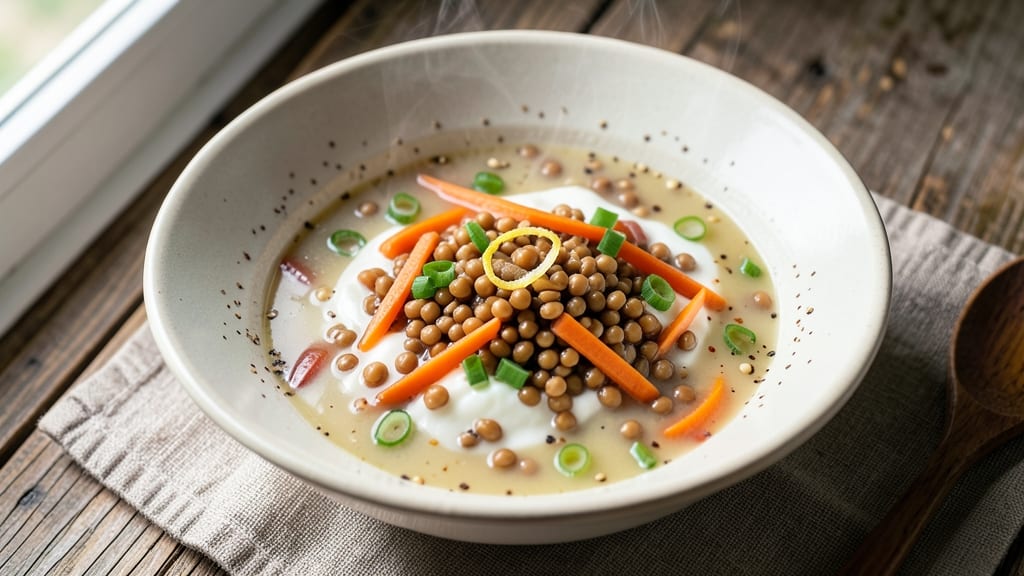
This barley miso soup recipe delivers deep umami flavor and comforting chewiness in every spoonful—perfect for chilly evenings or quick lunches. The secret lies in balancing fermented miso paste with barley's natural sweetness, creating a broth that's both savory and satisfying.
I've tested this recipe countless times to ensure the perfect ratio of ingredients for maximum flavor without bitterness.
The foundation of this soup is a vegetable-based broth that builds rich, complex flavors as it simmers. Barley adds hearty texture while absorbing the broth's essence, while miso paste provides that signature umami depth.
What sets this recipe apart is the attention to simmering time—just enough to develop flavors without turning the barley mushy.
By the end, you'll have a steaming bowl of soup with tender barley grains floating in a golden broth, perfectly balanced between salty, sweet, and umami.
The aroma alone will make your kitchen feel like a cozy Japanese izakaya. This vegetarian-friendly recipe can easily be made vegan by using plant-based miso.
Whether you're serving this as a light meal or sharing it with friends, the combination of textures and flavors makes it irresistible. The recipe scales beautifully, so you can easily adjust the quantities to feed a crowd or prepare leftovers for the week.
Ingredients for barley miso soup
These simple yet flavorful ingredients create a comforting barley miso soup with perfect umami balance.
| Ingredient | Amount | Notes |
|---|---|---|
| Pearl Barley 🌾 | 1 cup | Rinsed before cooking |
| White Miso Paste 🧈 | 2 tbsp | Vegetarian-friendly variety |
| Dashi Powder 🍵 | 1 tbsp | Vegetarian dashi preferred |
| Carrots 🥕 | 2 medium | Peeled and sliced into rounds |
| Green Onions 🧅 | 3 whole | White and green parts separated |
| Vegetable Broth 💧 | 4 cups | Low-sodium preferred |
| Sesame Oil 🫒 | 1 tsp | Toasted for aroma |
| Fresh Ginger 🧅 | 1 tbsp | Grated, peeled |
| Garlic Cloves 🧄 | 2 cloves | Minced finely |
| Tofu 🧈 | ½ block | Firm tofu, cubed |
| Sea Salt 🧂 | ½ tsp | Adjust to taste |
| Sesame Seeds 🌱 | 1 tsp | Toasted for garnish |
| Rice Vinegar 🍶 | 1 tsp | For brightness |
The miso paste is the heart of this soup—look for white miso for a sweeter, milder flavor that won't overpower the barley. Marukome or Hatsu-miso brands are excellent choices, available at Asian markets or well-stocked grocery stores. Pearl barley should be rinsed before cooking to remove any debris, and pearl barley from Bob's Red Mill is a reliable choice for consistent texture. Fresh ginger and garlic are non-negotiable here—they build the aromatic base that makes this soup sing. If you're short on time, pre-minced garlic works, but fresh is always better.
No miso paste? Substitute with 1 tbsp soy sauce plus 1 tsp nutritional yeast for a similar umami kick, though the flavor won't be identical. Vegetable broth can be swapped for homemade kombu broth if you're going for maximum authenticity. The tofu adds protein and texture—extra-firm tofu holds up best during simmering. For a vegan version, ensure your miso is plant-based and use vegetable broth. The green onions should be separated: white parts go into the soup, green tops are reserved for garnish. If you're using pre-sliced carrots, pat them dry first to prevent excess water in the broth.
This soup tastes even better the next day as flavors meld. Store in an airtight container in the fridge for up to 4 days. For longer storage, freeze portions for up to 3 months. The barley will soften further when reheated, so it's best to reheat gently on the stove. Garnish with toasted sesame seeds and a drizzle of sesame oil just before serving—this adds visual appeal and extra flavor. Double the recipe and freeze half for quick meals later in the week.
Why You'll Love This Recipe
- No-Chop Night: I swear by this on days when I’m too tired to slice anything—just toss in pre-cut carrots (or baby carrots, no shame) and let the barley do the work. The dashi powder dissolves in seconds, so you’re basically stirring while you scroll through your phone.
- Umami Bomb: That first spoonful of miso paste hitting the broth? It’s like a warm hug for your taste buds. The barley softens into a chewy, satisfying bite, while the carrots add sweetness without overpowering—honestly, it’s the kind of flavor that makes you want to eat it straight from the pot.
- Meal Prep MVP: Make a big batch on Sunday, and you’ve got lunch covered all week. The barley thickens beautifully overnight, so reheating is a breeze—just add hot water and a splash of dashi. Between us, this is the soup I bring to potlucks because it’s always a hit.
- Pocket-Friendly Power: Pearl barley and miso are dirt cheap, but they make this feel like a fancy bowl. A single bag of barley stretches across multiple meals, and dashi powder lasts forever. I’ll be real: this is how I feed my college-age kid without breaking the bank.
Step-by-step instructions for barley miso soup
This method delivers a perfectly balanced barley miso soup with chewy grains and deep umami flavor.
Prepare the Barley and Aromatics
Rinse the 1 cup Pearl Barley under cold water until the water runs clear, then drain well. This removes excess starch that can make the soup cloudy. In a medium saucepan, combine the rinsed barley with the 4 cups Vegetable Broth and bring to a boil over medium-high heat. Once boiling, reduce heat to medium-low and let it simmer uncovered for 20 minutes, stirring occasionally to prevent sticking.
While the barley cooks, peel and finely grate the 1 tablespoon Fresh Ginger and mince the 2 cloves Garlic Cloves using a sharp knife. The ginger should be very finely minced—almost paste-like—to ensure even distribution. Set these aside for later. This preparation step is crucial for developing the soup's aromatic foundation without overpowering the delicate miso flavor.
Build the Umami Base
In a small bowl, whisk together the 2 tablespoons White Miso Paste and 1 tablespoon Dashi Powder until completely dissolved. This creates a smooth paste that will blend seamlessly into the broth. The miso should be fully incorporated—no lumps—so the soup develops rich, complex flavor without graininess.
After the barley has simmered for 20 minutes, add the miso-dashi mixture to the pot and stir gently to combine. Avoid vigorous stirring, as miso can break down too quickly and become bitter. Let the soup simmer for an additional 5 minutes on medium-low heat, allowing the flavors to meld. You'll notice the broth deepen in color and develop a more pronounced umami aroma—this is your cue that the base is developing properly.
Incorporate Vegetables and Protein
Peel the 2 medium Carrots and slice them into ¼-inch rounds. Separate the 3 whole Green Onions into white and green parts, slicing the white portions into ¼-inch pieces and leaving the green parts whole for garnish. Add the sliced carrots and white onion parts to the simmering soup. Stir gently and let them cook for 5 minutes until they begin to soften but still retain a slight bite.
Cube the ½ block Firm Tofu into ½-inch pieces and add them to the pot. The tofu should cook just until heated through—about 3-4 minutes. If the soup appears too thick, add ½ cup hot water to reach your desired consistency. The tofu should be warm but still hold its shape, absorbing the rich broth without falling apart.
Finish with Seasoning and Garnish
Remove the soup from heat and stir in the 1 teaspoon Sesame Oil, ½ teaspoon Sea Salt, and 1 teaspoon Rice Vinegar. The sesame oil adds a nutty aroma, the salt balances the flavors, and the rice vinegar introduces a subtle brightness that cuts through the richness of the miso. Taste the soup and adjust the salt or vinegar as needed—this is where you fine-tune the balance of umami, sweetness, and acidity.
Ladle the soup into bowls and garnish each serving with the reserved green onion tops and 1 teaspoon Sesame Seeds. The seeds should be toasted lightly in a dry skillet for 30 seconds before sprinkling to enhance their nutty flavor. Serve immediately while the barley is still chewy and the broth is steaming hot, ensuring every spoonful delivers the perfect harmony of textures and flavors.
Pro Tips For Making Barley Miso Soup
- Rinse the Barley: Pearl barley’s starchy coating makes it gummy if you skip this—give it a good swirl under cold water for 30 seconds, then drain. I used to skip this and ended up with a soup that felt like eating glue.
- Bloom the Miso: Stir the white miso paste into the hot broth after the dashi powder dissolves, but don’t boil it—just let it sit for 30 seconds while you whisk. After burning miso once, I learned: low and slow is the only way to avoid that bitter aftertaste.
- Dice Carrots Small: Cut the carrots into ¼-inch pieces so they soften in the same time it takes the barley to cook. Big chunks mean you’re either undercooking or ending up with mushy bits—neither is ideal.
- Save the Green Onions: Reserve half the green onions to add at the very end—just before serving. They’ll stay bright and crisp instead of turning limp, and the flavor will pop against the rich miso. (Yes, even if you’re impatient like me.)
Flavor customization for this recipe
Sweet & Spicy Twist
Add 1 tsp honey and ½ tsp gochujang (Korean chili paste) when stirring in the miso paste for a perfect sweet-spicy balance. The honey caramelizes slightly during simmering, while the gochujang adds depth without overpowering. I love this variation for chilly days—it's like a cozy hug in a bowl. 🌶️
Spicy Miso Kick
For heat lovers, stir in 1 tsp red pepper flakes or ½ tsp cayenne pepper with the sesame oil at the end. Start with less and adjust to taste—spicy miso soup is a Japanese izakaya classic.
Pair with a cold beer to balance the heat. Trust me, your taste buds will thank you later.
Creamy Coconut Version
Swap the vegetable broth for 4 cups light coconut milk and add 1 cup sliced mushrooms (shiitake or cremini) for an earthy, creamy twist. Simmer the mushrooms with the barley for 10 minutes before adding the miso. Garnish with cilantro instead of green onions for a Thai-inspired fusion. 🥥
Herb-Infused Brightness
Add 1 tbsp chopped fresh cilantro or thyme leaves to the simmering broth along with the carrots. The herbs add freshness that cuts through the richness. For extra brightness, squeeze in ½ lime at the end—it’s a game-changer for summer versions.
Smoky BBQ Fusion
Use 2 tbsp smoked paprika instead of dashi powder and add ½ cup diced bell peppers with the carrots. Finish with 1 tbsp BBQ sauce (like Sweet Baby Ray's) swirled into each bowl. This fusion brings a smoky, tangy twist that’s surprisingly delicious. 🔥
Mushroom & Chestnut Luxe
Add 1 cup cooked chestnuts (halved) and ½ cup sliced wild mushrooms (like shiitake or oyster) to the barley during the initial simmer. The chestnuts add natural sweetness, while the mushrooms deepen the umami. Garnish with extra toasted sesame seeds for texture. This version feels like a gourmet treat. ✨
Nutrition facts
Frequently asked questions
Can I use instant miso instead of regular miso paste?
Instant miso is designed to dissolve quickly and works perfectly for this recipe! Just use the same 2 tablespoons measurement, but whisk it directly into the hot broth after removing it from heat—this prevents the miso from breaking down too much and becoming bitter. The texture will be slightly smoother, but the umami flavor remains just as rich.
How do I make this soup vegan?
This recipe is already vegetarian-friendly, but for vegan version, ensure your miso paste is plant-based (check the label) and use 100% vegetable broth instead of dashi powder. The tofu is naturally vegan, and all other ingredients are plant-based. For extra depth, add ½ cup sliced mushrooms to the barley during simmering.
Why does my barley miso soup taste bitter?
Bitterness usually comes from overcooking the miso or using too much. Always stir miso gently into the broth after removing it from heat, and never boil it. For balance, add 1 teaspoon rice vinegar or a pinch of sugar to counteract bitterness. If using red miso, reduce to 1 tablespoon—it's stronger than white miso.
Can I make this soup ahead of time?
This soup actually tastes better the next day as flavors meld. Store in an airtight container in the fridge for up to 4 days. Reheat gently on the stove, adding ¼ cup water if it thickens too much. The barley will soften further, becoming even more tender and flavorful.
What's the best way to adjust the thickness?
Start with 4 cups broth for a medium consistency. If too thick, add ½ cup hot water at a time. For a creamier texture, stir in 2 tablespoons coconut milk or 1 tablespoon cornstarch slurry (mix 1 tbsp cornstarch with 2 tbsp cold water) at the end.