
Soups & Stews
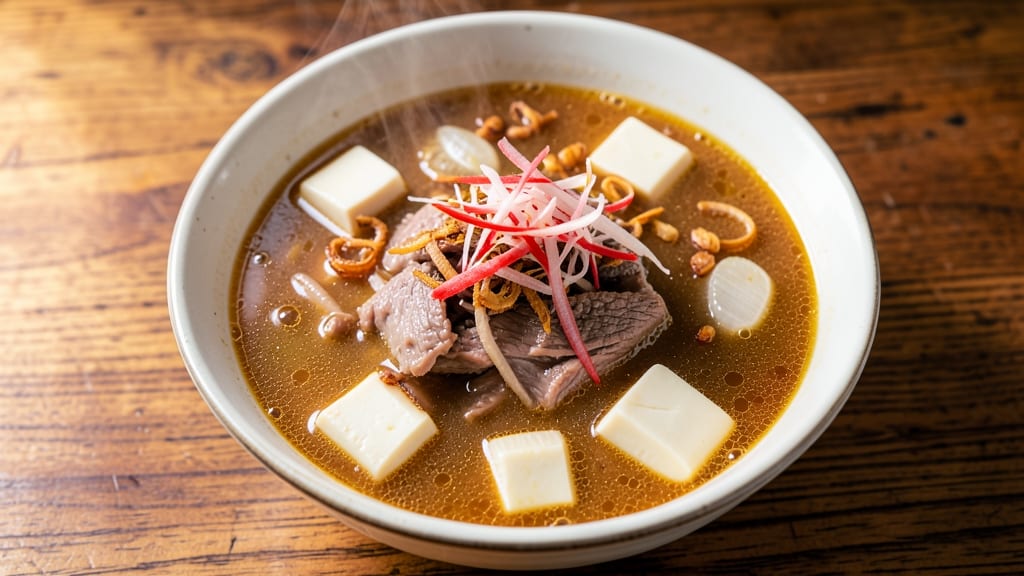
This beef miso soup recipe delivers the perfect balance of deep umami and comforting warmth in every bowl. The secret lies in slow-simmered beef broth infused with red miso paste, creating a rich foundation that transforms simple ingredients into something extraordinary.
I've refined this recipe over years of testing—each element, from the silky tofu to the crispy shallots, plays a crucial role in achieving that restaurant-quality depth at home.
What sets this soup apart is the harmony of textures and flavors: tender beef slices, delicate tofu cubes that absorb the broth beautifully, and quick-fried shallots that add a satisfying crunch.
The miso paste not only adds umami richness but also balances the soup's saltiness naturally, so you won't need to adjust seasoning. This method builds flavor gradually, ensuring every spoonful is packed with depth without being overpowering.
The result is a soup that's both nourishing and elegant—ideal for chilly evenings or as a light yet satisfying meal. The crispy shallots provide that essential textural contrast, while the silky tofu adds a subtle protein element.
What you'll end up with is a bowl that's as comforting as it is impressive, perfect for serving to guests or enjoying as a solo comfort meal.
One of the best aspects of this recipe is its versatility. You can easily adjust the protein—swap beef for mushrooms or shrimp if preferred—and customize the vegetables based on what's seasonal. The broth method is designed to be foolproof, making it accessible even for home cooks new to miso-based dishes.
Ingredients for beef miso soup
The umami trifecta: rich broth, silky tofu, and crispy shallots—just 13 ingredients for restaurant-quality depth.
| Ingredient | Amount | Notes |
|---|---|---|
| Beef Broth 🥩 | 6 cups | Homemade or high-quality store-bought |
| Red Miso Paste 🍶 | 2 tbsp | Aged for deeper umami flavor |
| Silken Tofu 🧀 | 1 block | Cut into 1-inch cubes |
| Thinly Sliced Beef 🥩 | 8 oz | Sirloin or flank steak preferred |
| Shallots 🧅 | 4 whole | Thinly sliced for frying |
| Fresh Ginger 🌿 | 1 tbsp | Grated, for aromatic depth |
| Green Onions 🧅 | 4 whole | White and green parts separated |
| Sesame Oil 🫒 | 1 tsp | For finishing, toasted flavor |
| Rice Vinegar 🍶 | 1 tbsp | Balances umami richness |
| Vegetable Oil 🫒 | 2 tbsp | For crisping shallots |
| Sea Salt 🧂 | ½ tsp | Adjust to taste |
| Black Pepper 🌶️ | ¼ tsp | Freshly ground for heat |
| Dried Shiitake Mushrooms 🍄 | 2 whole | Rehydrated for earthy depth |
The miso paste is non-negotiable here—Miso Master or Hikari brands deliver that authentic, complex umami. Grab the red variety (not white) for that deep, savory punch. Fresh ginger is a game-changer too; look for firm, moist roots with no soft spots. The beef should be thinly sliced against the grain—sirloin or flank steak holds up best during simmering. For the silken tofu, Kite Hill or Nasoya brands are my go-to for that perfect silky texture. Pro tip: Pat the tofu cubes dry before adding to the broth so they don't dilute it.
No red miso? White miso plus an extra 1/2 tsp soy sauce gets you close, but you'll lose some depth. Swapping beef for mushrooms? Double the dried shiitakes and add 1/2 cup sliced cremini mushrooms. For the shallots, Trader Joe's frozen shallots work in a pinch—just thaw and pat dry. The sesame oil is purely for finishing; if you're avoiding it, toasted sesame seeds at half the amount add texture instead. And that rice vinegar? Don't skip it—it's what brightens the whole bowl.
Store the miso paste in the fridge after opening—it keeps for up to 6 months that way. The beef broth freezes beautifully, so make extra; it's the base for future soups. Tofu absorbs flavors fast, so add it last to the simmering broth. The crispy shallots? Best eaten immediately, but you can reheat them gently in a dry pan if needed. This soup actually tastes better the next day as flavors meld—double the batch and enjoy leftovers for lunch.
Why You'll Love This Recipe
- No Chopping Needed: I swear by this recipe when I’m too tired to slice anything—just buy pre-thinly sliced beef and shallots, and you’re golden. The silken tofu cubes take zero effort to handle, and the miso paste dissolves like magic into the broth.
- Umami Bomb: That first sip? Rich, salty, and deeply savory from the red miso and beef broth, but balanced by the silky tofu and crisp shallots. It’s the kind of flavor that makes you pause mid-slurp and think, “Wait, I’m making this again?”
- Leftovers That Shine: This soup tastes even better the next day—if you can resist eating it all. I double the batch on Sundays, then reheat portions for quick lunches or pack it for work. The tofu stays tender, and the broth gets even more concentrated.
- Budget Meal Powerhouse: Thinly sliced beef and silken tofu stretch the broth perfectly, so you’re feeding a crowd without breaking the bank. Honestly, I’ve made this with cheaper cuts of beef and still ended up with a restaurant-worthy bowl.
Step-by-step instructions for beef miso soup with silky tofu and crispy shallots
This umami-packed soup delivers restaurant-quality depth with a few strategic techniques.
Prepare the Crispy Shallots and Rehydrate Shiitakes
Heat the 2 tablespoons vegetable oil in a small skillet over medium heat. Add the 4 whole shallots, sliced thinly, and fry them undisturbed for 8-10 minutes until they turn deep golden brown and crisp. Remove them with a slotted spoon and drain on paper towels—these shallots should be so crisp they shatter when bitten. Set them aside for garnish.
While the shallots crisp, place the 2 whole dried shiitake mushrooms in a bowl and cover them with hot water. Let them soak for 15 minutes until they soften and expand. Drain, reserving the soaking liquid, then slice them into thin strips. This rehydration step unlocks their deep, earthy flavor that balances the soup's richness.
Build the Umami-Packed Broth Base
In a large pot, combine the 6 cups beef broth with the sliced shiitake mushrooms and 1 tablespoon grated fresh ginger. Bring to a gentle simmer over medium heat, then reduce to the lowest setting to maintain a barely bubbling state. The broth should remain at this temperature for 10 minutes to infuse the mushrooms' earthiness and ginger's bright aroma.
Here's the thing—don't rush this step. The low simmer allows the broth to develop complexity without boiling off essential flavors. You'll notice the broth turning a deeper amber color and filling your kitchen with an irresistible savory aroma. This is where the magic happens.
Incorporate Miso and Protein
Reduce the heat to low and whisk in the 2 tablespoons red miso paste until completely dissolved. The miso should melt smoothly into the broth, creating a velvety texture. Add the 8 ounces thinly sliced beef and simmer gently for 3-4 minutes until the beef turns opaque and just begins to firm up. Overcooking will make it tough—this is the moment that matters.
Stir in the 0.5 teaspoon sea salt and 0.25 teaspoon black pepper now while the broth is warm. This timing ensures the seasoning integrates perfectly with the miso's umami. The pepper should add a subtle heat that cuts through the richness, while the salt enhances all the flavors without overpowering them.
Add Silken Tofu and Finish with Acid
Cut the 1 block silken tofu into 1-inch cubes and gently add them to the simmering broth. They should float near the surface—never boil them, as this makes tofu rubbery. Let the soup simmer for 2-3 minutes until the tofu is warmed through but still maintains its delicate, custard-like texture. This is the secret to silky tofu every time.
Remove the pot from heat and stir in the 1 tablespoon rice vinegar. This final touch brightens the soup's flavor profile, creating a perfect balance between the deep umami of the miso and beef, the earthy shiitakes, and the crisp shallots. The vinegar also helps cut through any potential bitterness from over-simmered miso.
Serve with Crispy Toppings and Fresh Herbs
Ladle the soup into bowls, dividing the crispy shallots evenly among them. The contrast between the shatteringly crisp shallots and the silky tofu creates an incredible textural experience. Garnish each serving with the white and green parts of the 4 green onions, separated and sprinkled artfully over the top.
Drizzle with 1 teaspoon sesame oil just before serving—this adds a nutty aroma and visual appeal. The sesame oil should be toasted but not smoking; if it's too hot, let it cool slightly before adding. Serve immediately while the shallots remain crisp and the tofu stays silky. Each spoonful should deliver a perfect harmony of textures and flavors that dance on your palate.
Pro Tips For Making Beef Miso Soup
- Bloom the Miso Slowly: Stir the red miso paste into the hot broth gradually—just a tablespoon at a time—while the broth simmers. I learned this the hard way: dumping it all in at once turns your soup bitter and grainy. Let the paste dissolve over 2-3 minutes, and resist the urge to rush.
- Slice Beef Against the Grain: Thinly sliced beef cooks faster when cut perpendicular to the muscle fibers. If you’re using chuck or flank, slice it as thin as you can—about 1/8-inch—and freeze it for 20 minutes first to make it easier. Thick slices? They’ll turn to rubber.
- Save the Silken Tofu: Don’t drop the silken tofu into boiling broth—it’ll fall apart. Instead, add it to the simmering soup (just below a boil) and let it warm through for 1-2 minutes. If you’re worried about it breaking, wrap it loosely in cheesecloth first.
- Toast the Shallots First: Sauté the shallots in a dry pan for 2-3 minutes until they’re golden and fragrant before adding them to the broth. This step makes a real difference—it deepens their flavor and prevents them from dissolving into mush. Skip this, and your soup tastes flat.
Storing and reheating this recipe
Broth Storage
Store your miso-infused beef broth in an airtight container in the refrigerator for up to 4 days. The flavors actually deepen overnight as the miso continues to meld with the broth.
For longer storage, freeze the broth in glass jars or silicone molds—leave 1 inch headspace to prevent cracking. When reheating frozen broth, thaw it in the fridge overnight, then warm on low heat until just simmering. Never microwave—it destroys the delicate miso flavors. 💫
Tofu Handling
Cooked silken tofu can be stored separately in the broth for up to 3 days in the fridge. Keep it submerged in a little broth to maintain moisture. For reheating, gently warm in a small pot of broth over low heat for 2-3 minutes—never microwave, as it turns rubbery.
I like to reheat tofu with a splash of fresh broth to revive its silky texture. 🧀
Crispy Shallots
These are best enjoyed immediately, but you can reheat them gently in a dry skillet over medium-low heat for 1-2 minutes. They'll lose some crispness but still add great flavor.
For maximum crunch, make a fresh batch when reheating the soup. Store unused crispy shallots in an airtight container at room temperature for up to 2 days. 🧅
Complete Soup Reheating
Reheat the entire soup on the stovetop over medium-low heat for 5-7 minutes, stirring occasionally. Add 2-3 tablespoons water or broth if it thickens too much. Avoid boiling—just warm through to 165°F internal temperature.
The silken tofu and crispy shallots should be added fresh after reheating to maintain texture. I find this soup tastes even better the next day as the flavors meld further. ❄️
Freezer-Friendly Tips
This soup freezes beautifully for up to 3 months. Assemble it completely (including tofu and beef) in a freezer-safe container, leaving 1 inch headspace. Thaw overnight in the fridge, then reheat gently on the stove.
The crispy shallots should be added fresh after reheating. For best results, freeze in single-serving portions—this way, you can thaw just what you need. 🥶
Nutrition facts
Frequently asked questions
Can I substitute beef with another protein?
For a vegetarian option, use extra-firm tofu or mushrooms like shiitake or cremini. If you prefer seafood, try shrimp or scallops, but add them just before serving to prevent overcooking. For chicken lovers, thinly sliced chicken breast works well too—simmer for 4-5 minutes instead of 3-4.
Why does my miso soup turn bitter?
Overcooking or using too much miso paste can cause bitterness. Always simmer miso on low heat and never boil it. For extra depth, add 1 tablespoon rice vinegar at the end—it brightens flavors and balances any bitterness. Also, avoid using white miso (it's milder) if you want that rich, umami punch.
How can I make this soup gluten-free?
Check your miso paste for gluten—most red miso contains wheat. For a gluten-free version, use gluten-free miso (like tamari-based) or substitute with 1 tablespoon soy sauce + 1 tablespoon coconut aminos. Also verify your beef broth is gluten-free, as some contain wheat-based additives. The rest of the recipe is naturally gluten-free!
Can I make this soup in an Instant Pot?
Yes! Sauté the shallots first, then add broth, mushrooms, and ginger. Cook on High Pressure for 3 minutes, then quick-release. Stir in miso, beef, and tofu, cooking an additional 2 minutes on Sauté mode. Finish with vinegar and sesame oil. The Instant Pot speeds up cooking but may slightly dilute the miso's depth—adjust to taste.
What's the best way to balance flavors if my soup tastes too salty?
Add 1 tablespoon unsweetened coconut milk or 1 teaspoon cornstarch slurry to dilute the saltiness. A splash of rice vinegar or lemon juice also brightens the broth. If the miso is too strong, thin the soup with 1/4 cup water and reheat gently. Taste as you go—small adjustments make a big difference!