
Soups & Stews
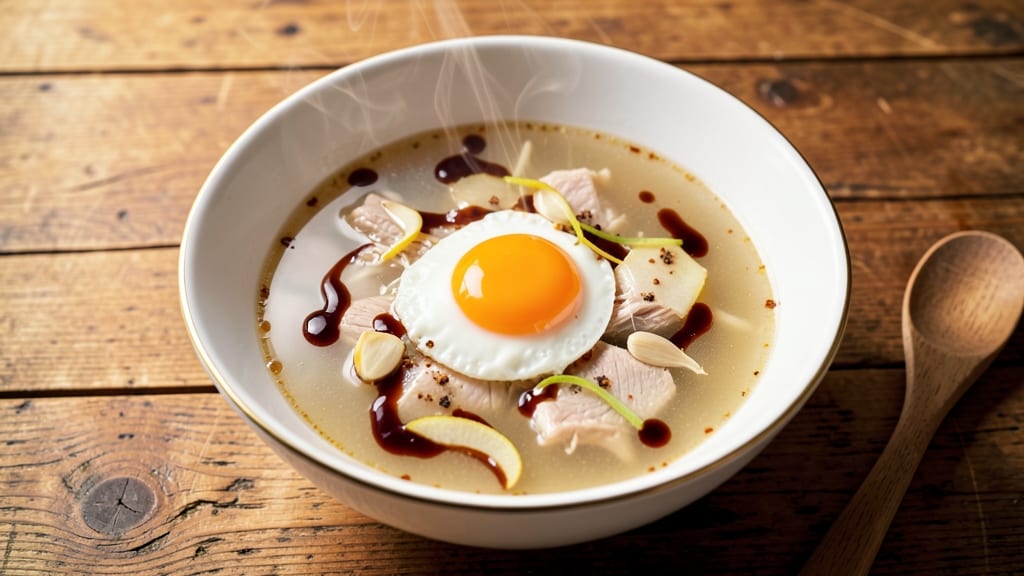
This best egg drop soup recipe ever delivers the silky ribbons and fragrant ginger zing that make it a Chinese comfort classic. The secret lies in slow-simmered broth, precise egg ribbon technique, and balancing salt, white pepper, and soy sauce for that signature umami depth.
I've refined this version over years to ensure every spoonful is smooth, aromatic, and perfectly seasoned—no shortcuts, just restaurant-quality results at home.
The foundation begins with a rich, clear broth—chicken or vegetable—that simmers until fragrant with ginger, garlic, and star anise. While it cooks, the egg ribbon technique transforms simple beaten eggs into delicate, melt-in-your-mouth strands that swirl elegantly in the broth.
White pepper adds subtle heat, soy sauce deepens the flavor, and a splash of Shaoxing wine (optional) elevates it to next-level sophistication.
What sets this apart is the textural contrast: tender egg ribbons glide through a velvety broth, while optional garnishes like green onions or chili oil add freshness and a hint of spice.
The result is a soup that's both comforting and refined—simple enough for weeknights but impressive enough for guests. Whether you stick to the traditional version or add mushrooms and shrimp, the technique remains foolproof.
Serve it steaming hot in deep bowls, garnished with crisp green onions and a drizzle of chili oil for that perfect balance of warmth and freshness. This is the egg drop soup that will have everyone asking for seconds—and the recipe that finally delivers on that "best ever" promise.
Ingredients for best egg drop soup recipe ever
These carefully chosen ingredients transform simple pantry staples into restaurant-quality egg drop soup.
| Ingredient | Amount | Notes |
|---|---|---|
| Large Eggs 🥚 | 4 whole | Freshly beaten, room temperature |
| Chicken Broth 🍲 | 6 cups | Homemade or high-quality store-bought |
| Fresh Ginger 🌿 | 1 tbsp | Finely minced, aromatic |
| Garlic Cloves 🧄 | 3 cloves | Minced, for depth of flavor |
| Shaoxing Wine 🍷 | 1 tbsp | Optional but recommended |
| Light Soy Sauce 🧂 | 1 tbsp | For umami balance |
| White Peppercorns 🌶️ | ½ tsp | Freshly ground for subtle heat |
| Salt 🧂 | ½ tsp | Diamond Crystal preferred |
| Green Onions 🧅 | 3 whole | Sliced thin for garnish |
| Chili Oil 🔥 | 1 tbsp | For finishing touch |
| Star Anise 🌟 | 1 whole | For aromatic depth |
| Sesame Oil 🫒 | ½ tbsp | Toasted for nutty aroma |
| Cornstarch 🌾 | ½ tsp | Optional for broth thickening |
The broth is where magic happens—start with homemade chicken broth if possible, but Kirkland Signature or Pacific Foods store-bought work beautifully. Fresh ginger and garlic should be bright and aromatic—no shriveled roots here! Star anise adds that signature depth, so don't skip it. Shaoxing wine is optional but elevates the dish to next-level sophistication—if you can't find it, a dry sherry works in a pinch. For the eggs, room temperature is key—they'll ribbon beautifully without breaking. I always buy organic, free-range eggs from Trader Joe's for that ultra-smooth texture.
No Shaoxing wine? Dry sherry or even a splash of white wine vinegar adds brightness. Want to make it vegetarian? Swap chicken broth for vegetable broth and add mushrooms. The cornstarch slurry is optional but helps thicken the broth slightly—just mix ½ tsp cornstarch with 1 tsp cold water. For the chili oil, Lao Gan Ma brand is a game-changer, but any good-quality chili oil will do. Fresh white peppercorns are a must—they provide heat without the color of black pepper. If you can't find them, substitute black pepper at half the amount but know the flavor won't be identical.
Broth keeps for 3 days in the fridge or 3 months frozen—make extra for quick lunches. Eggs should be used within 2 days for best texture. Store ginger and garlic in a cool, dark place for up to 2 weeks, and sesame oil lasts 6-12 months unopened. The chili oil? Use it within 3 months once opened—it doesn't last forever. Garnishes like green onions and sesame oil can be prepped ahead and stored in the fridge for 5 days, making assembly a breeze.
Why You'll Love This Recipe
- No-Fuss Ingredients: I swear by this recipe because it uses what’s already in my pantry. Chicken broth, a splash of Shaoxing wine—no specialty items, no hunting for obscure spices. Honestly, if I forget to buy something, I just swap it for what I have.
- Umami Bomb: That first sip? The garlic and ginger simmered in the broth until they’re fragrant but not overpowering, then the egg threads swirling in like silk. Between us, the Shaoxing wine adds this deep, savory punch that makes it taste like a restaurant dish.
- Crowd-Pleaser Any Day: My roommates and I rotate who makes this for dinner—it’s the kind of soup that disappears fast, whether it’s a sick day or just a lazy Sunday. (Yes, even on a Tuesday night when we’re all exhausted.)
- Leftovers That Still Shine: Unlike some soups that turn watery, this one actually tastes better the next day. I’ll reheat a bowl, crack in another egg, and it’s like making it fresh—no one ever complains, and my wallet stays happy.
Step-by-step instructions for egg drop soup with silky ribbons
Here's how to craft the perfect bowl—where every sip delivers that signature silky egg ribbon and fragrant ginger depth.
Build the Fragrant Broth Foundation
In a medium pot, combine the 6 cups chicken broth, 1 whole star anise, 1 tbsp minced fresh ginger, and 3 cloves minced garlic. Bring to a gentle simmer over medium heat—you want just tiny bubbles breaking the surface, not a rolling boil. This controlled simmer prevents the broth from becoming cloudy while extracting maximum flavor from the aromatics.
Simmer uncovered for 10 minutes until the broth develops a delicate aroma and the star anise releases its subtle anise notes. The ginger should perfume the air with its bright, zesty scent—this is your first quality checkpoint. Strain out the star anise but leave the ginger and garlic in for continuous flavor infusion. Here's the thing—don't rush this step. The longer the aromatics steep gently, the deeper the flavor foundation becomes.
Season and Prepare the Egg Mixture
While the broth simmers, whisk together the 4 whole large eggs in a separate bowl until completely beaten and smooth. Add 1 tbsp shaoxing wine, 1 tbsp light soy sauce, 0.5 tsp freshly ground white peppercorns, and 0.5 tsp salt to the egg mixture. The wine adds complexity while the soy sauce and salt balance the egg's natural richness. Whisk vigorously for 30 seconds—this ensures even distribution of seasonings and creates a uniform ribbon texture when dropped into the broth.
In a small bowl, mix the 0.5 tsp cornstarch with 2 tablespoons of cold water to create a slurry. This optional thickening agent helps create that signature velvety body without making the soup gluey. If you prefer a lighter consistency, you can omit it entirely—just remember the broth will be slightly thinner. The key is to have everything ready before you return to the stove, as egg drop soup works best when the egg is added to hot broth.
Create the Signature Silky Ribbons
Return the broth to a gentle simmer if it has cooled at all. Using a small ladle or spoon, slowly drizzle the egg mixture into the broth in thin streams while stirring continuously with a pair of chopsticks or a fork. The motion creates those beautiful, silky ribbons that define egg drop soup. Work quickly but deliberately—if you add too much egg at once, it will scramble instead of ribboning. You're aiming for delicate, wispy strands that dissolve gently into the broth.
Here's where it gets fun: as the egg ribbons form, they should cook almost instantly in the hot broth. Keep stirring gently for 1-2 minutes after all the egg has been incorporated until the ribbons are just set but still tender. The soup should have a delicate, cloudy appearance with visible egg strands suspended throughout. This is the moment that matters—overcooking will turn your silky ribbons into scrambled bits. If you see any large clumps forming, break them up gently with your stirring utensil.
Finish with Aromatic Oils and Garnishes
Remove the pot from heat and stir in the 0.5 tbsp toasted sesame oil and 1 tbsp chili oil. The sesame oil adds a nutty depth while the chili oil brings a subtle heat that cuts through the richness. Taste and adjust seasoning if needed—you might want to add a touch more soy sauce or salt to balance the flavors. The soup should be harmonious with all elements working together, not any single component overpowering the others.
Divide the soup among 4 bowls and garnish each serving with 3 whole sliced green onions. The green onions add a fresh, bright contrast to the rich, aromatic broth. Serve immediately while the egg ribbons are at their most delicate. This soup is best enjoyed fresh—waiting too long allows the egg to fully cook and lose its signature texture. Each spoonful should deliver that perfect balance of silky egg, fragrant ginger, and umami-rich broth with just a hint of chili heat.
Pro Tips For Making Best Egg Drop Soup Recipe Ever
- Whisk Eggs Cold: Grab those eggs straight from the fridge—room temp eggs make for rubbery ribbons. Whisk them with a splash of broth first (about 1/4 cup) until fully emulsified, then slowly drizzle into the simmering pot. The cold shock keeps the strands silky, not scrambled.
- Simmer Low After Wine: Shaoxing wine burns fast—add it last, then immediately drop heat to a gentle simmer. I used to let it boil after adding wine, and the broth turned bitter. Keep it at 160°F (just below a rolling simmer) to let the alcohol cook off without overpowering.
- Mince Ginger Fine: Skip the julienne—this isn’t stir-fry. Grate ginger into a paste with a microplane or finely mince it with the blade of a knife. Too many chunks = tough, chewy bites. A teaspoon of paste is enough; it’ll perfume the broth without overpowering.
- Salt Broth Last: Taste the broth before adding salt—it should be almost ready. Egg drop soup relies on the broth’s flavor to carry the dish, and salting too early dilutes the depth. Add salt (and a pinch of white pepper) right as you drizzle the eggs, then adjust to taste.
Essential equipment for perfect results
Broth Pot Essentials
Your medium-sized stainless steel pot is non-negotiable for even heat distribution. I use my All-Clad 3-quart pot—it handles the gentle simmer perfectly without hot spots. Avoid non-stick or aluminum, as they react with acidic ingredients like ginger and garlic.
A fine-mesh strainer (like OXO Good Grips) is crucial for removing star anise while keeping the aromatic ginger and garlic in the broth. 🌿
Egg Whisking Tools
A whisk with a narrow base (like the Cuisinart 3-in-1) creates those signature ribbons. The narrow shape allows precise control when drizzling egg into the broth. For beating eggs, I prefer a silicone spatula (such as EcoWare) to avoid scratching bowls.
A small ramikkin bowl (or any heatproof ceramic bowl) holds the egg mixture perfectly while you work.
Stirring Implements
Chopsticks are traditional, but I find long-handled silicone spatulas (like OXO Good Grips) more practical for stirring without burning your hands. The flexible tines gently break up egg clumps while maintaining those delicate ribbons. A small ladle (about 4 oz capacity) is perfect for drizzling egg into the broth in controlled streams.
Garnish Prep Tools
For slicing green onions, a sharp chef's knife (like Mercer Culinary Genesis) and a cutting board (I use Teakhaus bamboo) ensure clean, even slices. A microplane (such as Microplane 4-in-1) quickly zest fresh ginger if you prefer a finer texture.
Keep a small bowl nearby to hold your chili oil and sesame oil for easy finishing touches.
Optional Upgrades
A digital thermometer (like Thermoworks Thermapen) helps monitor broth temperature—ideal simmer range is 185-195°F. For extra smooth egg ribbons, a fine-mesh sieve (like OXO Good Grips) strains any accidental egg bits from your broth.
A small saucepan (1-2 quarts) is handy if you want to toast sesame oil separately for deeper flavor.
Nutrition facts
Frequently asked questions
Why do the egg ribbons turn out scrambled instead of silky?
The key is maintaining a gentle simmer when adding the egg—never a rolling boil. Use a ladle to drizzle the egg in thin streams while stirring continuously with chopsticks or a fork. If the broth cools too much, reheat it to 185-195°F before adding the egg. Adding too much egg at once or stirring too vigorously will break the delicate strands.
Can I make this soup vegetarian?
Swap the chicken broth for vegetable broth and add shiitake mushrooms or bok choy for depth. For extra umami, include a splash of mushroom soy sauce or vegetarian oyster sauce. The egg ribbon technique remains the same, and the aromatic ginger-garlic base works perfectly with plant-based ingredients.
How do I adjust the spice level?
The white pepper provides subtle heat, but you can customize it: reduce to ¼ tsp for mild or increase to 1 tsp for bold. For extra kick, add ½ tsp chili flakes or 1 tsp doubanjiang (chili bean paste) to the broth. Always taste before serving—you can't overdo the chili oil, but balance is key.
What's the best way to reheat leftovers?
Reheat only the broth (without egg) to 160°F first, then whisk in fresh eggs while stirring continuously. Never microwave the egg mixture directly—it'll scramble. For best texture, reheat portions in a small pot over low heat for 2-3 minutes. The egg ribbons won't be as delicate as fresh, but they'll still taste amazing. Store leftovers for up to 2 days in the fridge.
Can I make this soup ahead of time?
Prepare the broth and seasonings up to 2 days ahead—store it refrigerated. When ready to serve, reheat gently and add fresh eggs. For the egg mixture, it's best made fresh, but you can pre-whisk the eggs with seasonings (without wine) and store them in the fridge for 1 day. Add the wine just before cooking. The aroma develops better when made fresh, but prepped components save time.